



Antique Medical Glass Bottles
These antique medical glass bottles are utilitarian vessels of pharmacy and chemistry, prized by collectors for their rich tones, hand-blown quirks, and historic labels.
Antique Medical Glass Bottles
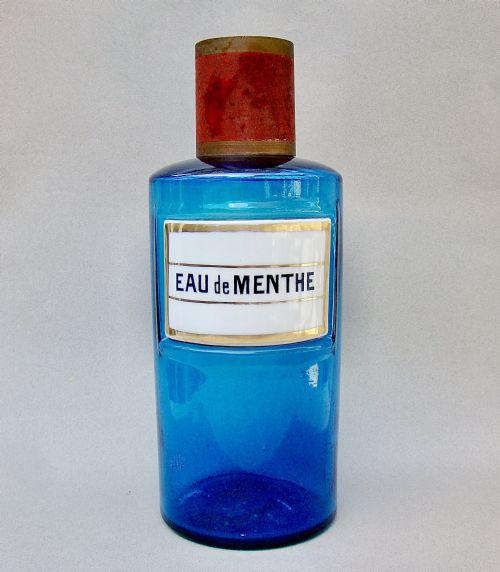
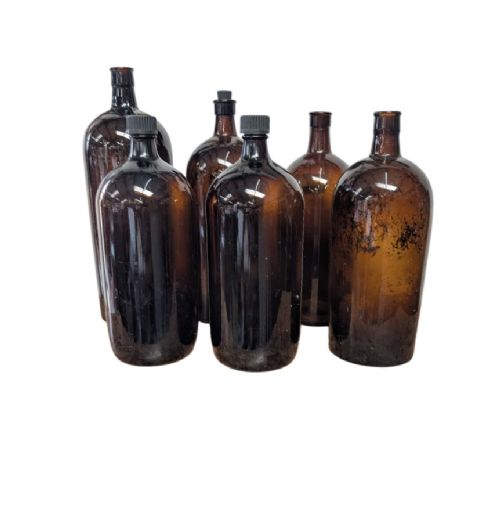
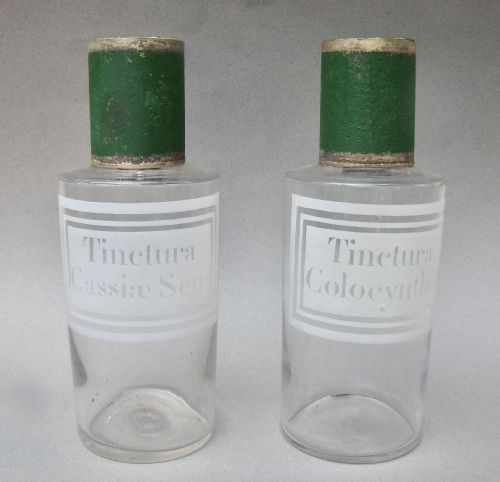
When searching for antique medical glass bottles, buyers encounter a range of utilitarian vessels spanning the Georgian, Regency, and Victorian periods. These pieces include apothecary jars, chemical carboys, and chemist bottles used in historic dispensaries and travelling medicine chests.
The most common items on this page are hand-blown glass pharmacy bottles and jars, often accompanied by fitted mahogany boxes or cabinets containing multiple smaller vials. Surviving examples date from the early nineteenth century through to the early twentieth century, reflecting the evolution of medical storage.
Origin varies from British workshops to French houses, encompassing distinct regional styles in etching and amber or green glass production. Buyers find individual cabinet pieces alongside complete sets housed in fitted wooden cases complete with drawers.
Materials and construction
Makers utilised traditional hand-blowing techniques to form the heavy glass bodies of these vessels, resulting in characteristic air bubbles, pontil marks, and slight surface irregularities. Coloured glass, particularly amber and green, protected sensitive contents from light.
Fitted housing for these bottles involved fine cabinet-making in mahogany, frequently featuring brass handles, velvet linings, and internal drawers. Paper labels, gold leaf lettering, and etched glass designs provided identification for the various medicines and compounds stored within.
Antique Medical Glass Bottles Retail Price Guide 2026
Typical asking prices for medical glass bottles among the pieces listed under this phrase on Sellingantiques today, from the lower quarter to the upper quarter. They describe what is for sale here now, not the wider market.
Materials recorded on this page include mahogany, brass, velvet, and paper alongside hand-blown glass.
Assessing quality and preservation
Quality rests upon the preservation of original elements, such as matching sets of glass stoppers, intact paper labels, and complete contents within fitted wooden travelling cases. Etched detailing and heavy, uniform hand-blowing elevate individual jars.
The sophistication of the housing influences the overall standard, distinguishing simple utilitarian bottles from elaborate mahogany apothecary chests fitted with brass hardware and velvet interiors.
The Antique Medical Glass Bottles Glossary
- Carboy
- A large globular glass bottle or jar, often enclosed in protective housing or left freestanding, used in pharmacies for holding bulk liquids.
- Pontil mark
- The rough scar left on the base of hand-blown glass where the pontil rod was snapped off after shaping.
- Apothecary jar
- A vessel designed to hold medicinal herbs, compounds, or dry drugs in a dispensary or shop.
- Winchester
- A standard type of heavy glass bottle utilised for storing chemical reagents and liquid medicines securely.
Antique Medical Glass Bottles: Frequently Asked Questions
What were apothecary chests used for?
These fitted wooden boxes served physicians and households for transporting and storing medicinal powders, tinctures, and liquid remedies safely during travel.
Inside, precision compartments kept delicate glass vials upright and secure against the bumps of carriage transit.
How do I date antique glass bottles?
Dating relies on observing manufacturing marks, such as pontil scars on the base which indicate hand-blowing methods common before automated machine production.
Stoppers, typography on paper labels, and the overall hue of the amber or green glass also provide clues to the era of manufacture.
Why are some bottles green or amber?
Coloured glass was specifically chosen to filter out ultraviolet light, protecting light-sensitive chemical compounds and medicines from degradation.
These rich tones also give the jars their distinctive decorative appeal for modern display cabinets.
How should I clean antique glass?
Dusting with a dry cloth or gentle cleaning with lukewarm water preserves fragile paper labels and original gold leaf detailing.
Harsh chemical detergents or soaking should be avoided to protect historic surfaces and residual internal deposits.