

Antique Matching Tables
Antique matching tables bring dual forms into a room, offering paired utility across bedside cabinets, console sets, and dining pieces.
Antique Matching Tables
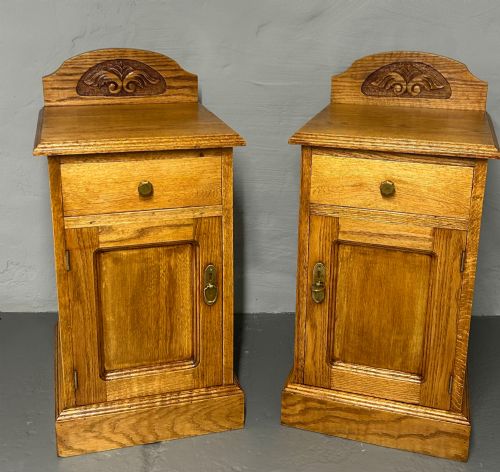
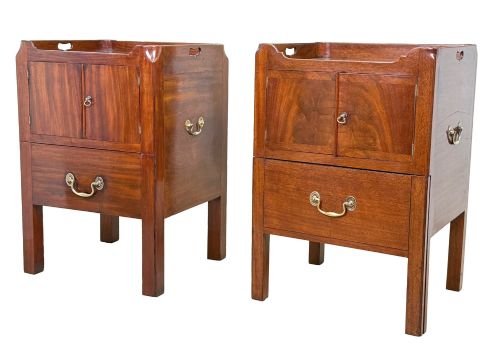
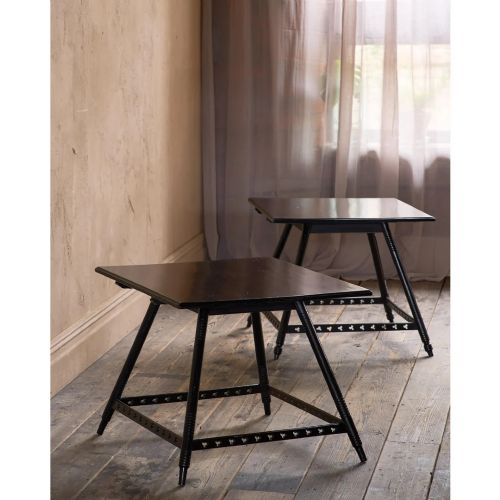
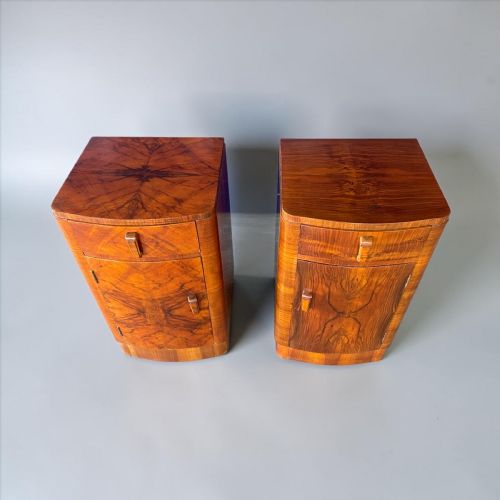
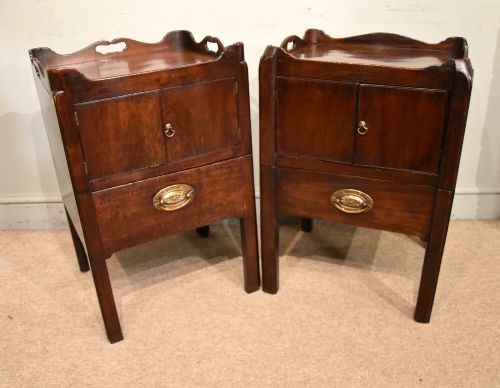
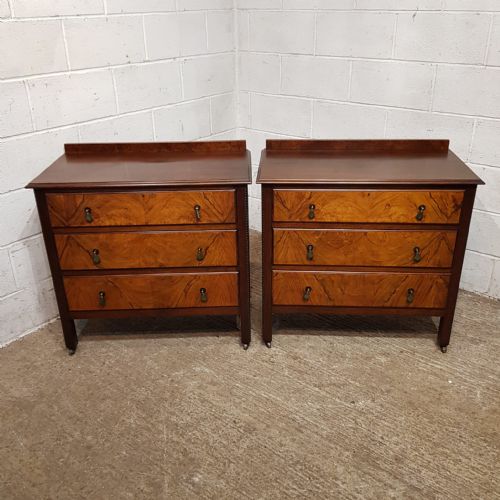
When you search for antique matching tables, you encounter pairs and sets designed to function together, from bedside cabinets to console tables with matching mirrors. The listings here lean heavily towards matched pairs of bedside cabinets, occasional tables, and dining or centre formats.
The periods span from the Georgian era through the Regency, Victorian, and Edwardian years up to Art Deco designs of the 1930s. You will find items conceived as pairs originally alongside matched pairs assembled later by dealers or collectors based on timber, scale, and form.
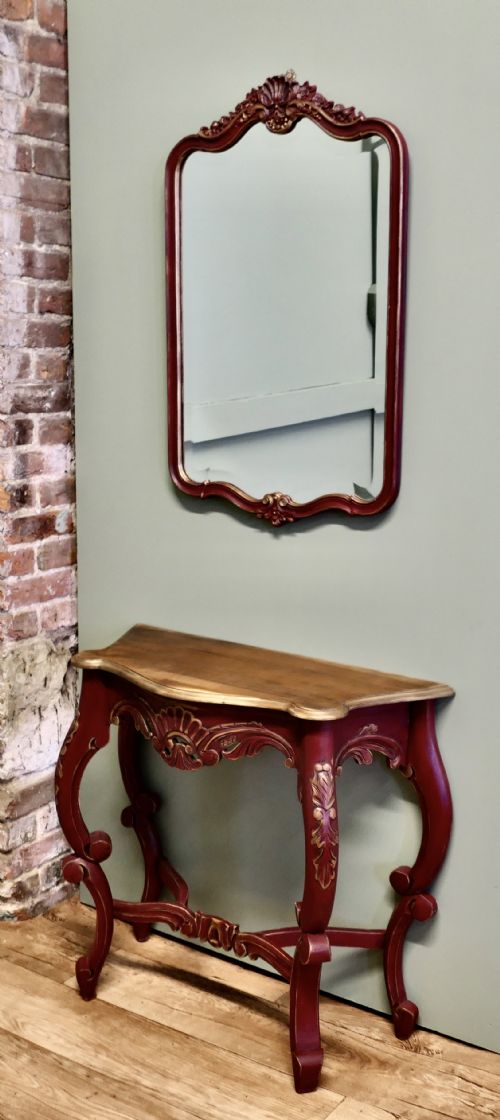
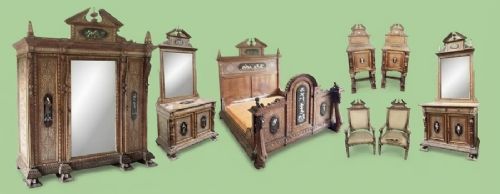
Console tables frequently arrive paired with matching wall mirrors or giltwood frames, whilst bedroom suites provide larger assemblages of matching furniture. Smaller formats include wine tables, tripod tables, and pot stands originating from English workshops, French ateliers, and Chinese dynasties.
Materials and construction
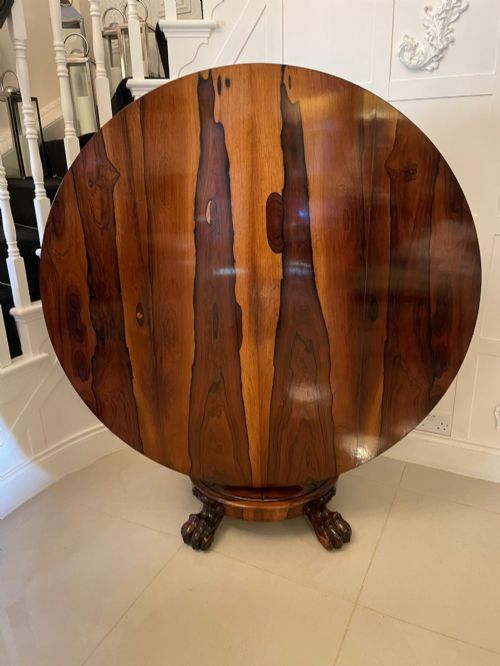
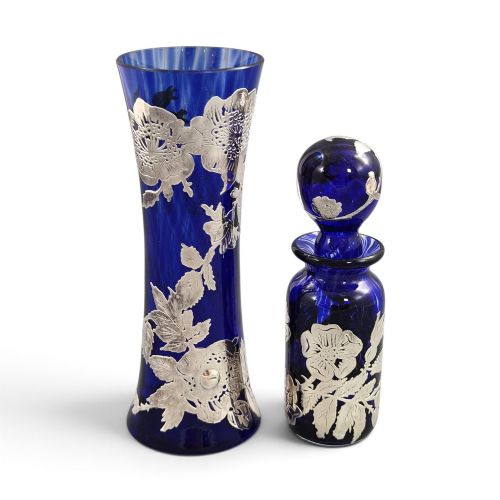
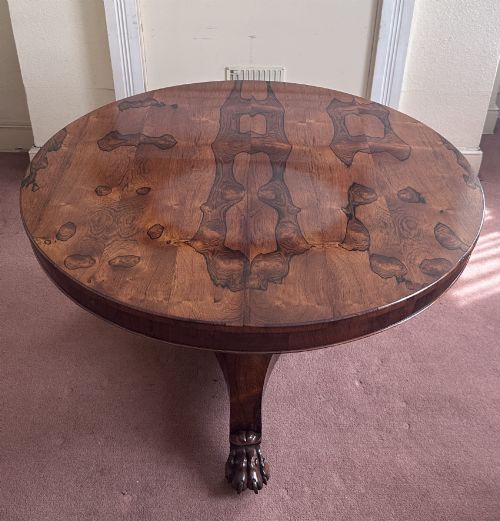
Cabinetmakers utilised dense hardwoods such as mahogany, walnut, burr walnut, rosewood, and oak for structural integrity and rich surface figure. Marbled surfaces appear on top of console tables, whilst brass, sterling silver, and glass integrate into smaller items and mounts.
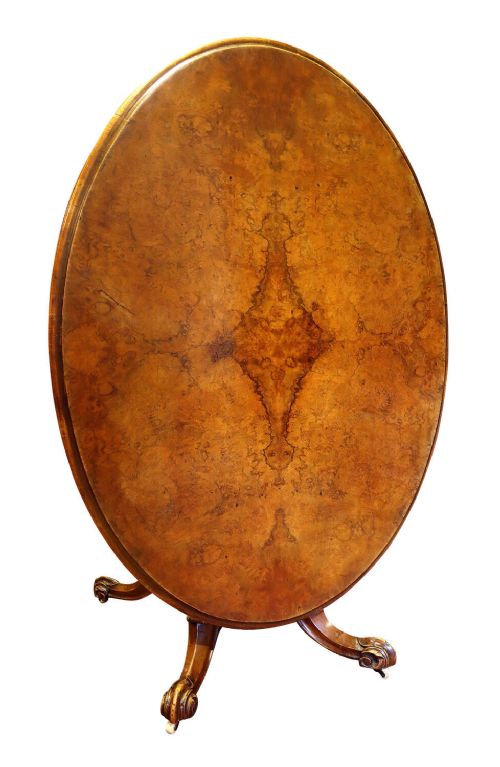
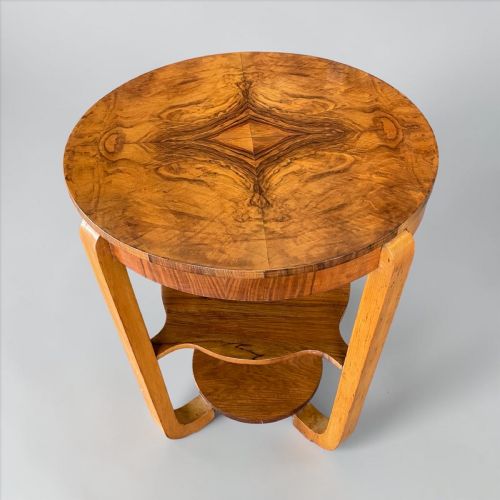
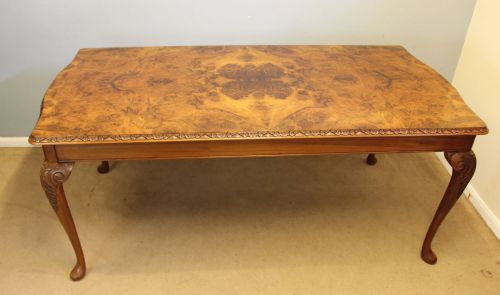
Veneers of burr walnut and blonde birdseye maple provide decorative grain patterns across table tops and cabinet fronts, particularly on Art Deco and Victorian pieces. Joinery methods range from traditional hand-cut joints on eighteenth and nineteenth-century frames to specialised parquetry, inlay, and turning.
Antique Matching Tables Retail Price Guide 2026
Typical asking prices for matching tables among the pieces listed under this phrase on Sellingantiques today, from the lower quarter to the upper quarter. They describe what is for sale here now, not the wider market.
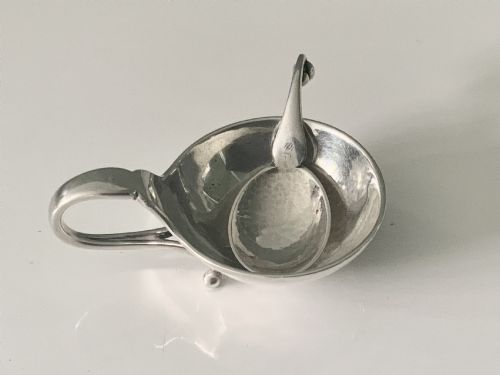
Among the stately dining tables and console sets hide tiny silver match strikers and globe perfume bottles waiting to light up a desk.
Assessing quality in pairs
The distinction between average and exceptional pieces rests upon the fidelity of the match between the items, especially when dealing with pieces brought together after manufacture. Grain alignment, timber selection, and uniformity of proportion determine whether a matched pair holds visual harmony.
Execution of detail, such as hand-carved mounts, crisp inlay, and original marble tops or mirrors, elevates certain examples above standard production. The integrity of the timber and the subtlety of patination acquired over the decades dictate the enduring presence of the furniture.
Georg Jensen·Waring & Gillows·Liberty & Co.·John MaClean·Karl Palda·Gillows
The Antique Matching Tables Glossary
- Matched pair
- Two separate items produced in the same period and style, or subsequently paired by dealers due to shared dimensions, timber, and design.
- Burr walnut
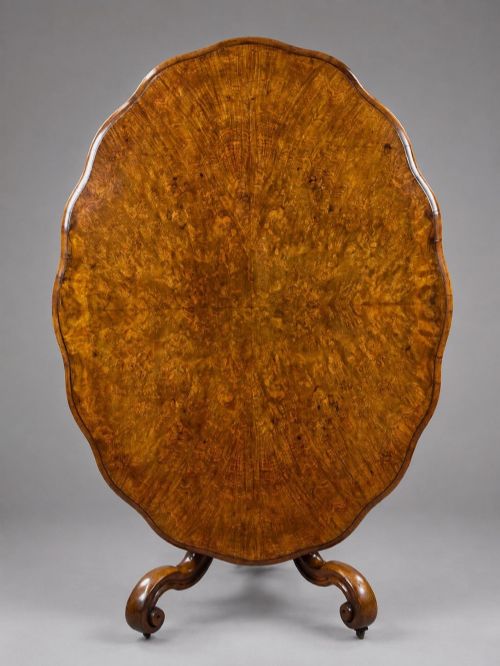
- Timber harvested from the warted growths of walnut trees, yielding highly figured, swirling grain patterns prized for veneering table tops and cabinets.
- Console table
- A table designed to stand against a wall, frequently supported by ornate legs or brackets and historically accompanied by a matching wall mirror.
- Loo table
- A large Victorian round or oval table, often featuring a tilt-top mechanism, intended for social card games played during the nineteenth century.
- Refectory table
- A long, narrow dining table with trestle or bulbous leg forms, traditionally built for communal dining halls.
Antique Matching Tables: Frequently Asked Questions
What defines a matched pair?
A matched pair consists of two individual pieces made in the same era with identical dimensions, materials, and stylistic details. They may have left the workshop together or been united later by dealers who recognised their identical proportions.
Matching requires consistent timber grain, colour, and decorative elements such as inlay or carving. When placed together in a room, they create visual symmetry without necessarily having identical inventory histories.
How do I care for burr walnut?
Burr walnut veneers require stable indoor humidity and protection from direct sunlight to prevent the thin decorative wood from splitting or fading. Dust gently with a dry cloth and apply specialist wax sparingly to maintain the sheen.
Avoid placing hot cups or damp items directly on the polished surface. Using coasters and protective mats preserves the delicate swirls of the grain.
Where were console tables placed?
Console tables historically stood against hallway or reception room walls, frequently anchored beneath matching wall mirrors. Their shallow depth suited narrow circulation spaces where freestanding furniture would obstruct movement.
They served as display surfaces for decorative objects, lighting, or silver service. Paired sets created a formal architectural focal point upon entering a room.