




Antique Marquise Shape Ring
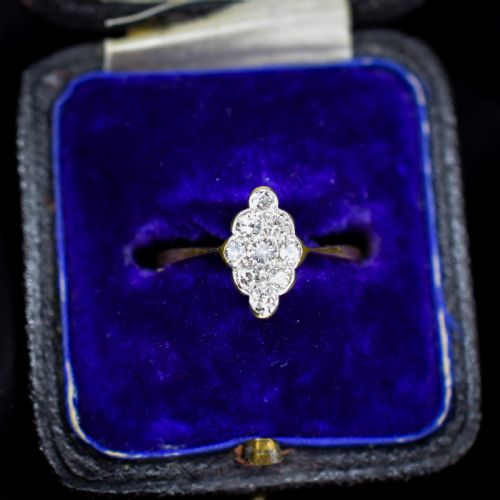
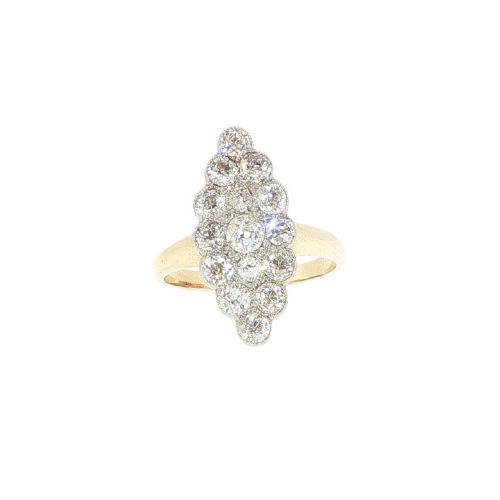
An antique marquise shape ring offers an elongated finger profile that captures Edwardian elegance and Art Deco geometric flair.
Antique Marquise Shape Ring
The search phrase antique marquise shape ring covers distinctive boat-shaped and navette cluster designs that lengthen the hand. Pieces span Victorian, Edwardian, and Art Deco periods, showcasing historical shifts in taste.
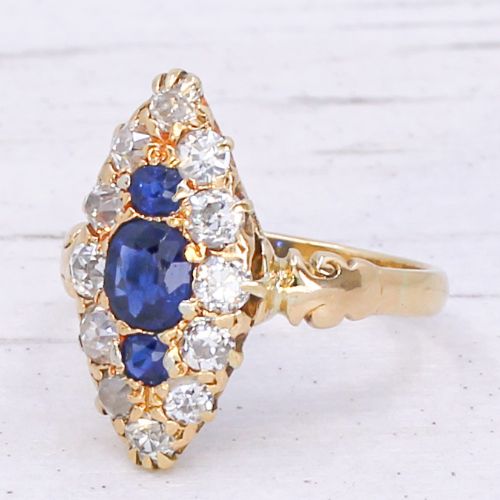
Buyers frequently meet cluster formations centred on old cut diamonds flanked by sapphires or rubies. Yellow gold, white gold, and platinum settings define the structural silhouettes across these eras.
Makers utilised distinct regional hallmarking practices, such as Birmingham and Chester offices, alongside specific metal combinations like 18ct gold and platinum tops. These elements help anchor each piece within its rightful decade.
How they were made
Goldsmiths combined 18ct yellow gold shanks with platinum heads to securely hold old cut diamonds in bright, durable metal. Hand fabrication involved meticulous claw settings and intricate pierced galleries beneath the main cluster.
Cluster arrangements relied on precise stone alignment to create the characteristic pointed navette outline. Jewellers set sapphires, rubies, and pearls alongside diamonds to build contrasting colour and texture.
Some rings hide tiny pierced galleries underneath, invisible to everyone except the wearer.
What varies in quality
Superior examples display balanced proportions in the elongated navette silhouette without metal fatigue in the delicate gallery work. The integration of high carat gold with robust platinum plating ensures structural integrity over generations of wear.
The calibre of central gemstones, particularly old cut diamonds and natural sapphires, dictates the upper tier of the range. Fine grain setting and crisp hallmark stamps further separate masterwork jewellery from standard production.
The Antique Marquise Shape Ring Glossary
- Navette
- A boat-shaped or eye-shaped cluster design that tapers to sharp points at either end. This profile is synonymous with the marquise aesthetic.
- Old Cut
- A historic diamond cutting style featuring a small table, high crown, and open culet. These stones exhibit soft, broad scintillation under candlelight.
- Cluster Ring
- A central gemstone surrounded by a border of smaller accent stones. This arrangement maximises visual impact and perceived spread on the finger.
- Platinum
- A dense, white precious metal utilised for its strength and secure claw retention. It gained widespread popularity during the Edwardian and Art Deco periods.
- Cocktail Ring
- A large, statement dress ring designed for evening wear. These pieces frequently feature prominent sapphires or multi-stone diamond configurations.
Antique Marquise Shape Ring: Frequently Asked Questions
How do I wear an antique marquise shape ring safely?
The elongated profile means the pointed ends can catch on heavy knitwear or delicate fabrics during daily activities. Removing the ring before dressing or manual work protects the delicate settings from impact.
Regular checks by a jeweller ensure the tiny claws holding the navette tips remain secure. Proper storage in a dedicated ring box prevents the sharp points from scratching other jewellery.
What is the difference between navette and marquise?
Navette translates as little boat, describing the pointed, elongated cluster silhouette seen across Victorian and Edwardian pieces. Marquise refers to the same geometric shape, often associated with symmetrical Art Deco platinum mountings.
Both terms describe rings designed to stretch visually across the finger knuckle. Jewellers historically used the descriptions interchangeably depending on the regional workshop style.
Can these rings be resized easily?
Resizing depends on the shoulders and shank construction, as altering the band can stress adjacent cluster settings. Solid gold shanks generally permit straightforward adjustments by a skilled antique specialist.
Intricate gallery work near the stone shoulders requires careful laser welding to preserve original hallmarks and structural proportions. Consult a specialist before attempting alterations on platinum and gold combination mounts.
How do I identify an Edwardian marquise ring?
Edwardian examples typically feature platinum-topped 18ct gold settings with delicate millegrain edges and lace-like pierced galleries. Old cut diamonds and pale blue sapphires are mounted in airy, lightweight configurations.
Victorian precursors often display heavier gold boat shapes, while Art Deco pieces adopt sharper geometric symmetry. Examining the metal combinations and stone cuts clarifies the manufacturing decade.