




Antique Marquetry Wall Hanging
An antique marquetry wall hanging brings warmth and intricate wooden detail to a room, offering both storage and art in one piece.
Antique Marquetry Wall Hanging
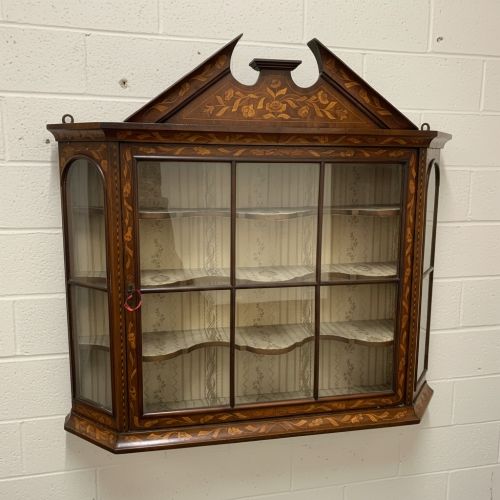
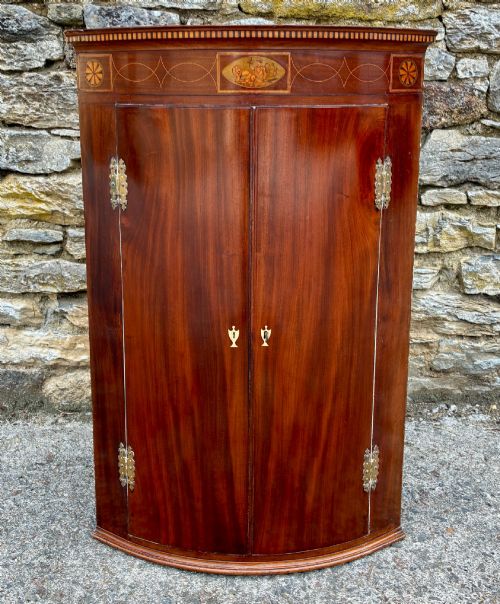
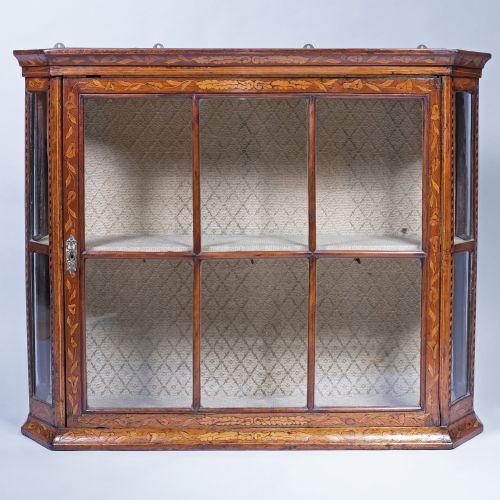
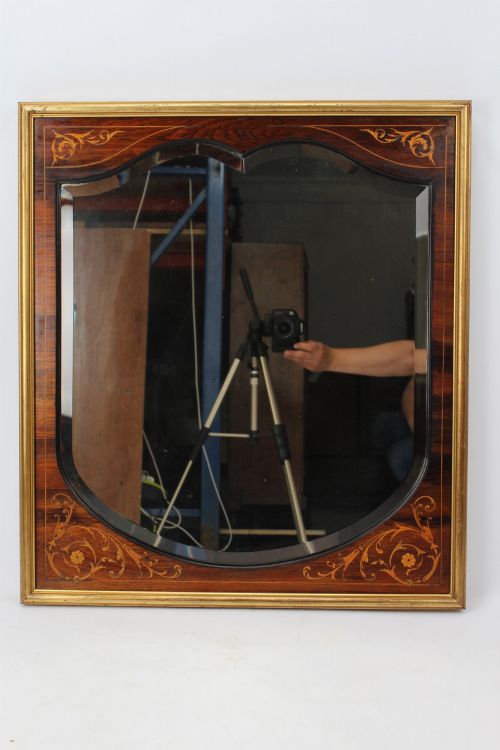
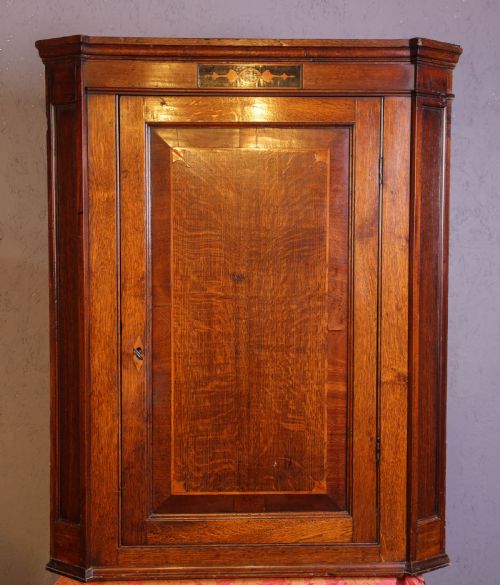
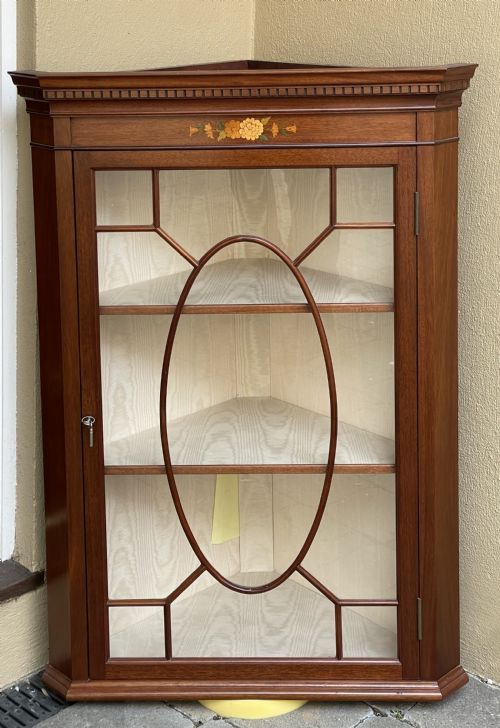
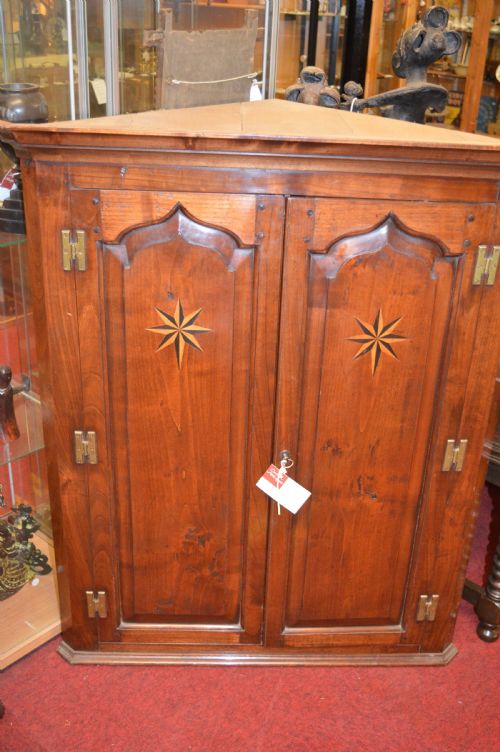
An antique marquetry wall hanging spans functional storage and decorative panels, taking forms such as wall cabinets, mirrors, shelves, and dedicated panels. The pieces seen here stretch from the eighteenth century through the Victorian, Edwardian, and nineteen-hundreds periods.
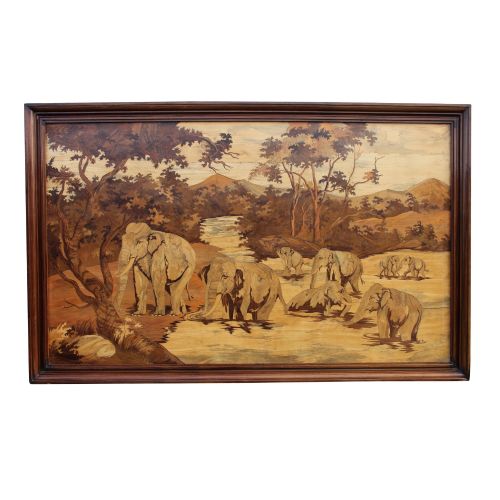
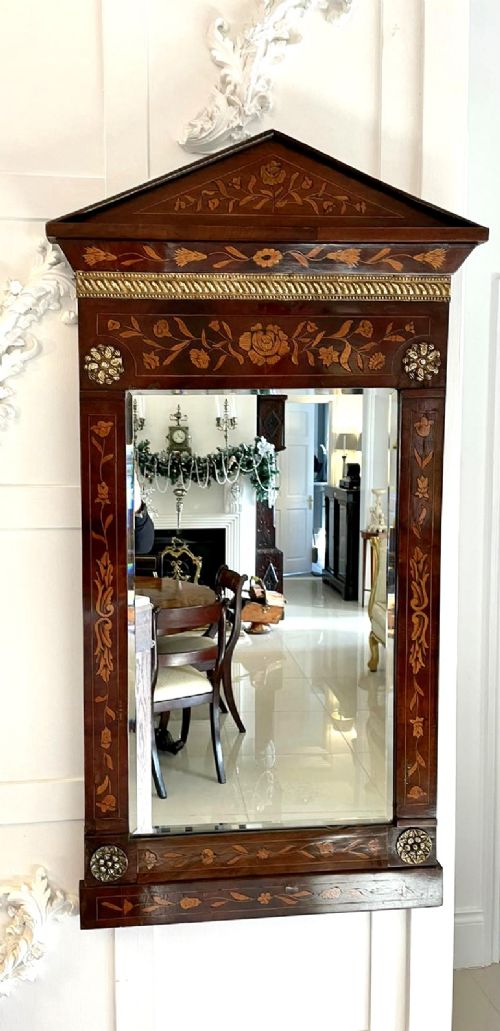
Buyers meet corner cupboards, hanging display cabinets, and mirrors alongside flat pictorial panels depicting subjects like elephants or leaping salmon. Styles range from Georgian and Sheraton to Dutch marquetry and Anglo-Indian work.
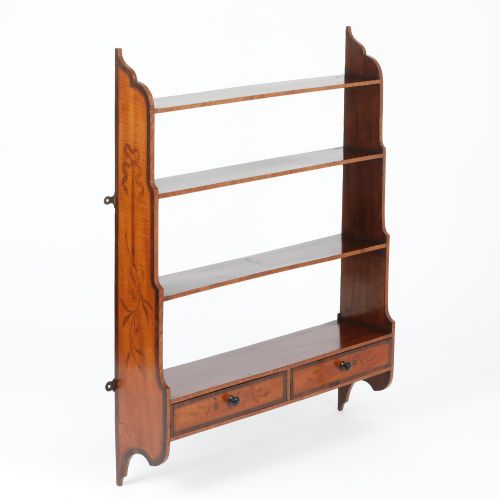
The assortment leans heavily toward wall-mounted timber storage and mirrors incorporating detailed wood veneers. Domestic forms like knife boxes and plate racks also appear among the hanging furniture.
How they were made
Cabinetmakers built the structural carcases using robust timbers like oak, mahogany, and walnut. These foundational woods provided stability for hanging pieces exposed to shifting room temperatures.
Surface decoration relies on fine veneers including satinwood, rosewood, fruitwood, and olive wood, cut and fitted into elaborate marquetry designs. Brass hinges, handles, and glass panels frequently complete the construction.
Antique Marquetry Wall Hanging Retail Price Guide 2026
Typical asking prices for marquetry wall hanging among the pieces listed under this phrase on Sellingantiques today, from the lower quarter to the upper quarter. They describe what is for sale here now, not the wider market.
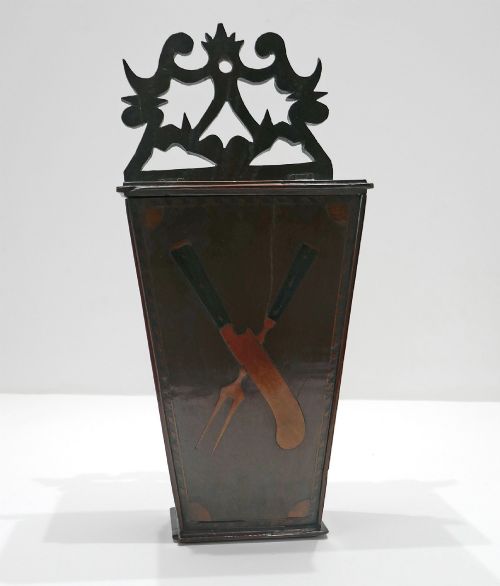
An eighteenth-century oak kitchen knife hanging box sits quietly among the grander wall mirrors and display cabinets.
What varies in quality
The sophistication of the veneer work dictates the standing of a piece, separating simple geometric stringing from pictorial marquetry with complex shading and varied timber tones. The crispness of the joinery and the selection of secondary woods reveal the maker's discipline.
Condition and originality play a significant part in the stature of surviving wall furniture. Pieces retaining their original brass hardware, glass, and uncompromised surface finish hold greater integrity than those altered over generations.
The Antique Marquetry Wall Hanging Glossary
- Marquetry
- The art of forming decorative patterns on a wooden carcase by fitting together small pieces of veneer. Artisans select different coloured woods to create pictorial scenes or symmetrical geometric motifs.
- Veneer
- A thin slice of figured wood applied to a primary timber base. This technique allows cabinetmakers to display expensive or highly decorative grain patterns economically.
- Stringing
- A narrow inlay of contrasting wood used to outline panels, drawers, or cabinet doors. It adds crisp linear definition to eighteenth and nineteenth-century furniture.
- Corner cupboard
- A triangular cabinet designed to fit neatly into the corner of a room. Hanging versions save floor space while displaying ceramics or storage items.
- Specimen wood
- Timber selected for its unusual grain, natural colour, or origin. Panels made from these woods often showcase a mosaic of diverse botanical sources.
Antique Marquetry Wall Hanging: Frequently Asked Questions
How do I hang a heavy antique wall cabinet safely?
Wall-mounted cabinets require secure fixing into solid masonry or direct attachment to timber wall studs. Professional installation ensures the weight of the oak or mahogany carcase distributes evenly.
Older hanging points may need modern bracket reinforcement to support the combined weight of the timber and stored contents securely.
What is the difference between marquetry and inlay?
Inlay involves setting pieces of wood into a depressed cavity carved directly into a solid timber base. Marquetry assembles an entire picture or pattern of veneer on a backing sheet before applying it to the carcase.
Marquetry allows for intricate pictorial scenes using many contrasting timber varieties across a wide surface.
How do I care for antique rosewood and mahogany?
Protect wooden surfaces from direct sunlight and excessive humidity swings to prevent veneer lifting or timber splitting. Regular dusting with a soft, dry cloth preserves the finish without chemical buildup.
Applying microcrystalline wax occasionally helps nourish older polish and protects the wood grain from moisture.
Were corner cupboards meant for specific rooms?
Corner cupboards and shelves served dining rooms, halls, and parlours to hold tableware, books, or small domestic items. Hanging versions utilised neglected wall space in compact domestic interiors.
Georgian and Victorian households relied on these clever forms to maximise storage without cluttering floor space.