


Antique Marquetry Hall Chairs
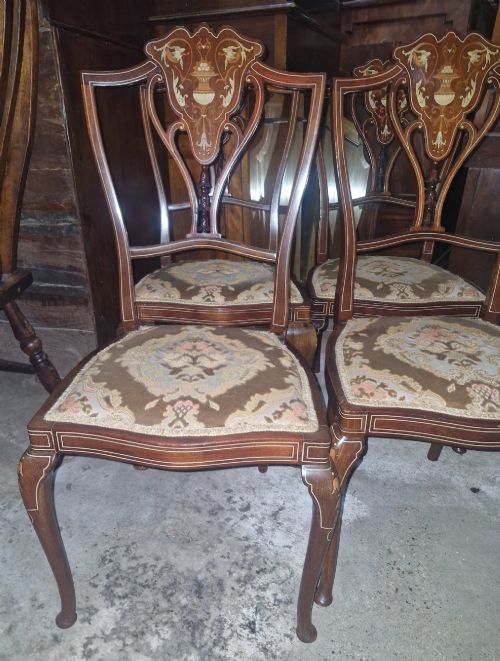
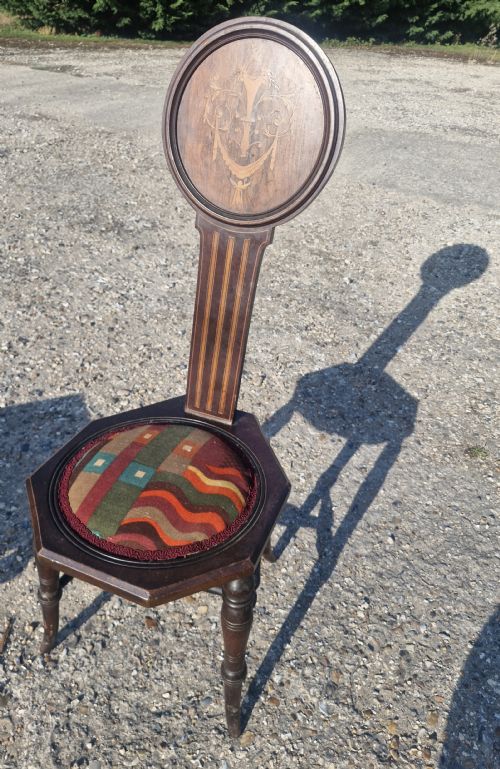
These antique marquetry hall chairs combine timber and intricate wood inlay to create striking seating.
Antique Marquetry Hall Chairs
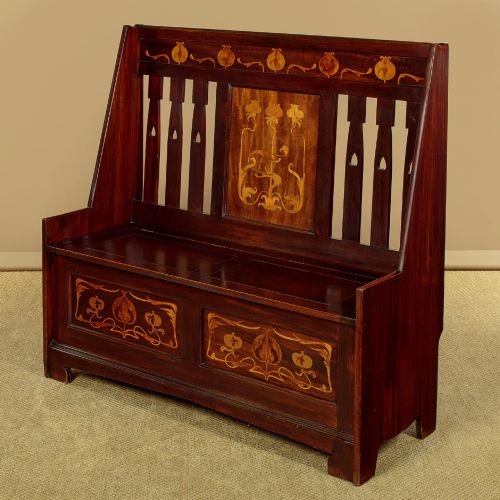
When you search for antique marquetry hall chairs, you encounter seating featuring detailed wood inlay alongside occasional chairs, side chairs, and benches. The selection spans several centuries, including pieces from the eighteenth century, the nineteenth century, and the Edwardian era.
The objects take diverse forms beyond standard hall seating, encompassing side chairs, occasional chairs, dining chairs, and benches. Stylistic influences range from Dutch Baroque and Regency to Arts and Crafts, Carolean Revival, and Italian Renaissance Revival.
Origins and materials vary widely across the inventory, incorporating walnut, mahogany, fruitwood, and beech. Buyers find both British and continental European examples, including Swiss and Dutch pieces displaying elaborate floral and pictorial ornamentation.
How they were made
Cabinetmakers constructed these chairs primarily using solid woods like mahogany, walnut, and beech, supplemented by fruitwood for specific tonal contrasts. Frames are joined using traditional methods appropriate to each period.
Decoration relies heavily on wood inlay and marquetry, often combining boxwood inlay and other contrasting timbers to form intricate pictorial or geometric motifs. Certain Regency examples incorporate brass inlay alongside faux rosewood finishes to achieve distinct visual effects.
What varies in quality
The refinement of the wood inlay dictates much of the distinction between pieces, with tightly fitted, highly detailed marquetry marking out superior examples. Simpler linear wood inlay reflects more utilitarian workshop output.
Timber selection and secondary wood usage also separate standard production from finer cabinetwork, particularly where figured walnut or dense mahogany provide structural stability and rich grain pattern. The crispness of carved details in revival styles further indicates the skill of the maker.
James Shoolbred and Co
The Antique Marquetry Hall Chairs Glossary
- Marquetry
- A decorative technique applying pieces of veneer to a structure to form ornamental designs. Craftsmen use varied timbers to create pictorial scenes or geometric patterns.
- Hall chair
- A rigid wooden seat traditionally placed in an entrance hall or passage. These pieces frequently display heraldic motifs or striking carved and inlaid backs rather than heavy upholstery.
- Fruitwood
- Timber derived from fruit-bearing trees such as pear, apple, or cherry. Cabinetmakers valued it for its fine grain and warm tone, often utilising it in detailed inlay work.
- Boxwood inlay
- The insertion of pale boxwood into a darker host wood to create contrasting lines or patterns. This technique highlights the borders and central motifs of panels.
- Regency
- A British design period spanning the early nineteenth century. Furniture from this era often draws inspiration from classical antiquity.
Antique Marquetry Hall Chairs: Frequently Asked Questions
What is marquetry?
Marquetry is the art of applying thin slices of wood veneer to a structural surface to create pictorial or decorative patterns. Artisans cut and fit different coloured timbers together like a puzzle.
This technique differs from inlay, where designs are sunk into a solid piece of wood. In these chairs, marquetry usually decorates the backrest or seat.
Where were hall chairs used?
Hall chairs were traditionally positioned in the entrance halls or grand corridors of large houses. They served as formal seating for visitors waiting to be announced.
Because they were meant for brief use rather than lounging, most examples lack upholstery and feature rigid wooden seats and upright backs.
How do I date these chairs?
Dating relies on identifying the underlying style, timber choice, and construction methods characteristic of specific periods. Pieces range from eighteenth-century Dutch designs to Edwardian interpretations.
Secondary woods and the complexity of the wood inlay provide further clues to the decade of manufacture. Comparing the form against documented historical examples establishes the most accurate timeline.
Are these chairs comfortable?
Most hall chairs and side chairs were built with form and display in mind rather than ergonomic comfort. Their rigid wooden construction and upright postures reflect their historical placement in hallways.
Some occasional chairs and musical chairs in the selection offer slightly more relaxed proportions, but traditional hall seating remains firm and upright.