
Antique Maritime Model
An antique maritime model brings the heritage of the sea indoors, capturing sailing ships and pond yachts shaped by Victorian and Edwardian hands.
Antique Maritime Model
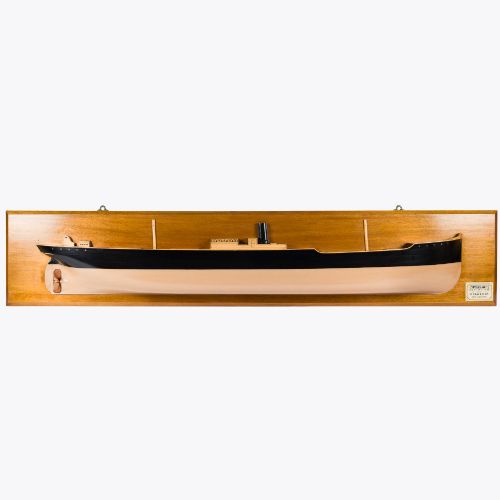
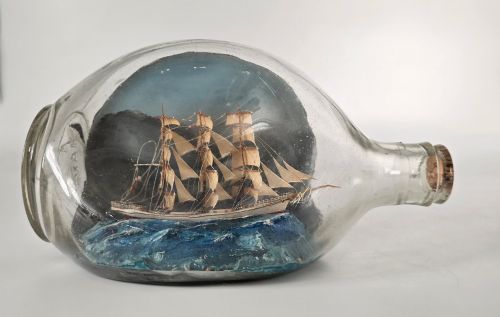
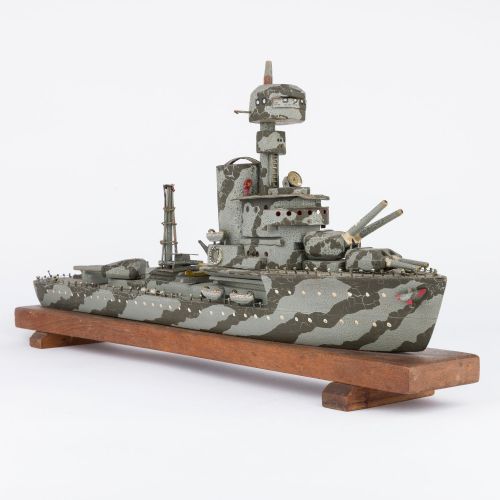
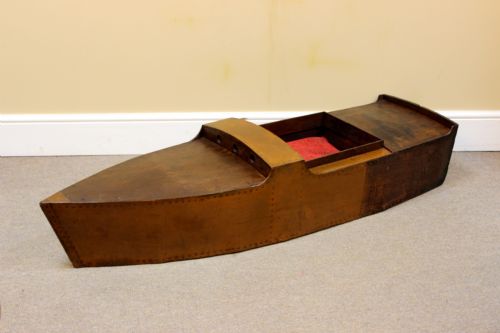
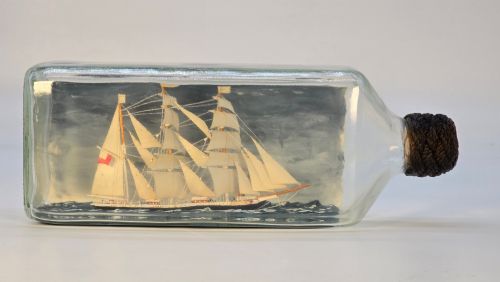
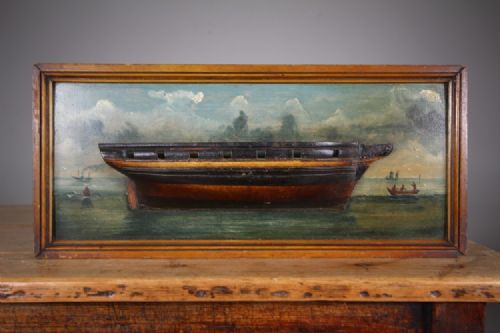
An antique maritime model encompasses carved wooden vessels, pond yachts, and intricate ship dioramas created across the nineteenth and early twentieth centuries. These pieces reflect a deep cultural connection to seafaring, ranging from scratch-built sailing ketches to professional ship builders half hull models.
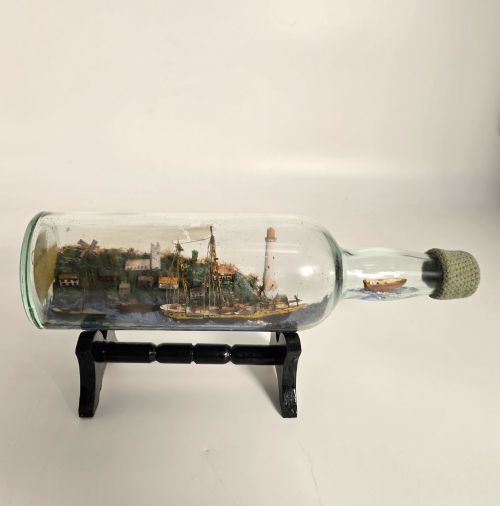
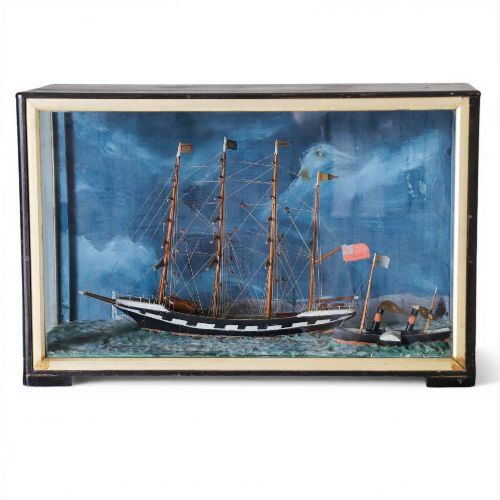
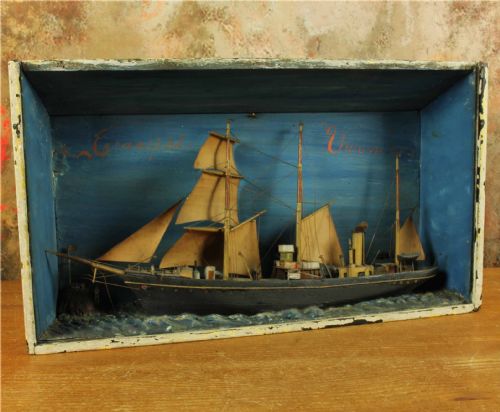
The versions most commonly met on this page include cased dioramas, shadow box representations of racing vessels, and large pond yachts designed for outdoor sailing. Makers utilised pine, sycamore, and metal to construct these miniature representations, often mounting them on custom stands or enclosing them within glass display cases.
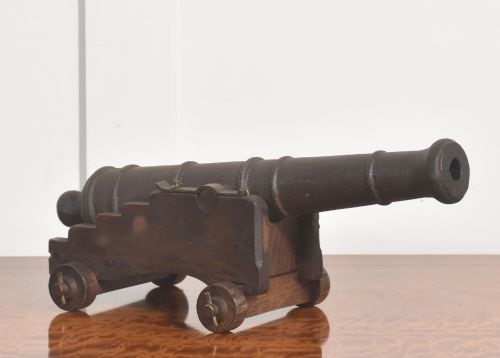
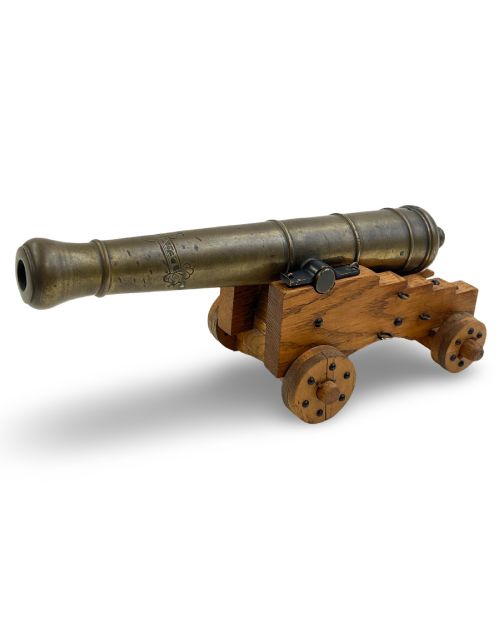
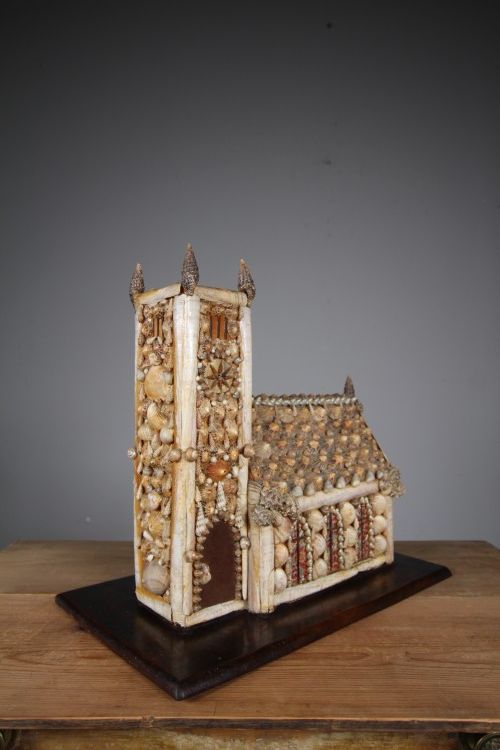
Folk art traditions heavily influence many of these items, producing charmingly direct interpretations of barques, clippers, and steam ships. Alongside sailing vessels, the category also embraces signal cannons, anchors, and shell work objects that populate the wider maritime decorative sphere.
How They Were Made
Wood serves as the primary structural medium, shaped into carved hulls, masts, and decks using traditional hand tools. Makers often employed pine and sycamore, finishing the surfaces with paint and canvas to simulate rigging and water.
Glass and brass frequently appear together to enclose and protect delicate diorama scenes from dust and moisture. Canvas and thread create the complex rigging found on multi-masted sailing ships, while cast iron and bronze form heavy signal cannons and marine anchors.
Listings feature 19th Century, Edwardian, and Victorian eras, utilising wood, paint, glass, and brass.
What Varies in Quality
Scale accuracy and the precision of the rigging separate fine professional builder examples from simpler folk art creations. The complexity of the surrounding diorama, especially painted seascapes with layered canvas waves, elevates the ambition of the piece.
Materials and proportions dictate the visual weight of a model, notably when heavy marble bases or detailed brass mountings support carved wooden hulls. Original surface patination on painted and varnished woods remains essential to the integrity of the object.
W. Grey & Co
The Antique Maritime Model Glossary
- Diorama
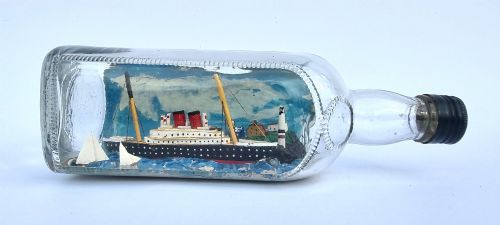
- A three-dimensional scene enclosed in a box or glass case, depicting ships at sea with painted backgrounds. These enclosures protected delicate thread rigging from damage.
- Half Hull Model
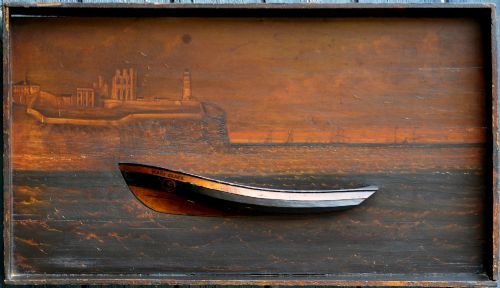
- A three-dimensional representation of one side of a ship, mounted on a backboard for display or design study. Ship builders utilised these to test hull lines before full construction.
- Pond Yacht
- A sailing model designed to be sailed on water, often featuring a heavy keel for stability. Larger examples measured several feet high with fully rigged canvas sails.
- Folk Art
- Objects created by self-taught makers outside formal academic traditions, using accessible materials like wood, paint, and thread. These pieces display individual interpretation rather than strict naval blueprint accuracy.
- Signal Cannon
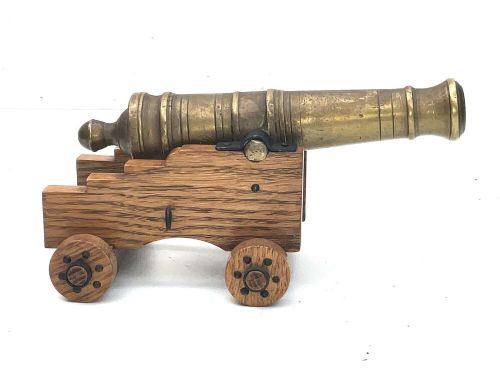
- A small metal ordnance piece cast in iron or bronze, used for firing blank charges to signal distress or celebrate occasions. They frequently sat on carved wooden carriages.
Antique Maritime Model: Frequently Asked Questions
What is an antique maritime model?
An antique maritime model is a handmade representation of a ship, pond yacht, or nautical scene produced during the nineteenth or early twentieth centuries. These objects range from working pond yachts to enclosed glass dioramas.
Craftsmen and sailors utilised wood, canvas, and metal to capture the appearance of actual vessels. They serve primarily as decorative objects today.
How were model ships displayed?
Makers frequently housed delicate sailing models inside glazed wooden shadow boxes or glass cases to protect the rigging. Larger pond yachts often included custom wooden display stands or marble bases.
Wall mounting or placement on mantelpieces and tables allowed owners to showcase detailed diorama scenes. The protective casing preserved the painted canvas seascapes and thread rigging over decades.
What is a ship diorama?
A ship diorama is a cased scene depicting a vessel or multiple ships positioned upon simulated water. Makers constructed the sea using sculpted canvas, painted wood, or plaster.
These pieces often captured specific maritime events, such as racing vessels or ships in full sail. The addition of glass fronts kept dust away from the intricate miniature decks.
How do I care for a model?
Display maritime models away from direct sunlight and excessive humidity to protect fragile wooden hulls and painted surfaces. Avoid touching thread rigging directly, as natural oils can weaken the material.
Dust glass cases gently with a soft cloth rather than using liquid cleaners near antique frames. Stable indoor temperatures prevent wood from warping and paint from flaking.