

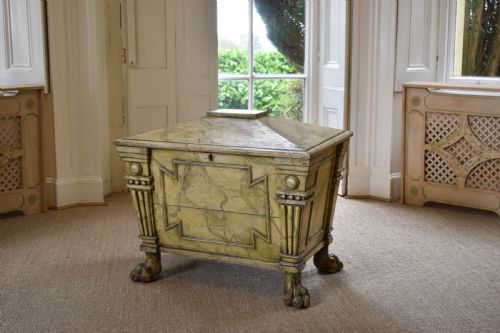
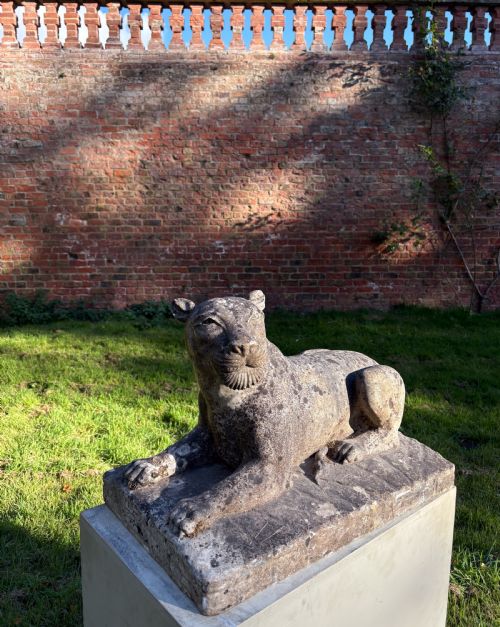
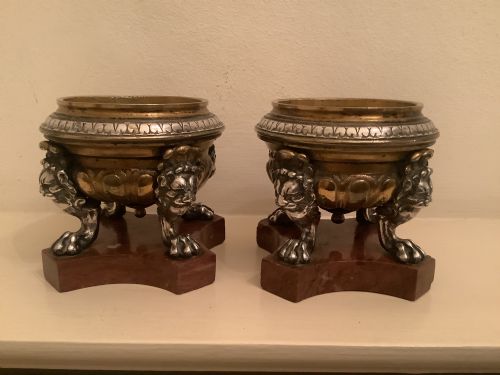
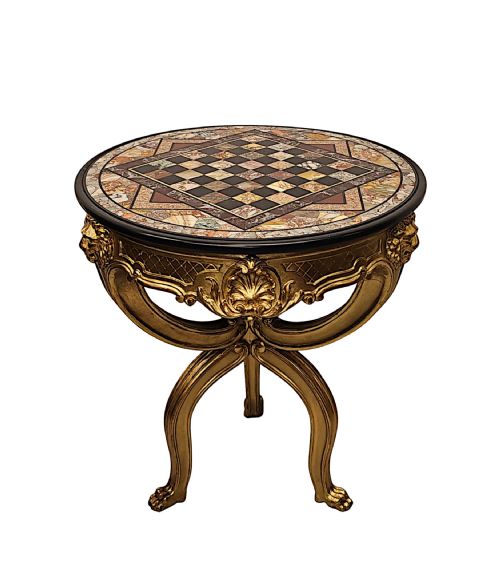


Antique Marble Lion
An antique marble lion brings classical weight and presence into a room, carved from solid stone or mounted as a bronze and marble desk accessory.
Antique Marble Lion
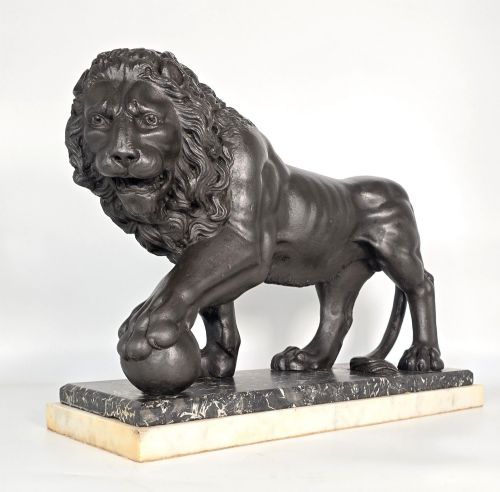
When you search for an antique marble lion, you encounter sculptural interpretations drawn from classical antiquity, often created during the nineteenth century Grand Tour. These figures range from monumental garden statuary to small mantel ornaments and inkstands.
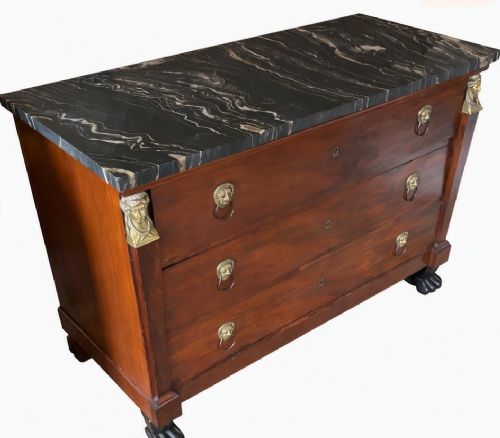
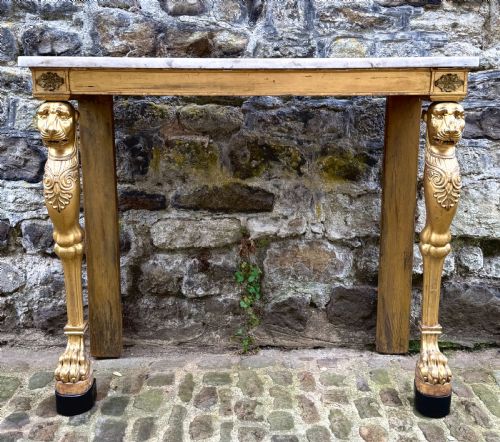
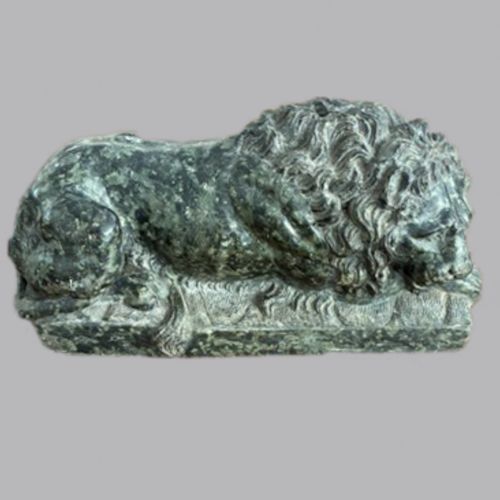
The versions you meet most frequently on this page include Grand Tour models of the Canova lions, Medici lions, and Capitoline lions, carved in Italy or France. Makers also incorporated lion details into console tables with marble tops and giltwood bases.
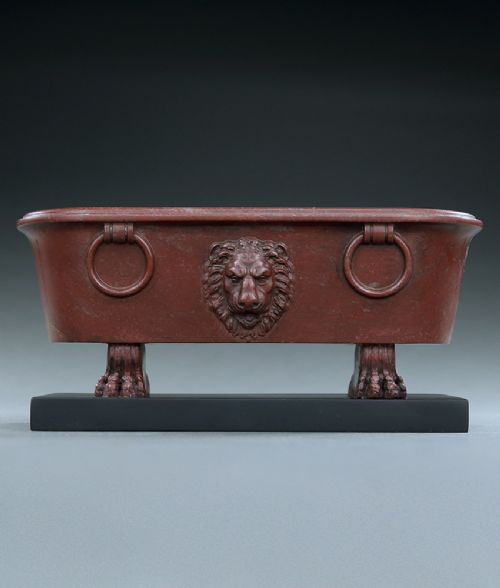
The materials span white Carrara marble, green hualien marble, and Rosso marble, frequently paired with bronze, ormolu, or giltwood supports. Pieces extend from the eighteenth century through to the Art Deco period.
How they were made
Carving solid marble required meticulous hand chiselling and polishing to achieve the musculature and facial expressions seen on these sculptures. Sculptors utilised various marbles including Carrara, Sienna, and serpentine.
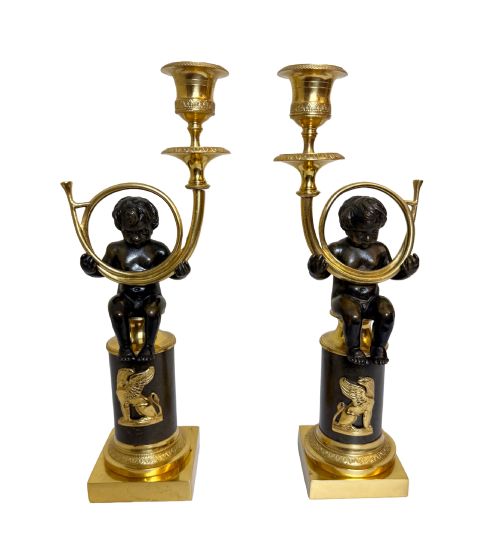
Many objects combine carved marble plinths or bases with cast bronze, brass, or ormolu mounts, joining stone and metal through precision fitting. Console tables integrate carved timber frames, such as giltwood or mahogany, beneath inset marble tops.
Antique Marble Lion Retail Price Guide 2026
Typical asking prices for marble lion among the pieces listed under this phrase on Sellingantiques today, from the lower quarter to the upper quarter. They describe what is for sale here now, not the wider market.
Materials recorded across these items include Carrara marble, serpentine, hualien green marble, ormolu, and giltwood.
What varies in quality
Jean Joseph Chapuis·Paul Édouard Delabrièrre
The Antique Marble Lion Glossary
- Grand Tour
- A traditional trip through Europe undertaken by upper-class Europeans, resulting in the acquisition of art and antiquities like marble lion sculptures. These souvenirs were typically purchased in Italy during the eighteenth and nineteenth centuries.
- Canova Lions
- Sculptures based on the monumental lions carved by Antonio Canova for the tomb of Pope Clement XIII in Rome. These recumbent feline figures became highly popular subjects for Grand Tour bronze and marble replicas.
- Ormolu
- Finely ground high-carat gold-bronze applied to decorative metal objects and furniture mounts. It provides a bright, durable golden surface alongside marble bases.
- Specimen Marble
- Multi-coloured decorative stones assembled using inlaid geometric or pictorial patterns. This technique appears on tabletops and desk accessories.
- Medici Lions
- A pair of marble lion sculptures, one original from classical times and the other a sixteenth-century pendant by Flaminio Vacca, displayed in Florence. Miniature copies in marble and bronze formed staple items for collectors.
Antique Marble Lion: Frequently Asked Questions
Where were antique marble lions displayed?
Owners placed these sculptures on desks, mantelpieces, or dedicated display plinths within libraries and drawing rooms. Larger versions stood in hallways or conservatories.
Desk ornaments like inkstands and bookends combined practical utility with sculptural form.
How do I care for antique marble?
Clean marble surfaces gently with a soft, dry cloth or a slightly damp sponge without harsh chemical detergents. Avoid acidic cleaners that etch the stone surface.
Protect the polished finish by placing felt pads beneath heavy bronze or marble objects.
How can I tell the period of a stone lion?
Examine the tool marks, weathering, and the type of marble used to gauge the likely era of manufacture. Eighteenth and nineteenth-century pieces often display hand-chiseled undersides and patination consistent with age.
Compare the sculptural style against known classical prototypes like the Canova or Medici models.