





Antique Marble Decor
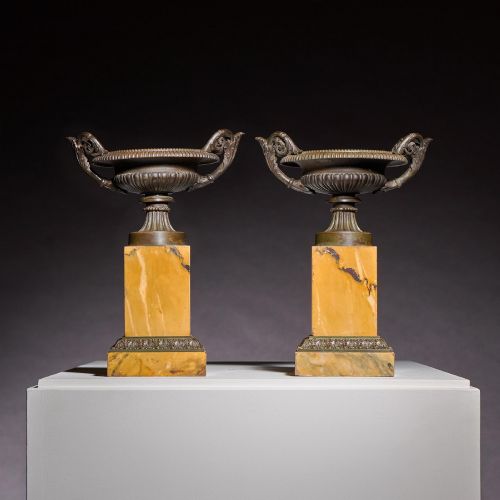
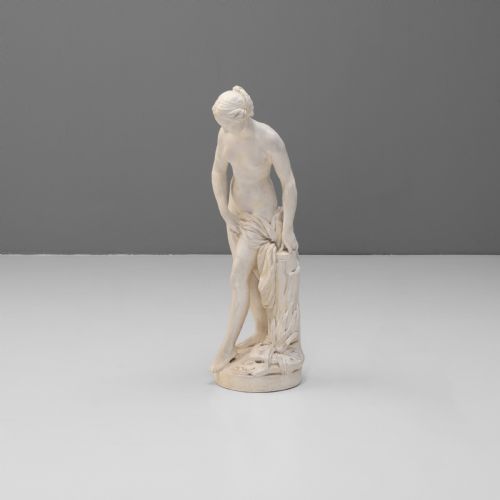
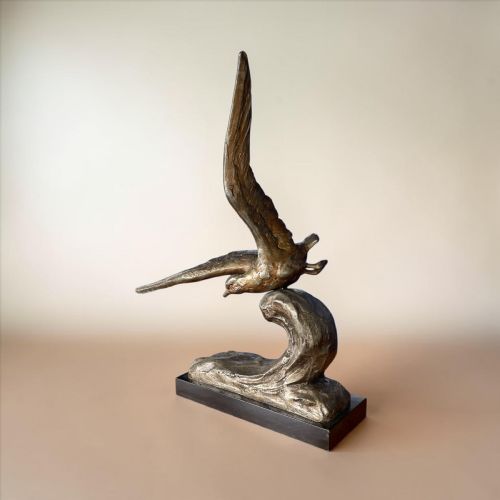
These pieces of antique marble decor bring heavy stone, cast bronze and classical ornament into domestic rooms.
Antique Marble Decor
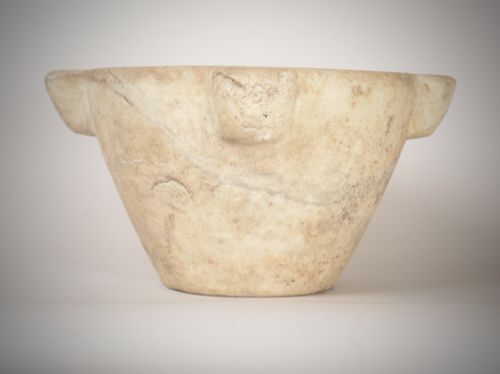
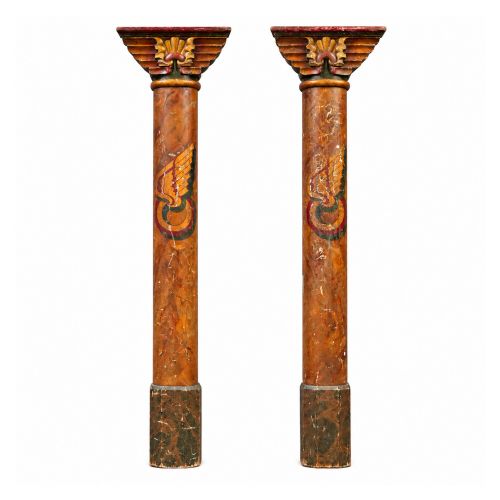
Antique marble decor encompasses a diverse range of ornamental objects, functional desk accessories, and sculptural works spanning from the eighteenth century through the Art Deco period. Buyers seeking these items encounter everything from monumental architectural columns and grand tour obelisks to utilitarian mortars and decorative bookends.
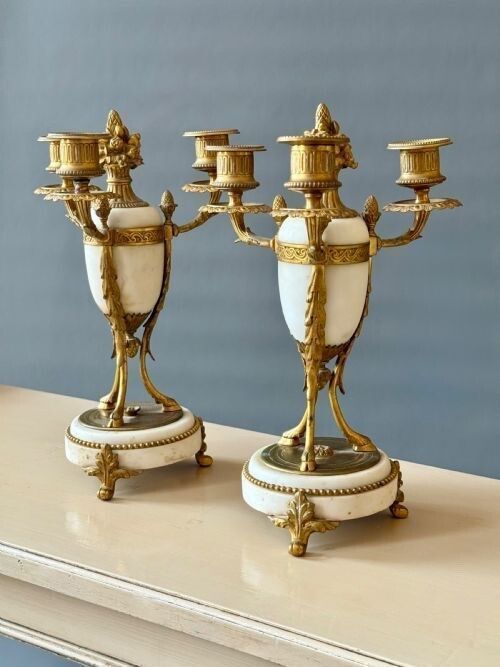
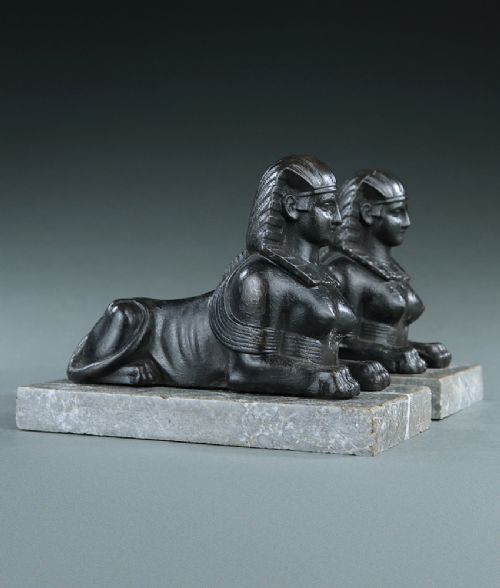
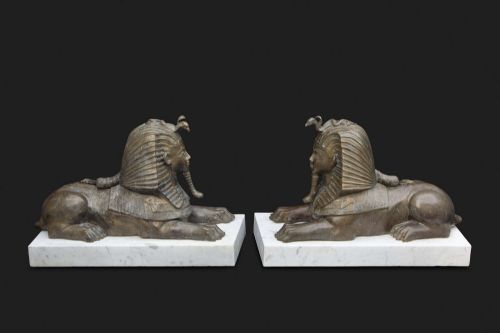
French Empire and Victorian examples frequently pair carved stone plinths with patinated or gilt bronze figures, sphinxes, and candlesticks. Italian specimen pieces and pietra dura objects also feature prominently, utilising varied coloured stones to create patterned surfaces.
Materials and construction methods
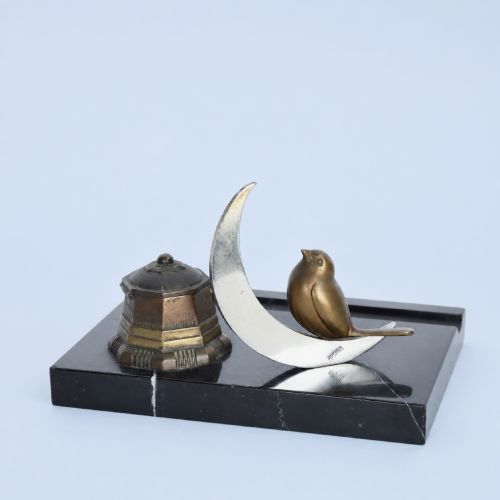
Makers utilised solid blocks of natural stone, including black marble, rouge griotte, sienna, and alabaster, shaping them on lathes or working them by hand for bases, columns, and vessels. These stone mounts were then drilled and fitted with cast metal elements fixed by threaded rods and screws.
Metal components such as spelter, brass, and bronze were cast utilising traditional foundry methods, subsequently finished with patination, silver plating, or mercury gilt. Finer decorative details on stone surfaces involved inlaying mosaic specimen marbles or carving low reliefs directly into the plaque.
Antique Marble Decor Retail Price Guide 2026
Typical asking prices for marble decor among the pieces listed under this phrase on Sellingantiques today, from the lower quarter to the upper quarter. They describe what is for sale here now, not the wider market.
Materials span patinated bronze, gilt bronze, and spelter paired with white, sienna, and rouge griotte marble.
Distinctions in quality
Superior examples demonstrate crisp definition in metal castings and precise, tight-fitting joinery between the stone plinth and mounted figures. Lesser specimens rely on softer base metals like spelter with painted rather than patinated finishes, showing less refined chisel work on the marble edges.
Michel Decoux·Feridah Francis Forbes Taylor·Joseph Gott
The Antique Marble Decor Glossary
- Pietra dura
- An artistic technique using cut and fitted, highly polished coloured stones to create decorative images or geometric patterns. It appears frequently on tabletops, paperweights, and decorative plaques from Italy.
- Ormolu
- Gilt bronze ornamentation applied to furniture, clocks, and stone bases, produced by coating bronze in a mercury and gold amalgam and heating it. The process creates a rich, durable golden surface.
- Grand Tour
- A traditional trip through Europe undertaken by upper-class young men in the eighteenth and nineteenth centuries to study classical art and architecture. Travellers routinely brought home small bronze sculptures, marble obelisks, and architectural models as souvenirs.
- Spelter
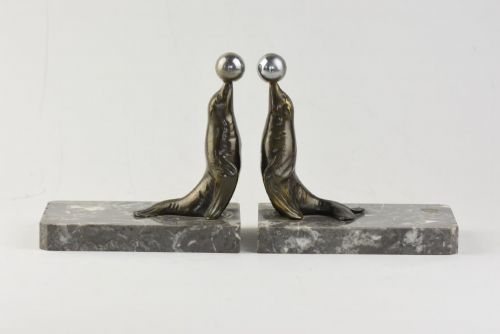
- An alloy of zinc and lead used as a cheaper substitute for bronze in decorative figures and bookends during the nineteenth and early twentieth centuries. It is softer and lighter than bronze, typically requiring a bronze-effect paint or patinated finish.
- Rouge Griotte
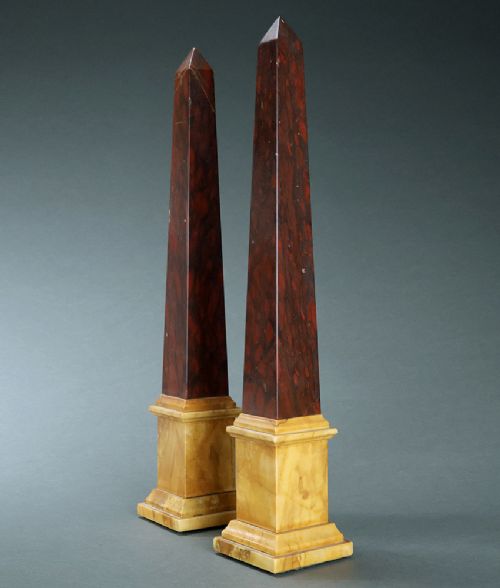
- A deep red, white-veined marble quarried in France, often utilised for nineteenth-century decorative items, obelisks, and clock cases. Its rich coloration made it popular for Neoclassical and Egyptian Revival designs.
Antique Marble Decor: Frequently Asked Questions
How do I clean antique marble decor?
Dust surfaces regularly with a soft, dry microfibre cloth to prevent particulate accumulation in carved recesses. Avoid commercial chemical cleaners, acidic substances, or excess water, which penetrate porous stone and damage patinated metal mounts.
For stubborn grime on unpolished stone, wipe gently with a damp cloth using mild neutral soap, then dry immediately. Wax polish can be applied sparingly to solid marble to maintain lustre, but keep it away from bronze and gilt elements.
Were these marble obelisks made during the Grand Tour?
Many nineteenth-century marble obelisks were indeed produced as souvenirs for travellers touring classical sites in Italy and Egypt. Workshops in Rome and Florence turned these out in various scales using local specimen marbles.
Distinguishing souvenir pieces from later decorative reproductions involves examining the wear on the stone base, the manual turning marks, and the presence of period mineral composition rather than modern synthetic resins.
What is Egyptian Revival decor?
Egyptian Revival is a decorative style that incorporates motifs from ancient Egyptian art, such as sphinxes, obelisks, scarabs, and pharaonic figures. It experienced several major revivals in Western design following archaeological discoveries, particularly during the Victorian era and the 1920s.
Pieces from this movement combine heavy patinated or gilt bronze castings with black marble, rouge griotte, or alabaster plinths to create dramatic contrasts and monumental presence.