




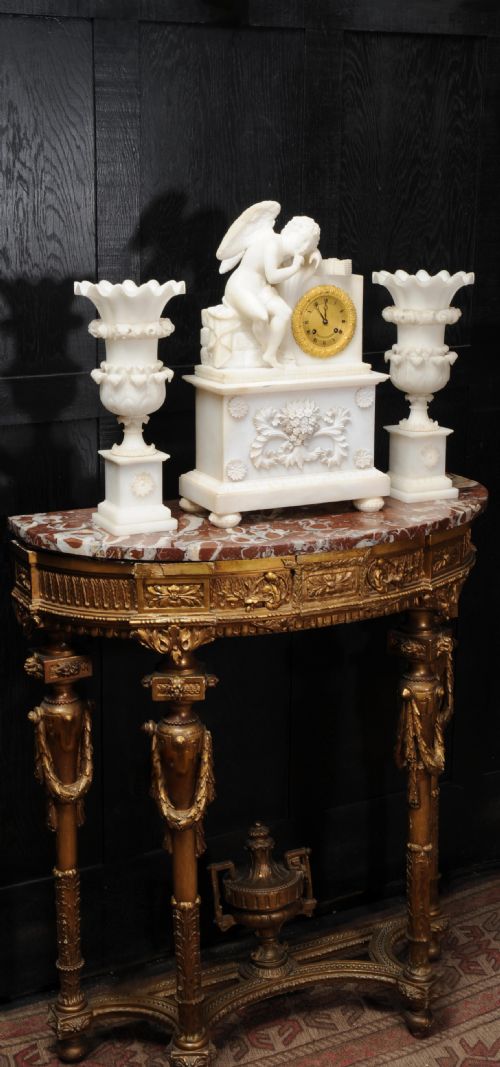


Antique Mantle Sculpture
These antique mantle sculpture pieces range from bronze animals to spelter figures, chosen to sit above a fireplace and bring character to a room.
Antique Mantle Sculpture
When you search for antique mantle sculpture, you encounter figures, busts, clock sets and animal studies designed to sit on a fireplace ledge. The selection spans the nineteenth century through the art deco period, taking in French neoclassical, art nouveau and Victorian tastes.
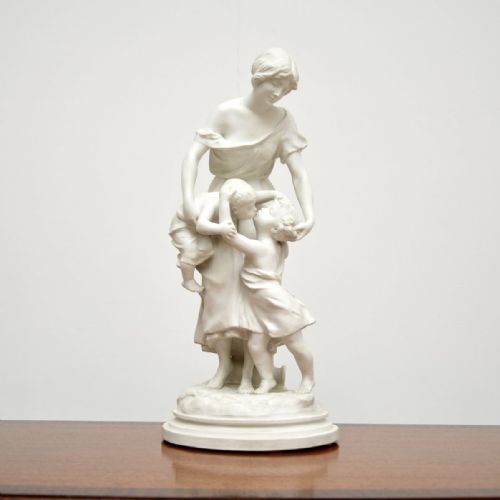
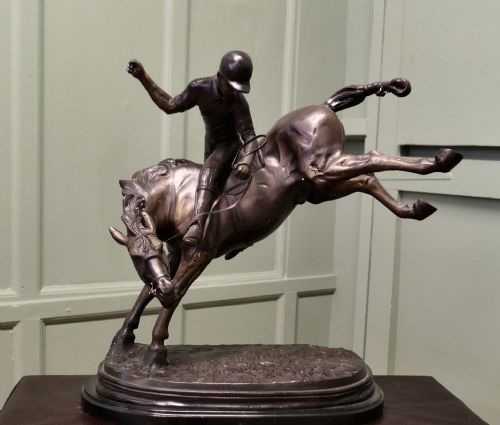
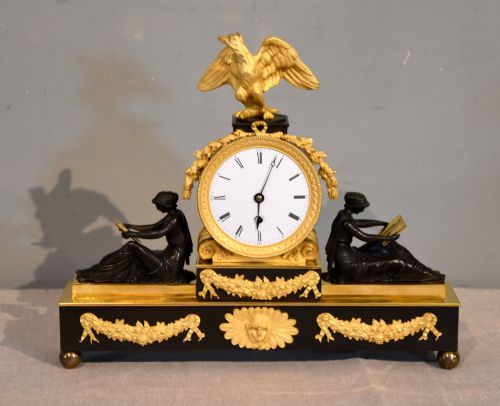
The objects take many forms, including cast metal dancers, terracotta fisher girls, bisque porcelain groups and architectural clock garnitures. Bronze hounds, horses and big cats appear alongside human figures cast in spelter or carved from alabaster.
French workshops dominate the origin of these pieces, often combining cast metals with marble bases. English makers contribute brass timepieces and carved mirrors intended for the same prominent display space.
Materials and construction methods
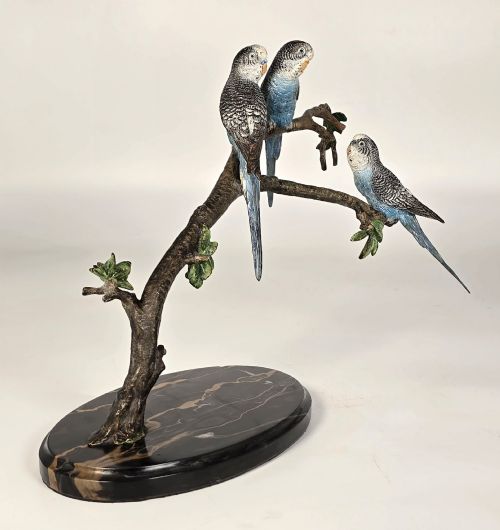
Foundries cast figures in bronze or spelter, frequently applying cold paint or gilt finishes to the metal surface. Spelter offers a lighter, more economical alternative to bronze, while marble and onyx provide heavy, stable bases for figures and clock garnitures.
Ceramic works utilise terracotta, bisque porcelain and earthenware, sometimes marked by notable European potteries and individual modellers. Alabaster and carved wood appear in specific pieces, relying on hand chiselling rather than metal casting.
Antique Mantle Sculpture Retail Price Guide 2026
Typical asking prices for mantle sculpture among the pieces listed under this phrase on Sellingantiques today, from the lower quarter to the upper quarter. They describe what is for sale here now, not the wider market.
Listings feature materials spanning bronze, spelter, marble, onyx, terracotta and bisque porcelain across nineteenth and twentieth-century French and English schools.
Judging the standard of manufacture
The crispness of the cast determines the definition in metal figures, separating sharp details in hair and drapery from soft, worn contours. Patination plays a role, with original applied finishes holding greater visual weight than later overpainting.
The integration of mixed materials matters, such as how firmly a metal figure mounts to its marble or onyx plinth. Heavier stone bases and signed foundry or artist stamps indicate a higher grade of production.
Luca Madrassi·Bernard Bloch·Ernst Whaliss·Auguste Moreau·Ugo Cipriani·Jean Jacques Pradier·Victor Paillard·Charles Anfrie·Andre Guilmet·Bohumil Rezl·Henri Ple·Etienne Maurice Falconet·L Bureau
The Antique Mantle Sculpture Glossary
- Spelter
- A zinc alloy used as a cost-effective substitute for bronze in nineteenth and early twentieth century figures. It takes patination well but remains softer than bronze.
- Bisque porcelain
- Unglazed ceramic fired to a matte, white finish resembling marble. It allows fine facial expressions and clothing folds to show clearly.
- Gilt bronze
- Bronze coated with a thin layer of gold, often termed ormolu in French pieces. It adds a lasting metallic sheen resistant to tarnishing.
- Clock garniture
- A set comprising a mantel clock flanked by matching decorative objects such as urns or candelabra. They form a unified display on a fireplace.
- Patina
- The surface sheen or colour acquired by metal, wood or stone through age and handling. A good patination shows the natural evolution of the material.
Antique Mantle Sculpture: Frequently Asked Questions
What periods do these sculptures come from?
The pieces span from the seventeenth century through the Victorian era and into the nineteen-thirties. Art deco and late nineteenth-century French styles appear frequently.
Dates are established through stylistic markers, material composition and occasional artist signatures or foundry marks on the base.
How do I style a sculpture on a fireplace?
Figures and clock sets rest safely on flat stone or wooden mantel ledges away from excessive direct heat. Heavier marble-based pieces provide stability on narrower shelves.
Pairing a central timepiece with matching side figures creates a balanced arrangement typical of nineteenth-century interiors.
Are spelter figures fragile?
Spelter is a softer zinc alloy than bronze, meaning fine extremities can bend if dropped or handled roughly. Bases and protruding limbs require careful support when moving the piece.
Cleaning involves dry dusting with a soft brush, avoiding chemical polishes that strip original surface patination.
How do I distinguish bronze from spelter?
Bronze carries more weight and shows a cooler, denser feel with a durable metallic structure underneath the patina. Spelter feels lighter and can reveal a greyish metal beneath chips in the finish.
Magnification often exposes casting seams or grain differences unique to each metal type.