






Antique Mantle Figurine
An antique mantle figurine brings character to a room, capturing figures, animals and historical subjects in bronze, porcelain, earthenware and marble.
Antique Mantle Figurine
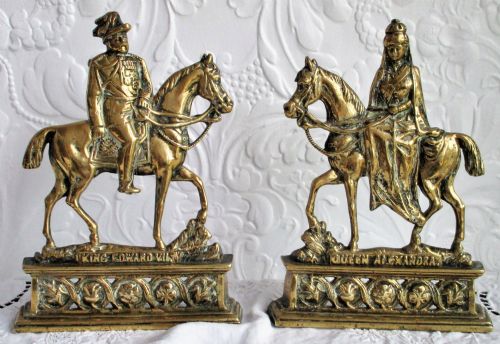
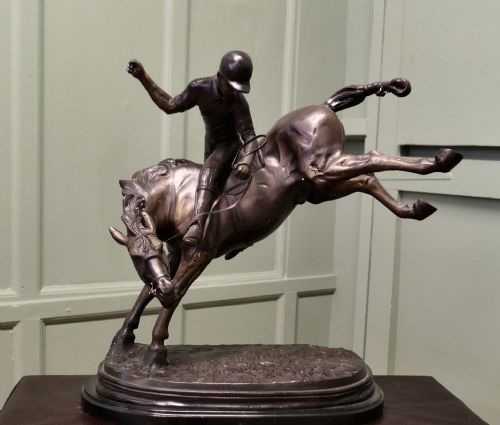
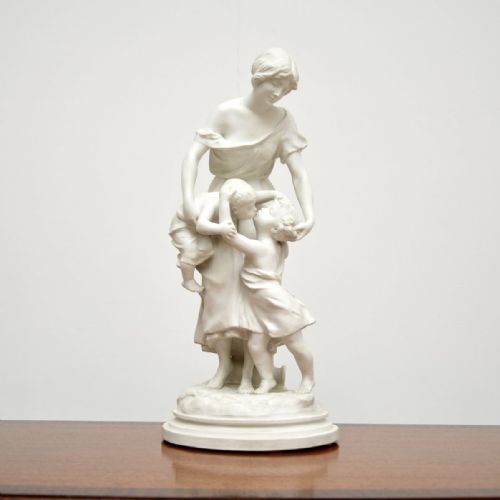
An antique mantle figurine stands on shelves and fireplaces, depicting human subjects, animals and literary scenes across various periods. These decorative works range from small Staffordshire pottery pairs to large French bronzes and delicate porcelain groups.
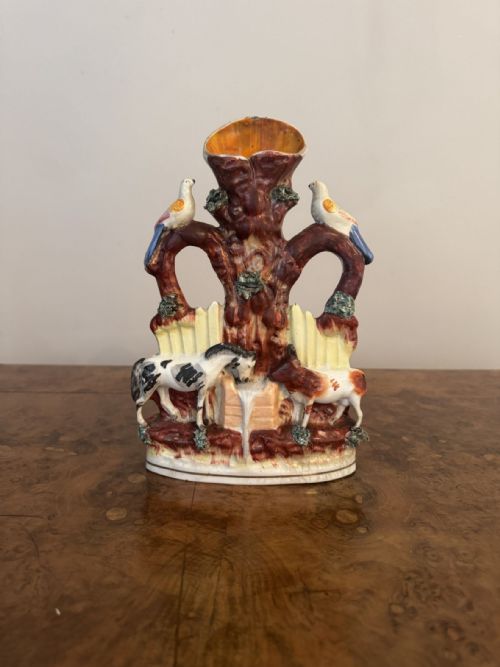
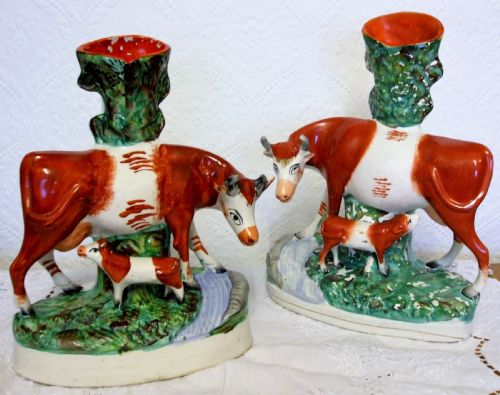
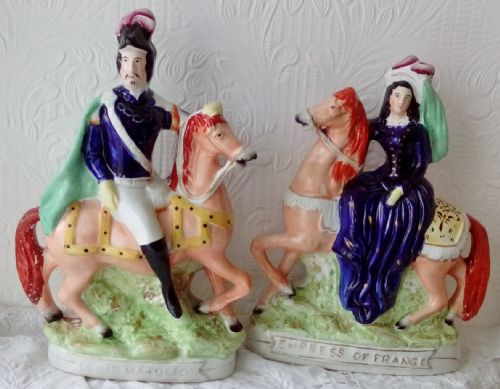
The selection here leans heavily towards nineteenth century Staffordshire figures, including spaniels, cows, sheep and historical portraits, alongside Art Deco bronzes and French bisque porcelain pieces.
Buyers encounter single figures as well as matched pairs designed to sit symmetrically at either end of a mantlepiece.
How they were made
Makers shaped these pieces using earthenware, porcelain, terracotta and bisque, applying glaze and enamel colours before firing. Earthenware figures often received hand-painted details over a white slip, while bisque porcelain remained unglazed for a matte, marble-like finish.
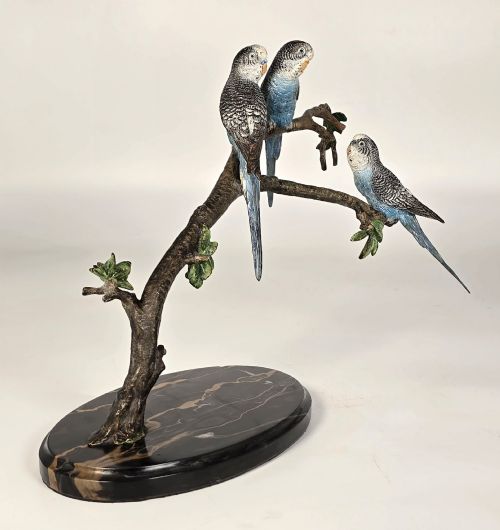
Metal pieces relied on bronze, spelter and silver plating, sometimes utilising cold painting for birds and animals or patination to bring out the depth of drapery and muscle structure.
Antique Mantle Figurine Retail Price Guide 2026
Typical asking prices for mantle figurine among the pieces listed under this phrase on Sellingantiques today, from the lower quarter to the upper quarter. They describe what is for sale here now, not the wider market.
Staffordshire poodles with tiny pups nestled at their feet bring a touch of Victorian domestic charm to the mantle.
What varies in quality
The skill of the modeller and painter dictates the success of a piece, separating lively portraits from stiff, generic output. Crisp moulding preserves the expression of a face and the texture of fabric or fur.
Original paint and glaze preservation matter greatly, as does the presence of matching pairs where factory-original symmetry and consistent firing temperatures unite the group.
Luca Madrassi·Bernard Bloch·Ernst Whaliss·Ugo Cipriani·Charles Anfrie
The Antique Mantle Figurine Glossary
- Bisque porcelain
- Unfired porcelain biscuit that receives a single high-temperature firing, leaving a porous, matte surface with no glossy glaze.
- Spelter
- A zinc alloy used as a cheaper alternative to bronze in decorative figures, often given a bronze-coloured metallic finish.
- Flatback
- A Staffordshire pottery figure moulded with a flat, undecorated rear side intended to sit flush against a wall or mantlepiece.
- Spill vase
- A hollow figurine incorporating a small cylindrical holder designed to store wooden spills used for lighting fires or pipes.
- Cold painting
- Application of unfired paint onto metal figures after casting and finishing, making the surface vulnerable to flaking over time.
Antique Mantle Figurine: Frequently Asked Questions
Were Staffordshire dogs meant for windows?
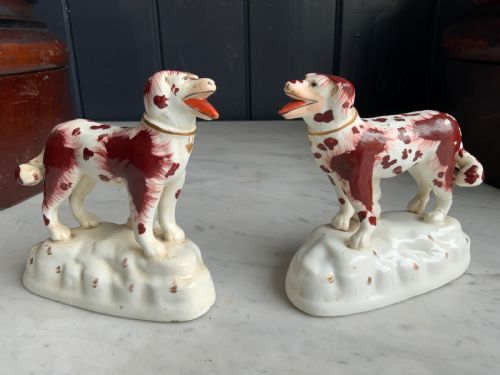
Pairs of spaniels often sat on cottage windowsills to signal visiting sailors that the man of the house was away.
Over time, these ceramic dogs became standard mantle ornaments flanking clocks and vases in Victorian homes.
What is the difference between bronze and spelter?
Bronze is a heavy copper alloy valued for its strength and ability to take fine detail and rich patination during casting.
Spelter uses zinc, making it lighter and more brittle, and requires a surface coating to imitate the appearance of bronze.
How do I spot a matched pair?
Matched pairs mirror each other in pose, subject and scale, intended to create visual balance on opposite sides of a hearth.
Check for consistent crazing, matching maker marks and identical clay bodies to confirm the two pieces originated together.