



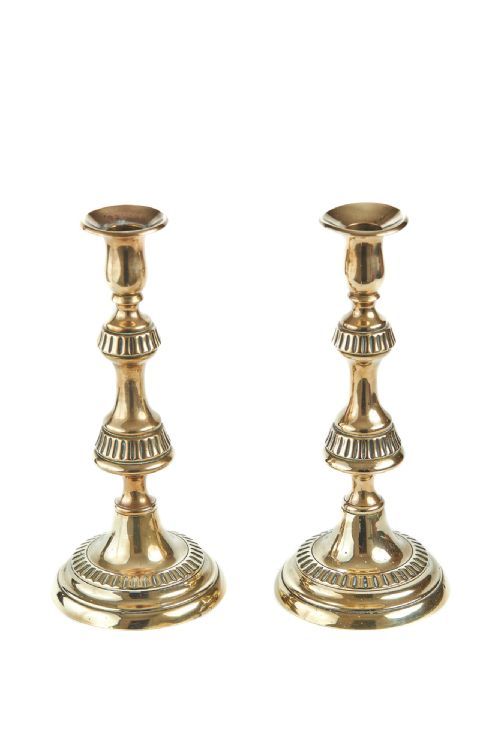


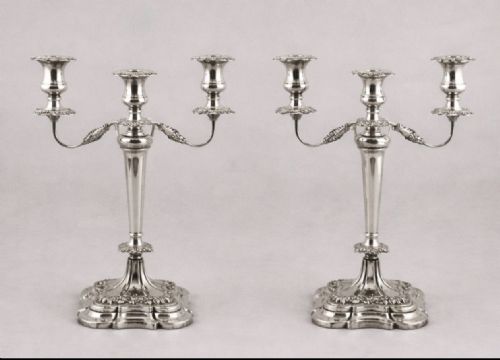
Antique Mantle Candle Holder
An antique mantle candle holder brings steady flame and sculptural weight to a room, drawing the eye with polished metal and hanging crystal.
Antique Mantle Candle Holder
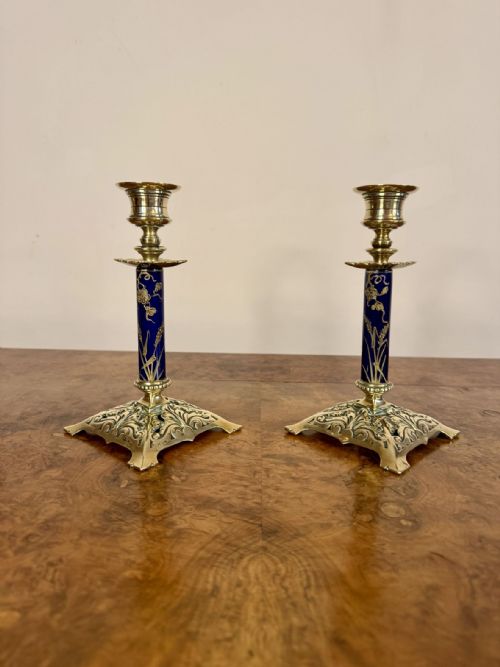
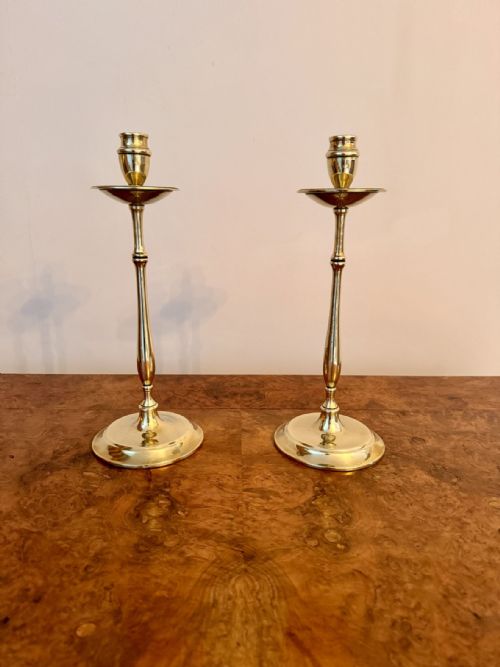
When you search for an antique mantle candle holder, you encounter a variety of lighting forms designed to sit upon a chimney shelf, sideboard, or pier table. The selections range from single candlesticks and multi-branched candelabra to pendant-hung mantle lustres.
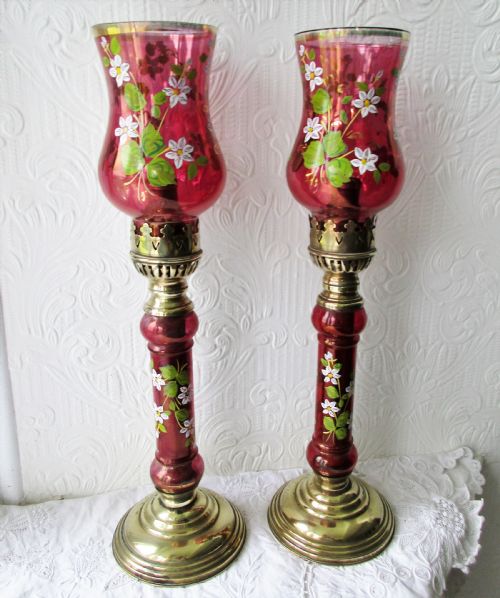
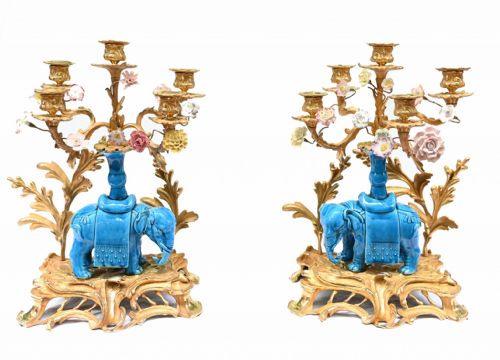
The material vocabulary spans cast brass, ormolu, and patinated bronze, alongside cut glass and ruby flash glass. Many examples pair metal stems with porcelain bodies, marble bases, or delicate glass storm shades.
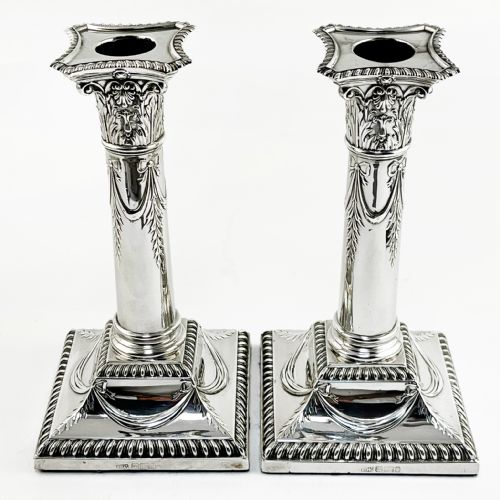
Most entries date from the nineteenth century, including Victorian and Regency eras, though mid-eighteenth-century seamed brass and later twentieth-century silver pieces also appear. Pairs dominate the selection, offering balanced symmetry for domestic display.
How they were made
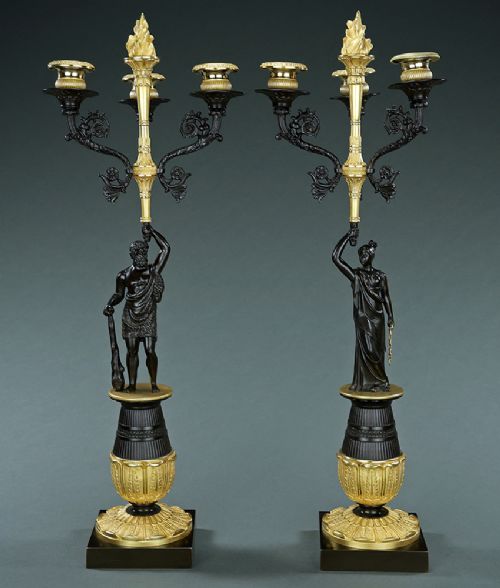
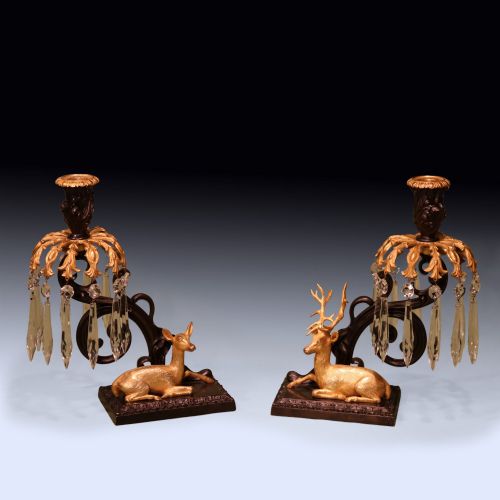
Metal components rely on foundry casting and subsequent hand-finishing, utilising brass, bronze, or ormolu to achieve crisp architectural details and figural motifs. Surface treatments alternate between polished sheens, silver plating, and dark patination.
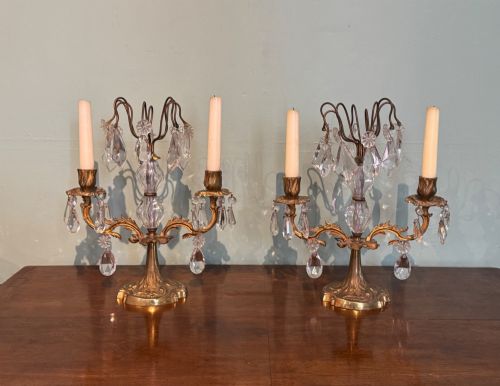
Glass elements depend on skilled blowing, cutting, and flash staining, particularly in ruby glass mantle lustres adorned with crystal drops. Components are often joined mechanically with threaded rods, securing glass bobeches and metal arms together.
Antique Mantle Candle Holder Retail Price Guide 2026
Typical asking prices for mantle candle holder among the pieces listed under this phrase on Sellingantiques today, from the lower quarter to the upper quarter. They describe what is for sale here now, not the wider market.
The listings span multiple centuries, uniting mid-eighteenth-century seamed brass with Victorian ruby glass lustres and twentieth-century silver pieces.
What varies in quality
The distinction between ordinary and exceptional work rests on the crispness of the casting and the depth of the chased detail. Heavier gauge metals and finely faceted crystal drops separate master foundry production from routine commercial output.
Proportion and integrity dictate value, where matching pairs retain their original components, storm shades, and crystal pendants without replacement parts or mismatched branches.
Wm. Tonks & Sons
The Antique Mantle Candle Holder Glossary
- Candelabra
- A branched candlestick holding multiple lights. These fixtures often feature removable arms to convert a multi-light base into a single candlestick.
- Mantle Lustre
- A decorative table vase or candle holder hung with cut glass prisms. The crystal pendants refract ambient light and flame.
- Ormolu
- Gilded bronze produced by applying a mercury and gold amalgam to a bronze base. This technique creates a rich golden finish characteristic of French Empire and Regency decorative metalwork.
- Bobeche
- A small collar or drip pan fitted beneath the candle nozzle. It catches falling wax and often suspends glass lustre drops.
- Ejector
- A mechanical internal sleeve inside a candlestick shaft used to push out the remnants of a candle stub. These are particularly common on mid-eighteenth-century brass examples.
Antique Mantle Candle Holder: Frequently Asked Questions
What is the difference between a candlestick and a candelabra?
A candlestick supports a single vertical candle nozzle on a central stem. A candelabra branches out from the main shaft to hold multiple candles simultaneously.
Both forms serve the same domestic lighting function, but candelabra provide greater illumination and a more formal silhouette on a mantlepiece.
How do I identify a mantle lustre?
Mantle lustres are distinguished by a central glass or porcelain vase body fitted with a ring of hanging crystal prisms. They often incorporate candle sockets at the top, though some function purely as decorative mantel ornaments.
The presence of cut glass pendant drops distinguishes them from standard candlesticks or vases.
Were these holders meant only for candles?
Most mantle lighting from the eighteenth and nineteenth centuries was designed strictly for wax or tallow candles. Glass storm shades were occasionally added to shield the flame from drafts in open rooms.
Later Victorian examples sometimes adapted to early artificial lighting methods, but traditional candle sockets remain the standard configuration.
How should I clean antique brass and glass?
Antique brass benefits from gentle dusting and occasional cleaning with a non-abrasive cloth to preserve its natural patination. Aggressive chemical polishes can strip away historical surface colour and age.
Crystal drops and glass lustres can be washed carefully in lukewarm soapy water while detached from the metal body, then dried thoroughly before rehanging.