
Antique Mantel Wall Mirror
When you search for an antique mantel wall mirror, you are looking at substantial decorative glass designed to anchor a room.
Antique Mantel Wall Mirror
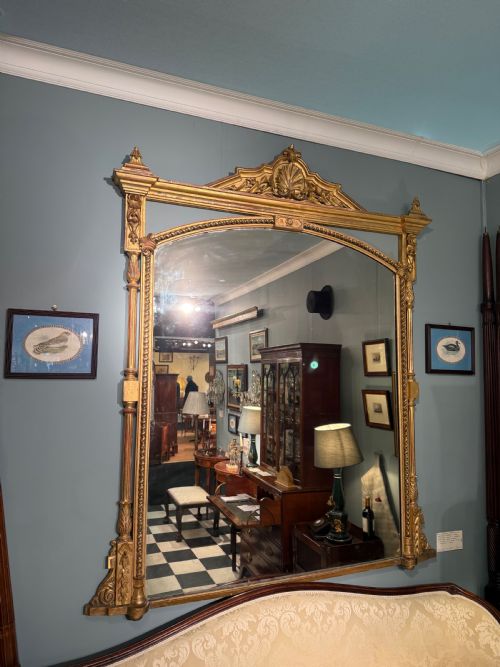
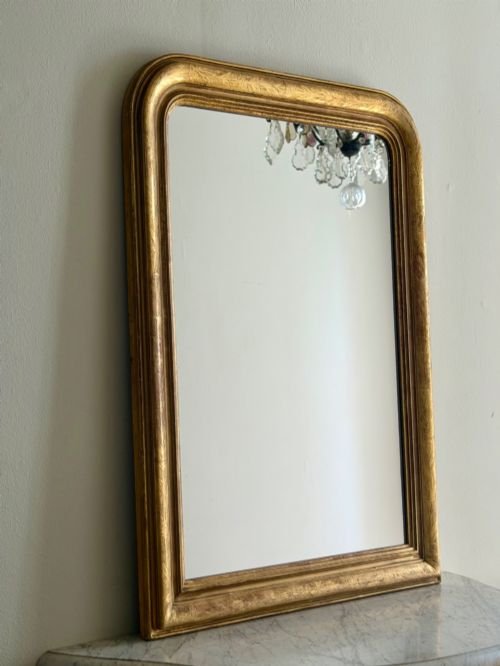
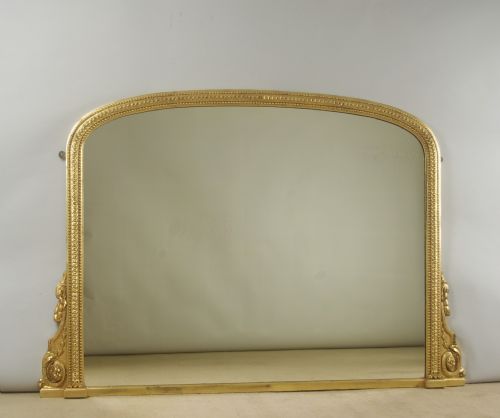
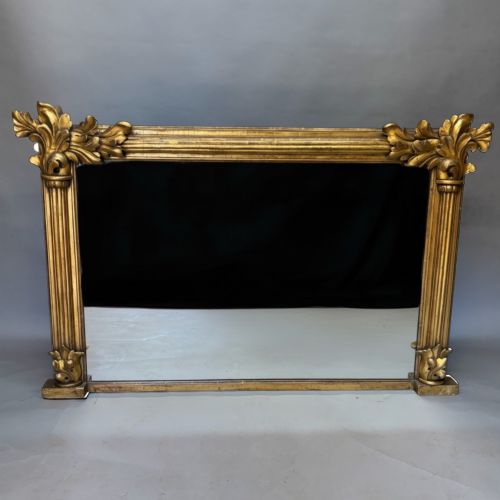
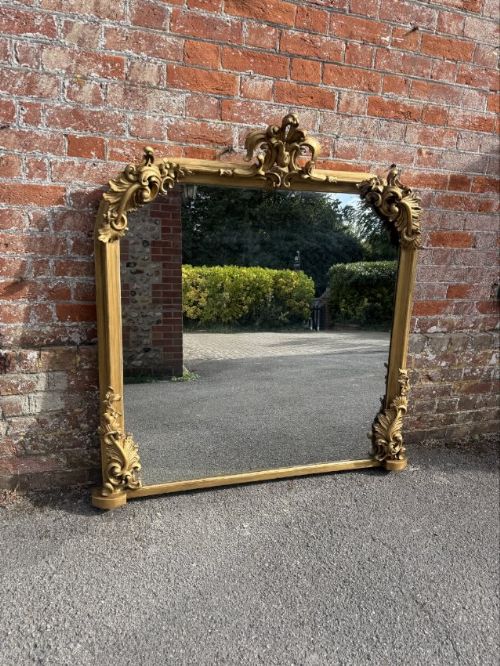
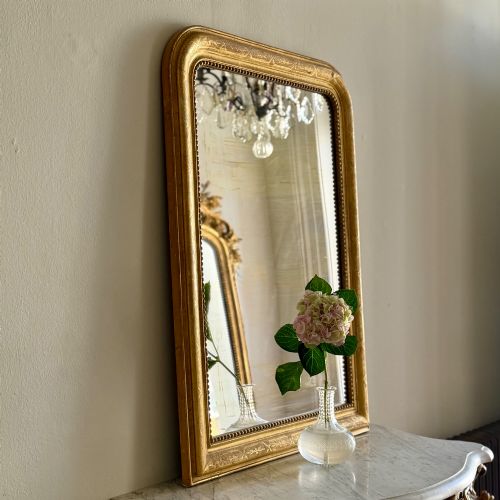
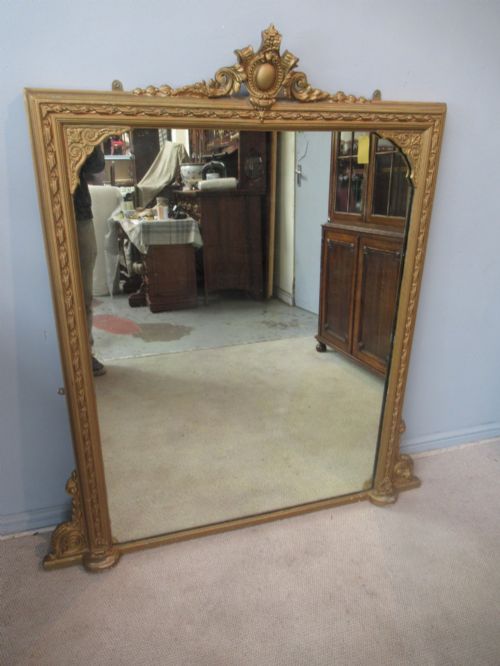
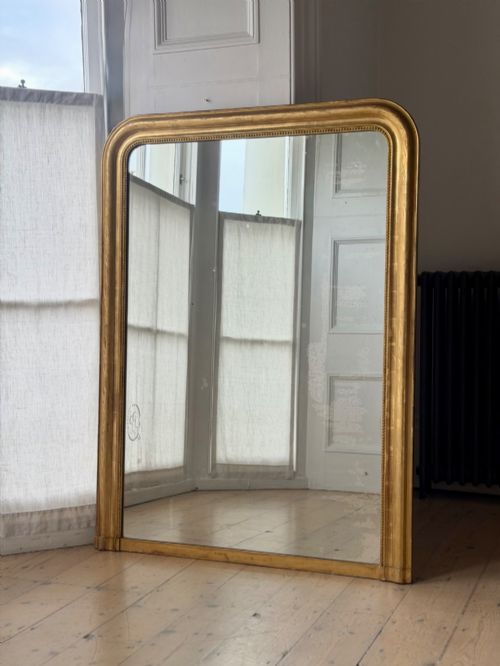
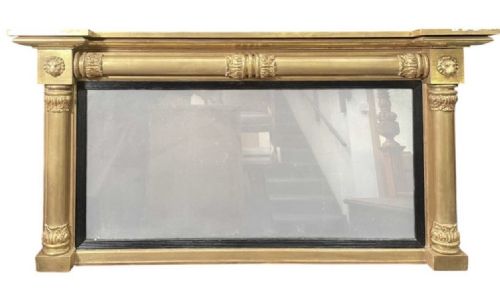
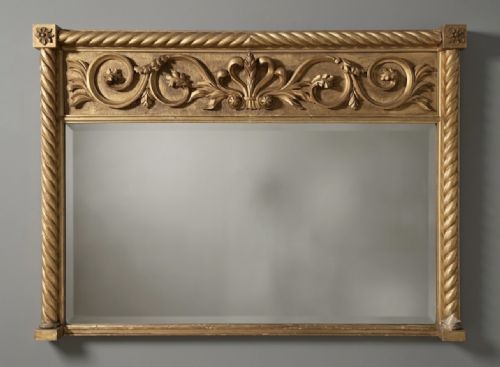
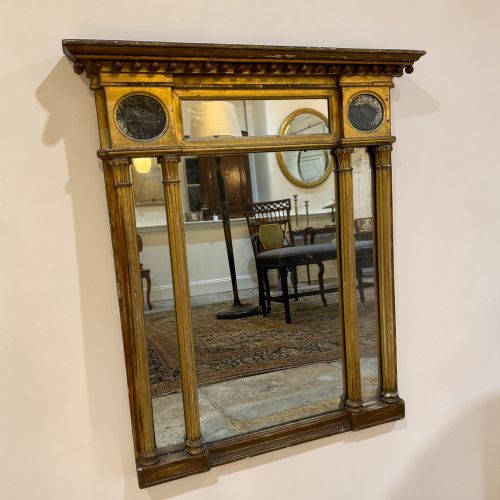
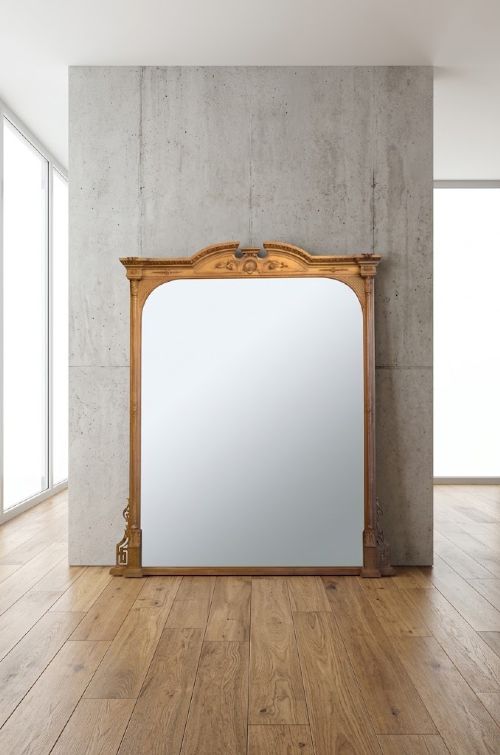
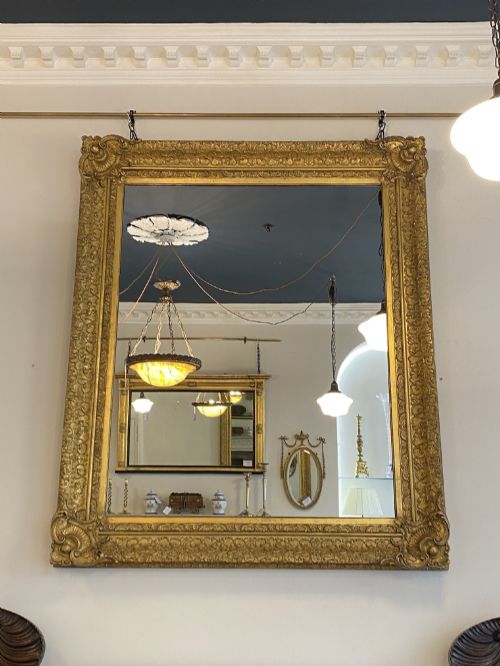
These items encompass large overmantel mirrors, pier mirrors and wall mirrors originating predominantly from the nineteenth century, including Georgian, Regency and Victorian eras. An antique mantel wall mirror typically spans a significant height and width, designed to sit directly above a fireplace hearth or anchor a primary wall space. Pieces range from architectural English giltwood designs to ornate French chateau models and smaller provincial variations.
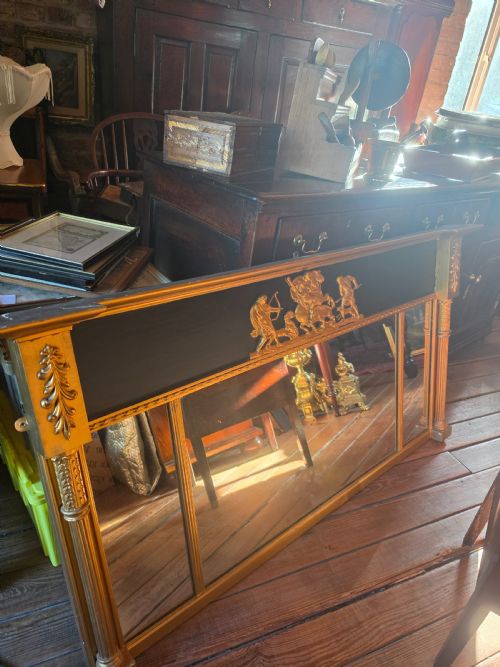
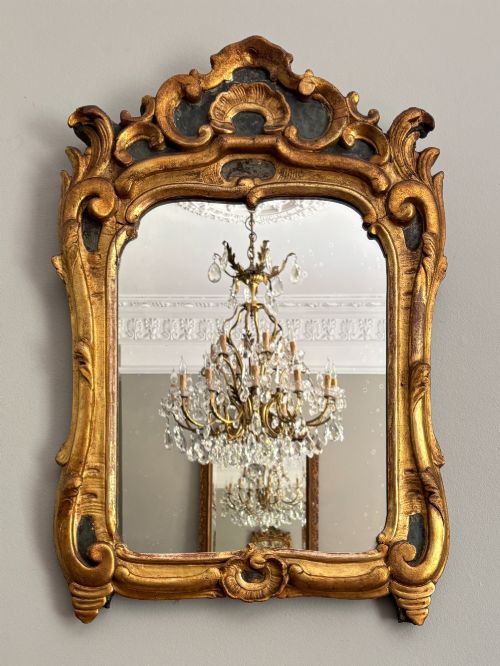
The physical form varies from rectangular arched tops to oval shapes and triple plate constructions. Examples include carved wooden frames, ebonised surfaces and classical crests reflecting period revivals such as Louis Philippe, Rococo and Chippendale styles. Buyers encounter both English workshop pieces and continental imports carrying distinct regional ornamentations.
Materials and construction methods
Makers constructed the primary support frameworks using carved wood, including mahogany and walnut, overlaid with gesso to receive intricate surface decoration. Artisans applied gold leaf, liquid paint or giltwood finishes to create the metallic lustre characteristic of formal period rooms. Certain continental works incorporated specialised palettes such as layered lilac and ink blue alongside traditional black and gold schemes.
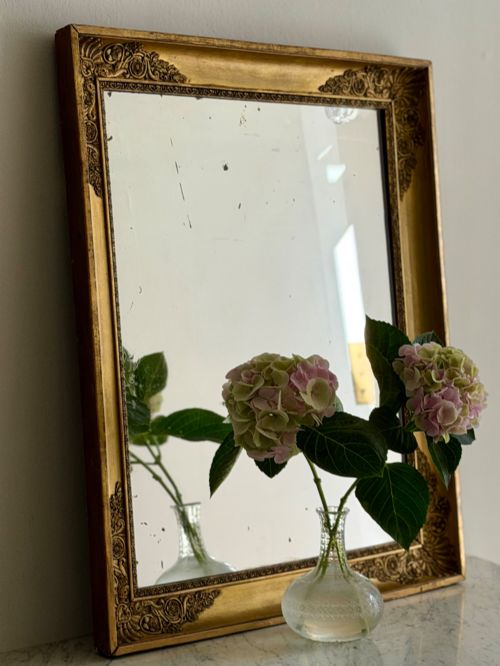
Reflective surfaces relied upon mirror glass, occasionally featuring mercury backing in earlier examples or developing characteristic foxed ageing over decades. Frames frequently utilised carved joinery, fretwork or rope twist details, secured with original backboards and timber pins.
Several mirrors include nautical rope twist frames, offering a subtle maritime touch for inland rooms.
Factors influencing execution and finish
The distinction between standard examples and exceptional works lies in the depth and precision of the carved gesso and woodwork. Superior pieces exhibit crisp relief mouldings, balanced proportions and harmonious integration of crests or architectural pediments without heavy restoration.
Originality of components heavily dictates the character of the mirror plate. Surviving mercury glass or undisturbed foxing retains historical authenticity, whereas later replacement plates alter the reflective depth and visual integrity of the frame.
S T Townshend Norwich
The Antique Mantel Wall Mirror Glossary
- Overmantel
- A large mirror specifically proportioned to hang on the wall directly above a mantelpiece or fireplace. These items often feature horizontal or arched formats designed to complement the width of the hearth below.
- Gesso
- A plaster-like mixture applied to wooden frame foundations to create a smooth surface for carving and gilding. Artisans sculpted intricate relief decorations directly into this material before applying gold leaf.
- Pier Mirror
- A tall, narrow mirror designed to be hung on the wall space between two windows or above a console table. They maximise natural light reflection in period reception rooms.
- Mercury Glass
- An older silvering technique utilising a mixture containing mercury poured behind glass panes. This method creates a warm, mottled reflection distinct from modern vacuum-silvered glass.
- Giltwood
- Timber that has been coated with thin sheets of gold leaf or metallic powder. It provides a durable, reflective surface characteristic of formal nineteenth-century interior furnishings.
Antique Mantel Wall Mirror: Frequently Asked Questions
How do I hang a heavy antique mirror safely?
Secure the frame directly into wall studs using heavy-duty brackets designed to support substantial weight. Many historical pieces require professional installation due to the dense combination of wood, gesso and thick glass.
Distribute the load evenly across the structure rather than relying solely on original hanging rings or cords attached to the backboards.
What is the difference between an overmantel and a pier mirror?
Overmantel mirrors are proportioned wider to span the length of a fireplace mantel, whereas pier mirrors are built tall and narrow to fit wall spaces between windows.
Both serve distinct architectural functions within period interior design schemes.
How should I clean antique mirror glass?
Wipe the glass gently using a soft, dry microfibre cloth to remove dust without disturbing delicate edges. Avoid spraying liquid cleaners directly onto the surface, as moisture can seep behind the glass and damage historical backing materials.
For stubborn marks, apply a minimal amount of distilled water to the cloth rather than chemical solvents.
Why do some antique mirrors have dark spots?
Dark spots and foxing occur naturally as the silvering or mercury backing degrades over extended periods of time. This chemical ageing process develops organically and is valued by collectors as a sign of genuine antiquity.