



Antique Mantel Decoration
An antique mantel decoration brings Victorian and late nineteenth-century character to a room, offering everything from ruby glass lustres to bronze vases.
Antique Mantel Decoration
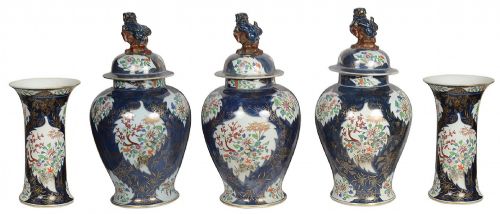
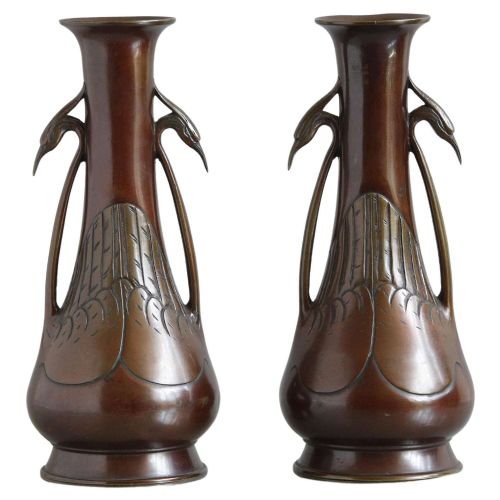
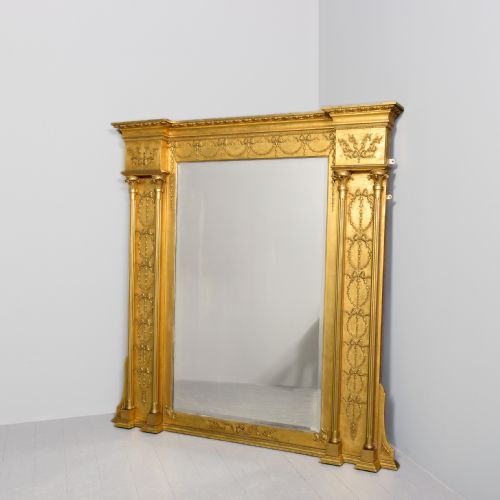
When you search for an antique mantel decoration, you are looking at nineteenth-century ornaments designed specifically to sit upon a fireplace surround. These items range from pairs of ruby and yellow glass lustres to neoclassical overmantel mirrors and bronze vases.
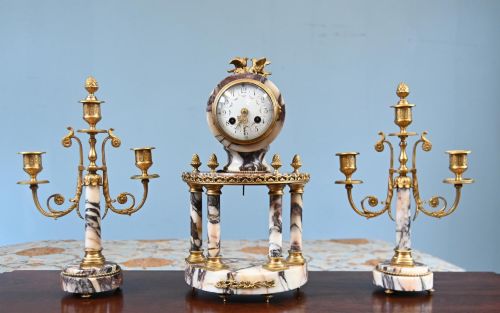
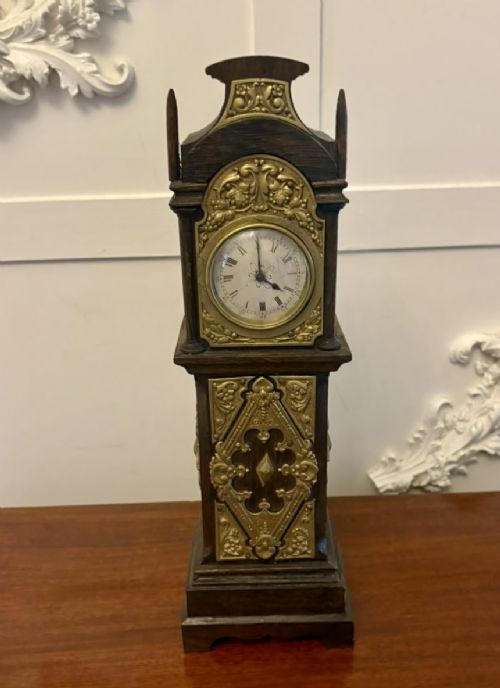
The versions you are most likely to meet on this page hail from the Victorian era and the closing decades of the nineteenth century. They include mantel lustres, decorative urns, library busts, and clock sets originating from English, French, Japanese, and Bohemian workshops.
How they were made
Makers utilised cast and chased brass, ormolu, and copper to form sturdy metallic bodies, frequently pairing them with hand-blown glass such as ruby, cranberry, and overlay varieties. Giltwood and oak provide the structural framework for larger architectural forms like overmantel mirrors.
Surface ornamentation relies on applied gold leaf, polychrome enamel painting, and detailed chasing. Porcelain elements draw on Famille Rose and Imari traditions, while plaster creates classical library busts.
Antique Mantel Decoration Retail Price Guide 2026
Typical asking prices for mantel decoration among the pieces listed under this phrase on Sellingantiques today, from the lower quarter to the upper quarter. They describe what is for sale here now, not the wider market.
What varies in quality
The standard of an antique mantel decoration rests upon the crispness of its hand-chased metalwork and the depth of colour in its glass or porcelain. Superior examples display precise brushwork on enamelled surfaces and clean, unblemished casting on bronze and ormolu mounts.
The completeness of matching pairs, particularly in glass lustres with their suspended crystal prisms, sets finer pieces apart from assembled or incomplete groups.
The Antique Mantel Decoration Glossary
- Mantel lustre
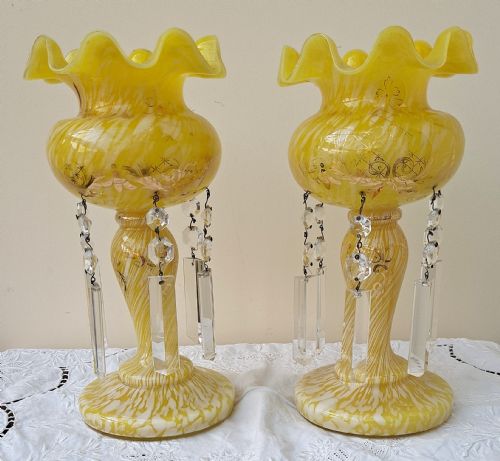
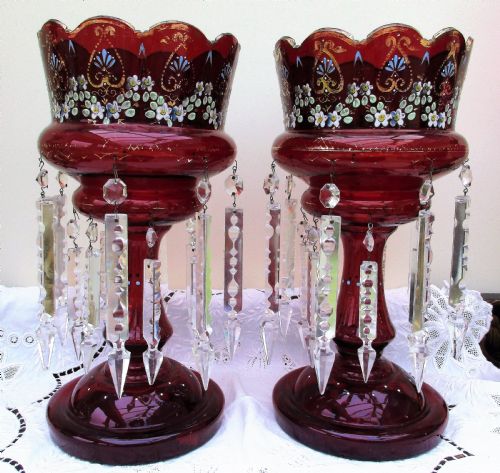
- A decorative glass or porcelain vase fitted with hanging crystal prisms that catch the candlelight. These pieces were standard ornaments on nineteenth-century fireplaces.
- Overmantel mirror
- A large wall mirror designed to be hung directly above a mantelpiece. They often feature neoclassical decorations and heavy giltwood frames.
- Ormolu
- Finely chopped or powdered high-karat gold applied to a bronze base using a mercury amalgamation process. This technique gives mounts a rich, warm metallic lustre.
- Garniture
- A set of three or more matching decorative objects, typically vases or urns, displayed together on a shelf or mantel. They originated in traditional Chinese and European interiors.
- Flatback figure
- A ceramic figurine with a detailed front and a flat, unpainted back meant to sit flush against a wall or mantel. Staffordshire potteries produced many Scottish and historical subjects in this manner.
Antique Mantel Decoration: Frequently Asked Questions
What is a mantel lustre?
A mantel lustre is a decorative glass or porcelain vase hung with cut crystal drops designed to reflect light from lamps or candles. Victorian households placed pairs of these ornaments centrally on the fireplace shelf.
They were prized for their bright colours, such as ruby, cranberry, and yellow glass, which added rich hues to domestic interiors.
How do I style an overmantel mirror?
An overmantel mirror is hung directly above the fireplace shelf to reflect natural light and make a room feel larger. These nineteenth-century giltwood frames sit well above a collection of smaller decorative objects.
Keep the items placed on the mantel shelf in proportion to the width of the mirror frame above them.
What materials were used for Victorian fireplace ornaments?
Victorian fireplace ornaments were made from a wide variety of materials including coloured glass, cast bronze, brass, copper, and porcelain. Ormolu mounts and gold leaf accents added rich metallic highlights to the designs.
Other pieces utilised carved oak, plaster for classical library busts, and giltwood for large architectural mirrors.
Are mantel decorations sold in pairs?
Many nineteenth-century mantel decorations, particularly glass lustres, bronze vases, and brass urns, were made and sold as balanced pairs. Symmetrical placement on either side of a clock or centrepiece was standard practice for fireplace displays.
Single items such as flatback figures and large clock sets also served as standalone focal points on the mantel.