


Antique Mantel Decor
These antique mantel decor items bring period character to a fireplace, most commonly seen as pairs of candlesticks, vases, and figures from the nineteenth century.
Antique Mantel Decor
When searching for antique mantel decor, buyers encounter a diverse selection of ornamental objects designed to sit upon a fireplace shelf. The inventory spans from the nineteenth century into the early twentieth century, incorporating Victorian, Edwardian, and Regency examples alongside Continental and Asian imports.
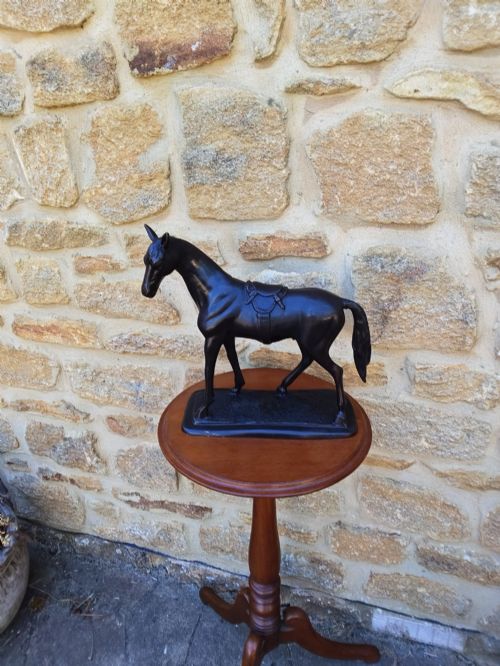
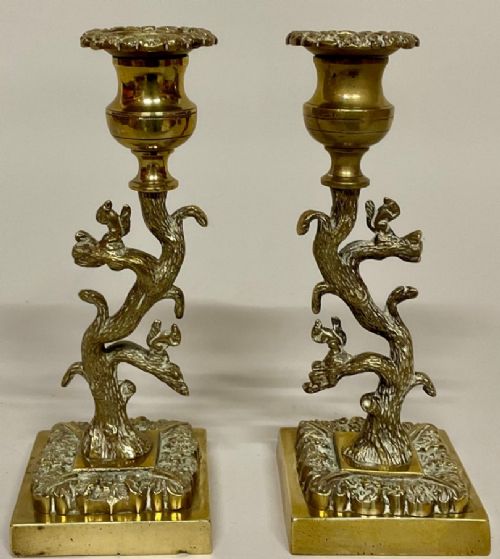
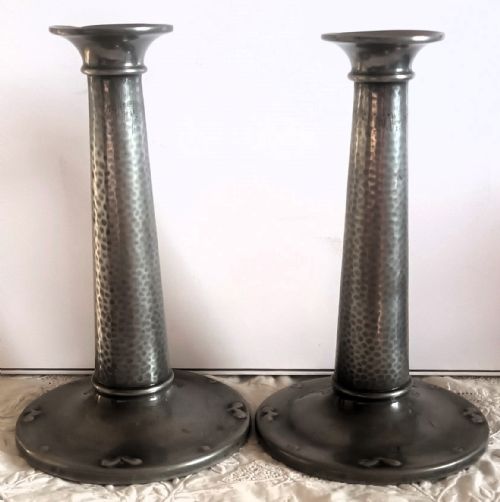
The most common forms on this page are pairs of candlesticks, decorative urns, spill vases, and small sculptures cast in bronze, brass, or carved from marble and wood. These functional and decorative pieces reflect the domestic tastes of past centuries, often designed in matching pairs to frame a clock or mirror.
Materials and construction methods
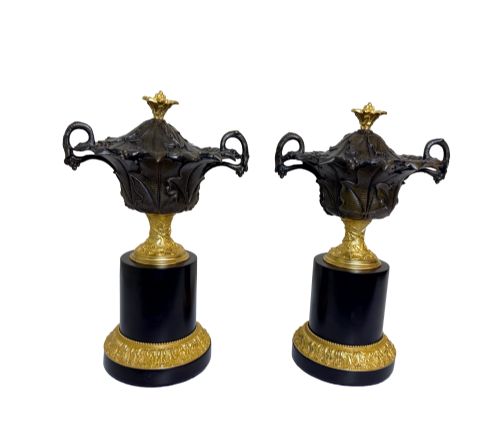
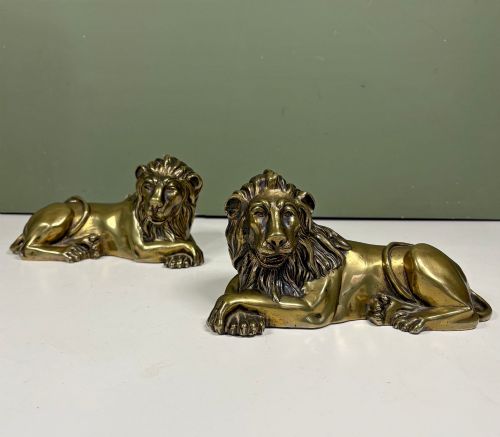
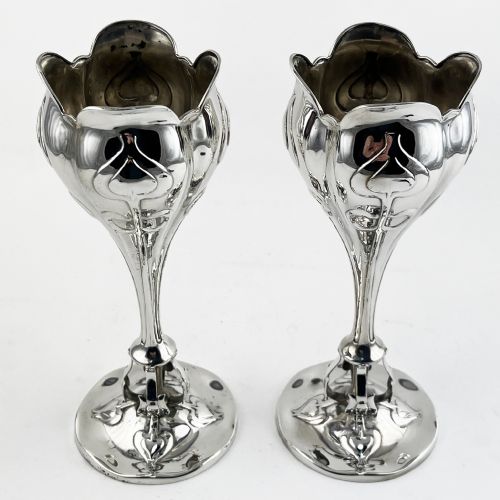
Metals form a significant portion of these items, utilising bronze, gilt bronze, brass, pewter, and silver shaped through casting and chasing. Artisans combined these metals with other media, mounting bronze figures and ornaments onto heavy marble or sienna marble plinths.
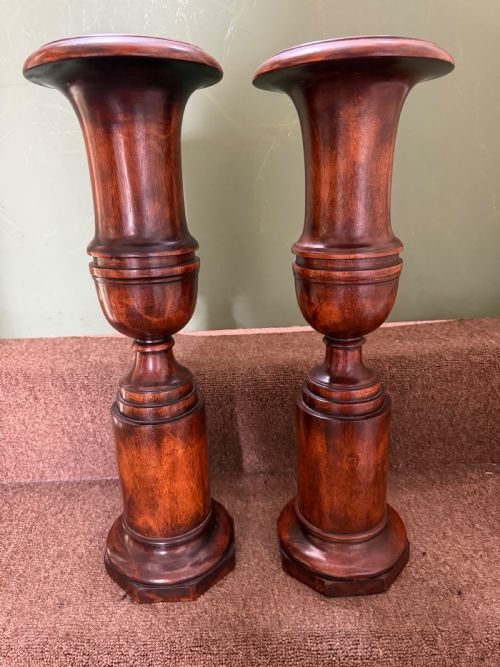
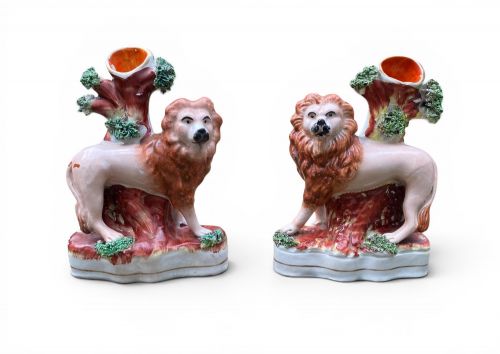
Ceramic and glass pieces demonstrate distinct historic techniques, including hand-painted porcelain, transfer printing on Staffordshire pottery, cut glass, mercury glass, and delicate enamel work. Organic materials also appear, represented by carved sycamore wood and turned walnut.
Materials recorded across the inventory include enamel, brass, porcelain, bronze, gilt bronze, gold leaf, glaze, and marble.
What separates tiers of quality
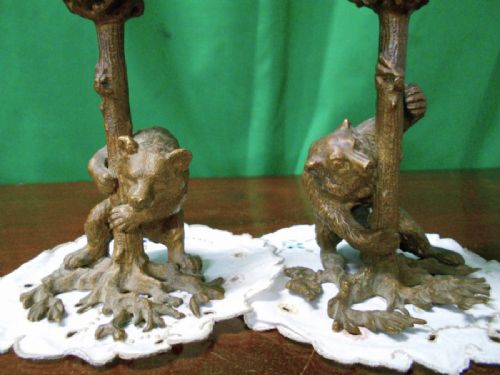
Quality in these decorative objects rests on the crispness of the casting in metalwork and the precision of the hand-finishing on ceramics. Finer pieces display sharply defined details in foliage, animal fur, or human figures, whereas lesser examples lose definition in repetitive patterns.
The choice of secondary materials marks another distinction, such as mounting gilt bronze upon solid marble rather than simpler wooden bases. Signatures from recognised workshops or designers elevate specific candlesticks and vases above standard production pieces.
Archibald Knox for Liberty and Co·Royal Worcester Hadley·Michel Decoux·Joseph Gott
The Antique Mantel Decor Glossary
- Gilt bronze
- Metal cast in bronze and subsequently coated with a layer of gold. It appears frequently on nineteenth-century French ornaments and mounts.
- Spill vase
- A small container designed to hold wooden spills used for lighting fires or pipes. Staffordshire potteries produced numerous examples featuring animals and figures.
- Lustre
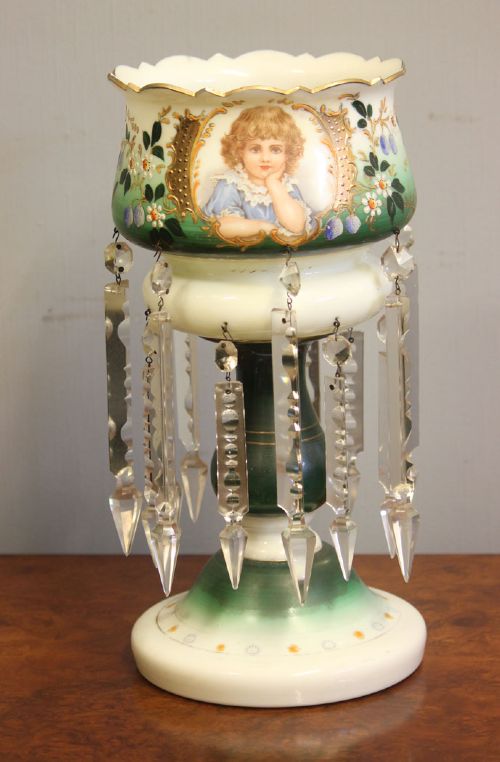
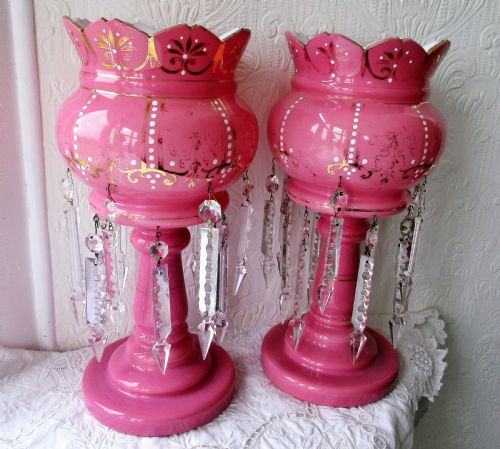
- A type of glass or ceramic vase featuring hanging glass prisms around the rim. These items catch the light of lamps and candles.
- Grand Tour
- Souvenirs purchased by wealthy travellers in Europe during the eighteenth and nineteenth centuries. Examples include marble obelisks and small bronzes.
- Garniture
- A set of three or more matching decorative vases or urns designed to be displayed together on a mantelpiece.
Antique Mantel Decor: Frequently Asked Questions
What items make up antique mantel decor?
These pieces include matched pairs of candlesticks, decorative vases, urns, carved animal figures, and small portrait busts.
They originate mainly from the nineteenth and early twentieth centuries across British, French, Italian, and Japanese workshops.
How were mantel ornaments displayed originally?
Owners placed matching objects symmetrically across the fireplace shelf, often framing a central clock or mirror.
Pairs of candlesticks and urns provided visual balance to the room's main heating focal point.
What materials are most common?
Metals such as brass, bronze, gilt bronze, and pewter dominate the selection, alongside Staffordshire pottery and porcelain.
Glass, marble, and carved wood also appear frequently among the listed objects.
How do I identify Victorian pieces?
Victorian items often display characteristic revival styles, including Gothic, Neoclassical, and Egyptian motifs.
Staffordshire pottery figures and heavy brass candlesticks from this era show distinct nineteenth-century manufacturing methods.