

Antique Male Drawing
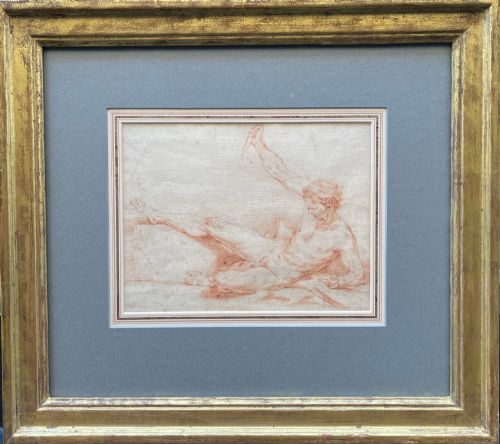
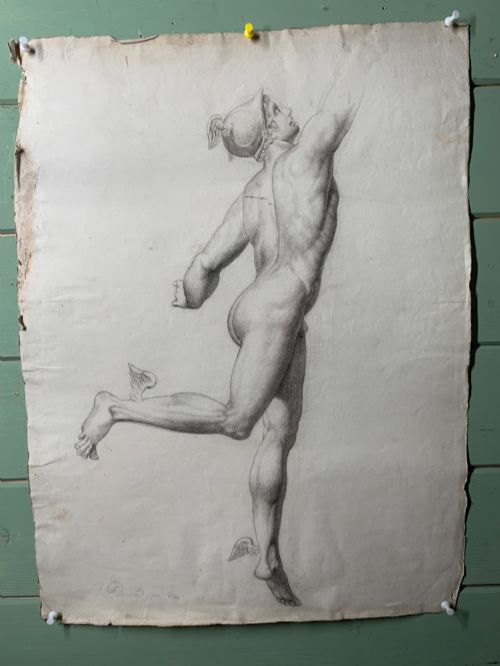
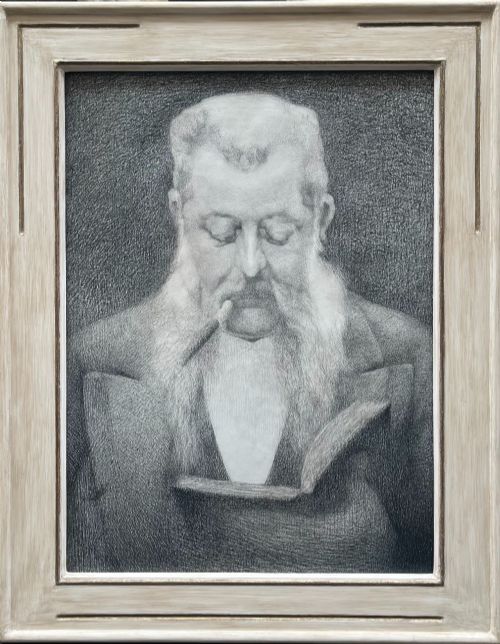
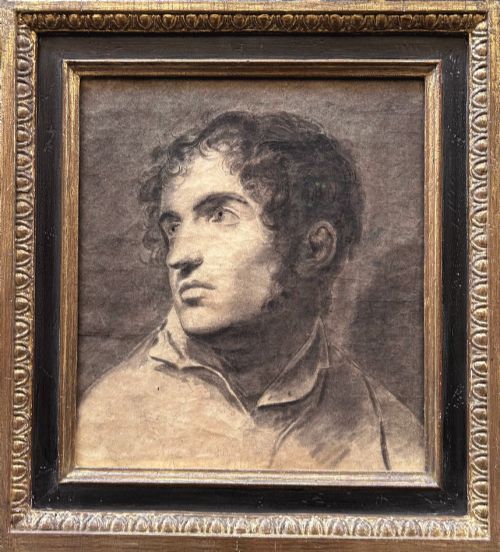
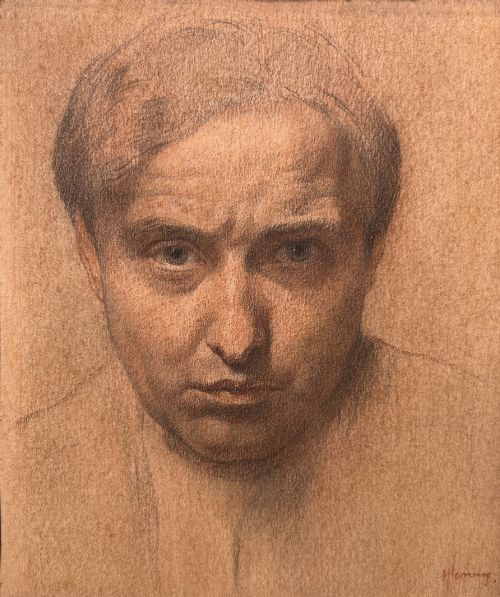
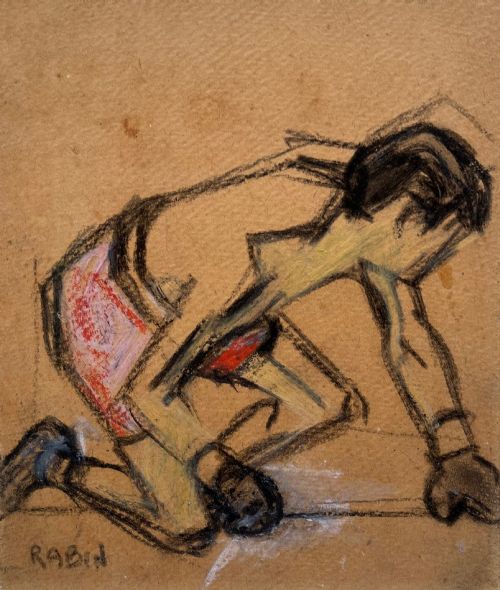
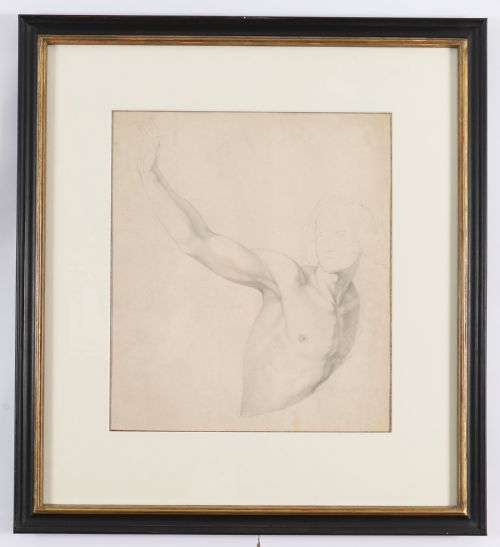
These antique male drawing works capture character and study through charcoal, pastel, and graphite on paper.
Antique Male Drawing
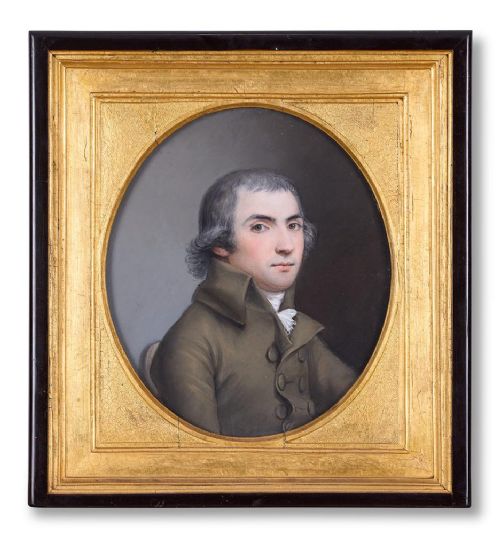
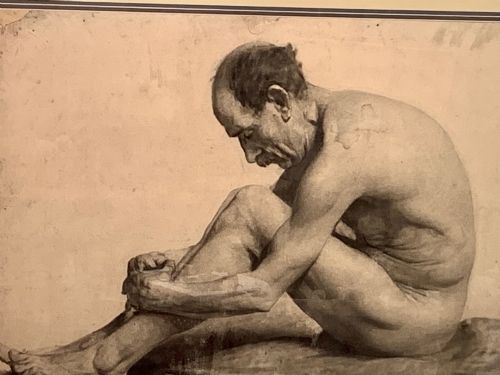
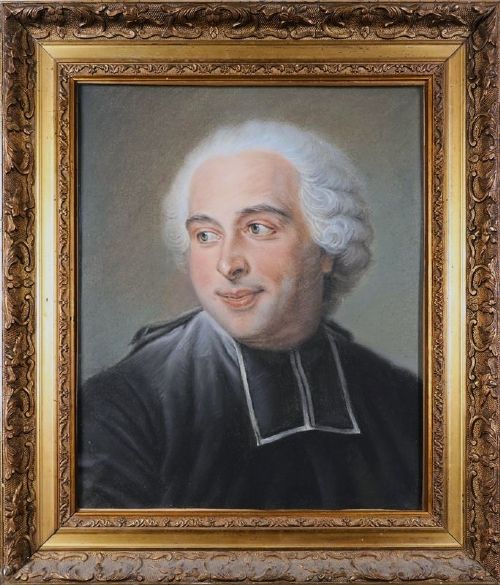
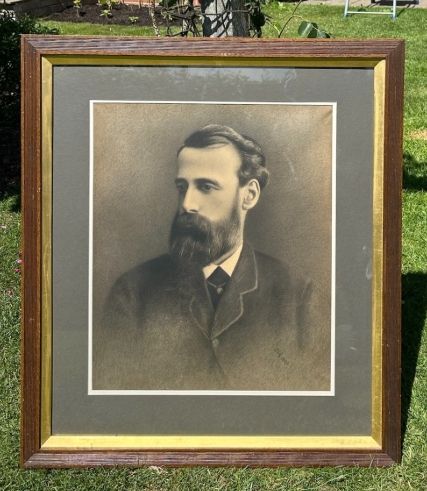
When you search for an antique male drawing, you encounter works spanning from the eighteenth century through the early twentieth century. The selection ranges from rigorous academic life studies of nudes to intimate portraits of gentlemen and historical figures.
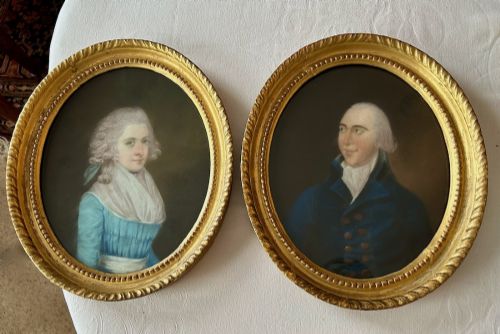
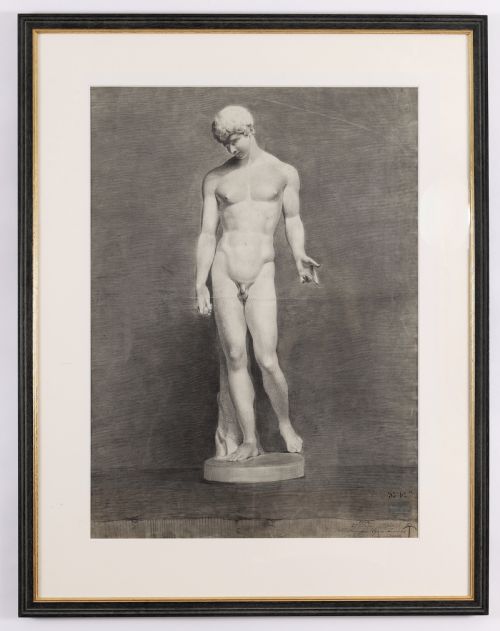
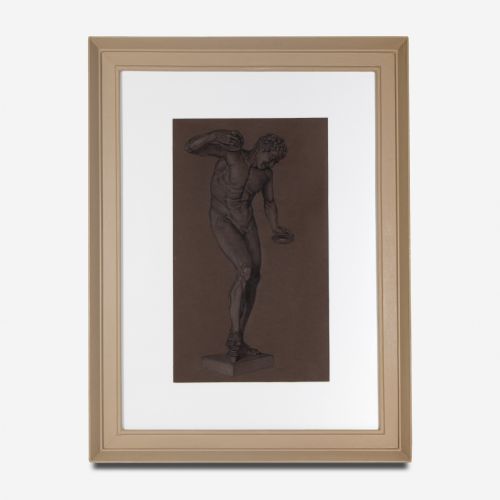
You meet pieces originating from various traditions, including the French School and English School. These artworks take forms such as framed wall art, pastel portraits, and figural studies derived from classical sculpture.
The most common items on this page are nineteenth-century academic life studies and portraiture executed on paper. They reflect historical training methods where artists mastered human anatomy through observation of models and classical plaster casts.
Materials and techniques
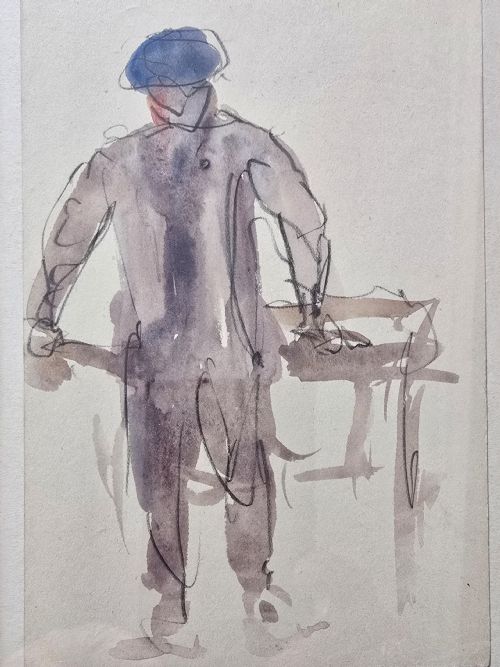
Artists relied primarily on paper supports, applying media such as charcoal, graphite, chalk, and pastel to build form and tone. Watercolour also appears in combination with pastel or pencil to add depth to portraits.
Framing often involves wood and giltwood or gilt gesso frames that protect the works behind glass. These contemporary or period frames complement the monochrome or muted palettes of the drawings.
The selection includes works executed in charcoal, graphite, pastel, chalk, and watercolour on paper substrates.
Quality variations
Differentiating works depends upon the precision of anatomical rendering and the sensitivity of line work. Academic life studies demonstrate varying degrees of mastery in proportion, musculature, and shading.
Portraiture quality rests on the ability to convey individual likeness and psychological depth rather than mere mechanical transcription. Works after older masters or classical sculptures vary according to the draughtsman's interpretative skill.
Herbert Johnson Harvey·Henry Arthur Roberts·John Seymour Lucas·Ernest Borough Johnson·Francis Dodd
The Antique Male Drawing Glossary
- Academic Realism
- A style of painting and drawing produced under the influence of European academies of art. It emphasises precise anatomical correctness and adherence to classical standards.
- Charcoal
- A dry drawing medium made from finely ground organic matter held together by a gum binder, yielding deep black lines. Artists utilise it for quick sketches and heavily shaded life studies.
- Graphite
- A crystalline form of carbon encased in wood or used in stick form for drawing. It allows for fine detail and subtle tonal gradation in nineteenth-century studies.
- Pastel
- A powdered pigment mixed with a binder and pressed into sticks. It provides rich colour and soft blending capabilities on paper.
- Neoclassical
- A Western cultural movement drawing inspiration from the art and culture of classical antiquity. It influences many eighteenth and nineteenth-century academic figure studies.
Antique Male Drawing: Frequently Asked Questions
What is an academic male drawing?
An academic male drawing is a study produced within a formal art school setting, typically featuring a male nude or life model. These works served as fundamental training exercises for artists mastering human anatomy and proportion.
Such drawings often display careful cross-hatching, precise contour lines, and deep tonal shading to render muscle and bone structure accurately.
How should I display antique drawings on paper?
Antique drawings on paper require careful framing behind glass to protect the delicate medium from dust, moisture, and physical damage. Acid-free mounts prevent chemical degradation over time.
Keep these works away from direct sunlight to avoid fading the charcoal, graphite, pastel, or watercolour pigments used by the artists.
What is the difference between a study and a portrait?
A study focuses primarily on anatomical form, movement, or lighting, often depicting an anonymous model captured in a specific pose. These works highlight the technical training of the artist.
A portrait portrays a specific named individual, aiming to capture likeness, social status, and personal character rather than general anatomical mechanics.
How can I tell the period of a drawing?
Dating relies on stylistic markers, paper characteristics, framing styles, and inscriptions left by the artist or later owners. Academic studies often bear dates or attribution notes written in pencil or ink.
Clothing styles, hairstyles, and facial hair depicted in portraits also provide reliable clues to the decade in which the work was created.