




Antique Maker Table
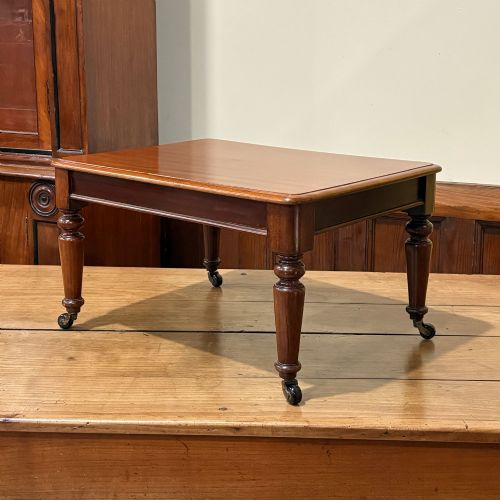
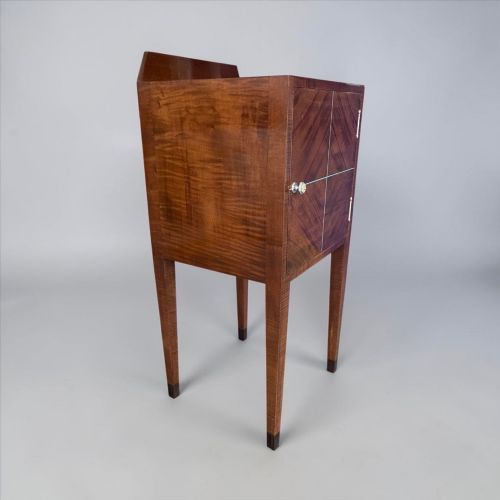
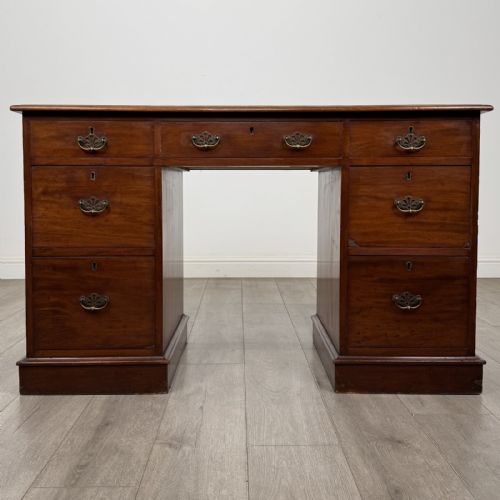
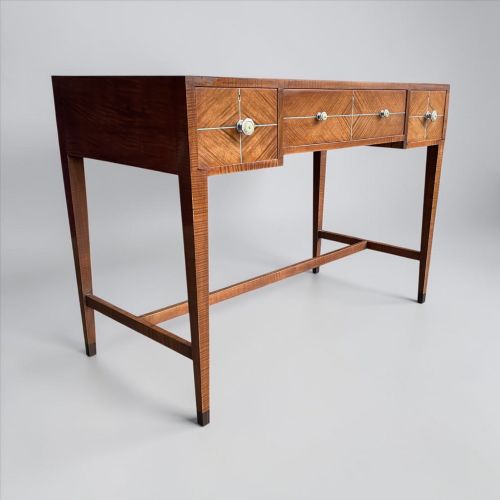
These pieces known as an antique maker table combine functional timber work with the stamps and labels of named workshops.
Antique Maker Table
An antique maker table spans utilitarian work surfaces and formal writing desks bearing workshop stamps, cabinet maker labels, or attributed origins. Buyers searching this phrase encounter diverse forms ranging from French kingwood library pieces to oak office desks and specialised work surfaces.
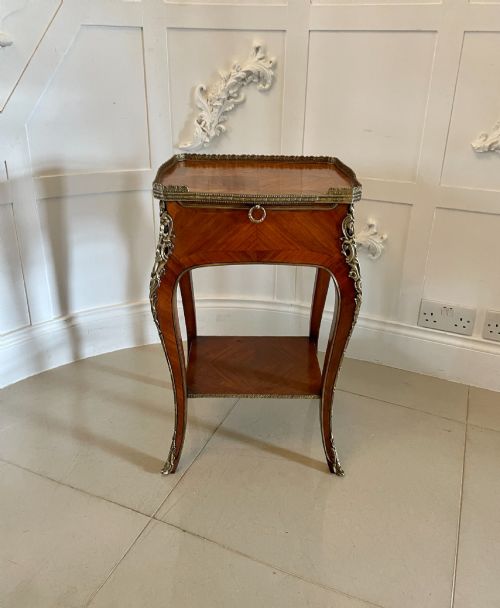
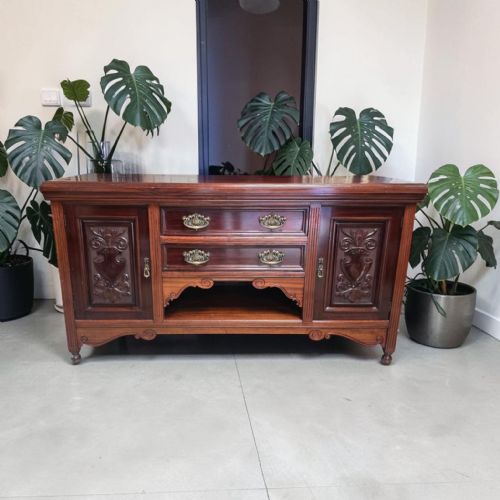
The material record demonstrates substantial variety across mahogany, rosewood, oak, and kingwood, often enhanced with ormolu mounts, parquetry, or leather inserts. English and continental workshops produced these items during the Georgian, Regency, Victorian, and Edwardian periods.
Cabinet makers and horological firms left their marks on centres and drawers, establishing clear provenance for desks, side tables, and specialised tables. These items reflect the operational output of named makers from London, Edinburgh, Dublin, and Paris.
Construction and materials
Timbers such as solid mahogany, rosewood, pollard oak, and kingwood form the primary structural foundations, frequently paired with marquetry inlay and parquetry patterns. Ormolu mounts, gilt-bronze elements, and brass details provide decorative enrichment to French and English examples.
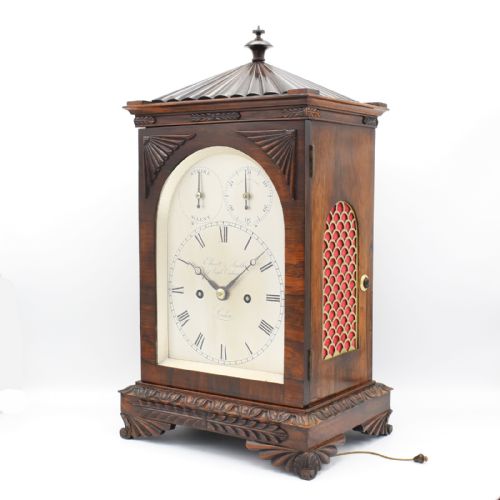
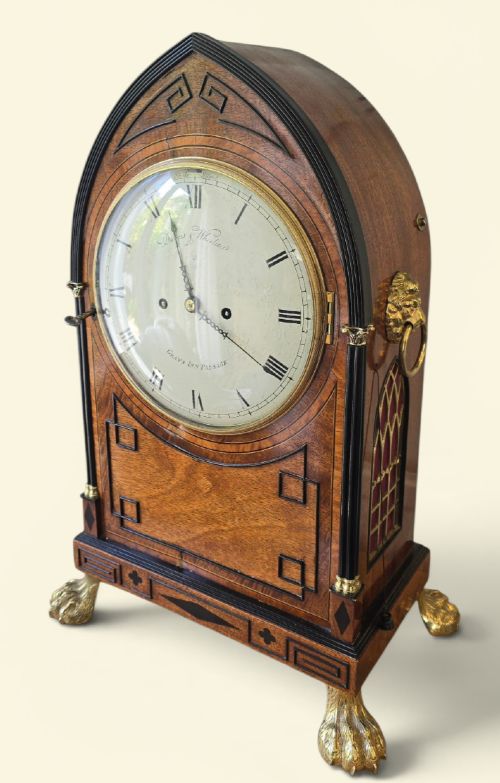
Secondary materials incorporate leather writing surfaces, glass panels, and lacquered finishes, while specialised pieces integrate mechanical fusee movements and clock dials. Cabinet makers utilised traditional joinery techniques to construct drawers, pedestals, and freestanding frames.
Antique Maker Table Retail Price Guide 2026
Typical asking prices for maker table among the pieces listed under this phrase on Sellingantiques today, from the lower quarter to the upper quarter. They describe what is for sale here now, not the wider market.
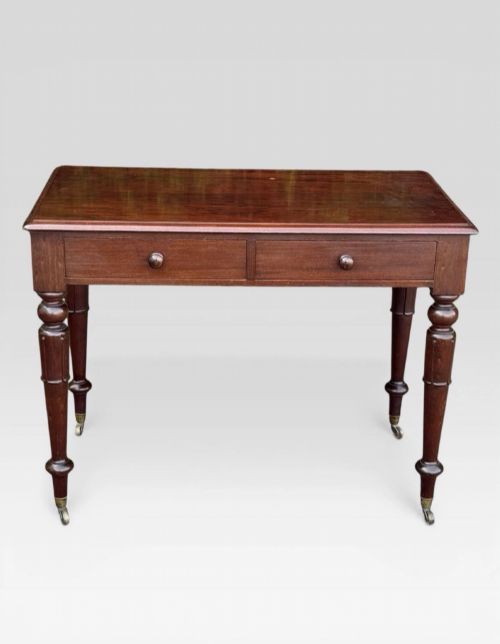
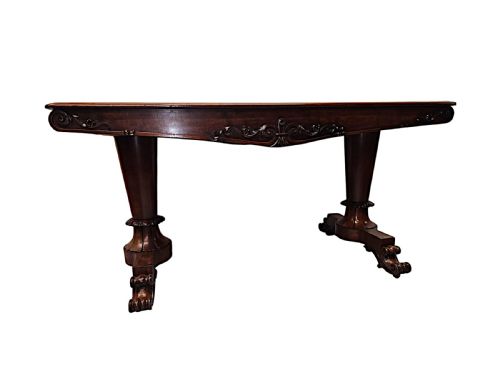
The site listings feature desks, side tables, and bracket clocks spanning the Georgian, Victorian, and Edwardian periods in mahogany, rosewood, and oak.
Judging quality and workshop origin
The presence of legible maker stamps, paper labels, or documented attribution marks elevates the standing of a table, distinguishing standard workshop production from notable signed pieces. Finely executed ormolu mounts and crisp parquetry indicate superior craftsmanship.
Timber selection and secondary wood usage dictate structural integrity, where dense figured rosewood or kingwood veneers outclass plain utilitarian boards. The retention of original brass hardware, fitted interiors, and leather inserts defines the preservation standard.
Williams and Gibton·M D Miller and Sons·J A Mein·Desbois and Wheeler·Webster Cornhill London·Seller of Reading·Whytock and Reid·Edwards and Roberts·Wilmot Manufacturing Co·Frodsham and Baker·Berguer of the Strand·James Smith·Zwiener Jansen Sucesseur·James Maitland·Barraud and Lunds·Jean Werner·Payne and Co
The Antique Maker Table Glossary
- Ormolu
- Gilt-bronze decorative mounts applied to furniture. This technique was widely utilised by Parisian and English cabinet makers during the nineteenth century.
- Parquetry
- Geometric wood inlay patterns arranged to form decorative surfaces on tabletops and drawers. It contrasts with marquetry by utilising angular geometric motifs.
- Fusee movement
- A clockwork mechanism designed to maintain even tension across the mainspring power delivery. It appears frequently in bracket clocks and library clocks.
- Demilune
- Half-moon shape characteristic of specific hall tables and side furniture designed to stand flush against a wall.
- Guéridon
- A small circular table supported by a central pillar or columns, often constructed from marble and gilt-bronze.
Antique Maker Table: Frequently Asked Questions
What defines an antique maker table?
An antique maker table is any form of desk, side table, or work surface that carries a documented stamp, paper label, or attribution to a specific cabinet maker or workshop.
These pieces range from Victorian library tables to Edwardian writing desks, united by the presence of identifiable maker signatures.
How can I identify the maker?
Makers typically marked their pieces with paper trade labels inside drawers, ink stamps on woodwork, or bronze signatures integrated into the mounts.
Searching for stamps on centre drawers or examining back panels reveals the workshop origin.
Which woods were commonly used?
Makers utilised dense hardwoods including mahogany, rosewood, oak, and kingwood as the primary structural materials for tables and desks.
Decorative veneers and marquetry inlay further enhanced the visual appearance of high-status pieces.
How do I care for a wood table?
Maintain stable indoor humidity levels and keep wooden surfaces away from direct heat sources to prevent timber splitting or veneer lifting.
Dust regularly with a dry cloth and avoid harsh chemical polishes that damage antique finishes.