

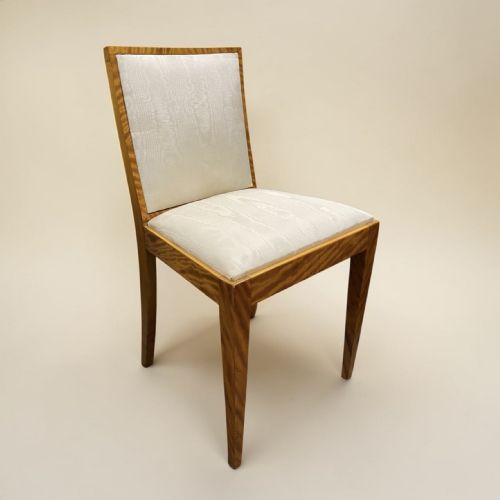


Antique Maker Furniture
Antique maker furniture brings tangible proof of named workshops and labelled craftsmanship straight into your home.
Antique Maker Furniture
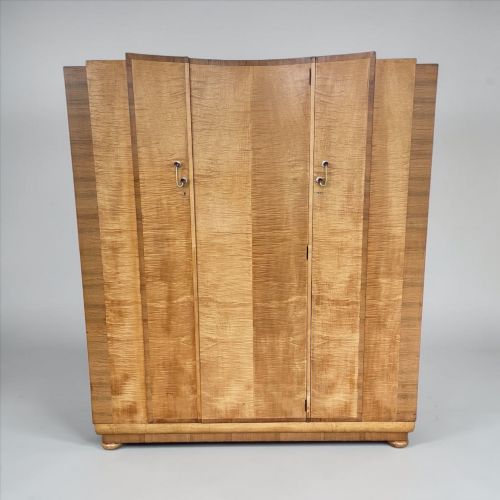
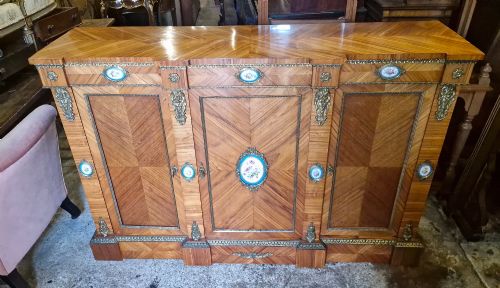
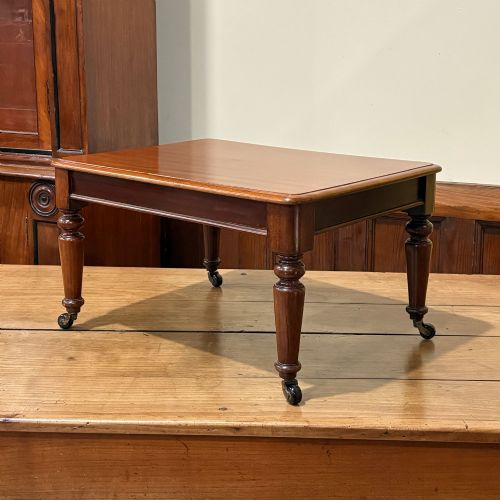
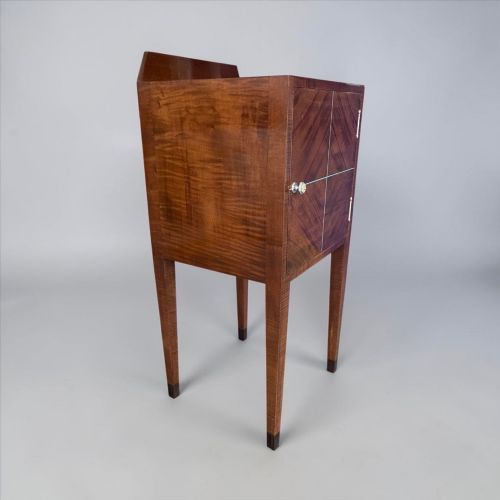
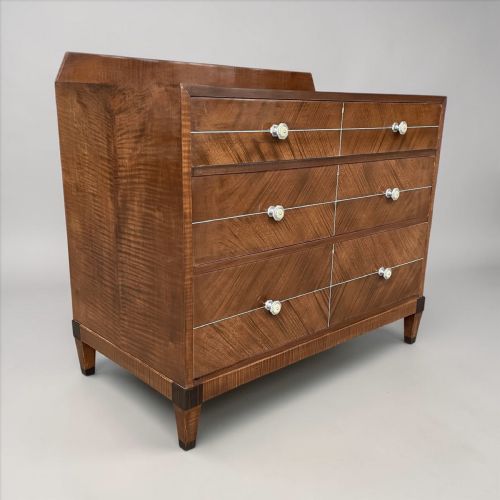
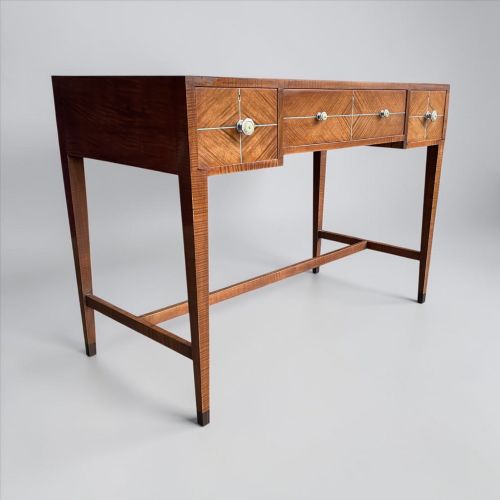
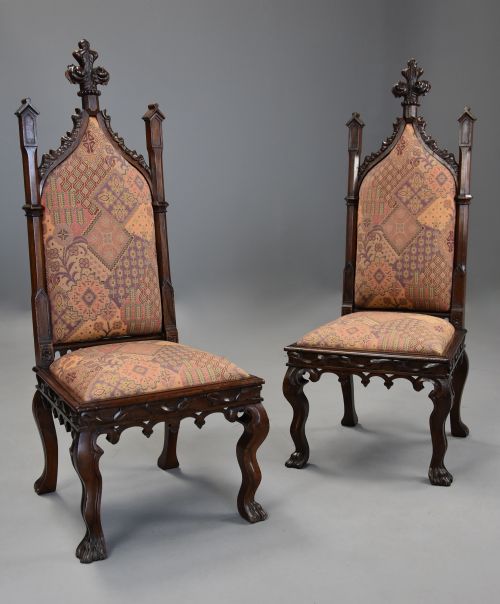
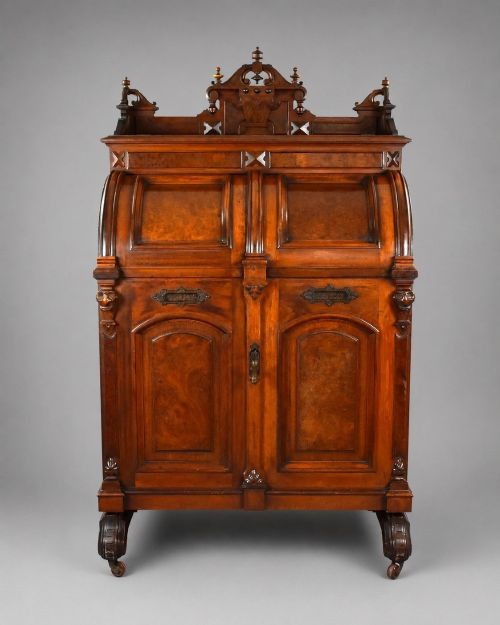
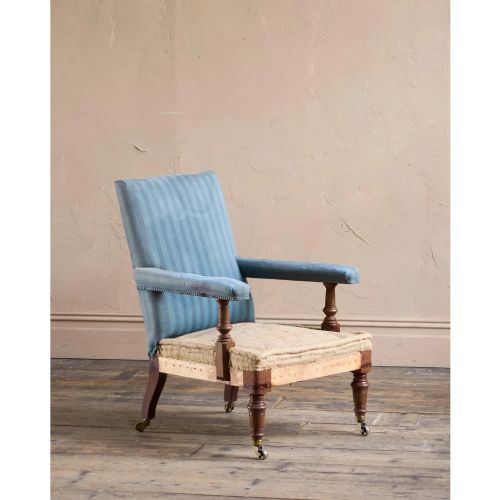
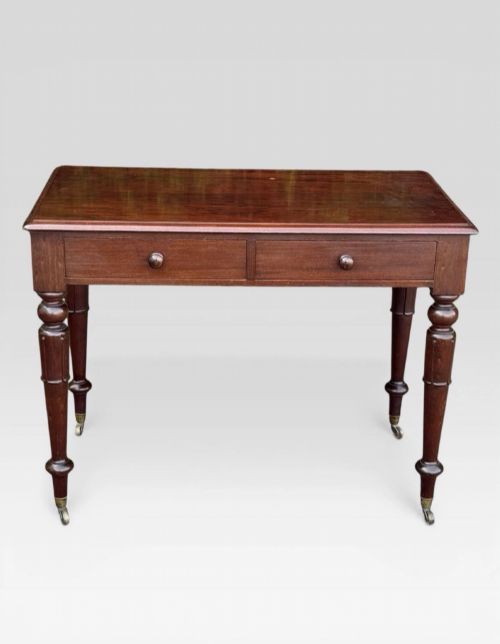
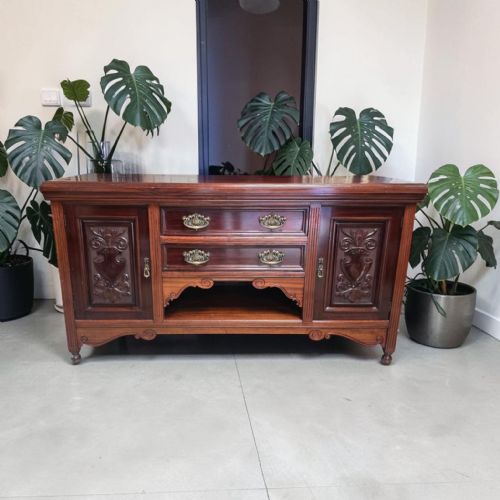
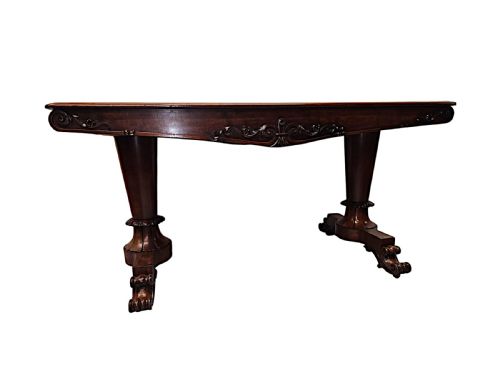
The selection ranges from grand mahogany library tables and pollard oak bookcase cupboards to smaller seating like Windsor armchairs and prie-dieu chairs. Many incorporate specific revival styles, moving from Gothic revival and William IV to arts and crafts and art deco. Each item connects a functional domestic form directly to the identifiable hand or house that produced it.
Materials and Construction
Makers utilised a rich palette of timbers, relying predominantly on solid and veneered mahogany, walnut, burr walnut, oak, and yew wood, alongside decorative accents of rosewood, satinwood, and kingwood. Structural soundness relied on traditional joinery methods suited to each specific form, whether housing heavy drawers in a Wellington chest or turning spindles for an open armchair.
Secondary materials like brass hardware and textiles appear where appropriate, complementing the primary woods. Surface finishes ranged from polished mahogany and oak to lime-washed treatments on arts and crafts furniture, highlighting natural grains and figures.
Antique Maker Furniture Retail Price Guide 2026
Typical asking prices for maker furniture among the pieces listed under this phrase on Sellingantiques today, from the lower quarter to the upper quarter. They describe what is for sale here now, not the wider market.
The listings demonstrate a strong representation of Scottish cabinet making, featuring multiple pieces originating from Edinburgh workshops.
Judging Quality in Maker Pieces
Quality rests in the fidelity of the maker's stamp, label, or secure attribution, alongside the calibre of timber figure chosen for the surface. Highly figured veneers on Wellington chests or cabinets separate standard production from exceptional workshops.
Construction integrity defines the upper tier, seen in the precision of cabinet work on desks and bookcases and the comfort and structural integrity of seating by recorded makers. Finer examples display meticulous attention to interior secondary woods and original hardware.
Bath Cabinet Makers·Williams and Gibton·Whytock and Reid·Gillows of Lancaster·Jean Werner
The Antique Maker Furniture Glossary
- Prie-Dieu chair
- A low-backed devotional chair with a wide top rail designed for kneeling and prayer during the Victorian period.
- Library table
- A large freestanding table finished on all sides for use in a library or study, often fitted with frieze drawers.
- Pollard oak
- Oak timber taken from trees pollarded at a height above animal grazing, producing burr-like clusters of grain used for decorative veneers.
- Windsor armchair
- A wooden armchair featuring a solid saddle-shaped seat into which the legs and back spindles are wedged directly.
Antique Maker Furniture: Frequently Asked Questions
How do I spot a maker mark?
Maker marks appear as paper labels pasted inside drawer linings, stamped signatures on wood edges, or cast brass plaques. Look closely on the backs of cabinets or inside the top drawers of desks.
Lighting the interior surfaces with a torch helps reveal faded ink stamps or impressed maker names without disturbing the original finish.
Where were these pieces used?
These pieces furnished domestic drawing rooms, studies, dining rooms, and bedrooms across Britain and Europe. Desks and bookcases served administrative and literary needs in private libraries.
Seating pieces ranged from formal hall chairs to low devotional chairs, placing practical utility alongside the aesthetic demands of each period.
How do I care for polished wood?
Maintain polished wood furniture by keeping it away from direct heat sources and strong sunlight that can dry out timber and veneers. Dust regularly with a dry, soft cloth.
Avoid silicone-based sprays and apply occasional appropriate wax feeds only when the surface appears dry or dull.
What defines art deco furniture?
Art deco furniture embraces streamlined forms, symmetrical geometries, and modern materials popular during the 1920s and 1930s. Pieces from this era often feature clean lines and contrasting wood veneers.
In this selection, art deco items include desks and bedroom chairs produced by prominent cabinet makers of the period.