
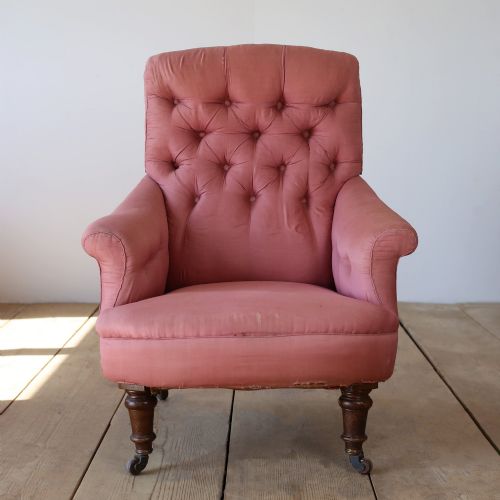
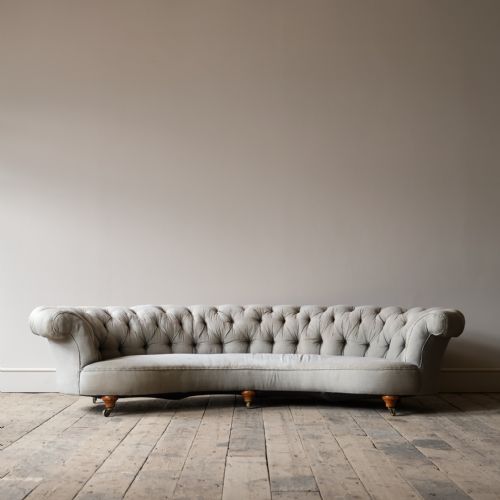
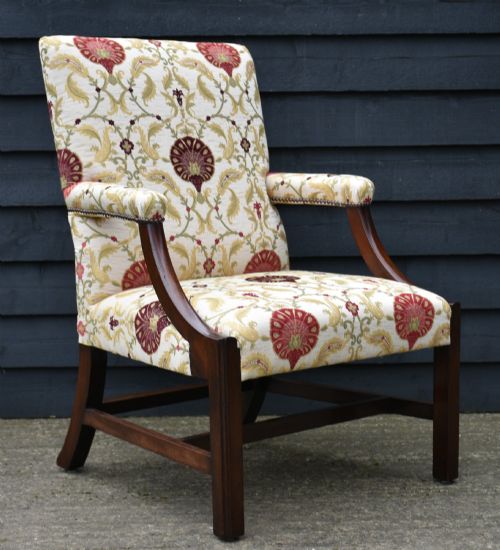
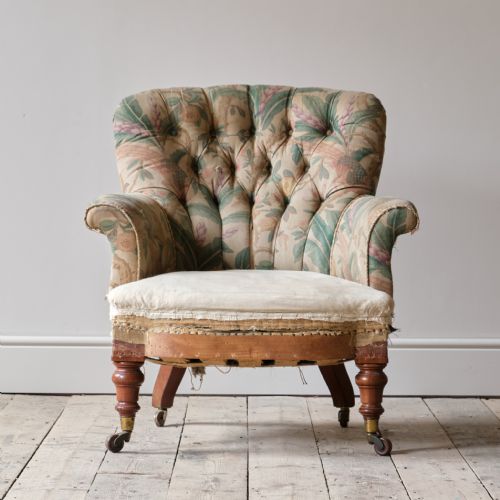
Antique Mahogany Upholstery
Antique mahogany upholstery brings solid timber frames together with tactile fabrics across armchairs, sofas and footstools.
Antique Mahogany Upholstery
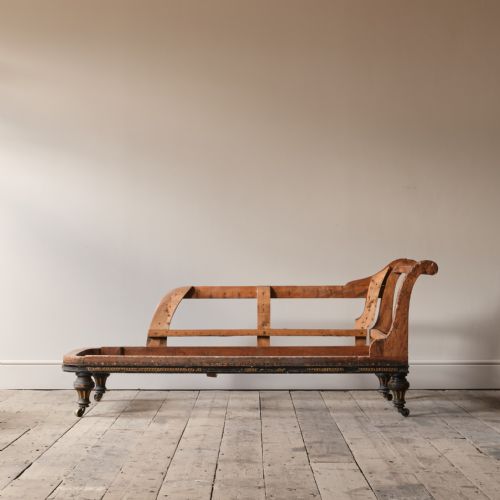
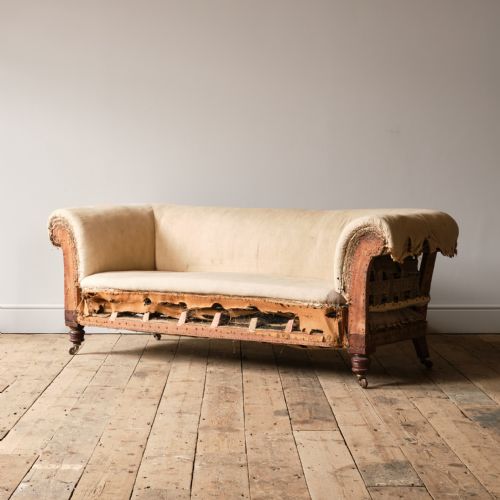
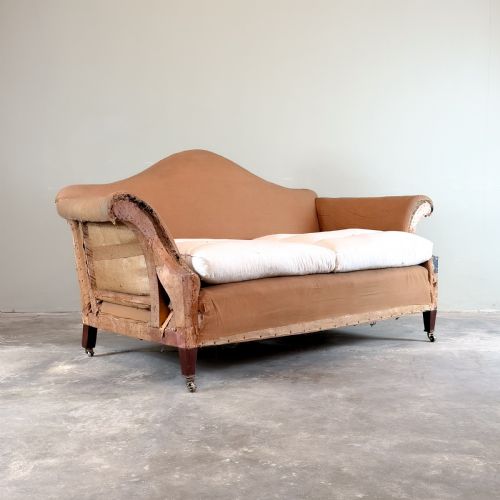
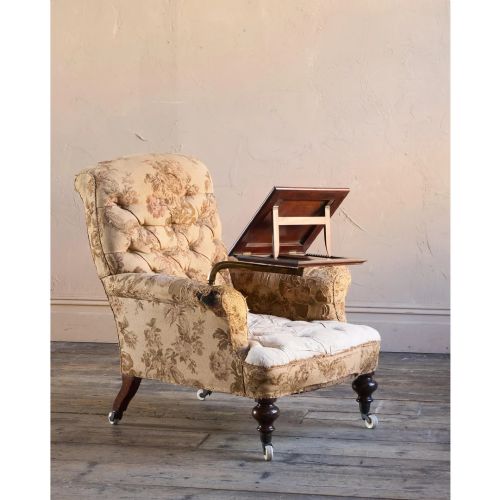
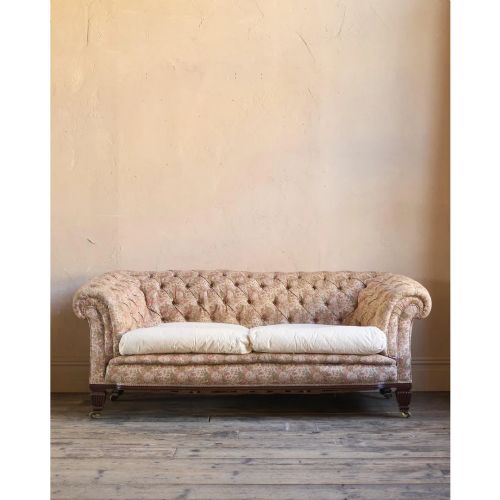
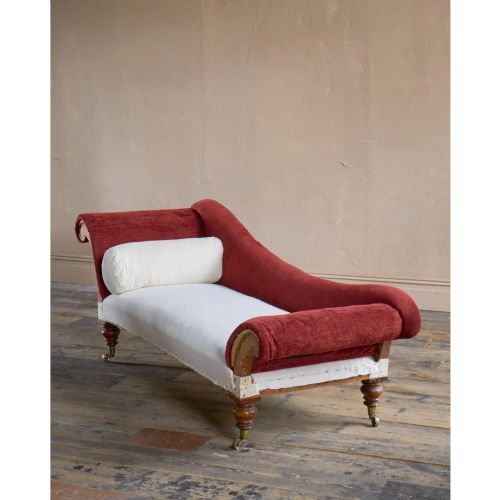
When searching for antique mahogany upholstery, buyers encounter seating from the eighteenth century through to the Edwardian period, spanning Georgian, Regency, Victorian and Edwardian stylistic eras. The forms range widely from compact footstools and dining chairs to expansive library armchairs, chaise longues and deep-seated Chesterfield sofas.
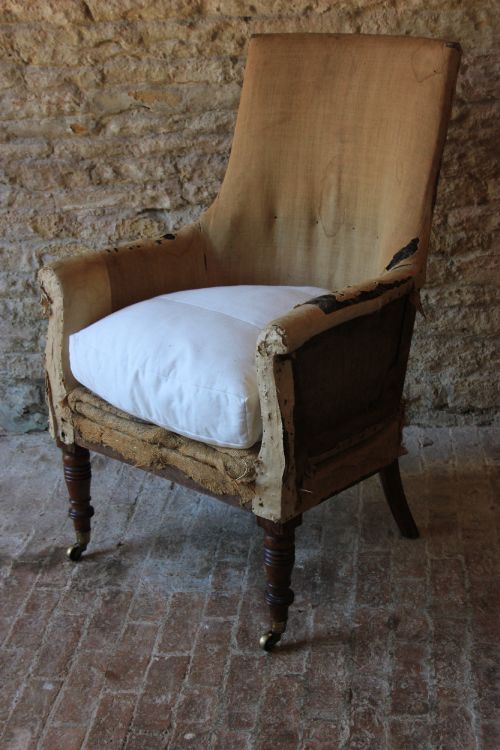
Armchairs and sofas dominate the available selection, often presenting substantial wooden frames paired with sprung or stuffed seats. Pieces frequently reflect formal architectural styles like Chippendale or the clean lines associated with Regency and Grand Regency design, alongside utilitarian country house examples.
Materials and construction methods
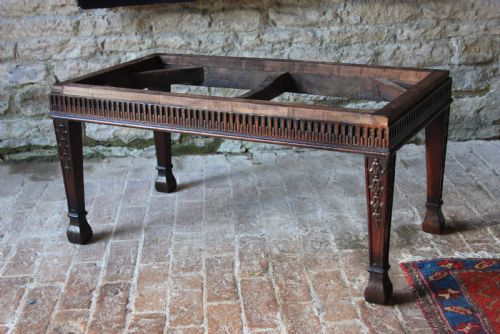
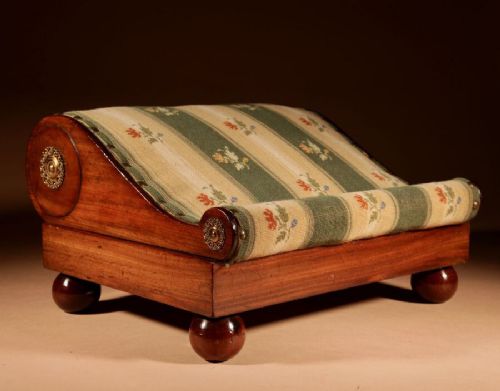
Makers utilised dense mahogany for the structural frames, sometimes incorporating brass details such as castors on footstools and chairs for mobility. Wood surfaces show hand-carved elements, fretwork or polished finishes that contrast with the structural underpinnings of the seat.
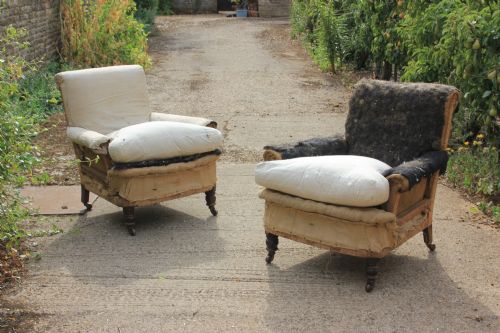
Traditional upholstery techniques rely on foundational layers of hessian, calico and cotton webbing to support stuffing materials. Final outer coverings involve velvet, patterned fabrics and regency stripe textiles, occasionally finished with deep buttoning.
Materials span structural mahogany and brass alongside foundational textiles like hessian, calico and cotton, finished in velvet or patterned fabric.
Assessing quality in frames and textiles
The integrity of the mahogany frame dictates the baseline worth of a piece, with crisp carving and sturdy joinery separating superior seating from ordinary examples. Timber that retains a deep, rich patina without excessive structural compromise indicates careful preservation over centuries.
The execution of the upholstery work, from the spring tension to the neatness of buttoning and textile tension, marks the distinction between workshop standards. Pieces retaining their original fabric layers or professional reupholstery using period-appropriate materials hold greater fidelity to their historic form.
Holland and Sons·Howard and Sons·Gillows·Hampton and Sons·Robert Strahan·Hallett and Sons
The Antique Mahogany Upholstery Glossary
- Chesterfield sofa
- A deep-seated upholstered sofa traditionally characterised by low back and rolled arms of equal height. Many examples feature detailed button tufting across the backrest.
- Chaise longue
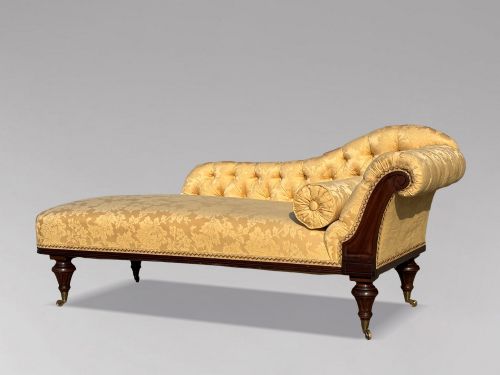
- An elongated upholstered chair designed for reclining, combining the backrest of a sofa with the seat length of a daybed. These items date predominantly from the nineteenth century.
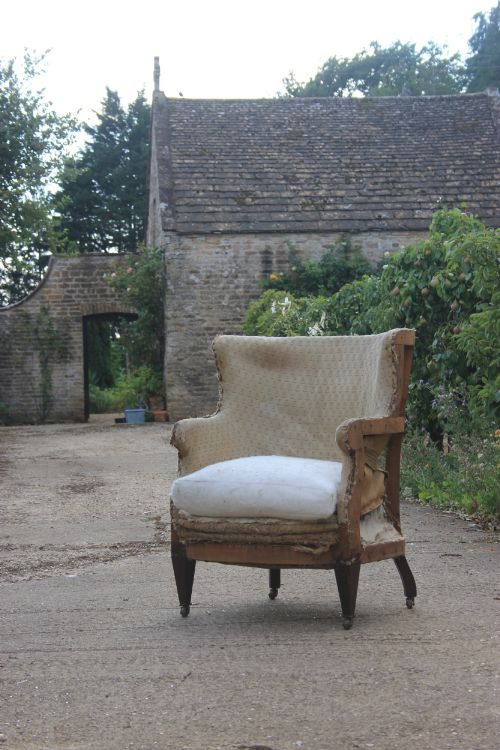
- Calico stage
- An intermediate stage of upholstery where the unbleached cotton cover is applied over the stuffing before the final decorative textile is added. This allows buyers to select their own visible fabric.
- Gainsborough chair
- A wide, open-framed armchair with padded armrests and a high upholstered back, originating in the mid-eighteenth century. They are typically executed in mahogany with carved cabriole or straight legs.
- Prie Dieu
- A devotional prayer chair featuring a low seat and a tall, narrow back designed to support kneeling or resting arms during prayer. Victorian examples frequently utilise mahogany frames with needlepoint or velvet coverings.
Antique Mahogany Upholstery: Frequently Asked Questions
How do I care for antique mahogany frames?
Dust the timber regularly with a soft, dry cloth to prevent the accumulation of grit that can scratch the polished surface. Avoid placing wooden furniture near direct heat sources or strong sunlight, which can dry out the mahogany and cause splitting.
Apply a traditional beeswax polish sparingly when the wood appears dry, buffing it gently to maintain the natural sheen. Keep upholstered sections vacuumed on a low setting using a soft brush attachment to protect delicate textiles.
Are pieces sold to calico stage ready to use?
A piece offered at the calico stage has completed its internal structural and stuffing work, leaving only the final decorative outer fabric to be fitted. This allows you to choose a textile that matches your interior scheme.
You will need to source and apply the top layer of fabric yourself or commission a professional upholsterer to complete the task. The underlying comfort and support are already fully established.
Can I use a library chair for daily sitting?
Most antique library chairs and armchairs were built for durability using dense mahogany and robust internal webbing, making them suitable for regular use. Deep-seated designs provide substantial support for everyday relaxation.
It is wise to assess the internal springing and webbing condition before heavy daily use, as older materials can weaken over time. Professional conservation or minor reupholstery can restore full structural resilience without altering the historic frame.