



Antique Mahogany Table Coaster
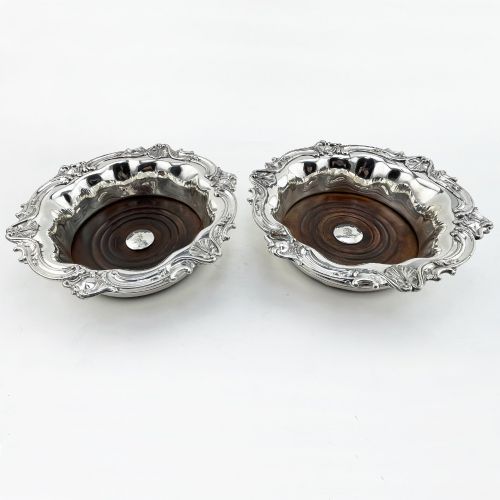
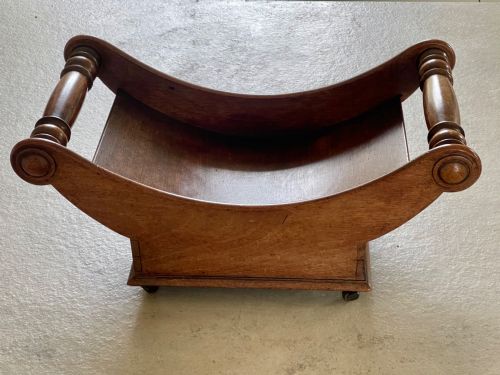
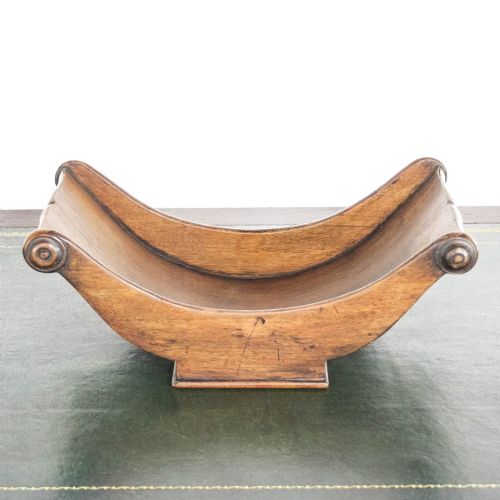
These antique mahogany table coaster pieces protect the dining surface while carrying wine or cheese around the table with ease.
Antique Mahogany Table Coaster
An antique mahogany table coaster sits upon the dining table to hold bottles or cheese trucks without marking the polished wood. The examples found here span the Georgian, Regency, and Victorian eras, alongside pieces from the 1920 period.
Most items take the form of wine coasters or cheese coasters, whilst related tableware such as serving trays and rotating lazy susans also appear. Mahogany forms the primary structure, often shaped into circular or crescent forms.
Makers shaped these items for formal dining rooms, utilising native hardwoods and fitted castors to move heavy decanters smoothly between guests. The forms range from simple single stands to matched sets and large revolving designs.
How they were made
Joiners shaped solid mahogany and fruitwood into curved walls, frequently incorporating carved details along the rim. Many incorporate brass mounts, bone elements, or silver plate to reinforce the wooden structure.
Base panels often feature protective felt linings or wooden slats to cushion glass bottles and cheese truckles. Certain models rely on original castors underneath to glide across the dining surface.
Antique Mahogany Table Coaster Retail Price Guide 2026
Typical asking prices for mahogany table coaster among the pieces listed under this phrase on Sellingantiques today, from the lower quarter to the upper quarter. They describe what is for sale here now, not the wider market.
Some cheese coasters double as fruit bowls, proving that eighteenth-century diners were entirely practical when the Stilton ran out.
What varies in quality
The refinement of the timber and the crispness of the carving distinguish finer examples from simpler workshops. Rich grain patterns in the mahogany and well-executed joinery indicate superior craftsmanship.
Original metalwork, such as untouched brass fittings or authentic silver plate, elevates the integrity of the piece. Complete sets and items retaining their original castors hold greater historical cohesion.
James Mein of Kelso
The Antique Mahogany Table Coaster Glossary
- Cheese coaster
- A low-sided tray or crescent designed to hold a truckle of cheese for passing along the table. They often feature small wheels or castors for smooth movement.
- Wine coaster
- A small circular stand created to hold a bottle or decanter, protecting the polished dining surface from rings. Examples frequently pair mahogany bases with silver plate or brass rims.
- Castor
- A small swivelling wheel fitted to the underside of furniture and tableware to aid mobility. On coasters, they allow the piece to roll smoothly between diners.
- Fruitwood
- Dense native timber used by cabinetmakers as an alternative to imported hardwoods. It appears in several early dining accessories.
- Treen
- Small handmade wooden objects for domestic use. This category encompasses turned wooden coasters and stands.
Antique Mahogany Table Coaster: Frequently Asked Questions
How do I care for mahogany?
Keep wooden coasters away from direct heat sources and sudden humidity changes to prevent the timber from splitting. Regular dusting with a dry cloth maintains the natural finish.
Avoid using harsh chemical polishes that can damage the antique surface and any fitted felt or metal accents.
How do I date a coaster?
Dating relies on observing the timber species, construction methods, and hardware styles associated with periods like the Georgian era or the nineteenth century. Hand-carved details and original brass or silver components provide key chronological clues.
Comparing the turning style and timber grain with documented examples helps narrow down the decade of production.
Were they used for wine?
Wine coasters were specifically designed to hold bottles and decanters during post-dinner conversation. They caught condensation and prevented drips from staining the polished dining table.
Hosts passed the bottles around the table within these wooden or silver-rimmed stands once the servants withdrew.