
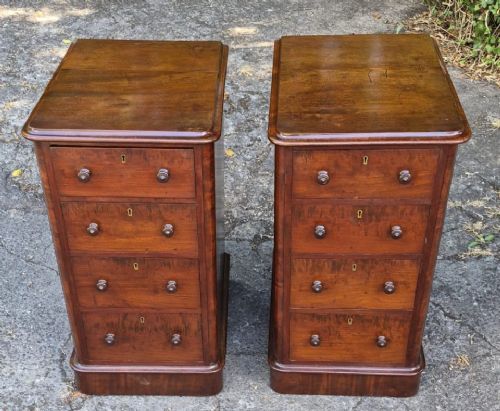
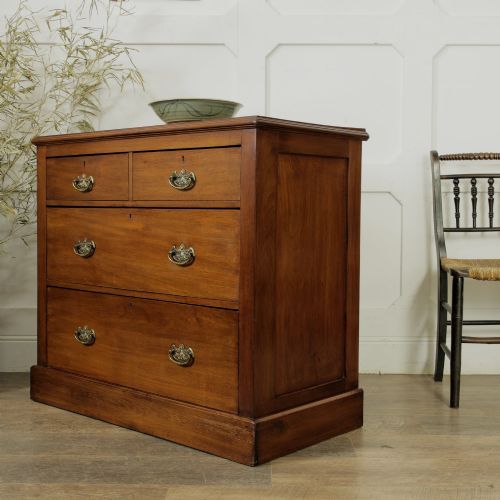
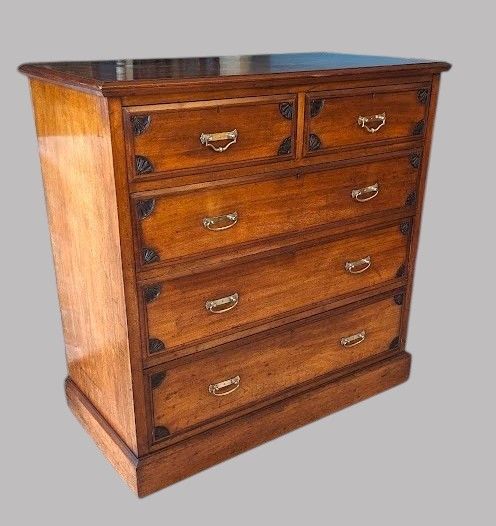
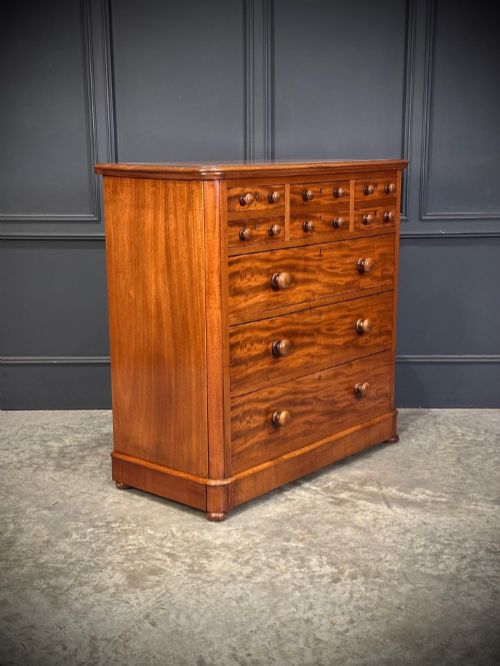
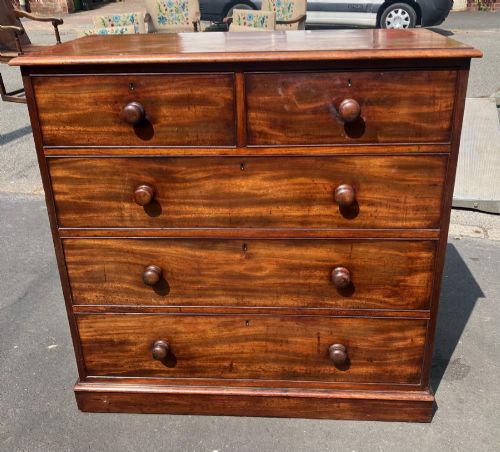
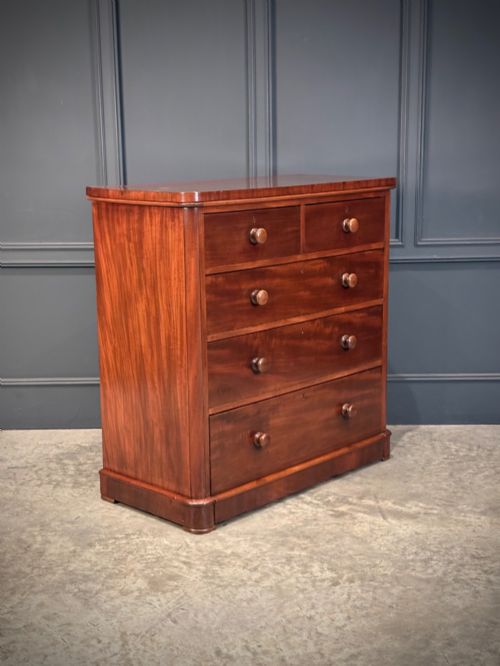
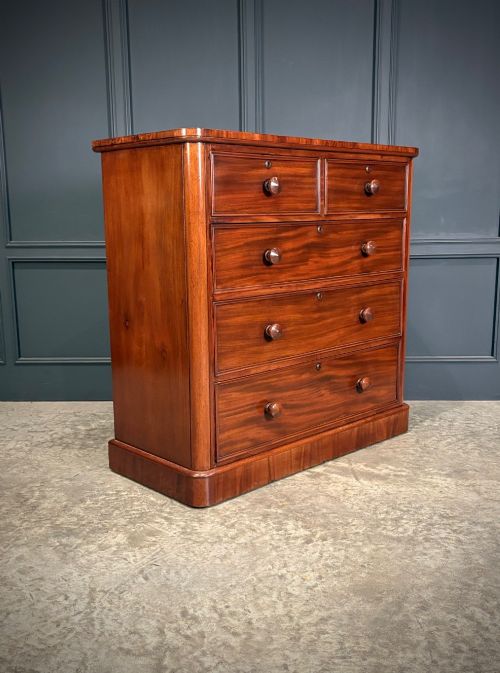
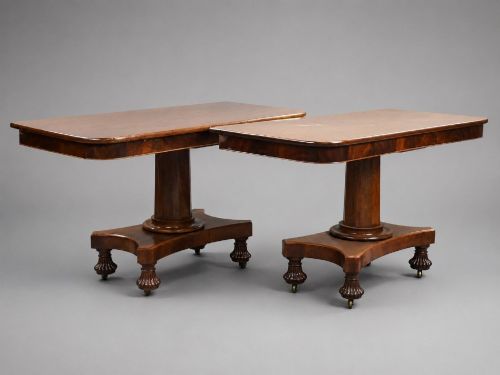
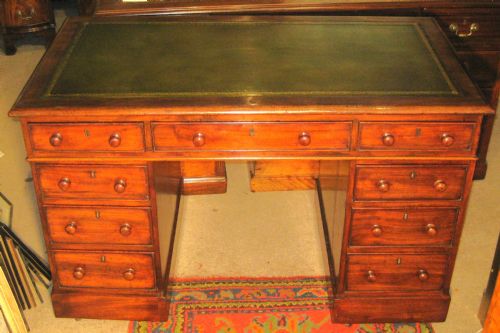
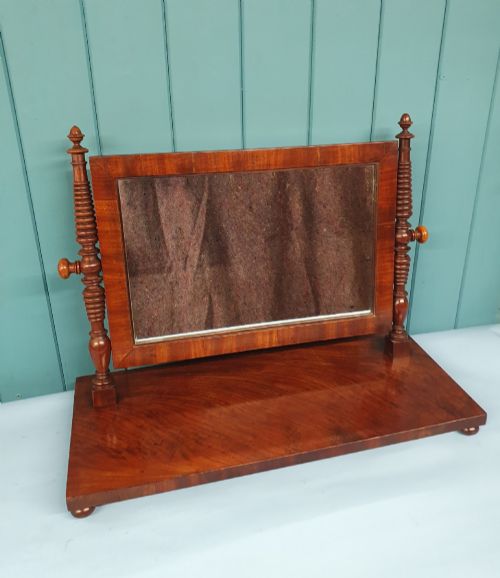
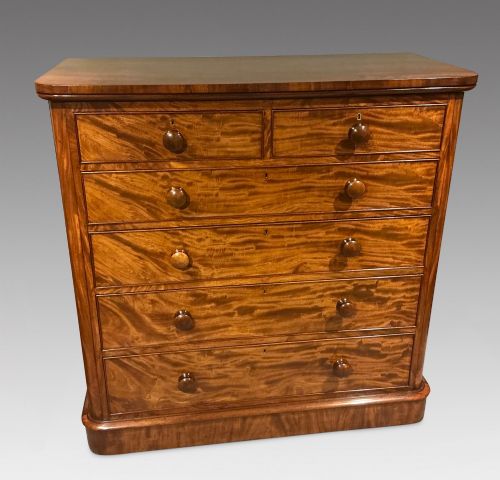
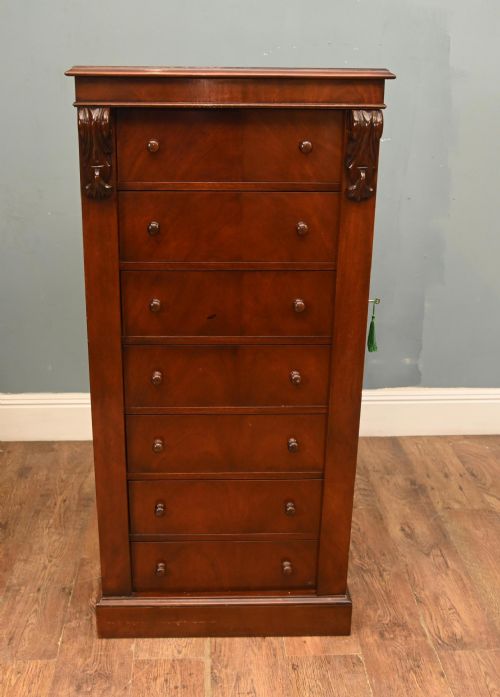
Antique Mahogany Plinths
Antique mahogany plinths provide sturdy, elevated staging for display, drawing the eye upwards through rich timber grain.
Antique Mahogany Plinths
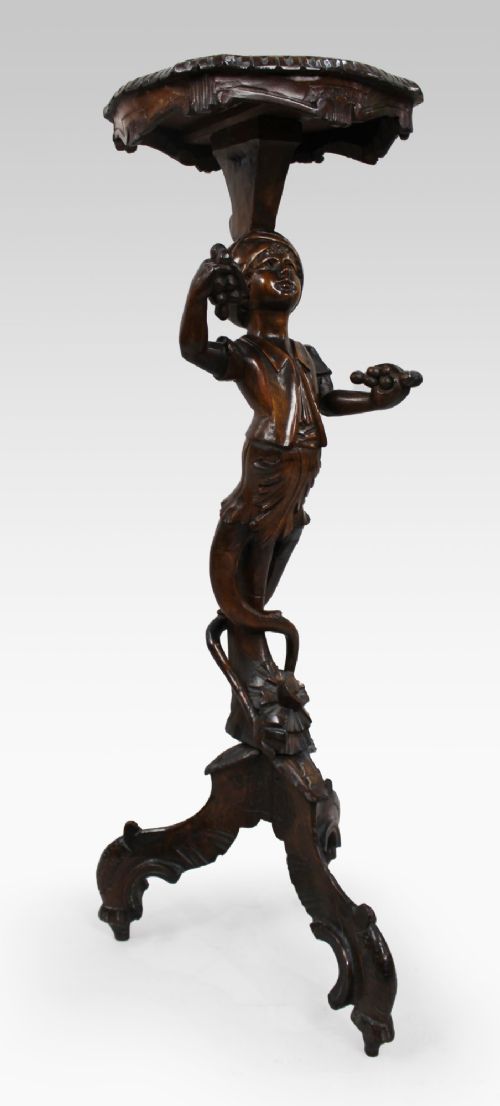
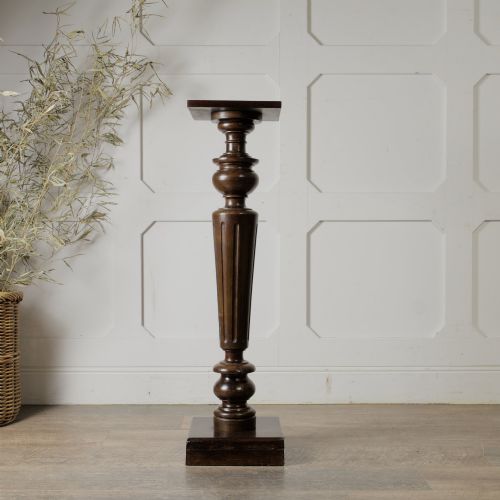
Antique mahogany plinths bring formal presence to interiors, serving as elevated bases for display items. When searching for antique mahogany plinths, buyers encounter solid turned stands, column pedestals, and related display forms from the nineteenth century onwards.
The selection ranges from simple turned stands dated around nineteen hundred to architectural column pedestals incorporating marble top details. These pieces originate from Victorian, Edwardian, and earlier periods, reflecting shifts in domestic display habits.
Makers such as Holland & Sons and Mawer & Stephenson produced fine cabinet work alongside these display forms, linking plinths to broader traditions of mahogany furniture manufacture.
Materials and construction
Makers utilised solid mahogany and timber frames, frequently applying flame mahogany veneer to create deep, figured surfaces on pedestal bodies. Secondary woods such as pine appear in concealed structural areas.
Turned components demonstrate precision lathe work, while column supports occasionally incorporate marble tops and brass details to add weight and textural contrast to the timber.
Listings feature pieces spanning the Georgian, Victorian, and Edwardian periods, constructed primarily in mahogany with marble, brass, and pine.
Assessing quality in execution
Quality rests in the selection of the timber, particularly the depth of figure in flame mahogany veneers and the crispness of turned sections on columns and stands. Finer examples maintain structural integrity without excessive timber shrinkage or surface warping.
The integration of secondary materials like marble tops and brass fittings distinguishes superior workshop output from utilitarian production.
Holland & Sons·Mawer & Stephenson
The Antique Mahogany Plinths Glossary
- Flame mahogany veneer
- A decorative wood slice cut from the fork of the tree, producing a distinctive flickering flame pattern. This veneer was prized by nineteenth-century cabinet makers for prominent display surfaces.
- Pedestal
- A structural support or base carrying a statue, vase, or column. In nineteenth-century interiors, these functioned as standalone display furniture.
- Turned
- Shaped on a lathe by rotating timber against cutting tools. This technique created the cylindrical columns and support shafts found on stands and pedestals.
- Marble top
- A polished stone slab fitted to the upper surface of a stand or cabinet. It provided a durable, cool surface resistant to liquid and heat.
Antique Mahogany Plinths: Frequently Asked Questions
What were antique mahogany plinths used for originally?
These pieces served primarily as elevated platforms for displaying sculpture, urns, or decorative vases within domestic reception rooms. They raised objects to eye level to command attention in period interiors.
Over time, variations emerged that combined display surfaces with enclosed storage or combined column forms with specialised table functions.
How do I date an antique mahogany plinth?
Dating relies on observing construction techniques, timber selection, and stylistic markers associated with periods like the Victorian era or nineteen hundred. Turned profiles and the presence of secondary woods like pine offer reliable chronological clues.
Comparing the turning style and veneer application against dated examples helps narrow the period of manufacture.
Can these plinths support heavy items today?
Solid mahogany construction and sturdy column designs provide stable weight distribution for heavy decorative objects. Solid timber frames handle substantial vertical loads effectively.
Marble top variations offer a particularly stable, flat surface for heavier items while protecting the underlying wood structure.
How should I care for mahogany surfaces?
Maintenance involves dusting with a soft, dry cloth and avoiding placement near direct heat sources or strong sunlight. Timber requires stable humidity to prevent veneer lifting or wood splitting.
Occasional application of appropriate wax polish maintains the lustre of the mahogany grain without building up heavy residues.