

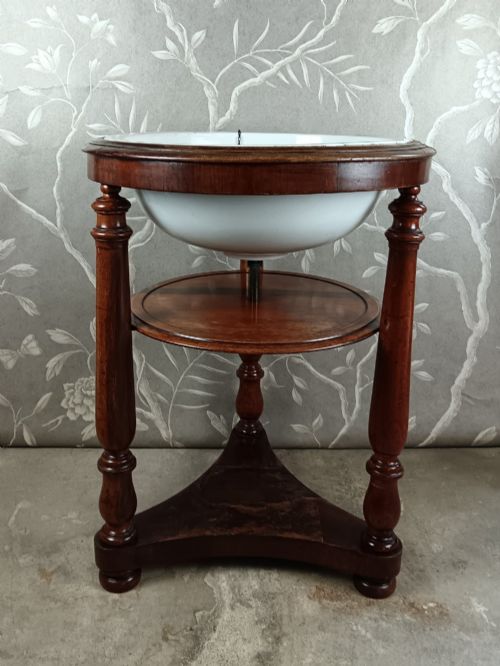


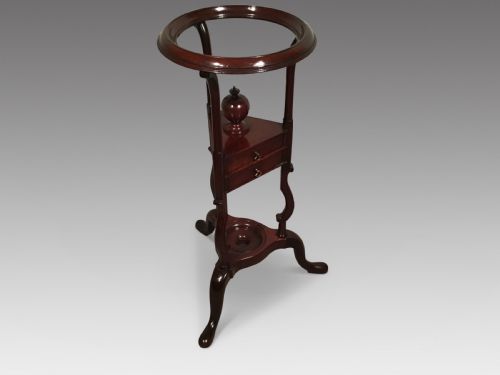


Antique Mahogany Bowl
An antique mahogany bowl brings rich timber grain and classic proportion to a room, serving as a handsome container for fruit or decorative display.
Antique Mahogany Bowl
An antique mahogany bowl encompasses solid timber vessels shaped for serving fruit, holding nuts, or acting as deep decorative containers within a room. These pieces emerge from periods such as the Georgian, Regency, and Victorian eras, reflecting the domestic habits of those centuries.
Makers fashioned these utilitarian and decorative items with straightforward round profiles or deeper structural forms suited to daily use. Each example carries the distinct marks of its period, from simple turned edges to polished display surfaces.
What varies in quality
Quality rests in the selection of the timber, particularly where striking flame mahogany figures or deep colouration add visual weight to the vessel. Superior examples show careful attention to the turning of the rim and the overall balance of the form.
The condition of the polished surface and the preservation of the original wood grain dictate the standing of an individual piece. Lesser examples display heavy wear or unsympathetic repairs that obscure the natural character of the hardwood.
Antique Mahogany Bowl Retail Price Guide 2026
Typical asking prices for mahogany bowl among the pieces listed under this phrase on Sellingantiques today, from the lower quarter to the upper quarter. They describe what is for sale here now, not the wider market.
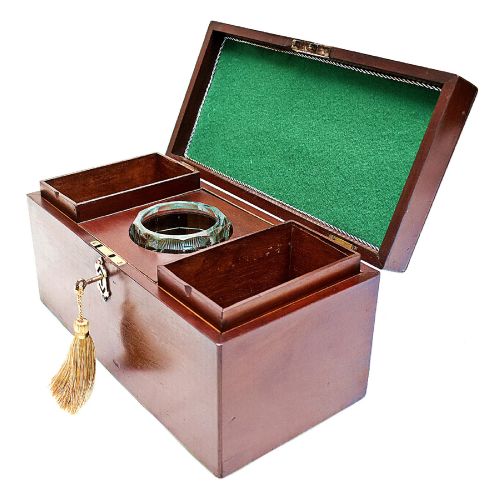
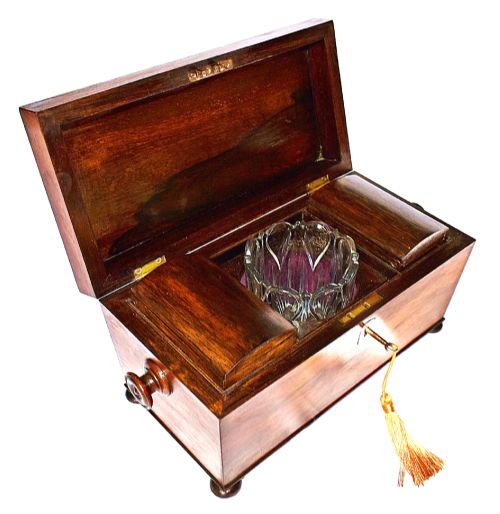
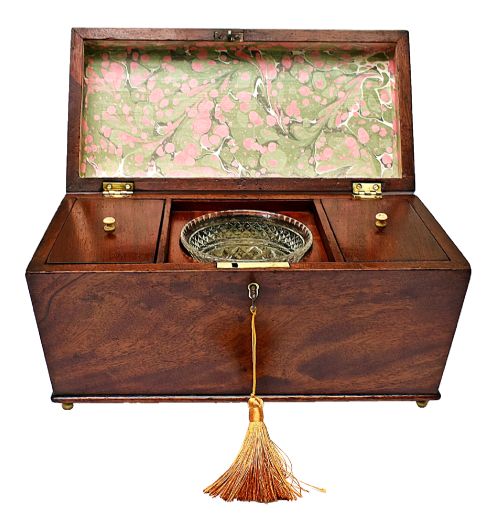
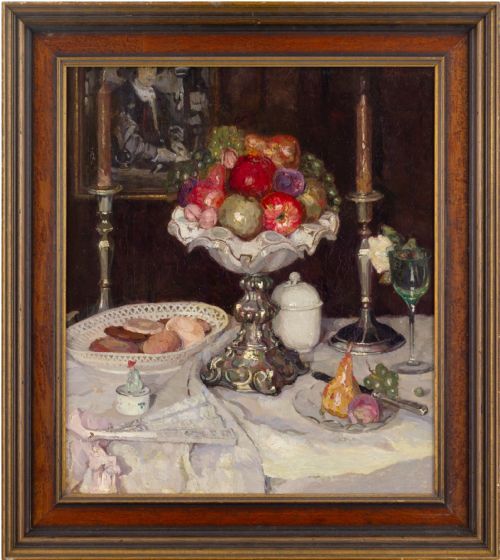
Listings on this page span the Georgian, Regency, and Victorian periods, showcasing mahogany and hardwood items alongside related ceramics and oil paintings.
The Antique Mahogany Bowl Glossary
- Mahogany
- A durable tropical hardwood known for its reddish-brown colour and fine grain. It became the dominant timber for quality British furniture and decorative vessels throughout the eighteenth and nineteenth centuries.
- Georgian
- A design period spanning the reigns of the first four Georges, characterised by classical proportions and solid craftsmanship. Pieces from this era often display restrained ornament and robust construction.
- Regency
- A style period covering the early nineteenth century, noted for archaeological influences and refined classical lines. Furniture and accessories from this time frequently employ striking mahogany veneers and bold turning.
- Flame mahogany
- A decorative veneer cut from the fork of the mahogany tree where the branch joins the trunk. It creates a distinctive, rippled feather pattern highly prized by cabinetmakers.
- Cheese coaster
- A low, wheeled or sled-based tray designed to slide along a dining table for serving cheese or fruit. They are frequently constructed from mahogany to match the dining furniture of the period.
Antique Mahogany Bowl: Frequently Asked Questions
What is an antique mahogany bowl used for?
These wooden vessels served various practical functions in the dining room and parlour, primarily holding fruit, nuts, or cheese during social gatherings. Their deep containers made them suitable for everyday domestic service.
Today, collectors utilise them in much the same manner, placing them on tables or sideboards to display decorative items while bringing warm timber tones into an interior.
How do I date an antique mahogany bowl?
Dating relies on observing the timber grain, the turning style, and the overall construction methods used by the maker. Georgian pieces often display simpler, robust profiles, whereas Regency examples may show more refined classical influences.
Examining the patina and the finish helps determine the age, as older hardwoods develop a deep, soft lustre through centuries of handling and polishing.
How should I care for an antique mahogany bowl?
Maintenance requires keeping the timber away from direct heat sources and strong sunlight, which can dry out and fade the wood. Occasional light dusting and careful application of traditional wax help preserve the surface.
Moisture should be avoided to protect the polish, meaning wet fruit or standing liquids should not be left in direct contact with the timber for extended periods.