



Antique Magnifying Lens
An antique magnifying lens offers precision optics housed in silver, brass, or shagreen, serving both as a functional desk tool and a decorative object.
Antique Magnifying Lens
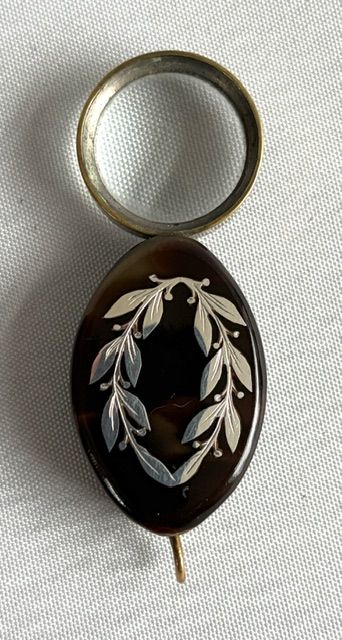
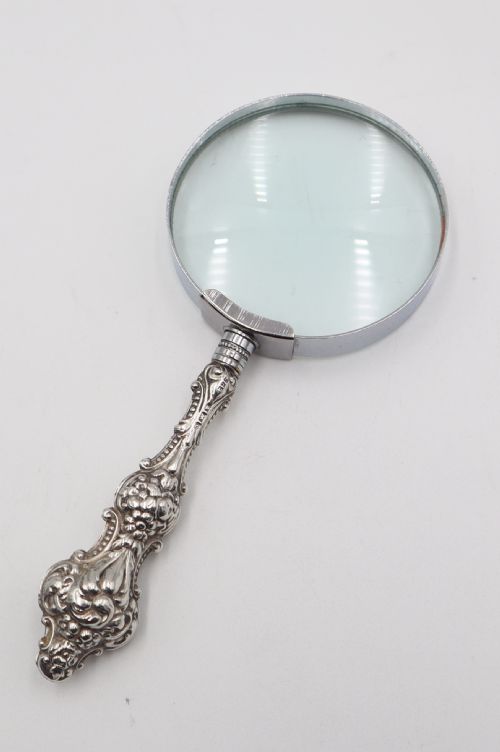
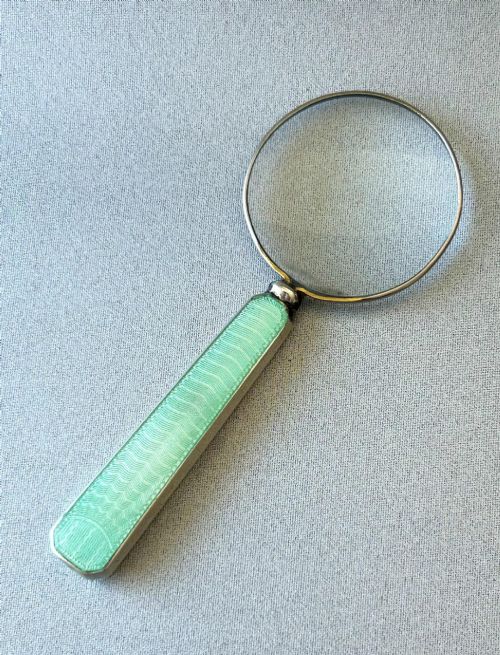
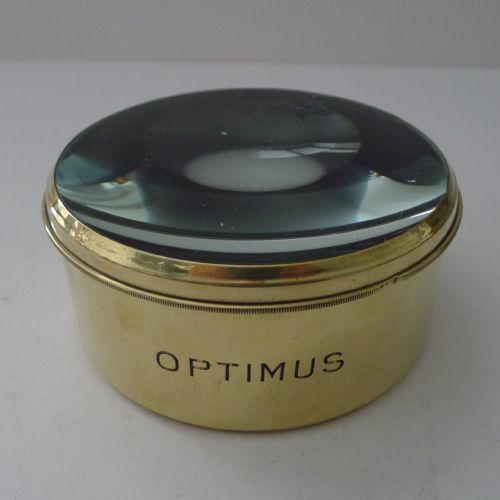
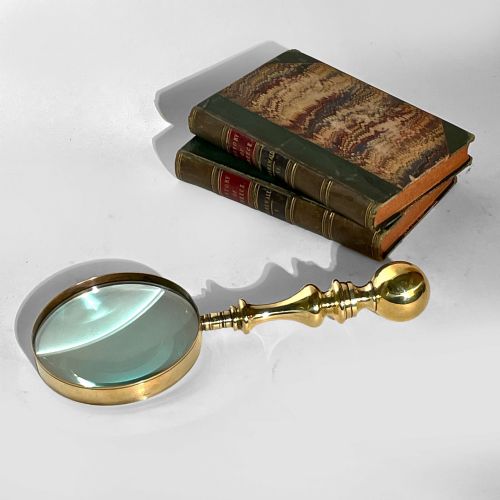
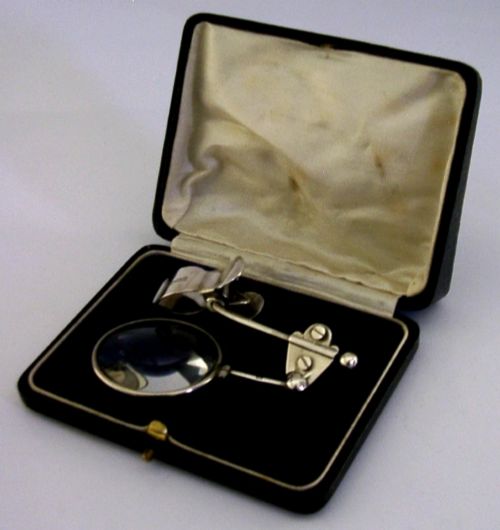
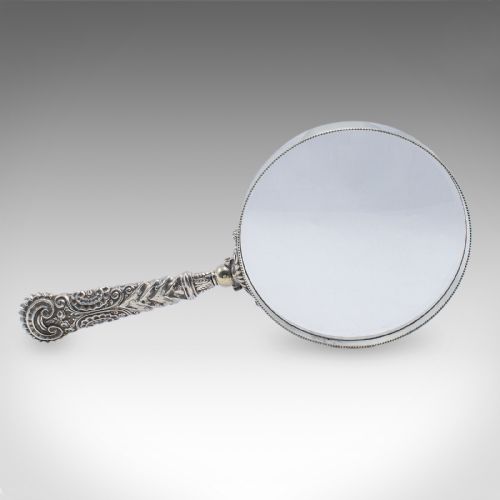
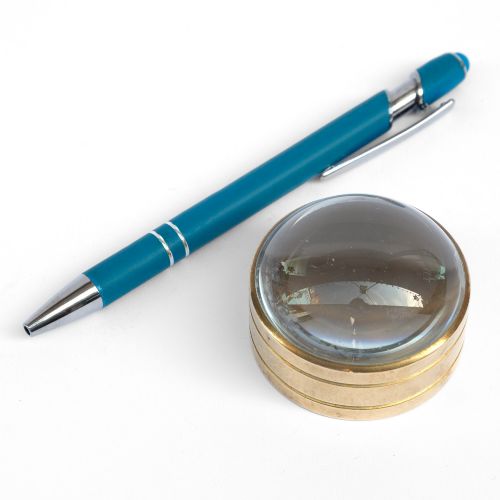
An antique magnifying lens combines glass optics with mounts of sterling silver, silver plate, or brass, taking the form of handheld readers, desk accessories, and paperweights. These items served as library aids, pocket tools, and optical instruments during the nineteenth and twentieth centuries.
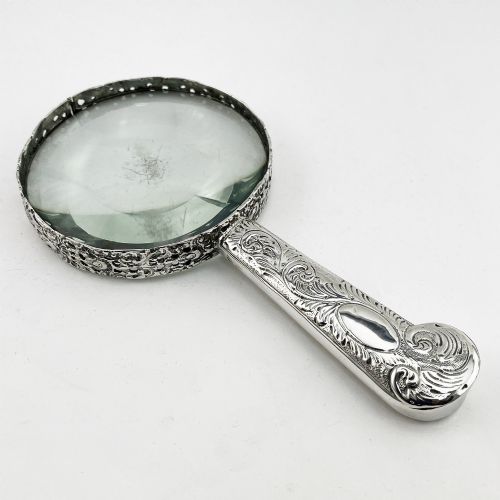
The selections encountered most frequently on this page span the Victorian and Edwardian eras through to the Art Deco period and the mid-twentieth century. Handheld sterling silver models and heavy brass desk magnifiers dominate the available forms, reflecting the daily needs of past readers and writers.
How they were made
Glass lenses are set into metal mounts of cast or turned brass, sterling silver, and silver plate, often utilising threaded bezels or secure collar settings. Handles are formed from solid silver, wrapped in leatherette, or covered in textured shagreen over a solid core.
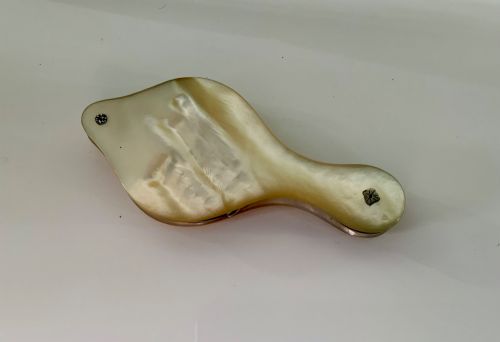
Specialised pieces incorporate folding mechanisms, pivoting stands, or sliding cases made from velvet and celluloid. Makers utilised hallmarked silver standards alongside quality brass castings to ensure durability in daily desk use.
Antique Magnifying Lens Retail Price Guide 2026
Typical asking prices for magnifying lens among the pieces listed under this phrase on Sellingantiques today, from the lower quarter to the upper quarter. They describe what is for sale here now, not the wider market.
Some nineteenth-century readers used a thumb magnifier to tie fishing flies on the riverbank.
What varies in quality
Optical clarity and weight distribution separate standard examples from finer library instruments. The thickness of the glass lens and the precision of the focal adjustment dictate the optical performance of each piece.
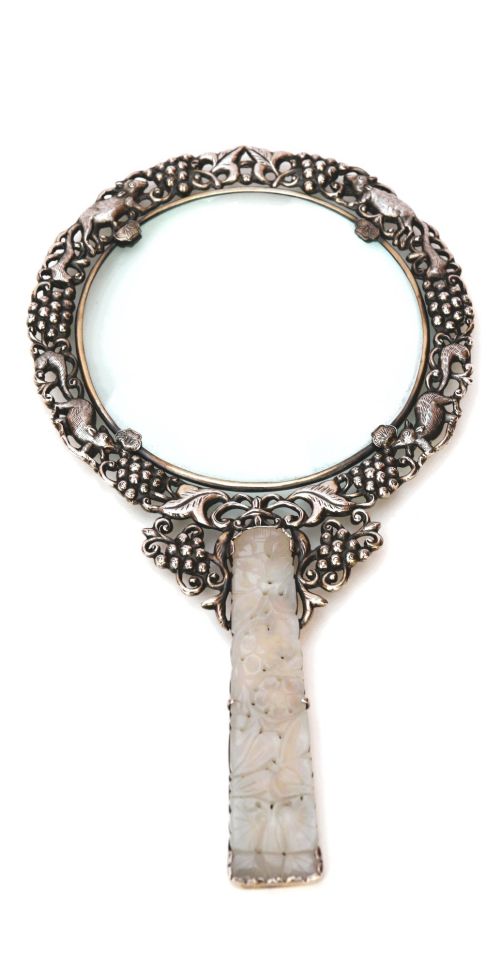
Material choice and maker reputation define the upper tier of the range, particularly items featuring shagreen coverings, jade mounts, or fully articulated brass desk stands. Hallmarked precious metals and signed cases indicate higher production standards.
Mappin and Webb·CW Dixey London·P H Vogel and Co·Francis West of Fleet Street
The Antique Magnifying Lens Glossary
- Stanhope lens
- A type of microscopic lens that reveals a tiny micro-photograph when held to the eye. It is integrated into various optical novelties.
- Shagreen
- A textured leather prepared from the skin of sharks or rays, utilised to cover the handles and frames of luxury desk accessories. This material was favoured during the Art Deco period for its tactile grip and distinctive pattern.
- Quizzer
- A small handheld magnifying glass or monocular designed for quick examination of prints and texts. These portable optical aids were popular in the nineteenth century.
- Double lens
- An optical arrangement utilising two glass elements to increase magnification power. Such lenses appear in folding pocket frames and heavy desk magnifiers.
Antique Magnifying Lens: Frequently Asked Questions
What is an antique magnifying lens used for?
These optical instruments were designed for reading small text, inspecting maps, and examining fine details in books or documents. Many served as permanent desk accessories or library aids for everyday study.
Portable versions were carried in pockets or travel cases for use outside the home. Larger desk models doubled as paperweights when not actively utilised for reading.
How do I date an antique magnifying lens?
Dating relies on hallmarks stamped on silver mounts, maker signatures, and the overall style of the piece. Victorian and Edwardian examples often feature ornate floral chased work or plain silver bands.
Art Deco items typically display geometric forms and materials like shagreen. Mid-century examples show cleaner lines and modern industrial styling.
What materials are used in these lenses?
Lenses are invariably made from glass, occasionally paired in double or triple configurations. Mounts and handles utilise brass, sterling silver, silver plate, and jade.
Handles are frequently wrapped in shagreen, leatherette, or celluloid. Fitted storage cases often feature interior linings of velvet.
Are these lenses still effective for reading?
Most antique lenses retain their optical clarity and function well for reading small print or examining details. The quality of the glass determines the sharpness of the magnified image.
Desk magnifiers on stands require no holding, allowing hands-free viewing of maps and large documents. Handheld silver and brass versions offer portable magnification.