


Antique Madonna Portrait Art
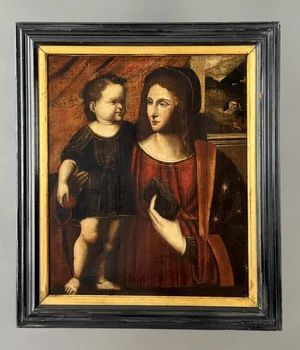
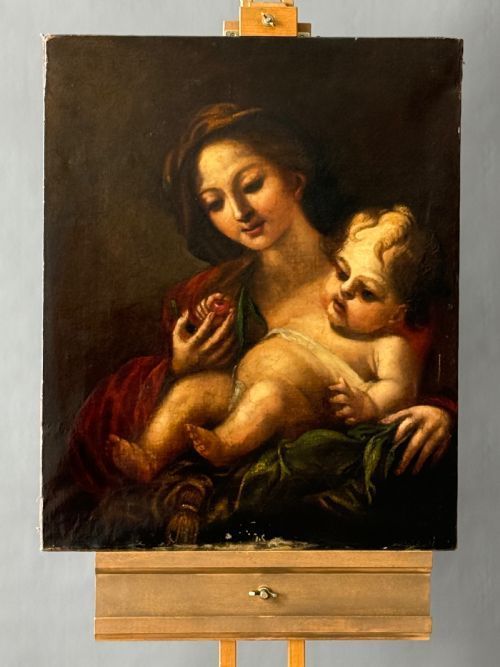
Antique madonna portrait art brings centuries of devotion and masterwork into a room, offering quiet contemplation through centuries-old oil paintings and fine wood panels.
Antique Madonna Portrait Art
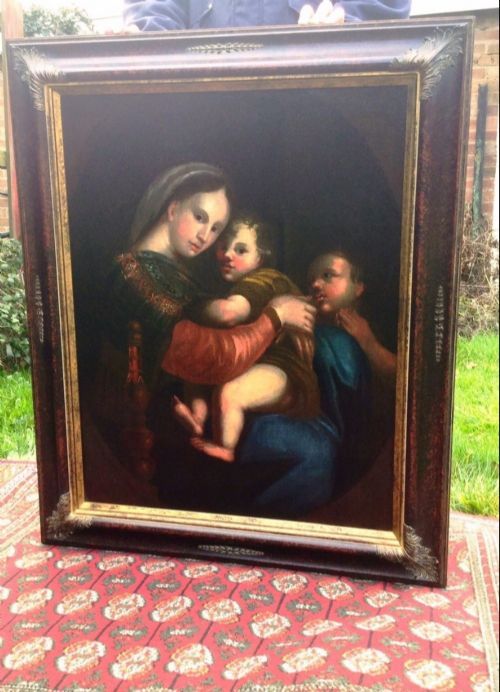
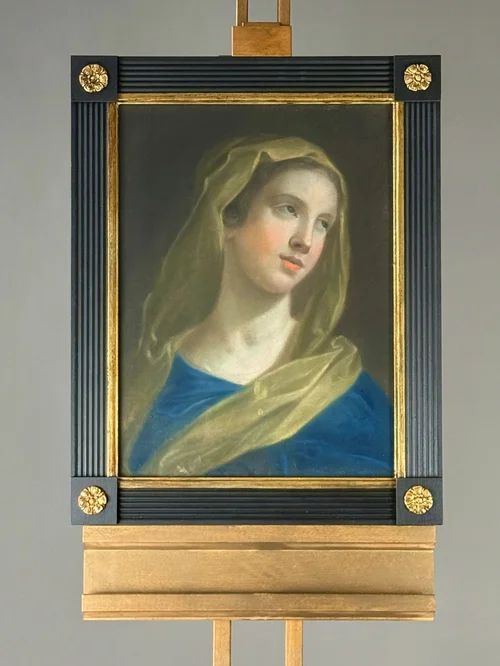
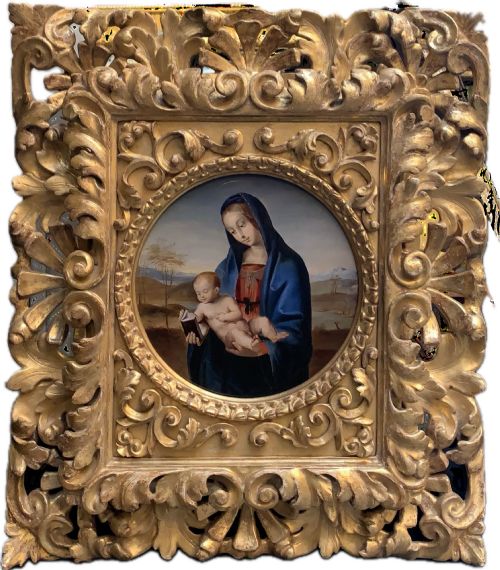
Antique madonna portrait art encompasses centuries of devotional imagery, spanning from sixteenth-century Renaissance depictions to eighteenth-century Baroque interpretations and nineteenth-century revivals. These works present the Virgin Mary alone or with the Christ Child, often drawing inspiration from renowned masters such as Raphael, Correggio, and Murillo.
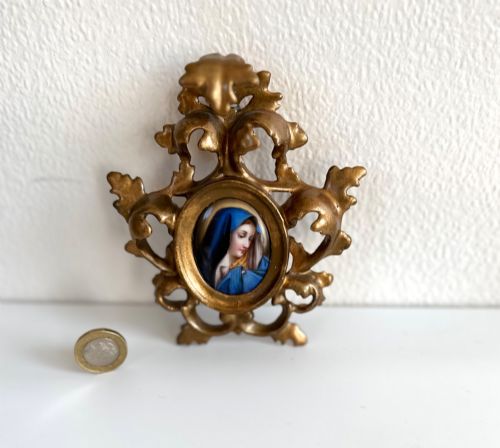
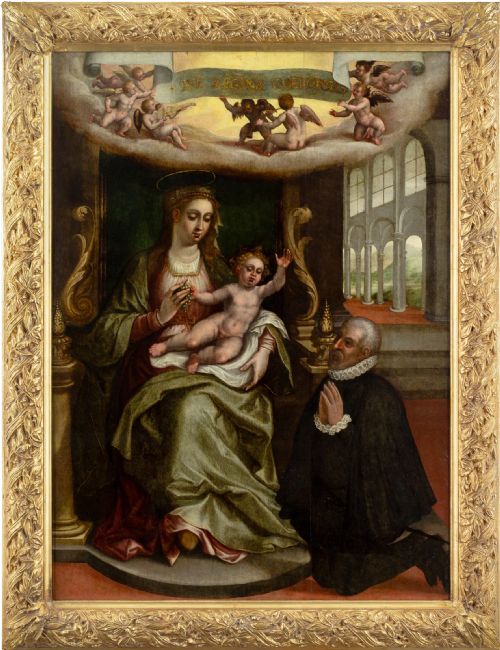
The pieces appearing on this page range from intimate miniature portraits on canvas to large oil paintings housed in elaborate giltwood frames. Works originate from Italian and Spanish schools, reflecting regional variations in religious iconography and portraiture conventions.
Buyers encounter both original period compositions and later iterations created by followers, workshops, or artists painting after established masters. This variety allows collectors to select pieces ranging from small domestic devotional panels to substantial salon-scale old master works.
Judging quality
Quality in these portraits rests upon the delicacy of the brushwork, the handling of light and shadow, and the expressiveness of the figures' faces. A strong piece demonstrates anatomical confidence and subtle tonal gradation in the drapery and skin tones.
The integrity of the original surface and the sensitivity of any historical restoration significantly influence the standing of a painting. Finer works retain their original pigment depth and compositional clarity, while lesser examples may show heavy overpainting or rigid execution by provincial copyists.
Listings feature works spanning from the sixteenth century through the Victorian era, utilising oil on canvas, fruitwood panels, and giltwood frames.
Benedetto Luti·Miguel Barroso·Francesco Solimena·Pompeo Batoni·Ambrious Benson
The Antique Madonna Portrait Art Glossary
- Old Master
- A European artist of high skill working before the nineteenth century, or a painting by such an artist. These works form the foundation of historical portrait collections.
- Giltwood
- Wood carved and covered with a thin layer of gold leaf or gold paint. This finish defines the ornate frames typical of religious art.
- Gesso
- A plaster mixture used as a smooth base for painting on wood panels or canvas. It provides a durable ground for fine oil work.
- Baroque
- An artistic style prevalent from the seventeenth to mid-eighteenth century, characterised by dramatic movement and deep colour contrast. Works in this style emphasise emotional intensity.
- Provenance
- The chronological record of ownership of a work of art. Documented history adds significant context to antique paintings.
Antique Madonna Portrait Art: Frequently Asked Questions
How are these portraits authenticated?
Authentication relies on examining pigment composition, canvas age, stretcher construction, and stylistic adherence to known periods. Experts also research historical provenance records when available.
Comparison with documented works by followers or workshops helps determine whether a painting is a direct period production or a later study.
What is the difference between an original and an after-piece?
An original composition stems directly from an artist's imagination and primary design. Pieces marked as 'after' a master are historical reproductions painted by later artists studying established works.
Both categories hold antique status if executed in the recorded period, but primary compositions generally command greater art historical interest.
How should I care for an oil painting on wood?
Wood panels respond to fluctuations in relative humidity and temperature. Keeping paintings away from direct heat sources and sunlight preserves the stability of the panel and the integrity of the paint.
Stable indoor climates prevent the wood from warping and protect the delicate gesso and oil layers from cracking.
Can I hang these paintings in direct sunlight?
Direct sunlight damages historical pigments, varnishes, and canvas fibres over time. Placing religious portraits away from windows preserves the original colour balance.
Using specialised UV-filtering glass in framing provides an extra layer of protection for sensitive oil and pastel works.