

Antique Low Nursing Chair
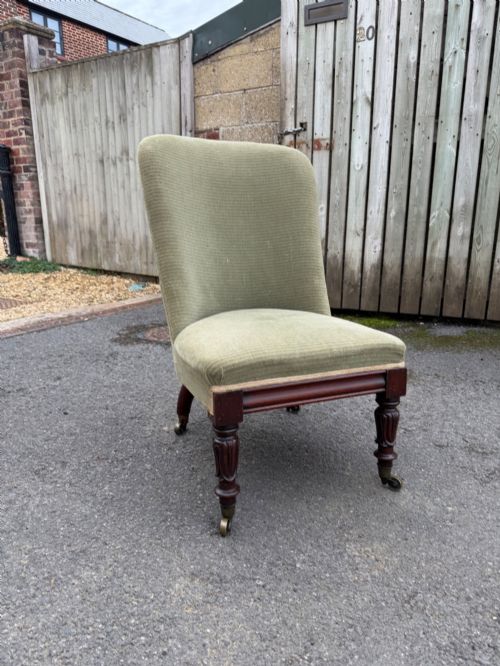
An antique low nursing chair offers a diminutive seat designed for comfort by the hearth or bedside, combining period timber frames with deep upholstery.
Antique Low Nursing Chair
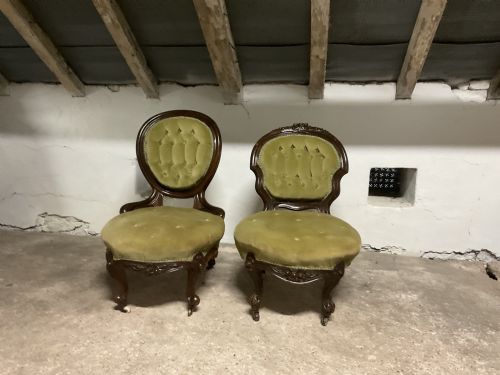
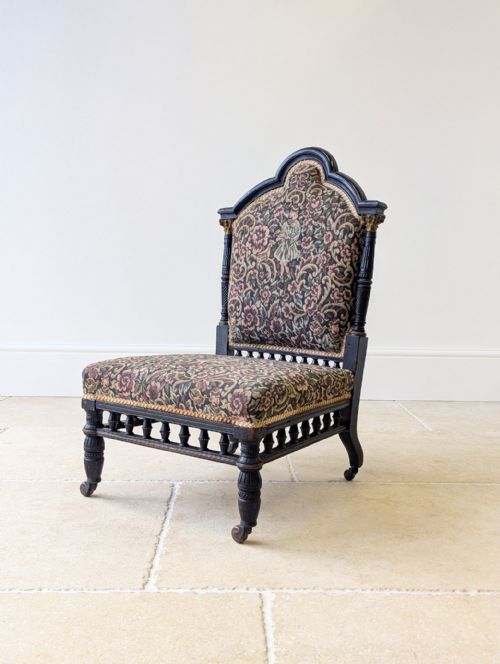
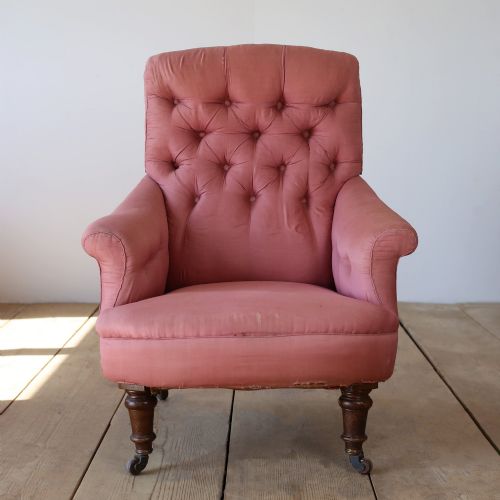
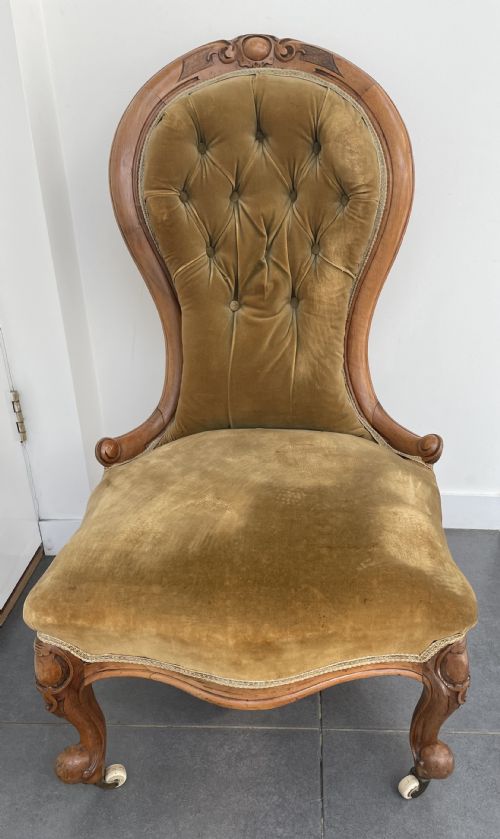
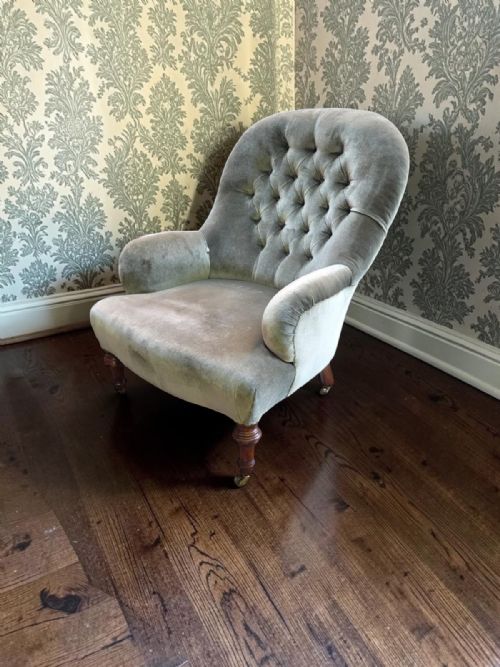
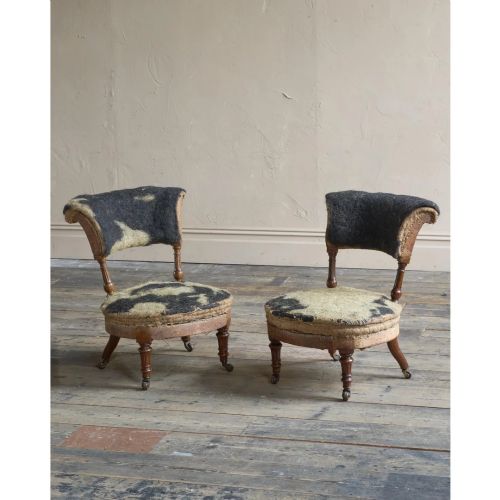
An antique low nursing chair is primarily found in Victorian and Edwardian iterations across this selection, appearing alongside Georgian and George IV antecedents. These pieces span bedroom chairs, slipper chairs, and low salon seating designed with compact proportions and low-slung seats.
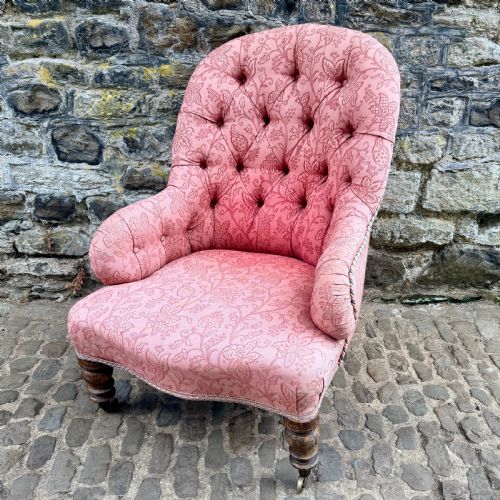
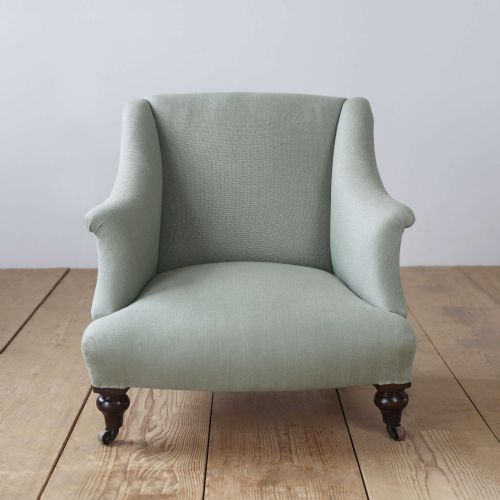
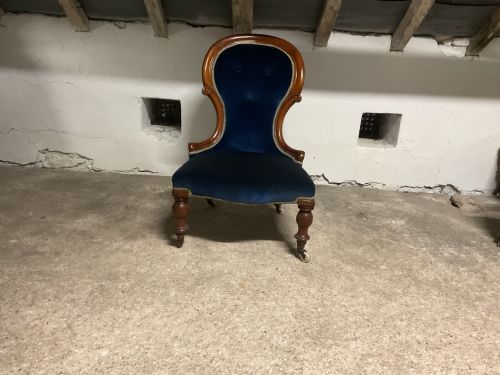
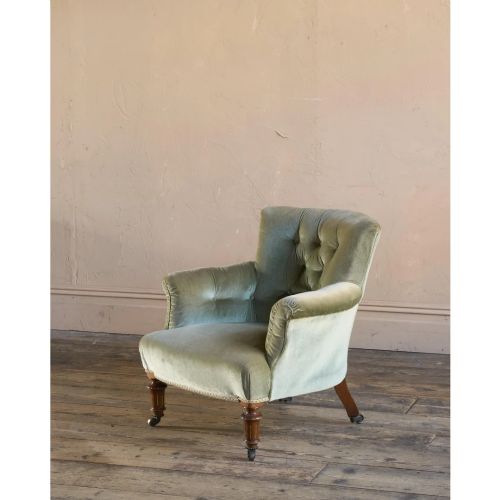
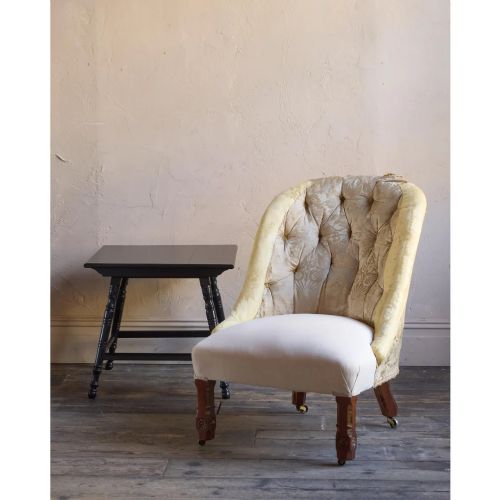
The form encompasses button-backed armchairs, tub chairs, and occasional seating with distinctive low profiles intended for domestic comfort. Walnut and mahogany frame woods predominate, often accompanied by original or replacement fabric and velvet upholstery.
How they were made
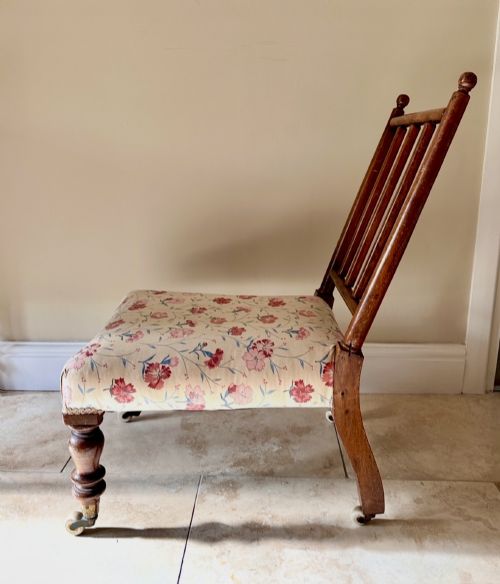
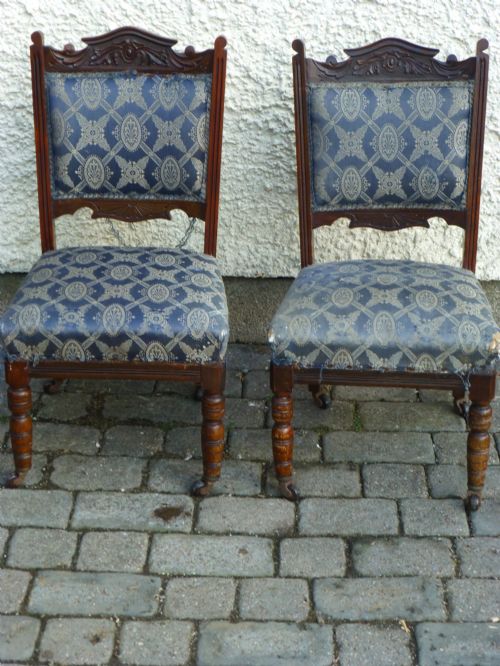
Cabinetmakers constructed the frames using hardwoods such as walnut, mahogany, rosewood, and ebonised timber, occasionally employing giltwood or brass details. Structural supports include turned bobbin frames, barley twist legs, and carved woodwork.
Upholstery techniques typically feature button backs, sprung seats, and decorative fringe trim. Fabrics applied to these frames range from traditional leather and velvet to modern patterned textiles.
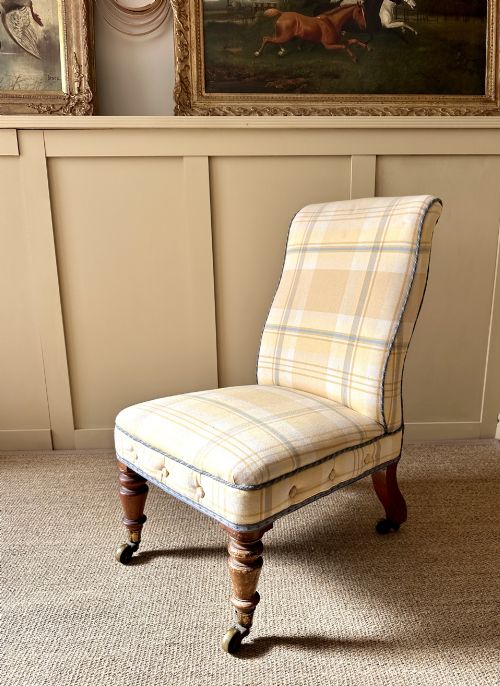
The selection includes specific nineteenth-century forms such as slipper chairs, tub chairs, and bobbin-framed bedroom seating.
What varies in quality
The distinction between standard production and exceptional manufacture rests in the depth of timber carving and the sophistication of the frame silhouette. Pieces bearing maker stamps or originating from prominent workshops demonstrate superior cabinetmaking skill.
Proportion and structural integrity dictate the standing of each piece, where refined scroll backs, balanced low seats, and robust hardwood frames elevate the chair above simpler domestic examples.
Gillows·Howard and Sons
The Antique Low Nursing Chair Glossary
- Nursing chair
- A low-seated upholstered chair traditionally used in bedrooms or nurseries during the nineteenth century. These chairs feature shortened legs to allow comfortable seating while tending to infants.
- Slipper chair
- An upholstered bedroom chair characterised by its low seat and absence of arms, originally designed to assist women with putting on shoes. They share similar proportions with nursing chairs.
- Button back
- An upholstery style where depressions are formed in the padding by pulling buttons or tufts deep into the stuffing in a diamond pattern. This technique secures the filling and creates a tailored appearance.
- Bobbin framing
- A type of turned woodwork where the timber leg or stretcher resembles a succession of bobbins or spools. It is frequently seen on late nineteenth-century decorative frames.
- Bergere
- A closed-arm upholstered armchair with a wooden frame where the sides are typically filled with cane work or upholstery. These chairs appear in refined nineteenth-century forms.
Antique Low Nursing Chair: Frequently Asked Questions
What is an antique low nursing chair?
An antique low nursing chair is a short-framed Victorian or Edwardian seat designed with a low profile for domestic comfort by the fireplace or bedside.
These pieces typically feature upholstered button backs and compact wooden frames intended to fit into smaller nineteenth-century rooms.
How were nursing chairs originally used?
These chairs served primarily in bedrooms and nurseries where women required a low seat for nursing infants or dressing.
The shortened legs allowed the sitter to remain close to the floor while maintaining a supportive upholstered back.
How do I identify a Victorian nursing chair?
Victorian examples generally feature walnut or mahogany frames with characteristic nineteenth-century details like button-backed upholstery, turned legs, or carved walnut woodwork.
Their low seats and diminutive proportions distinguish them from standard parlour armchairs of the same era.
Can I live with these chairs daily?
These pieces integrate well into modern living rooms and bedrooms as accent or occasional seating, provided the underlying frame remains sturdy and sound.
Many examples tolerate regular use, though older fabric or degraded internal stuffing may require professional reupholstery.