







Antique Loving Mug
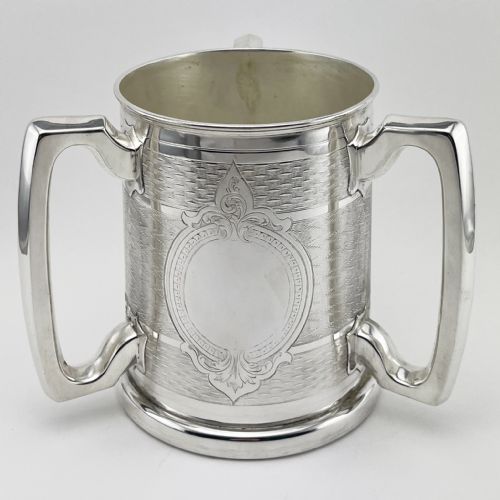
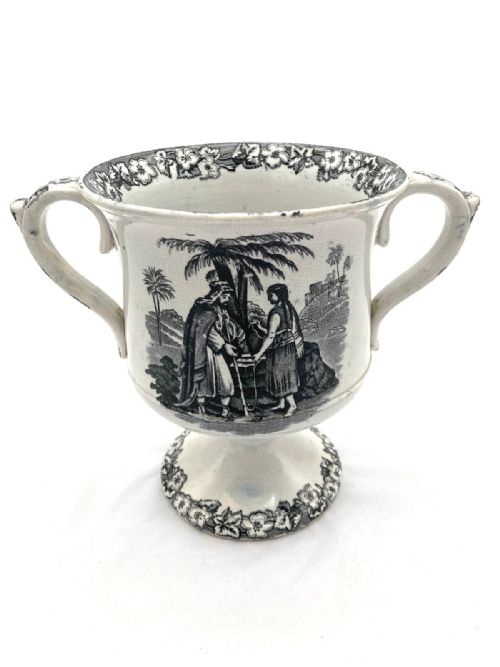
An antique loving mug is a communal two-or-three-handled drinking vessel passed between friends, prized for its social history and ceramic artistry.
Antique Loving Mug
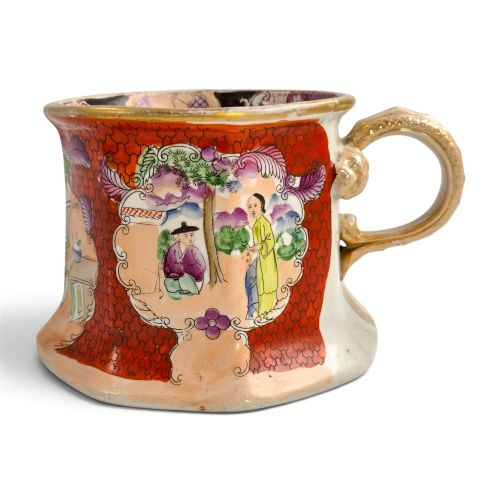
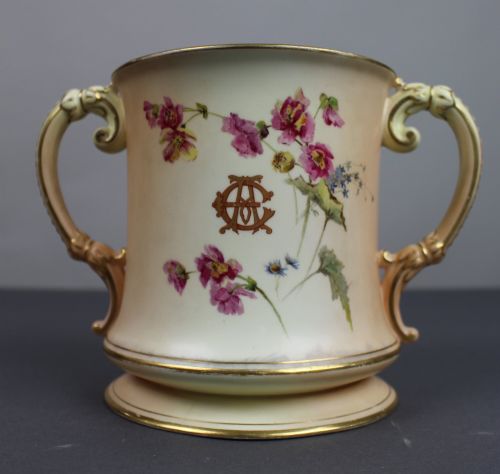
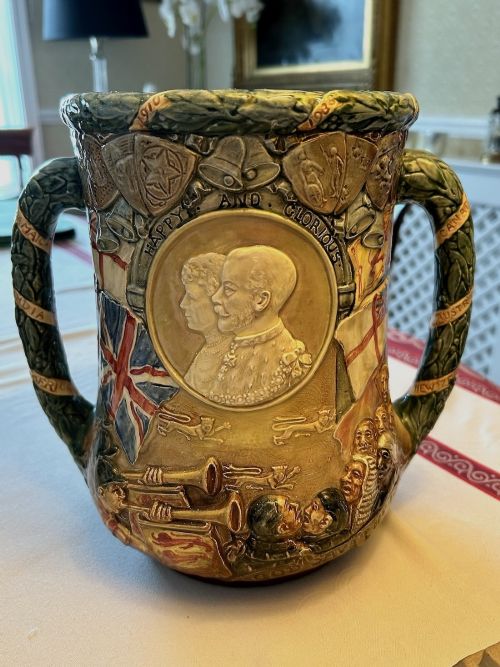
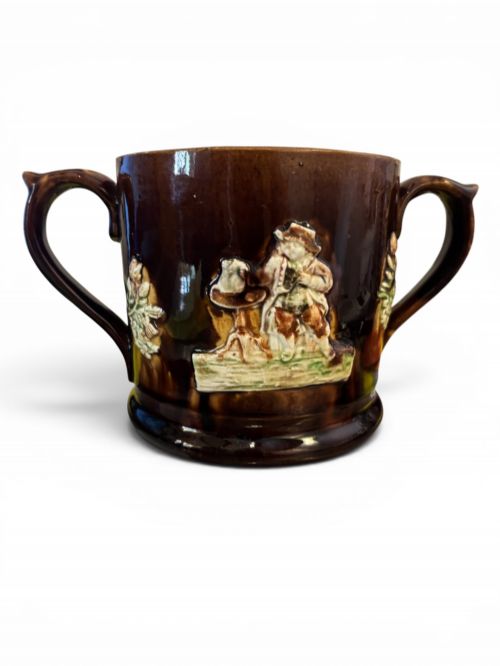
An antique loving mug, often formed as a substantial two-handled or three-handled vessel, stands ready for communal toasts and social gatherings. The pieces recorded here span centuries of British ceramic production, from Georgian earthenware to later porcelain issues.
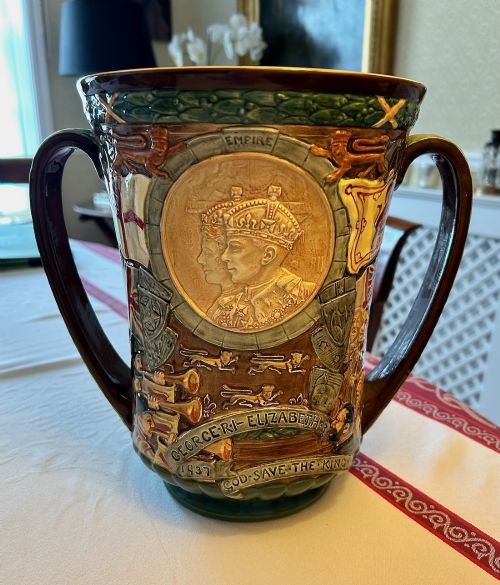
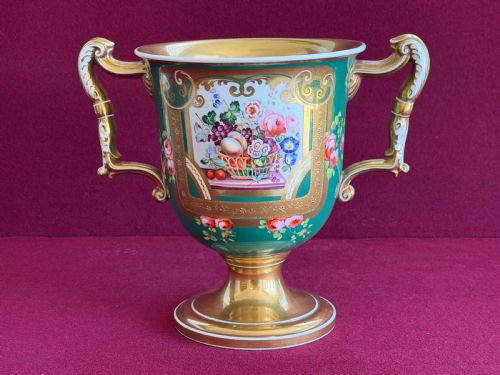
Makers utilised various traditional forms, including multi-handled tygs and pedestalled vessels designed for shared ale consumption. The selections range from utilitarian earthenware to finely painted porcelain commemoratives bearing royal portraits.
The materials and styles reflect distinct periods of manufacture, notably Victorian and Edwardian examples decorated with transfer printing or hand-painted details. Many specimens incorporate humorous interior elements, such as ceramic frogs or newts placed within the base to surprise the drinker.
Materials and Techniques
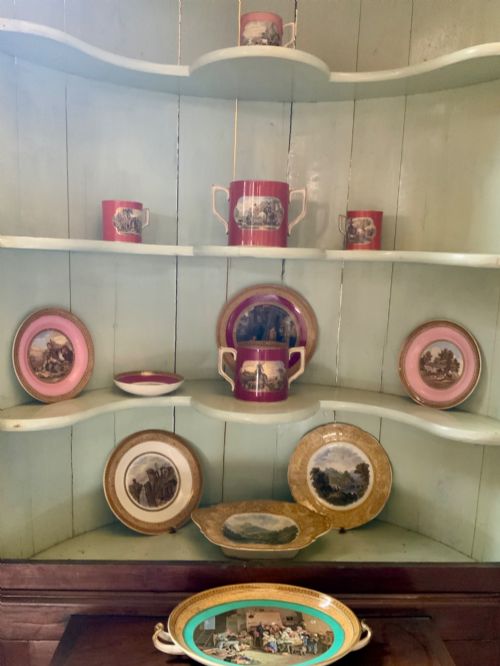
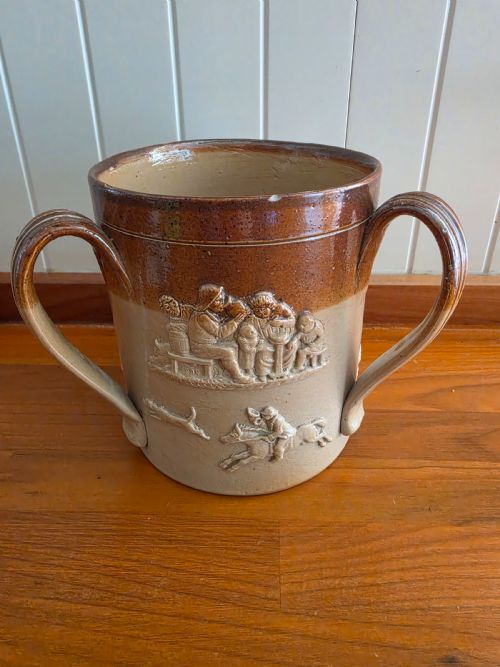
Potters shaped these vessels from earthenware, stoneware, and porcelain, applying coloured glazes and enamel highlights to the surfaces. Transfer printing allowed workshops to cover bodies with detailed hunting scenes and topographical views.
Gilding and gold leaf often accent rims and handles, particularly on porcelain pieces produced by prominent factories. Stoneware examples frequently feature applied decoration or incised slip work before firing.
Antique Loving Mug Retail Price Guide 2026
Typical asking prices for loving mug among the pieces listed under this phrase on Sellingantiques today, from the lower quarter to the upper quarter. They describe what is for sale here now, not the wider market.
Several vessels hide ceramic frogs and newts inside, designed to leap out at the drinker when the ale runs low.
Evaluating Execution and Finish
Quality rests in the crispness of the modelling and the precision of the hand-painted or transfer-printed decoration. Finer examples display balanced proportions across multiple handles and cleanly executed rims.
The sophistication of the glaze and the complexity of any internal moulded figures, such as frogs or newts, separate standard production from superior work. Exceptional pieces combine accomplished artistry with well-preserved gilding and transfer work.
Royal Worcester·Royal Doulton·Doulton Lambeth·H and R Daniel·Wemyss·Wedgwood·George Ernest Hawkins
The Antique Loving Mug Glossary
- Tyg
- A traditional English drinking vessel featuring three or more handles designed for passing around a company. This form appears frequently in stoneware and earthenware.
- Pearlware
- An refined earthenware developed by Josiah Wedgwood in the late eighteenth century. It possesses a pale bluish glaze that pools slightly in crevices.
- Prattware
- A type of earthenware popular in the nineteenth century characterised by underglaze polychrome decoration in restricted colours like ochre, blue, and brown.
- Transfer printing
- A method of applying pre-printed paper designs onto ceramic surfaces from engraved copper plates. This technique permitted intricate pictorial scenes to be reproduced rapidly.
- Silver mount
- A protective or decorative band of silver applied to the rim or base of a ceramic vessel. These mounts were often added by silversmiths to reinforce vulnerable edges.
Antique Loving Mug: Frequently Asked Questions
What is an antique loving mug?
An antique loving mug is a multi-handled drinking vessel historically used for communal toasts at celebrations and feasts. Multiple handles allowed guests to pass the vessel securely among themselves.
These pieces range from humble earthenware tygs to fine porcelain commemoratives. Many incorporate decorative transfers, hand-painted motifs, or humorous interior figures.
Why do some loving mugs have frogs inside?
Makers placed ceramic frogs, newts, or other small creatures inside the base of the vessel to surprise the drinker as the contents emptied. This practical joke was a popular feature of drinking culture in past centuries.
Such elements turned the final sips into a game for the person holding the vessel. They remain a distinct marker of traditional tavern and social ceramics.
How do I identify a Victorian loving mug?
Victorian examples often display characteristic nineteenth-century styles such as transfer-printed hunting scenes, bright polychrome enamels, or salt-glazed stoneware bodies. Makers during this era frequently utilised robust earthenware and pearlware forms.
Many pieces from this period also feature silver rims or mounts added to protect the ceramic edge. Examining the glaze and decorative motifs helps confirm the manufacturing era.
Were loving mugs used for everyday drinking?
Most surviving examples were made for special occasions, commemorations, or festive gatherings rather than daily use. Their large capacity and multiple handles suited communal passing during celebrations.
Some refined porcelain versions served primarily as decorative display items rather than functional vessels. Their survival in good condition often reflects this careful preservation.