



Antique Lounge Bed
An antique lounge bed offers a singular place for daytime rest, bringing together centuries of woodwork, upholstery and metalwork.
Antique Lounge Bed
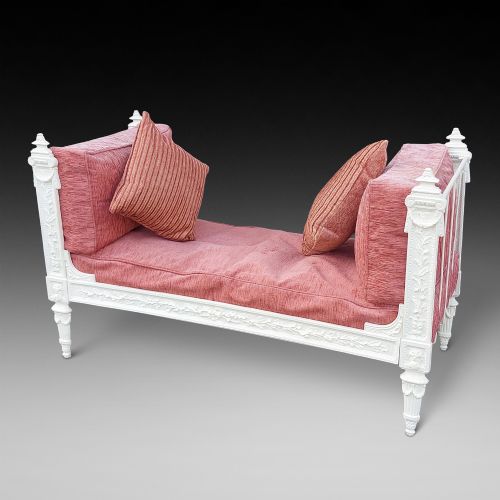
When you search for an antique lounge bed, you encounter a varied group of daybeds, chaise longues, and campaign furniture originating from the eighteenth, nineteenth, and early twentieth centuries. These pieces serve for reclining and daytime sleeping, taking forms from English country houses, French provincial settings, and Chinese workshops.
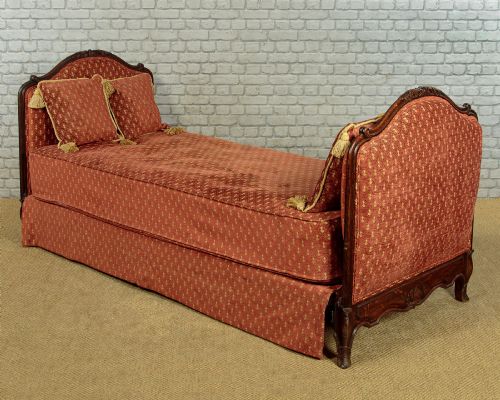
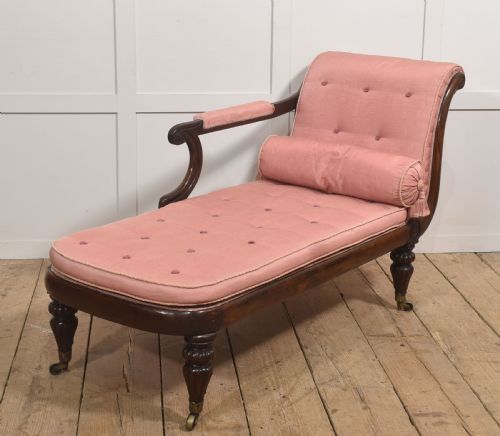
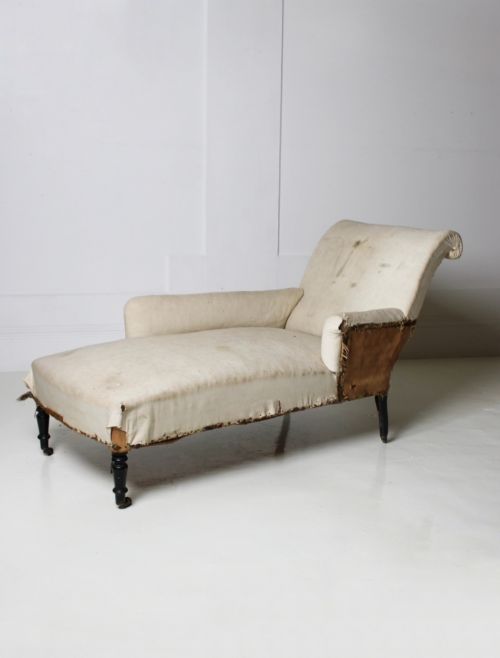
The versions most frequently met on this page date from the nineteenth century, spanning Regency, Victorian, and Edwardian periods. They appear in mahogany, rosewood, hardwood, cast iron, and wrought iron, often upholstered in fabric, velvet, calico, or fitted with cane seating.
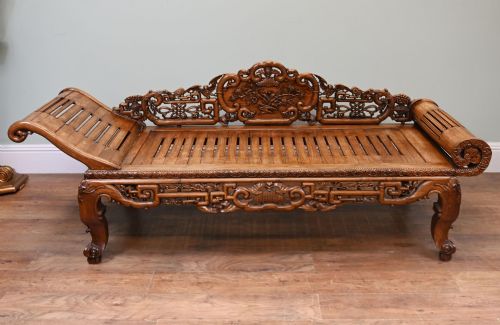
Examples range from formal Regency mahogany chaises and Howard style daybeds to Chinese hardwood opium benches, campaign day beds with detachable legs, and garden daybeds intended for outdoor use. Each piece reflects the domestic habits of its period, whether designed for a grand drawing room, a colonial campaign, or a quiet window seat.
Materials and Technique
The construction of these pieces relies heavily on dense timbers such as mahogany, rosewood, and hardwood, alongside structural metals like cast and wrought iron. Woodworkers shaped frames through traditional joinery, turning legs, carving details, and applying ebonised or gilt decoration.
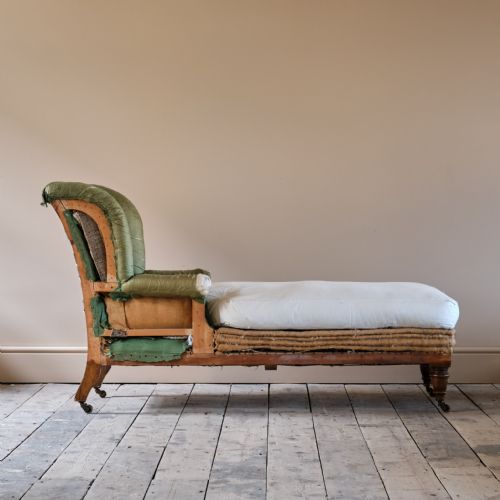
Upholstered variants incorporate fabrics including velvet, calico, and standard upholstery textiles, supported by underlying structures such as cane seating. Campaign pieces introduce functional mechanics like detachable legs and adjustable frames designed for portability.
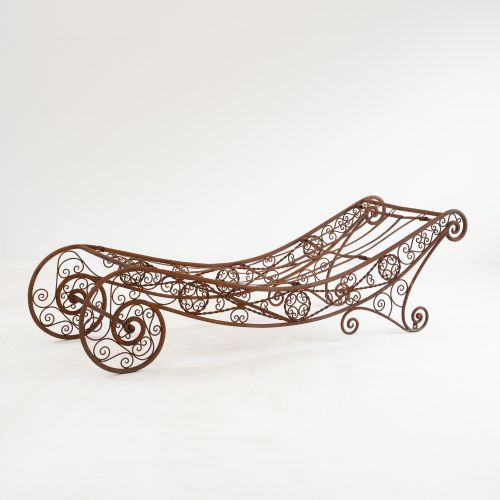
Metal daybeds utilise cast iron and wrought iron techniques to form rigid structures suitable for garden environments or robust daily use. Artisans combined these durable frameworks with turned wooden elements and castors to ensure mobility.
Antique Lounge Bed Retail Price Guide 2026
Typical asking prices for lounge bed among the pieces listed under this phrase on Sellingantiques today, from the lower quarter to the upper quarter. They describe what is for sale here now, not the wider market.
Some nineteenth century daybeds double as stargazers' chairs, proving that historical relaxation required looking up at the cosmos.
Evaluating the Pieces
Quality rests in the integrity of the frame construction and the preservation of original materials, such as untouched rosewood, mahogany, or carved hardwood details. Pieces retaining original castors, turned legs, and period surface finishes hold greater architectural clarity.
The refinement of carving and decorative treatment distinguishes standard examples from exceptional ones. Gilt decoration, intricate woodwork, and documented makers' marks elevate the standing of a piece within its period.
H. Goodall & Sons·Howard & Sons·Willian Trotter·Hampton & Sons
The Antique Lounge Bed Glossary
- Daybed
- A form combining a chair, bed, and sofa, designed for daytime reclining and resting in living spaces or bedrooms.
- Campaign Bed
- Portable furniture designed for travel and military use, often featuring detachable legs and collapsible frames for ease of transport.
- Cane Seating
- Woven rattan material used to form breathable seat panels within wooden frames, common in period seating.
- Castor
- A small wheel mounted on a swivel assembly attached to the legs of furniture to allow smooth rolling and repositioning.
Antique Lounge Bed: Frequently Asked Questions
What is an antique lounge bed?
An antique lounge bed is a historic piece of furniture designed for reclining during the day, encompassing daybeds, chaise longues, and campaign beds. These items date primarily from the eighteenth to the early twentieth centuries.
They appear in various materials including mahogany, rosewood, iron, and carved hardwood, reflecting different domestic uses from formal drawing rooms to practical travel settings.
How were daybeds used historically?
Historically, daybeds provided a versatile place for daytime resting, reading, or receiving visitors without retiring to a full bedroom. They stood in reception rooms, libraries, and bedrooms across grand houses and modest homes alike.
Campaign versions served travellers and military officers on the move, while garden daybeds offered outdoor lounging.
How do I live with an antique lounge bed?
Living with these pieces involves placing them where their form can be appreciated, such as alongside a window, at the foot of a bed, or as a seating alternative in a living room. Their varied lengths and backrest styles allow them to function as sculptural focal points.
Care requires respecting the age of the textiles, woods, and irons by avoiding excessive weight or moisture.
How do I tell periods apart?
Periods are distinguished through characteristic woods, decorative motifs, and construction techniques. Regency pieces often showcase clean mahogany lines, while Victorian examples lean towards heavier rosewood, turned legs, and buttoned upholstery.
Edwardian and later pieces introduce gilt decoration or simpler proportions, and campaign styles reveal utilitarian folding joints and detachable parts.