
Antique Louis Mirror
An antique louis mirror brings French decorative history into a room through carved giltwood frames and historic glass plates.
Antique Louis Mirror
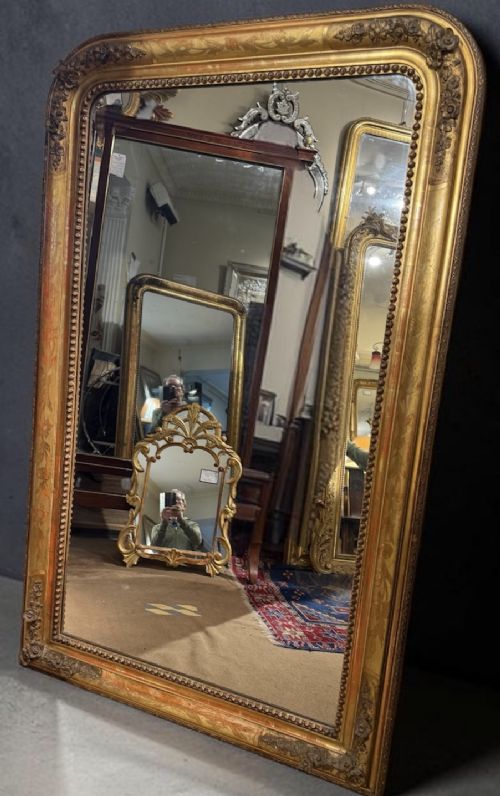
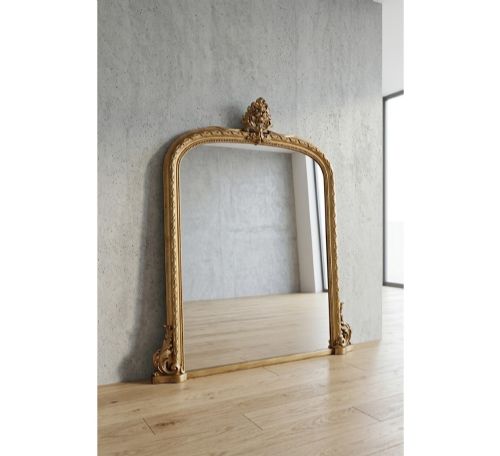
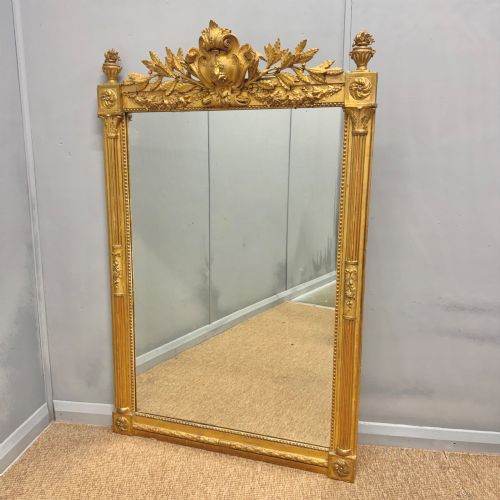
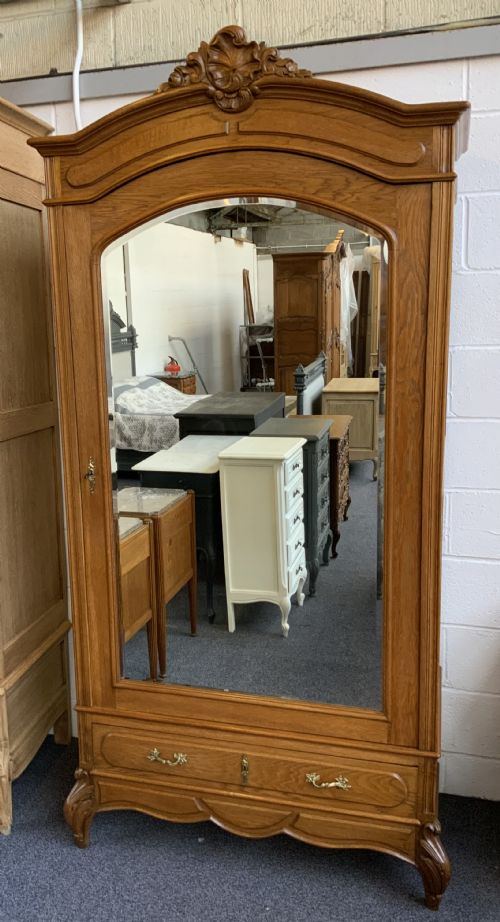
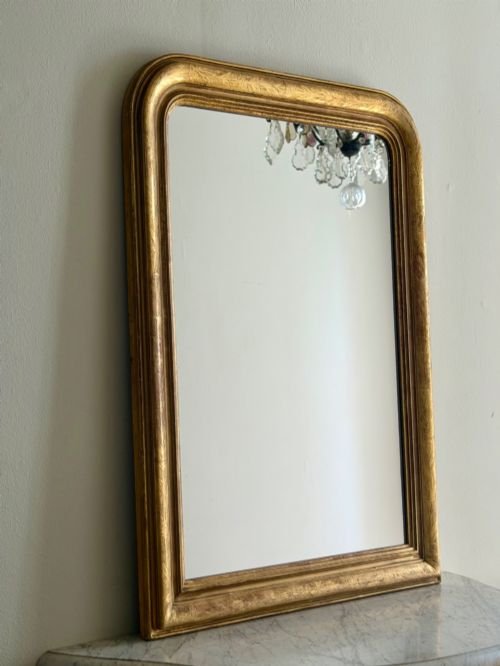
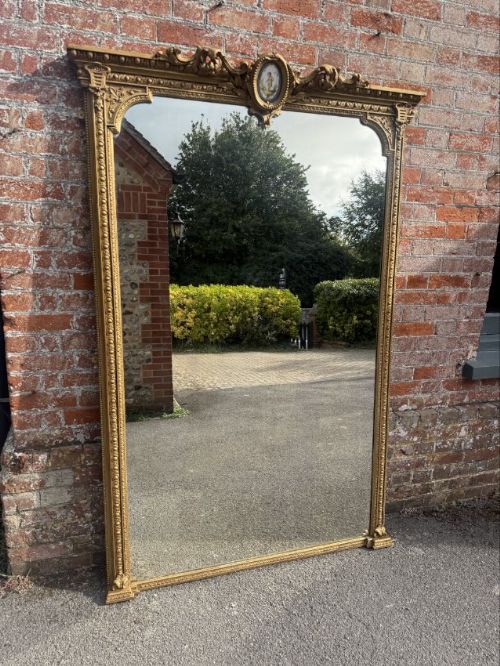
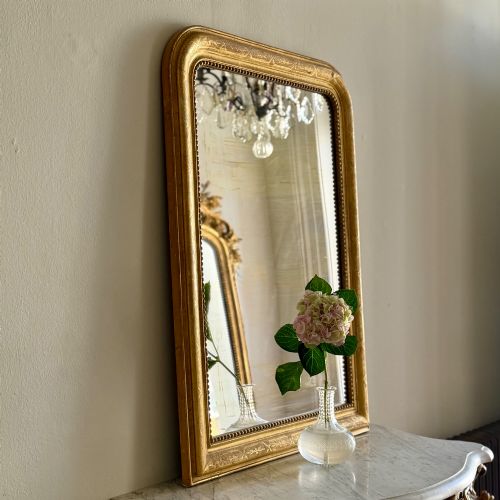
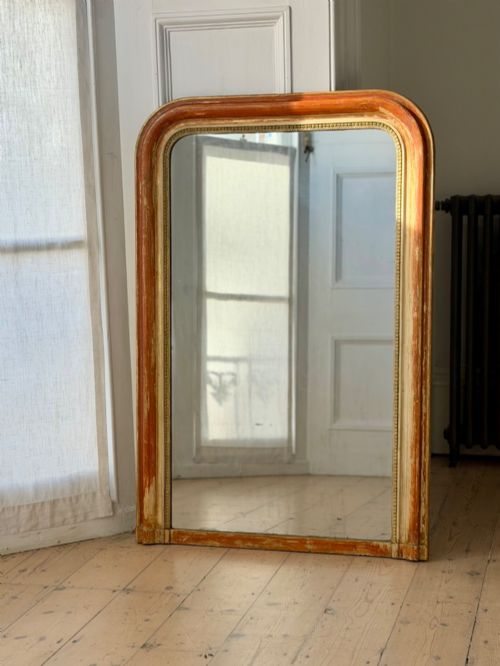
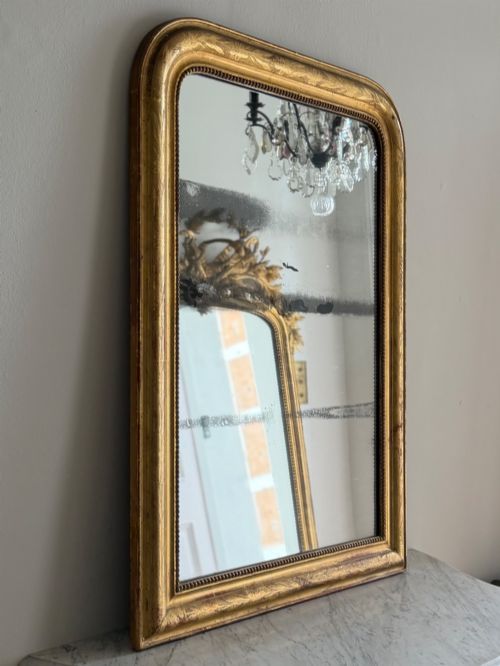
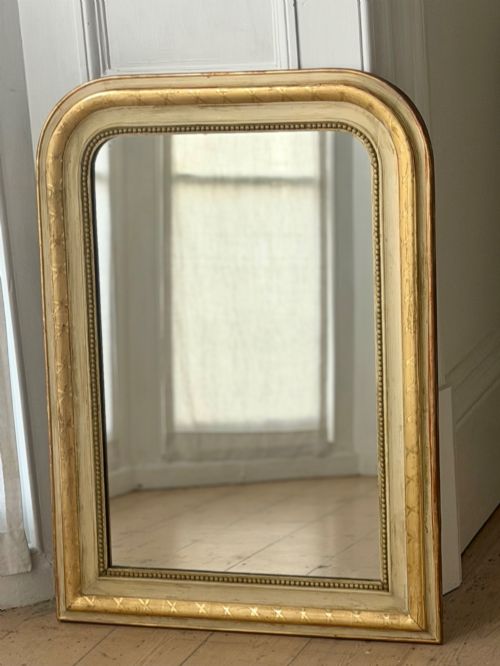
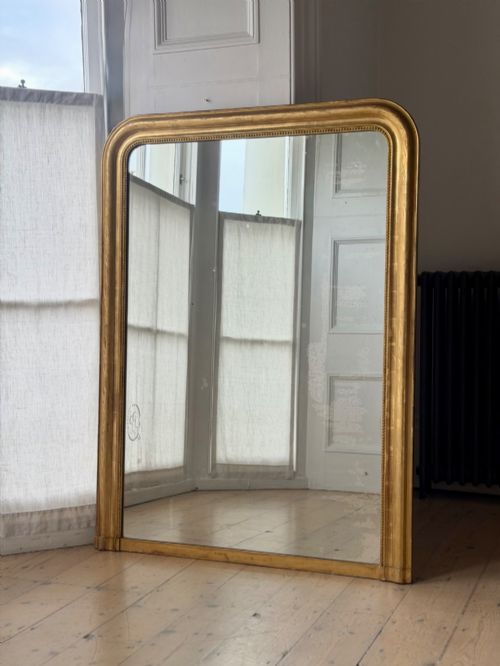
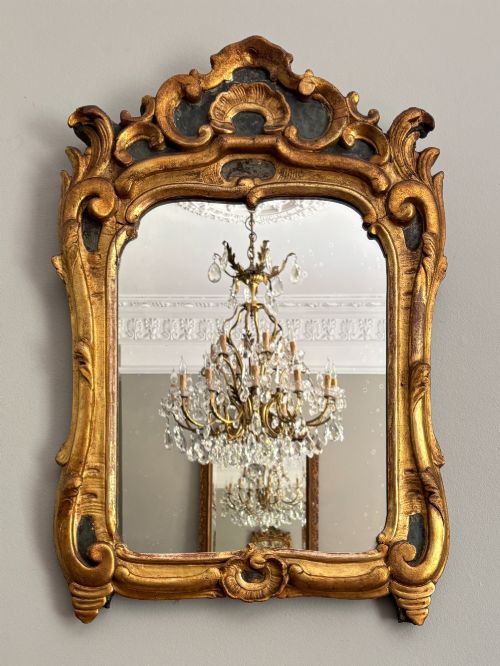
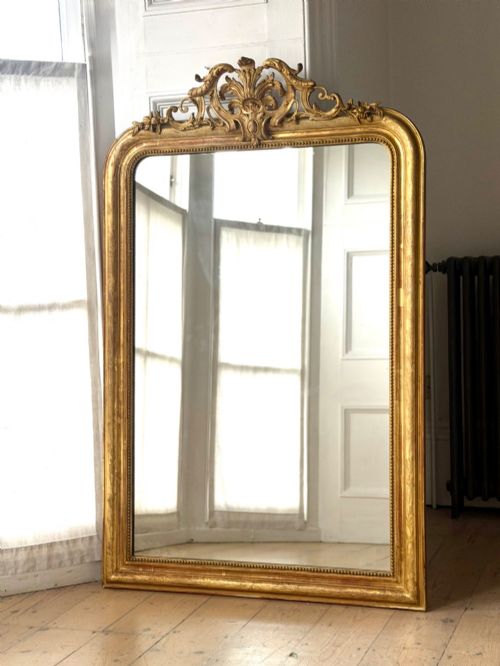
When searching for an antique louis mirror, buyers encounter a selection of wall-hanging, overmantel, and trumeau looking glasses originating from France across the eighteenth and nineteenth centuries. These pieces reflect specific historic design movements, most notably the restrained elegance associated with Louis Philippe and Louis XVI aesthetics alongside the ornate curves of Louis XV revival styles. The pieces on this page span simple rectangular formats with rounded upper corners to large architectural overmantels designed to sit above chimney pieces.
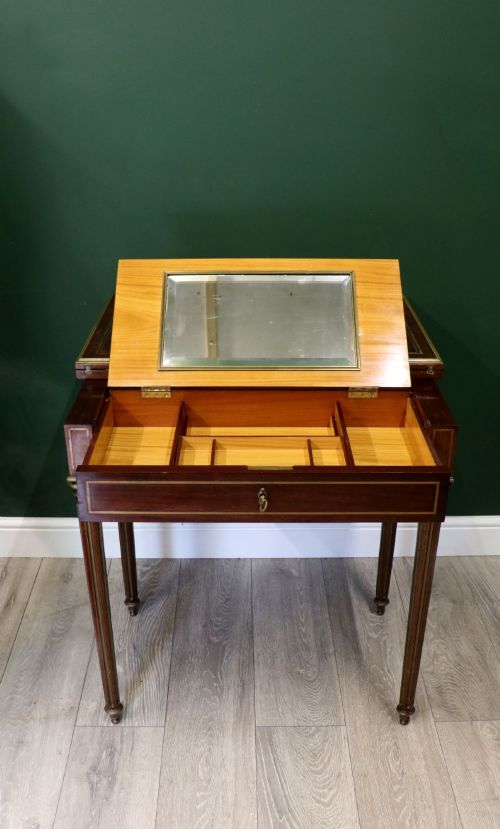
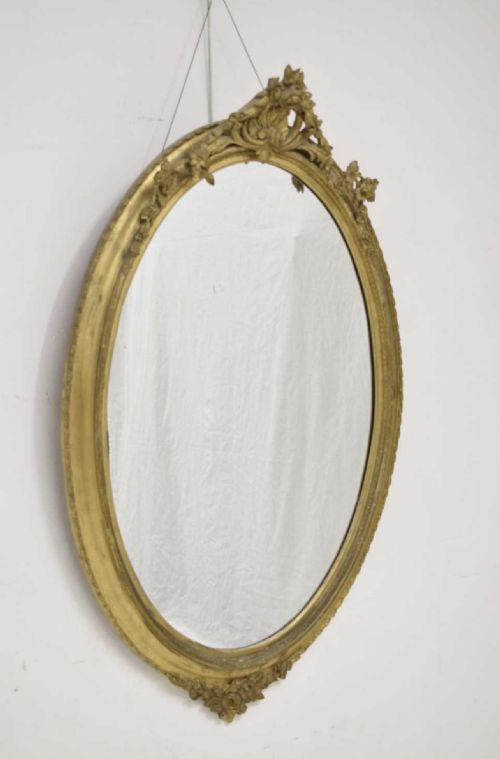
The most common variants met here belong to the Louis Philippe style, characterised by clean lines, cushioned frames, and subtle crests, alongside nineteenth-century interpretations of earlier royal French design. Alongside standard wall mirrors, listings include trumeau mirrors incorporating oil paintings or carved panels, triptychs, and larger giltwood and gesso pieces decorated with floral or ribbon motifs. Buyers also find matching sets paired with console tables or bedroom furniture.
How They Were Made
Frames are constructed from wood such as oak, mahogany, or pine, which serves as the foundation for intricate surface decoration. Artisans applied layers of gesso - a mixture of chalk and binder - directly onto the wooden base to build up low-relief carvings, scrolls, and floral crests before gilding.
Finishes rely primarily on gold leaf, water gilding, silver gilt, or applied paint over gesso and wood substrates. Reflective surfaces utilise historic glass plates, frequently featuring original mercury glass or antique plate exhibiting characteristic foxing, mottling, and atmospheric ageing.
One listed trumeau mirror comes complete with an oil painting depicting historical galleons sailing stormy seas.
What Varies in Quality
The degree of hand-carved detail separates standard production frames from exceptional pieces. Superior examples display crisp, undercut carving in the wood and gesso layers, whereas simpler items rely on moulded composition ornament.
The condition and character of the reflective plate heavily influence the desirability of a piece. Original mercury glass with deep foxing and uniform clouding possesses a distinct visual depth that distinguishes untouched antique examples from later replacement plates.
Arsène Rochette of Versailles
The Antique Louis Mirror Glossary
- Louis Philippe
- A mid-nineteenth-century French style known for clean lines, simple arched frames, and minimal ornamentation. It bridges the gap between earlier classical periods and later Victorian excess.
- Gesso
- A plaster-like mixture applied to wood frames to create a smooth surface for carving and gilding. It allows artisans to model intricate scrolls, leaves, and crests.
- Mercury Glass
- A double-walled silvered glass popular in antique mirrors, created by pouring a liquid mercury amalgam between glass layers. It produces a dark, atmospheric reflection.
- Trumeau Mirror
- A decorative wall mirror incorporating an integrated oil painting or carved wooden panel above the glass plate. These pieces were designed to fit neatly between windows in formal rooms.
- Overmantel Mirror
- A large horizontal mirror engineered specifically to sit directly above a fireplace mantelpiece. They often feature arched tops to match the architectural proportions of nineteenth-century interiors.
Antique Louis Mirror: Frequently Asked Questions
What is an antique louis mirror?
An antique louis mirror is a decorative looking glass dating from the eighteenth or nineteenth centuries, reflecting the classical and revivalist aesthetics of French royal periods. These pieces are characterised by carved wooden frames, gesso ornamentation, and historic glass plates.
Buyers choose these mirrors to anchor a room's decor, utilising their scale and historic surface finishes to introduce reflective light and traditional craftsmanship into contemporary or period interiors.
How do I identify a Louis Philippe mirror?
Louis Philippe mirrors are typically recognised by their simple rectangular shape, rounded upper corners, and restrained aesthetic. The frames often feature a gentle cushion moulding and a modest crest at the top.
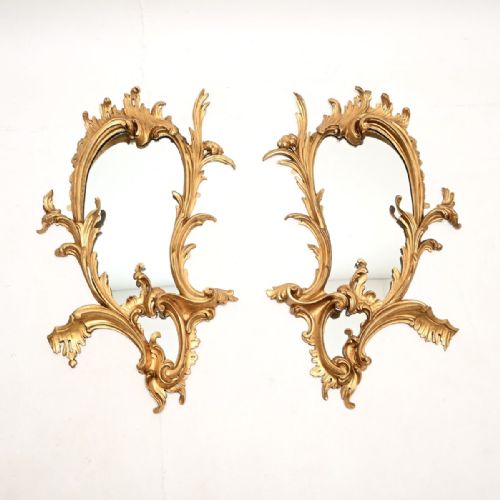
Unlike heavily carved Rococo Revival styles, these pieces rely on clean proportions and understated elegance, making them versatile additions to both modern and traditional spaces.
What is mercury glass?
Mercury glass refers to historic mirror plates manufactured using a silvering technique involving a liquid mercury amalgam. Over time, this compound reacts with the environment, creating characteristic dark spots, foxing, and mottling across the reflection.
Collectors prize genuine mercury glass for its deep, atmospheric tonal quality and the distinct visual evidence of great age that uniform modern replacements lack.
Where should I hang an overmantel mirror?
Overmantel mirrors are designed specifically to be mounted directly above a fireplace mantelpiece. Their large horizontal proportions allow them to balance the width of the hearth below.
When hanging these heavy giltwood and gesso pieces, secure wall fixings into structural studs or masonry to support the considerable weight of the wooden frame and thick glass plate.
How do I care for an antique mirror?
Caring for an antique mirror requires gentle handling to protect fragile gesso ornaments and historic surface finishes. Dust the carved frame regularly with a soft, dry brush and avoid harsh chemical cleaners.
When cleaning the glass plate, apply a mild solution sparingly to a cloth rather than spraying directly onto the glass, preventing moisture from seeping behind the historic silvering.