


Antique Loetz Glass
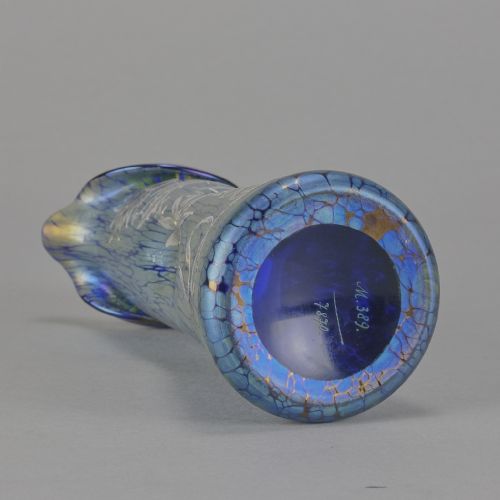
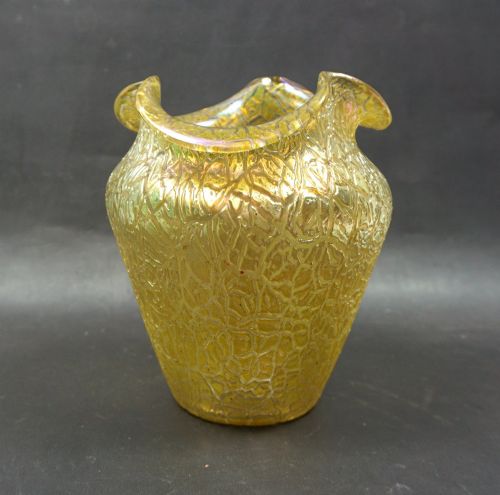
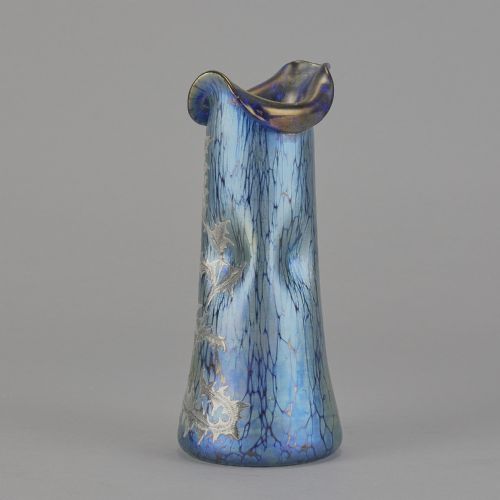
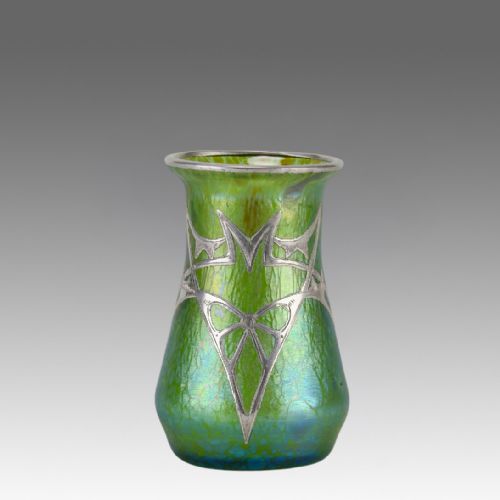
Antique loetz glass pieces are iridescent, blown glass vessels from the early twentieth century that capture the organic fluidity of Art Nouveau.
Antique Loetz Glass
When you search for antique loetz glass, you are looking at decorative vessels created during the height of the Art Nouveau and Vienna Secession movements. These pieces range from vibrant vases and bowls to inkwells and jugs, often displaying characteristic metallic surface sheens.
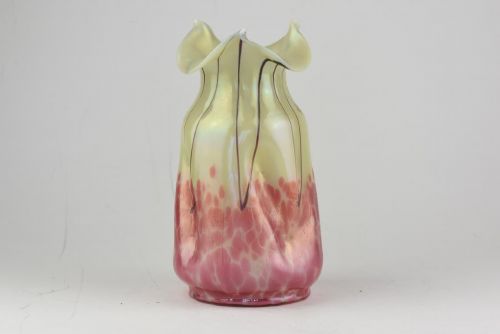
The version you are most likely to meet on this page is an iridescent glass vase from the early twentieth century. These come in distinct decors such as Papillon and Phänomen, reflecting the Bohemian mastery of art glass production.
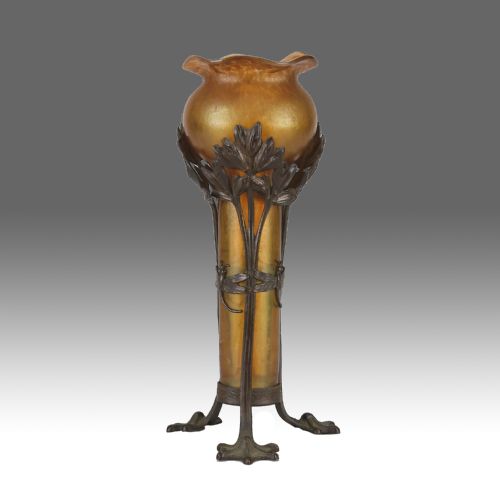
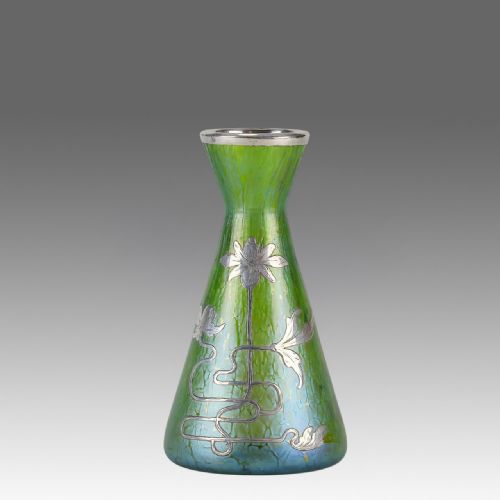
Objects span from the nineteenth century into the 1920s, encompassing Jugendstil designs and later Tango glass forms. Alongside pure glass vessels, you will encounter examples mounted in sterling silver, silver overlay, or bronze.
How they were made
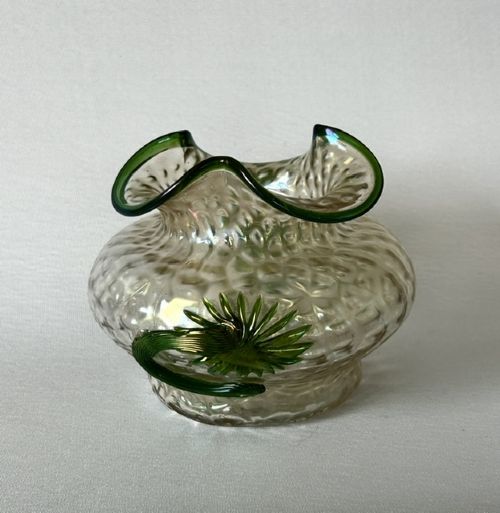
Maker workshops utilised hand-blown glass techniques to create dynamic forms, manipulating molten material while hot to incorporate applied elements like trailing snake details or ball feet. The distinctive optical effects rely on chemical treatments applied to the surface during shaping.
Makers achieved the famous iridescent finishes by exposing the hot blown glass to metallic vapours, producing shimmering sheens that catch the light. Silver overlays and metal mounts in brass, bronze, and pewter were subsequently added to complete the vessels.
Materials recorded across the inventory include hand-blown glass, sterling silver, bronze, brass, and pewter mounts.
What varies in quality
The sophistication of the surface optics and the complexity of the décor dictate the standing of a piece. Experimental decors such as Phänomen or richly textured effects like Vesuvian Tadpole represent a higher order of execution than simpler monochrome surfaces.
The integration of metal mounts also influences the character of the object. Pieces featuring substantial silver overlay, sterling silver mounts, or designated metal stands by known designers elevate the finished work beyond standard glass production.
Loetz Witwe·Johann Loetz·Pallme Konig·Kralik·Koloman Moser
The Antique Loetz Glass Glossary
- Iridescent glass
- Glass treated with metallic salts to produce a rainbow-like sheen on the surface. This technique defines much of the production associated with this search phrase.
- Papillon décor
- A speckled, iridescent surface pattern resembling butterfly wings. It is among the most recognisable finishes found on Bohemian glass from this period.
- Phänomen genre
- An intricate surface design featuring combed, feather-like threads trapped within the glass. This technique required advanced skill during the blowing process.
- Secessionist style
- An Austrian artistic movement rejecting traditional historicism in favour of geometric lines and stylised forms. It heavily influenced early twentieth-century decorative arts.
- Tango glass
- A brightly coloured glass style popular in the 1920s, typically pairing vivid orange or yellow bodies with black rims and handles.
Antique Loetz Glass: Frequently Asked Questions
What is loetz glass?
Loetz glass is art glass produced by the Bohemian factory founded by Johann Loetz, renowned for iridescent surfaces and organic forms.
The works span Art Nouveau, Jugendstil, and Secessionist aesthetics, often utilising complex chemical treatments to achieve metallic sheens.
Were these pieces mounted in silver?
Many glass vessels incorporate metal mounts, including sterling silver, silver overlay, and pewter stands.
These additions were applied to enhance the decorative appeal of vases, jugs, and inkwells during the Art Nouveau period.
What is tango glass?
Tango glass is a vibrant style developed in the 1920s, characterised by striking solid body colours paired with contrasting dark rims.
Pairs of liqueur glasses and small vessels frequently display this energetic palette.