






Antique Locking Tantalus
An antique locking tantalus is a clever drinking cabinet designed to keep servants or guests from helping themselves, and these secure barware pieces combine fine timber frames with working brass locks.
Antique Locking Tantalus
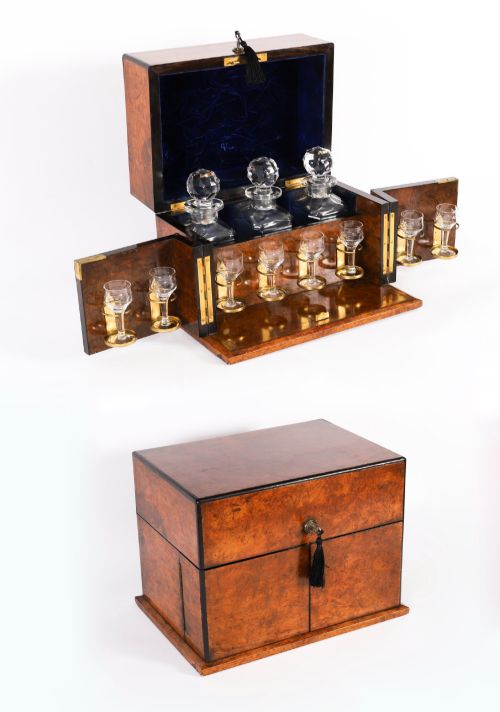
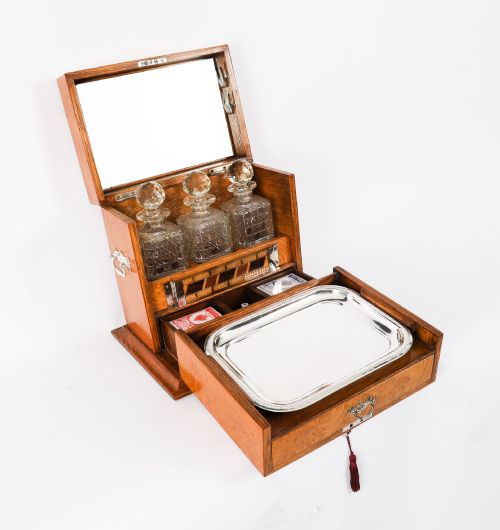
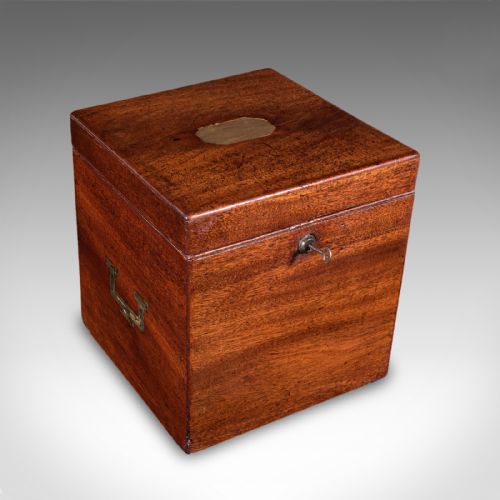
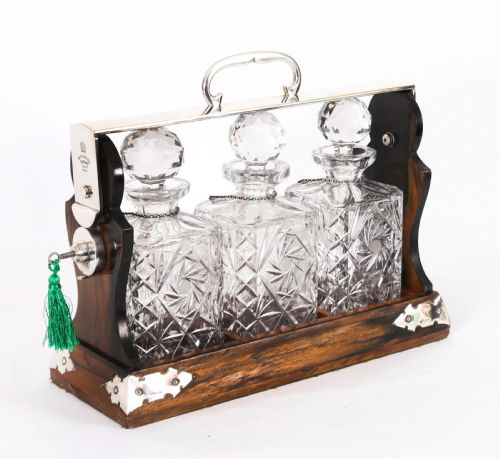
An antique locking tantalus is a specialist barware container created to secure spirits within a wooden framework fitted with a mechanical locking arm. These pieces range from simple single bottle holders to elaborate three bottle decanter sets combined with games compendiums or humidors.
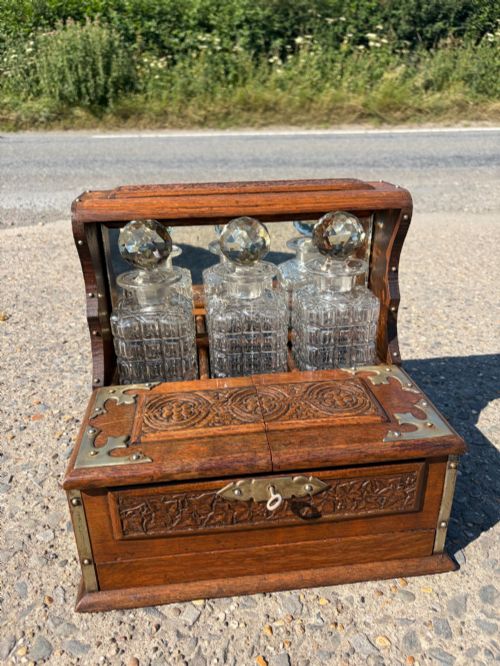
The versions most commonly found here date from the Victorian and Edwardian eras, constructed primarily in oak with brass mountings and cut crystal decanters. Makers also utilised figured woods such as coromandel and walnut for more opulent drawing room cabinets.
The core mechanism relies on a rising metal bar that traps the stoppers of the decanters until a key is turned in the lock. This clever design prevents liquid from being poured while leaving the cut glass bottles fully visible, hence the name derived from the mythological figure Tantalus.
How they were made
Cabinetmakers built the foundational frames of an antique locking tantalus using solid or veneered hardwoods like oak, walnut, and coromandel, often incorporating mirrored backs and panelled doors. These wooden cases frequently housed lift out trays, games compartments, or pull out drawers for cigars.
Metalworkers added structural strength and decorative detail through brass mounting plates, hinges, and the characteristic locking arm mechanism. High security was achieved through specialised locking systems, which anchored the decanter stoppers firmly in place.
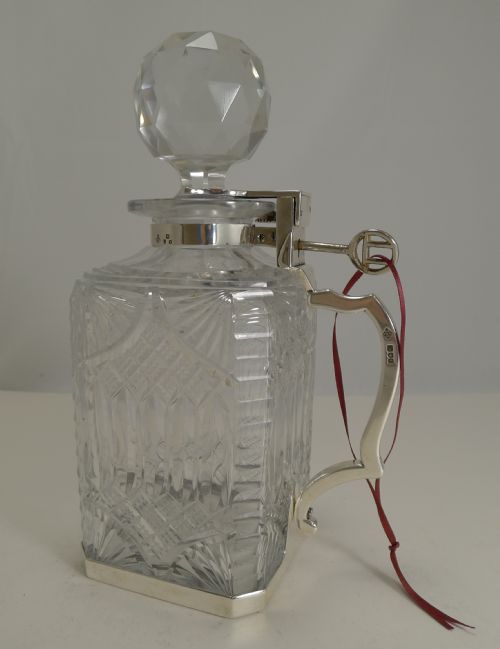
The fitted glassware consists of heavy cut crystal or cut glass decanters, sometimes embellished with sterling silver or silver plated collars and labels. These bottles were custom ground to fit the exact contours of the retaining metal bar.
Antique Locking Tantalus Retail Price Guide 2026
Typical asking prices for locking tantalus among the pieces listed under this phrase on Sellingantiques today, from the lower quarter to the upper quarter. They describe what is for sale here now, not the wider market.
The listings show that oak is by far the most common framing timber, appearing alongside rarer luxury veneers like coromandel and walnut.
What varies in quality
The distinction between ordinary and exceptional examples lies in the ambition of the joinery and the choice of cabinet timber. Plain oak models serve a straightforward utilitarian function, whereas figured pollard oak, coromandel, or burr walnut cabinets demonstrate superior craftsmanship and higher status.
The sophistication of the internal fittings elevates certain pieces from simple bottle holders to comprehensive social cabinets. Incorporating games boards, card storage, and humidor sections alongside the decanter set requires intricate carpentry that defines the better end of the range.
Hardware quality also dictates value, with signed locks by makers such as Bramah representing the pinnacle of mechanical security. The presence of matching hallmarked silver mounts on the decanters and complete, undamaged crystal sets further distinguishes superior specimens.
Betjemann·Hukin and Heath·Bramah
The Antique Locking Tantalus Glossary
- Tantalus
- A locking drink cabinet that holds decanters securely in place while displaying the contents. The mechanism prevents the removal of the bottles without a key.
- Decanter
- A heavy glass or crystal vessel designed for serving wine or spirits. In these sets, the glass stoppers are trapped by the locking arm.
- Compendium
- A multi purpose cabinet containing equipment for various table games alongside the drinks section. These pieces often include spaces for cards and dominoes.
- Humidor
- A moisture controlled storage box designed for keeping cigars fresh. Several larger cabinet versions integrate this feature directly beneath the decanters.
- Coromandel
- A dense, heavily figured exotic timber from Asia used for luxury Victorian cabinet work. Its dark grain and rich colour mark out high status pieces.
Antique Locking Tantalus: Frequently Asked Questions
How do you open an antique locking tantalus?
The mechanism relies on a key that turns the central lock, releasing the vertical retaining bar that slides up and away from the decanter stoppers. Once the bar clears the glass necks, the bottles lift freely out of their wooden base.
Many surviving examples retain their original working keys, though specialist locksmiths can often supply replacement keys if the lock remains in the open position.
What is the difference between a tantalus and a spirit case?
A spirit case usually takes the form of a fully enclosed wooden box with doors or a hinged lid that covers the decanters completely from view. A tantalus leaves the bottles exposed while locking them physically into the frame.
Both forms belong to the broader category of Victorian and Edwardian barware, but the tantalus specifically trades discretion for visual display.
How should I care for the wood and brass?
Maintain the timber surfaces with a traditional microcrystalline wax applied sparingly to nourish the grain without building up a sticky residue. Avoid liquid polishes that can seep into the joints or damage older French polish finishes.
Clean the brass mounts gently using a soft cloth, taking care not to let abrasive metal cleaners touch the surrounding wood or mirror glass.
Were these cabinets meant for the dining room?
These pieces were primarily housed in drawing rooms, smoking rooms, or gentlemen's studies rather than the formal dining table. They allowed hosts to provide refreshment while maintaining control over the household consumption of expensive spirits.
Today, they function well as statement pieces on sideboards or dedicated home bar setups.