



Antique Lockable Caddy
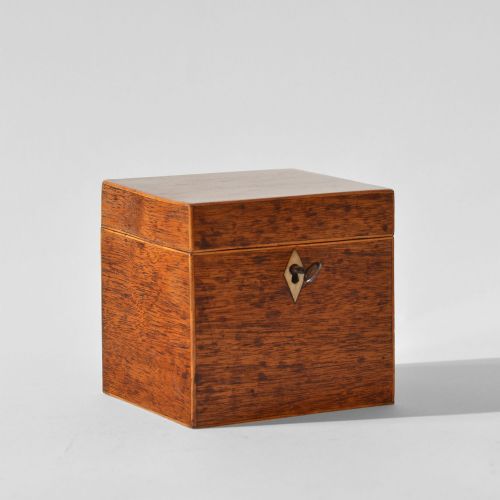
An antique lockable caddy safeguards precious leaf behind brass hardware, holding the domestic ritual of tea in timber and tortoise shell.
Antique Lockable Caddy
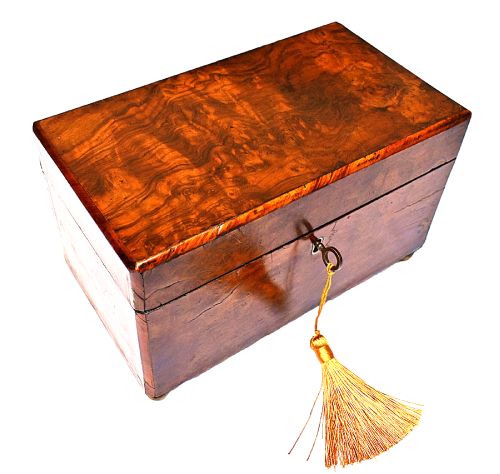
When you search for an antique lockable caddy, you meet containers originally built to store valuable tea leaves under lock and key. The listings on this page span the 18th century through the Edwardian period, encompassing Georgian, Regency, and Victorian iterations.
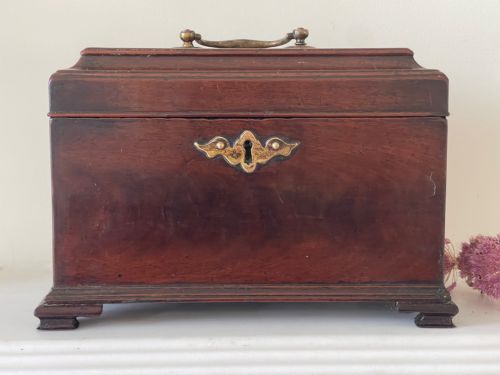
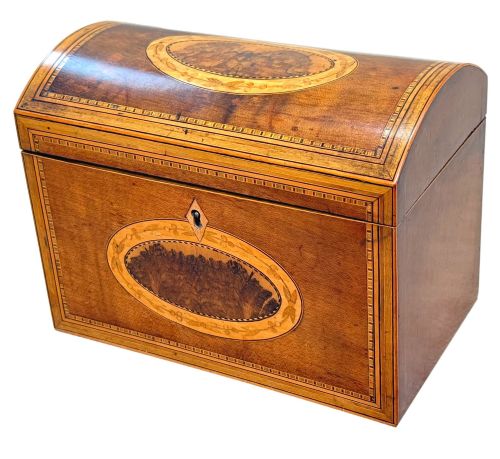
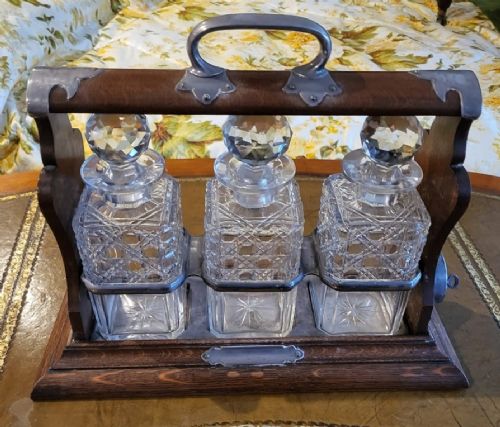
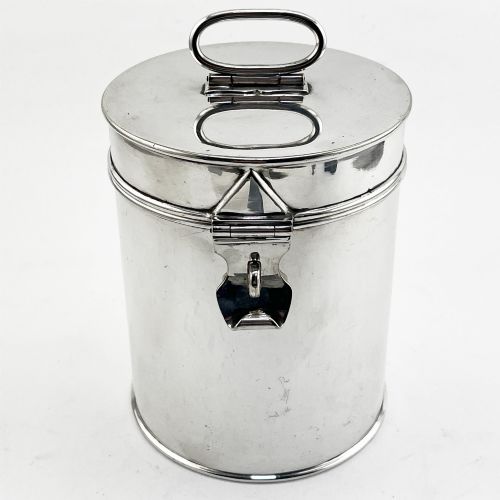
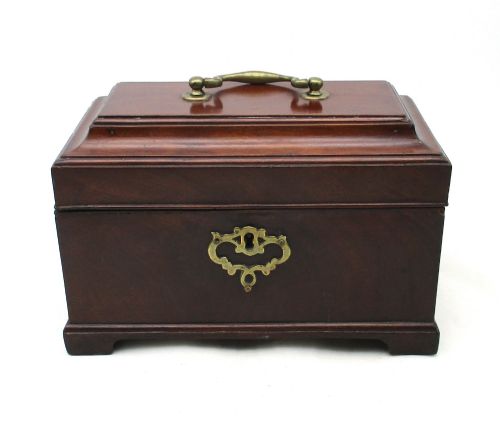
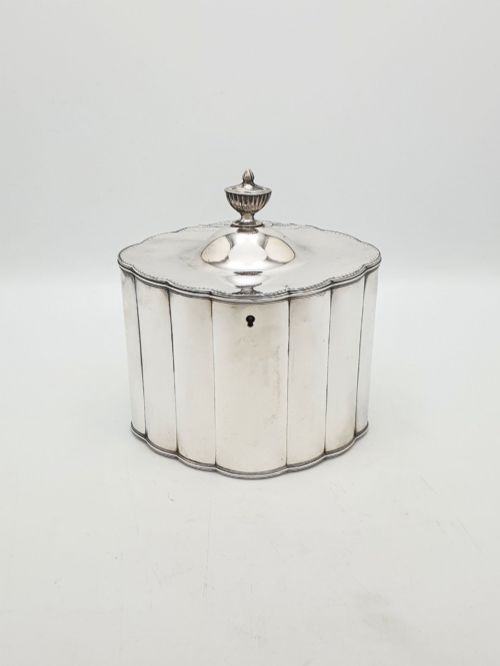
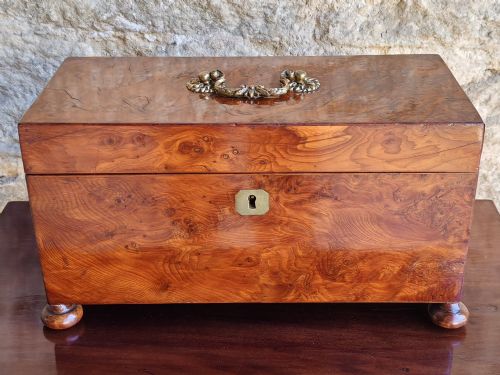
The most common forms you encounter are rectangular boxes, sarcophagus shapes, and oval caddies, alongside related pieces like tantalus sets and campaign canisters. Materials range from mahogany and rosewood to oak and tortoise shell, often fitted with bone or boxwood stringing.
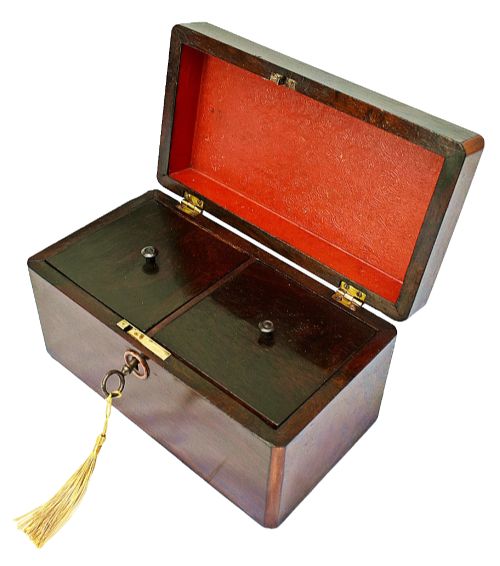
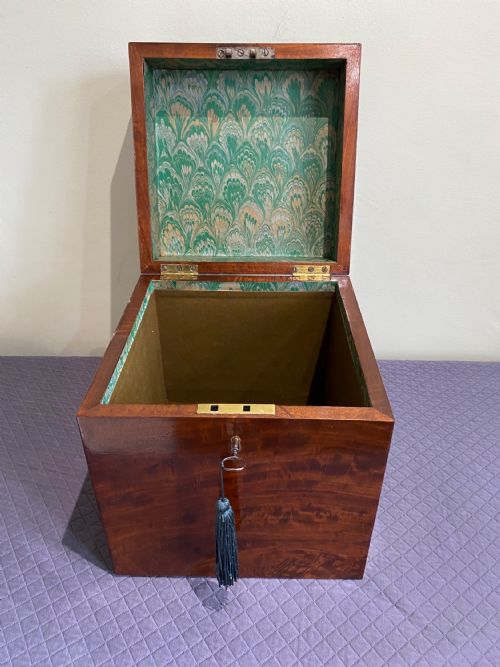
Many examples contain internal canisters, mixing bowls, or secret drawers designed for domestic utility in high-status households. Each piece reflects the changing tastes of British design from Chippendale through William IV and French Restoration styles.
Materials and Technique
Cabinetmakers constructed these vessels using dense hardwoods like mahogany, walnut, and rosewood, frequently accented with satinwood, partridge wood, and harewood veneers. Marquetry, parquetry, and shell inlay decorated the exterior surfaces of finer boxes.
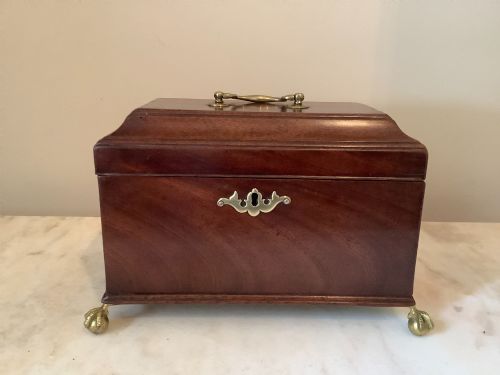
Working with solid timbers and delicate veneers required precise joinery to prevent warping across seasonal temperature shifts. Metal components such as brass lion mask handles, escutcheons, and working locks were integrated directly into the timber framework.
Antique Lockable Caddy Retail Price Guide 2026
Typical asking prices for lockable caddy among the pieces listed under this phrase on Sellingantiques today, from the lower quarter to the upper quarter. They describe what is for sale here now, not the wider market.
The listings on this page include periods from the 18th century through the Edwardian era, featuring materials such as tortoiseshell, cut glass, and brass alongside classic hardwoods.
Craftsmanship and Materials
The division between standard boxes and exceptional examples rests in the selection of timber figures, such as burr walnut, amboyna, and gonçalo alves. Finer pieces demonstrate meticulous alignment in parquetry and marquetry patterns.
Hardware weight and interior completeness dictate the upper tier of the range, including intact crystal mixing bowls and matching internal canisters. Original working locks with matching keys elevate the historical integrity of a piece.
The Antique Lockable Caddy Glossary
- Escutcheon
- A protective plate surrounding a keyhole, frequently cast in brass to match the corner brackets and handles of the box. This hardware secures the timber edges around the lock mechanism.
- Sarcophagus form
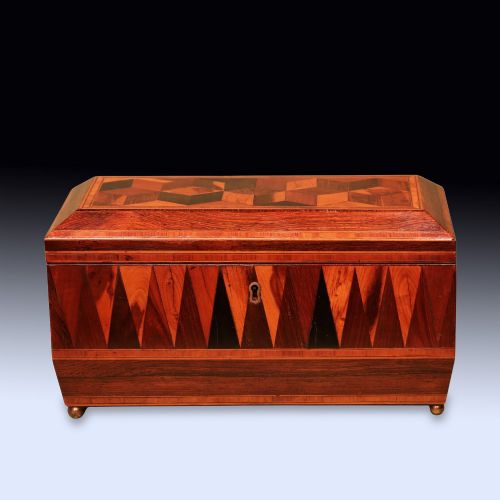
- A box design featuring a sloping lid and a stepped rectangular base, mimicking ancient monumental tombs. This architectural silhouette gained immense popularity during the Regency and Victorian periods.
- Stringing
- Thin inlay lines of a contrasting wood, such as boxwood or ebony, embedded into the primary surface to frame panels. Cabinetmakers used this technique to accentuate the geometric contours of tea caddies.
- Tantalus
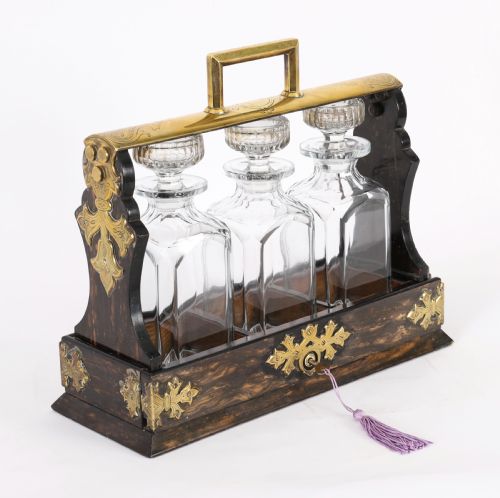
- A locking beverage stand holding decanters visible behind a wooden and metal bar that prevents removal until unlocked. These items emerged in the Victorian era for secure storage of spirits.
- Parquetry
- Geometric mosaic woodwork formed by fitting small wood veneers together in repeating patterns. This technique appears on the exterior lids of Regency caddies.
Antique Lockable Caddy: Frequently Asked Questions
What is an antique lockable caddy?
An antique lockable caddy is a covered box designed to store loose tea leaves securely when tea was an expensive luxury. These containers date primarily from the Georgian, Regency, and Victorian periods.
Most versions include internal compartments and a functional lock with a key to restrict access. They served both a practical pantry function and a decorative role in the parlour.
Why did tea caddies have locks?
Tea was a heavily taxed and costly commodity in Britain during the eighteenth and nineteenth centuries, making strict rationing essential. Servants and household guests were denied unsupervised access to the leaf.
Locking the container prevented theft and maintained control over household provisioning. The key remained with the mistress of the house.
How do I date a tea caddy?
Dating relies on observing the timber species, architectural style, and construction methods used in the box. Georgian examples often feature straight lines and mahogany, while Regency pieces favour sarcophagus shapes and brass inlay.
Victorian variations introduce heavier proportions, burr veneers, and alternate materials like tortoise shell or silver plating. Hardware styles and interior configurations provide additional chronological clues.
How do I live with a caddy?
These boxes function well on sideboards, desks, or coffee tables as display pieces and secure storage for small items. Their internal compartments suit the organisation of modern trinkets or collections.
Placement should avoid direct sunlight and extreme temperature fluctuations to protect sensitive veneers and old adhesives. Regular dusting keeps the polished timber surfaces preserved.