

Antique Lithograph Wall Art
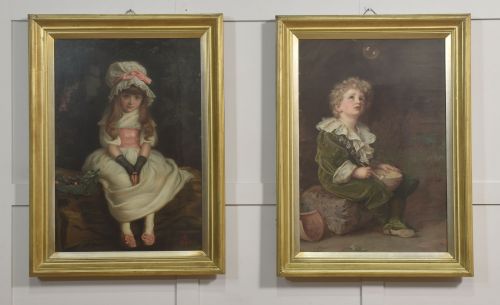
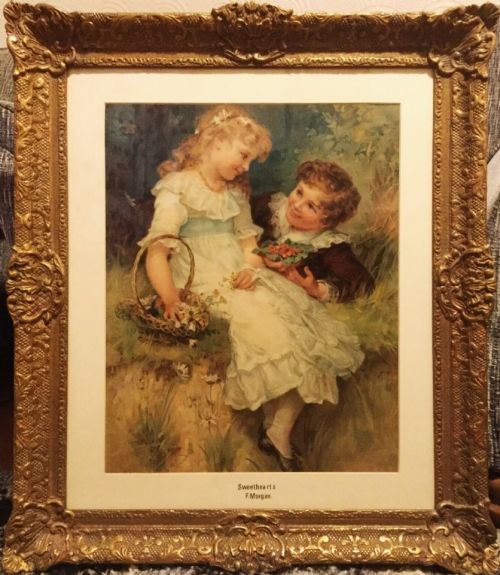
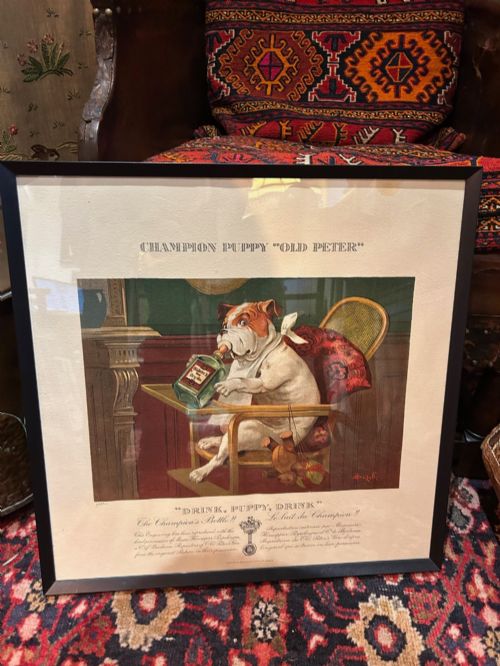
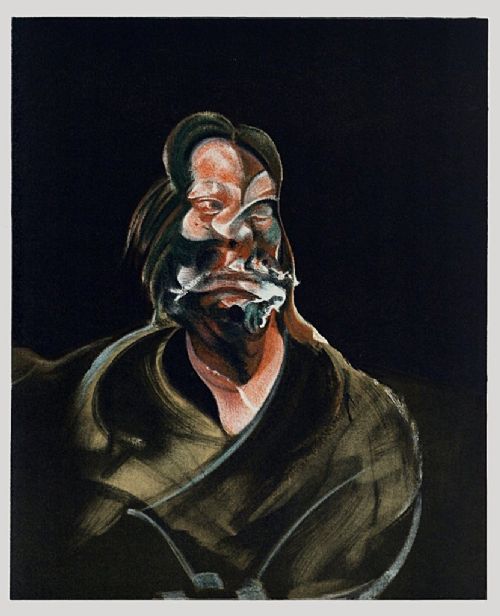
These antique lithograph wall art pieces bring character to a room through period advertising, natural history, and portraiture.
Antique Lithograph Wall Art
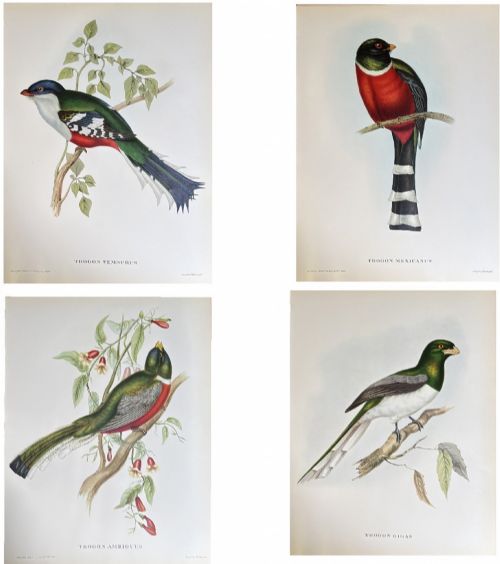
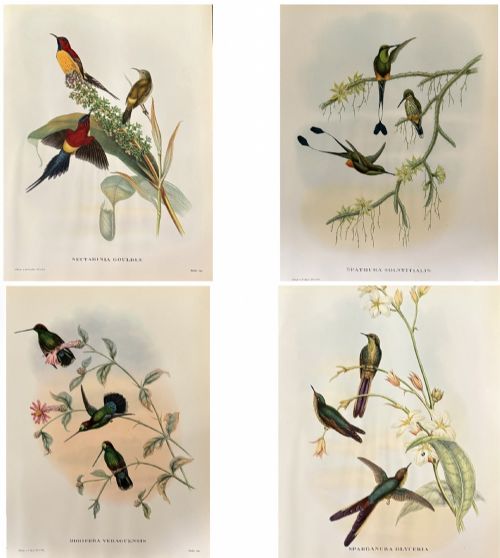
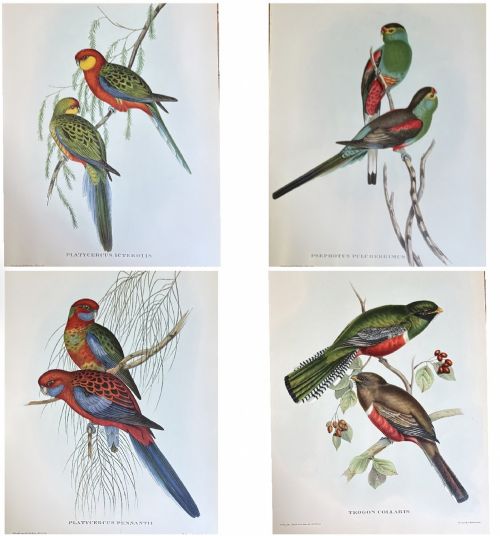
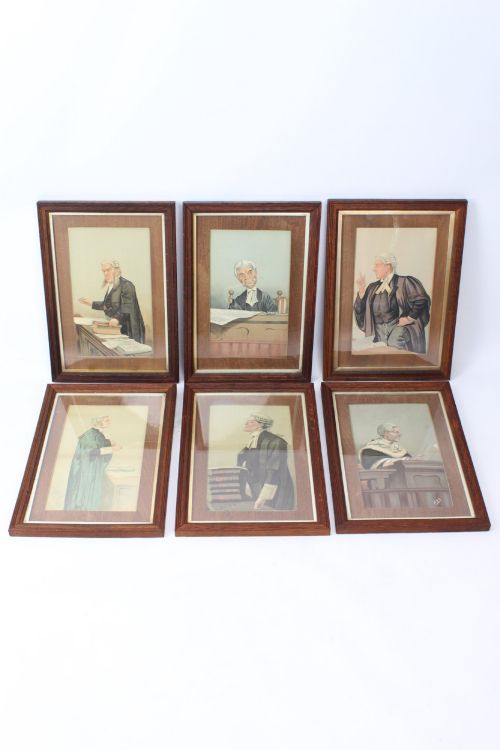
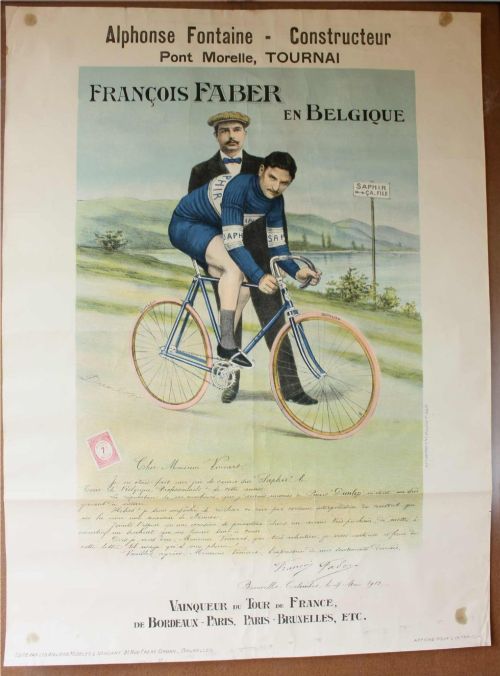
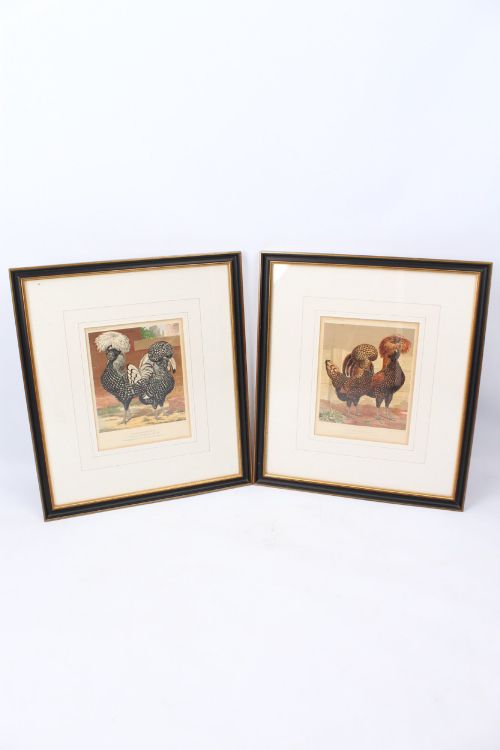
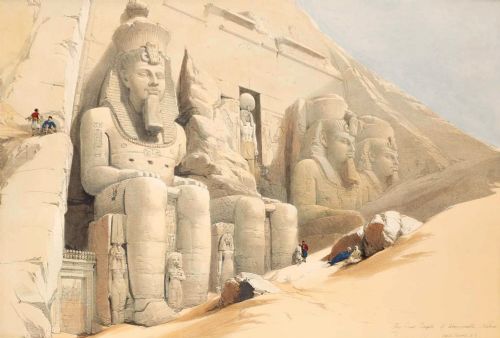
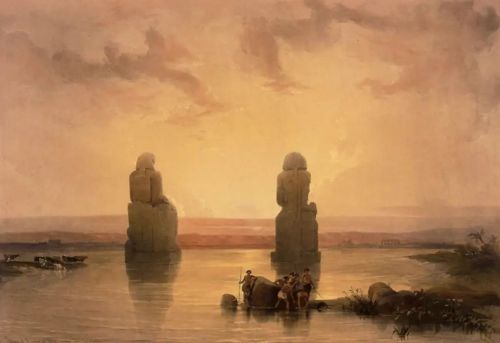
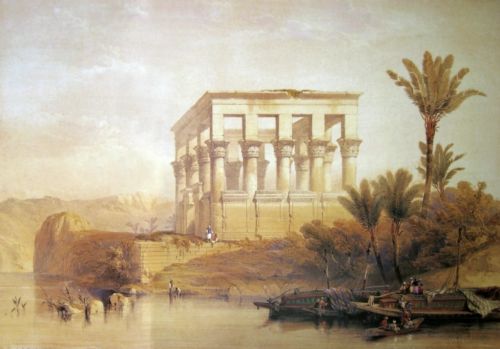
When you search for antique lithograph wall art, you encounter printed works spanning the nineteenth and twentieth centuries, capturing everything from advertising to natural history. These images served varied purposes, functioning as soap advertisements, Vanity Fair portraiture, or decorative bird studies.
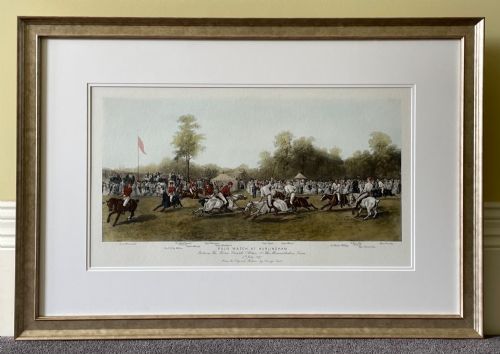
You frequently meet Victorian and Edwardian examples on this page, often preserved in frames or presented as sets. Subjects range from French architectural plans and sporting scenes to exotic birds and domestic animals.
How they were made
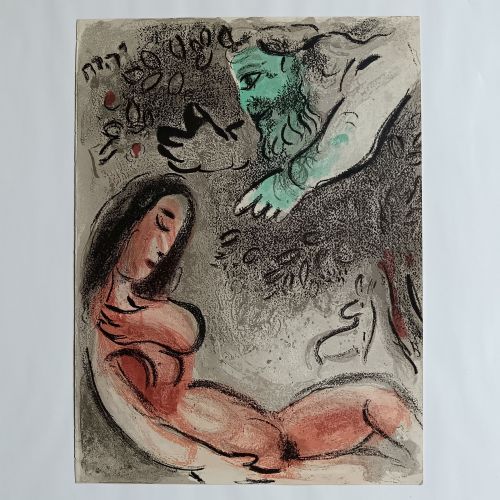
Makers utilised paper and ink, frequently applying hand-colouring to enhance the printed details of birds, medical procedures, and portraits. Presses transferred these multi-colour designs using stone matrices, resulting in rich chromolithographs.
Framing often involved wood, glass, and gilt or gilded surrounds, which protected the delicate paper surfaces from moisture and handling over the decades.
Listings feature paper, ink, and wood materials across the nineteenth and twentieth centuries, including Victorian and Art Deco styles.
What varies in quality
The clarity of the ink transfer and the vibrancy of any added colour separate finer plates from simpler commercial runs. Crisp registration during the printing process ensures that architectural plans and fine art reproductions retain their intended detail.
The survival condition of the paper and the presence of original framing materials significantly influence the overall character of each piece. Intact sets maintain greater visual impact when displayed together on a wall.
The Antique Lithograph Wall Art Glossary
- Lithography
- A planographic printing process utilising a flat stone or metal plate on which image areas are greasy and non-image areas attract water. This technique allows for the reproduction of detailed illustrations and text.
- Chromolithography
- A colour lithography method employing multiple stones, one for each colour, applied sequentially to build up a rich palette. This process created vibrant advertising posters and art prints during the nineteenth century.
- Hand-coloured
- A finished print enhanced with watercolours applied by hand after the initial ink transfer. This method added subtle tones to natural history plates and medical illustrations.
- Framed print
- An artwork mounted behind glass within a protective wooden or gilded surround. This presentation style keeps delicate paper flat and shields it from environmental damage.
Antique Lithograph Wall Art: Frequently Asked Questions
How do I care for antique lithographs?
Keep these paper pieces away from direct sunlight to prevent the ink and hand-colouring from fading over time. Maintaining a stable indoor environment protects the paper from humidity changes.
Ensure the glass is clean and the backing board remains secure to guard against dust and insects.
Were these prints meant for framing originally?
Many examples began life as magazine inserts, annual supplements, or advertising posters rather than dedicated gallery art. Publications like Pears soap annuals and Vanity Fair distributed plates intended for display in homes and offices.
Over the years, owners mounted and framed them to preserve their decorative qualities.
How do I identify the printing period?
Examine the paper stock, typography styles, and subject matter for clues regarding the date of production. Victorian and Edwardian works often feature specific printing techniques and publisher credits along the margins.
Comparing the style to known artists and advertising campaigns helps narrow down the decade.
Can I hang sets together?
Displaying matching sets, such as bird studies or sequential portraits, creates a balanced arrangement on a wall. Keeping related subjects together respects their original publication format.
Ensure uniform framing styles if you wish to present disparate individual prints as a cohesive gallery wall.