

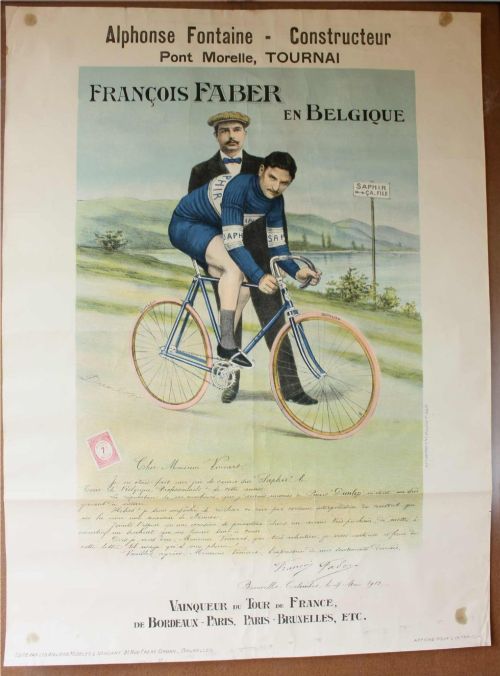
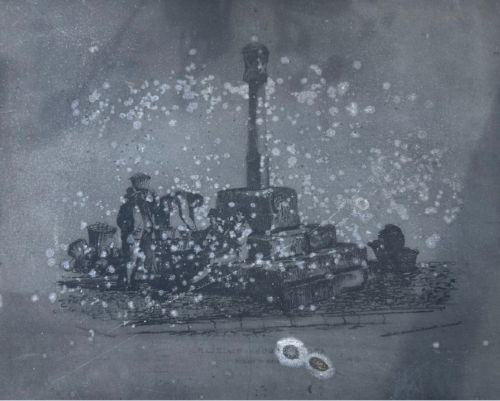
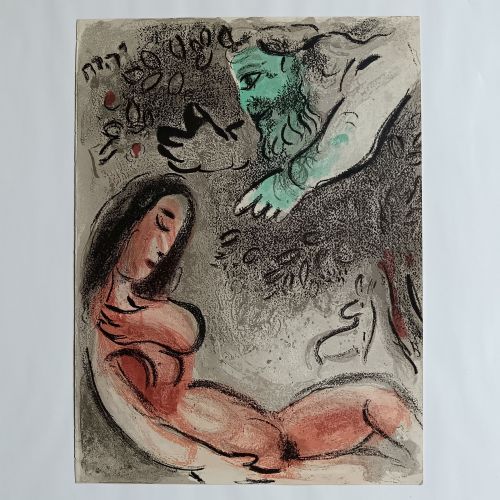
Antique Lithograph Prints
Antique lithograph prints bring graphic richness to a wall, offering nineteenth-century scenes, natural history and advertising printed with ink on paper.
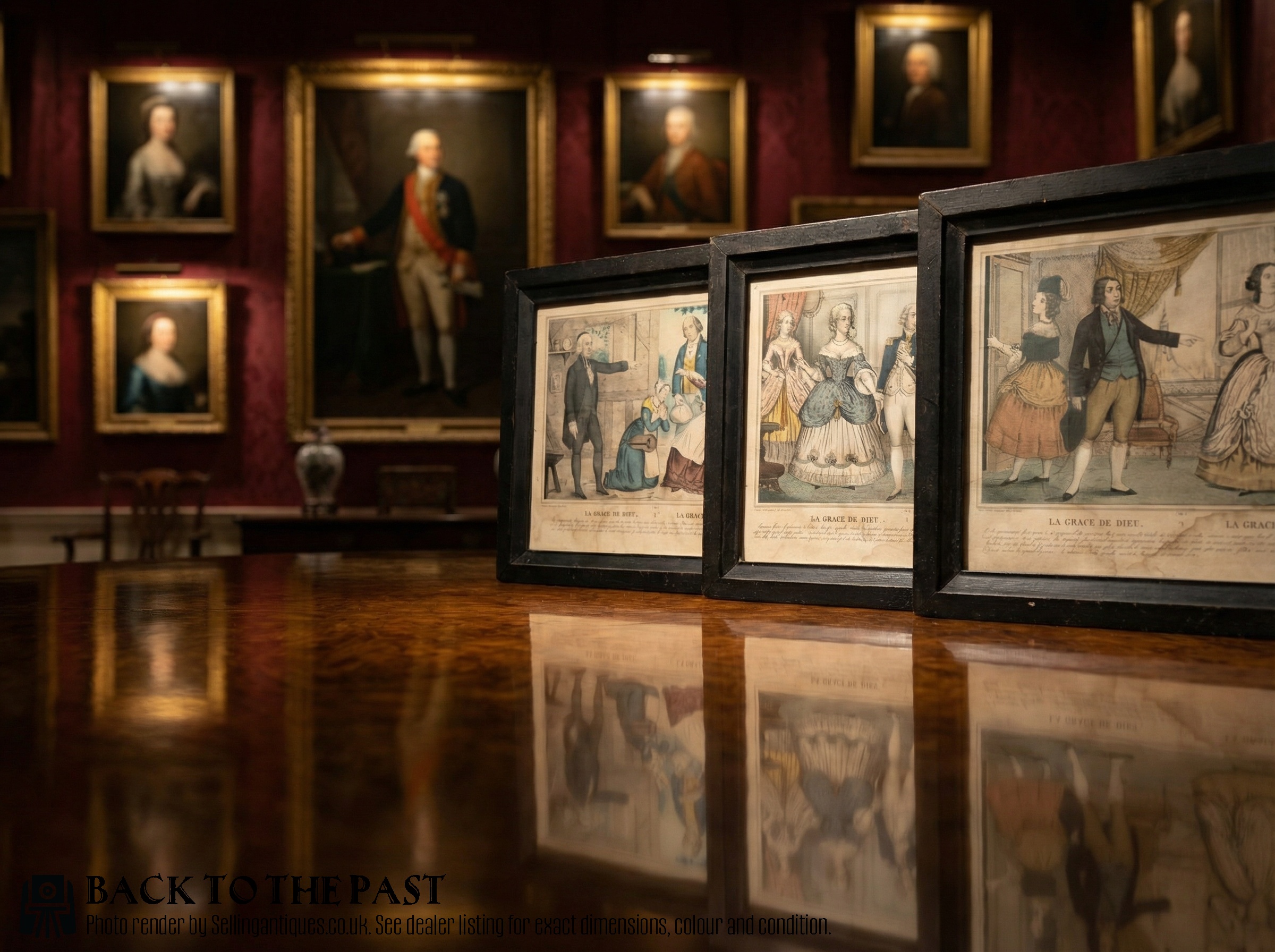
Antique Lithograph Prints
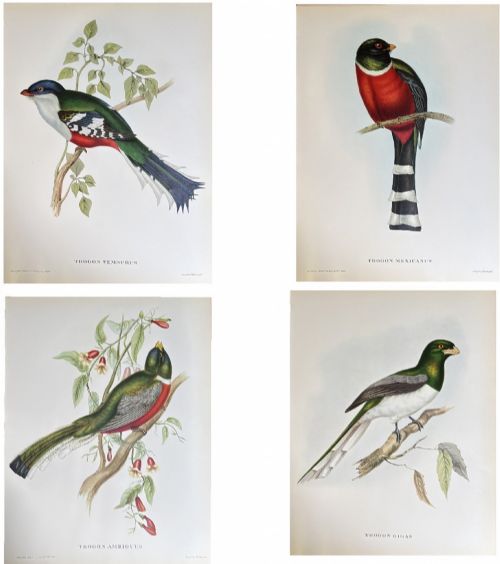
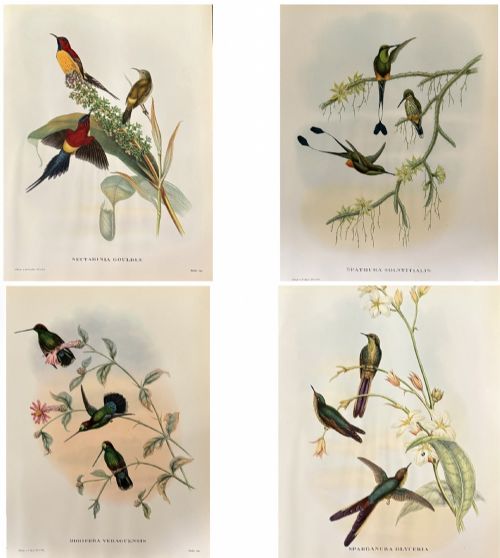
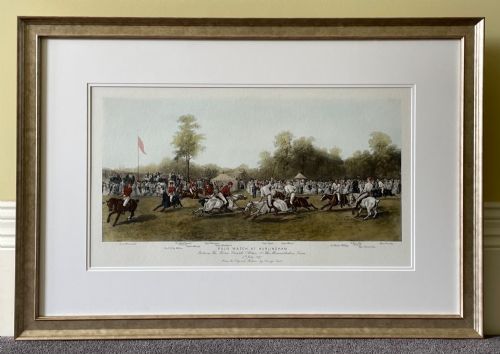
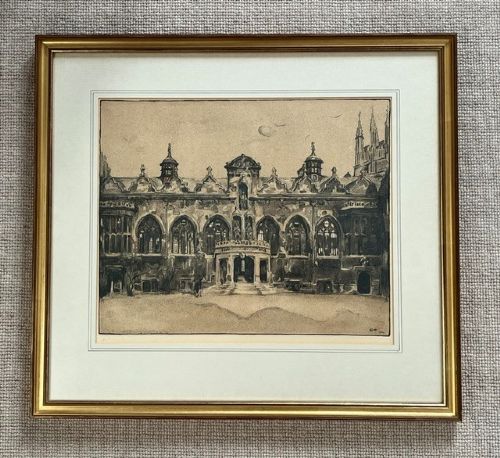
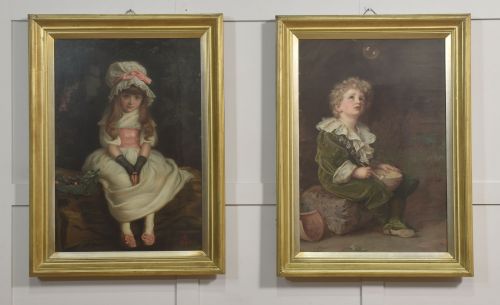
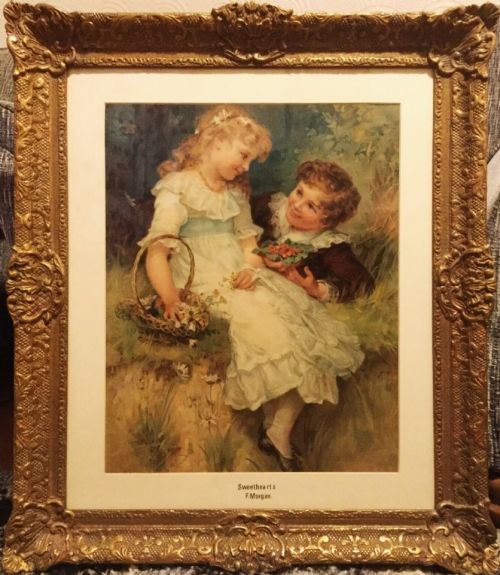
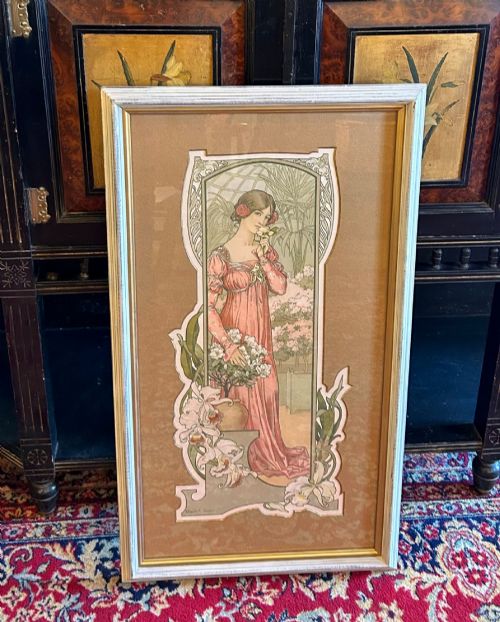
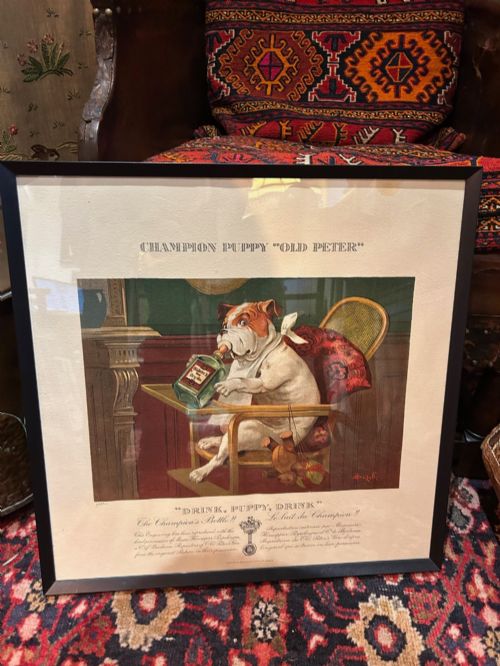
When searching for antique lithograph prints, buyers encounter works spanning from the early nineteenth century through the mid-twentieth century, including Victorian natural history plates, Edwardian advertising posters, and sporting scenes. The selection on this page ranges from framed wall art and prints to loose folio pages and metal printing plates, with paper as the primary medium.
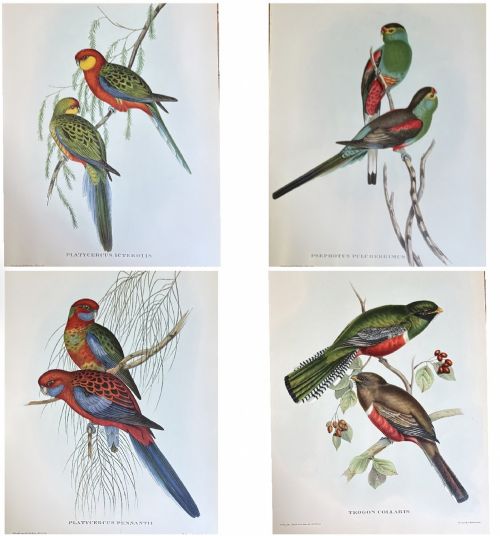
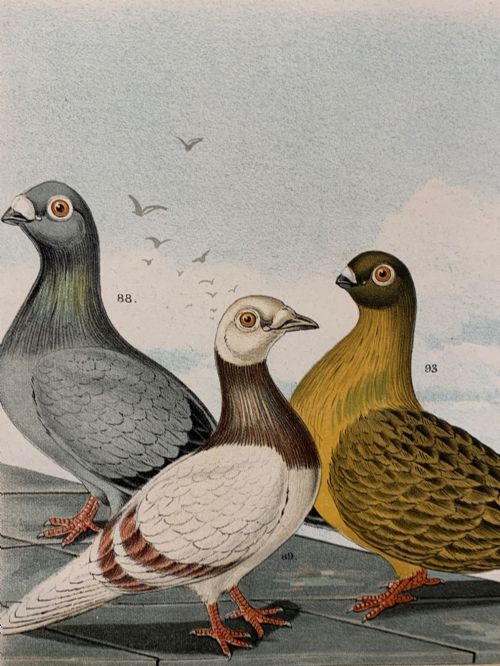
Framed prints and wall art dominate the available forms, often presented in period wood and gilded wood frames alongside glass. Many pieces originate from British and French publishers, capturing subjects from tropical birds and pigeon breeds to architectural views of Egypt and domestic animal studies by artists like Horatio Henry Couldrey.
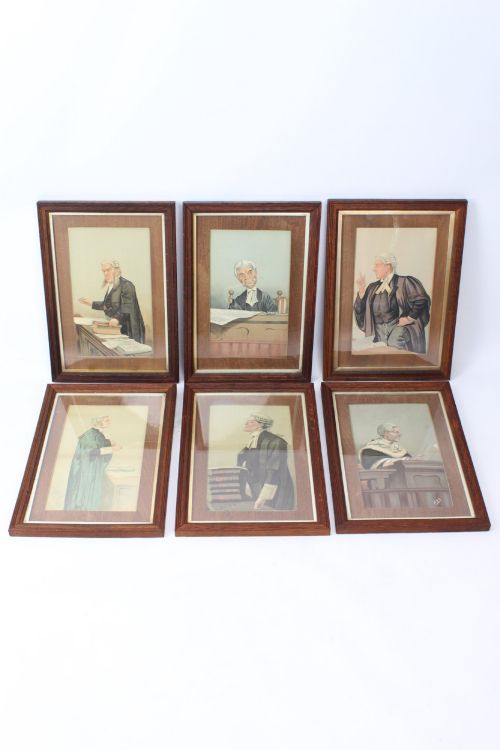
The periods represented stretch from Georgian and Regency eras through the Victorian and Edwardian decades up to the mid-twentieth century. Buyers find everything from single sheets to matched sets of four, reflecting diverse interests from cycling posters and political caricatures to botanical and ornithological illustrations.
Materials and production techniques
The creation of these works relies on ink applied to paper through lithographic processes, sometimes enhanced by hand-colouring or produced as chromolithographs with multiple coloured inks. Early examples utilise metal printing plates, such as those from mid-nineteenth-century presses, to transfer detailed images onto paper sheets.
Presentation materials include wood, gilded wood, and glass for framing, which protect the fragile paper substrates. Gold leaf and gilt accents appear on period frames that house the prints, preserving the visual integrity of works by artists and publishers from the nineteenth and twentieth centuries.
Cats, pugs, pigeons, and polo ponies share the nineteenth-century press with serious architectural views of Egypt.
Factors determining quality
The distinction between tiers rests upon the clarity of the ink impression and the vibrancy of any hand-colouring or chromolithographic pigments applied to the paper. Sharp lines in detailed subjects like architectural views or bird studies indicate superior printing from well-preserved plates.
Condition of the paper substrate and the presence of original framing, such as period wood or gilded frames bearing maker labels, elevate certain pieces. Complete sets and works signed by notable artists or associated with prominent publishers command greater interest among collectors.
Sir William Nicholson·David Roberts·Horatio Henry Couldrey·Louis Haghe·John Hancock
The Antique Lithograph Prints Glossary
- Chromolithograph
- A colour lithograph produced using multiple stones or plates, one for each colour, resulting in a rich multi-coloured image. This technique was widely used in the Victorian era for advertising and fine art reproductions.
- Lithograph
- A planographic printing process based on the chemical repulsion of oil and water, utilising a flat stone or metal plate. Artists draw directly onto the surface with a greasy medium before ink is applied and transferred to paper.
- Framed Print
- An artwork mounted behind glass within a border of wood or metal designed for wall display. Period frames often utilise gilded wood or simple moulding suited to the era of the print.
- Sporting Print
- An image depicting field sports, polo matches, hunting, or racing, popular in nineteenth-century Britain. These works often capture dynamic action scenes involving horses, hounds, and riders.
- Advertising Print
- A poster or promotional plate created for commercial products such as soap, cycles, or beverages. These items frequently date from the late nineteenth and early twentieth centuries.
Antique Lithograph Prints: Frequently Asked Questions
How do I care for antique prints?
Keep paper prints away from direct sunlight to prevent fading of the ink and discolouration of the paper sheet. Maintaining stable indoor humidity protects both the antique paper and any original wooden framing.
Display pieces behind glass with acid-free backing materials to safeguard the surface from atmospheric pollutants and physical damage over time.
What subjects are most common?
Natural history subjects appear frequently, featuring birds, animals, and botanical studies rendered in detail during the nineteenth century. Sporting scenes, architectural views, and early commercial advertisements also form a large part of the available selection.
Portraiture and caricature plates, particularly from Victorian periodicals, offer historical commentary alongside decorative appeal for collectors.
How do I identify a chromolithograph?
Examine the surface under a magnifying glass to check for the distinctive overlapping dot patterns or solid colour blocks created by multiple printing stones. Unlike hand-watercoloured prints, chromolithographs show consistent ink application across each specific hue.
Look closely at the edges of colour fields where registration lines or tiny dots from separate printing passes may be visible upon close inspection.
Were these published in sets?
Many natural history illustrations, sporting scenes, and architectural series were originally issued as bound volumes or portfolio sets. Publishers often released them in matched groups, such as sets of four bird prints or sequential desert views.
Finding complete surviving sets remains a key consideration for collectors interested in the original format of publication.