
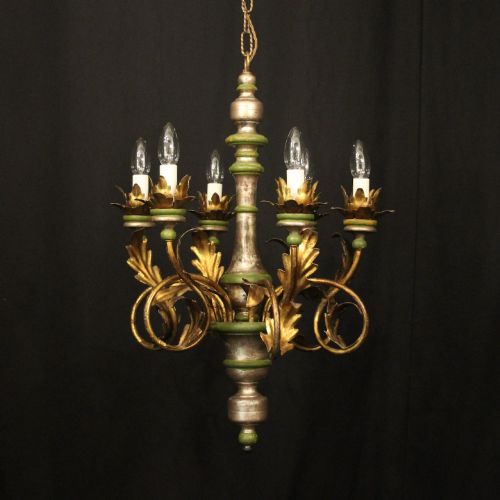
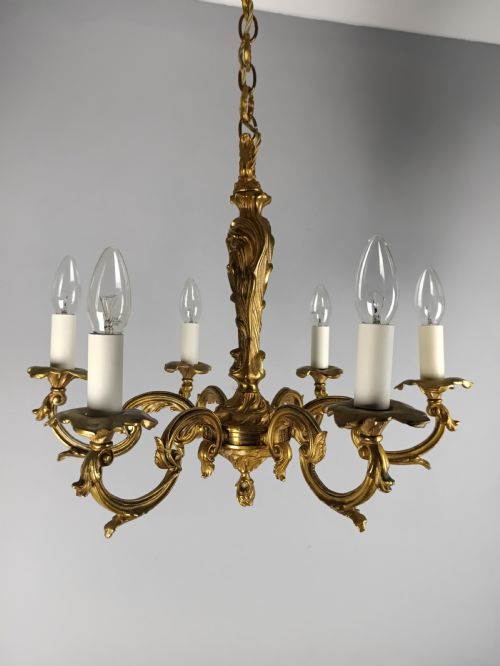
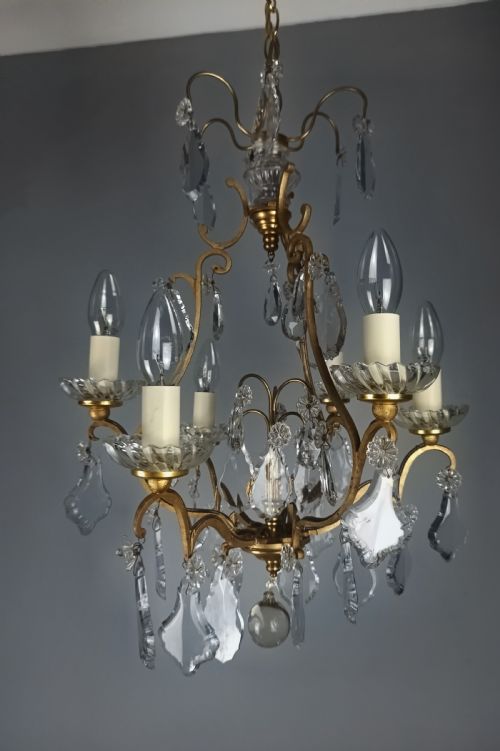
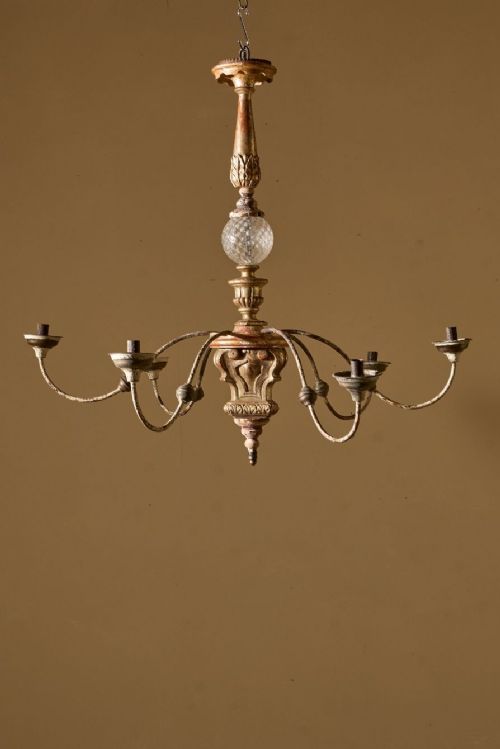
Antique Lighting Ceiling Light
These antique lighting ceiling light pieces illuminate rooms with period character, combining brass, crystal and bronze into functional overhead fixtures.
Antique Lighting Ceiling Light
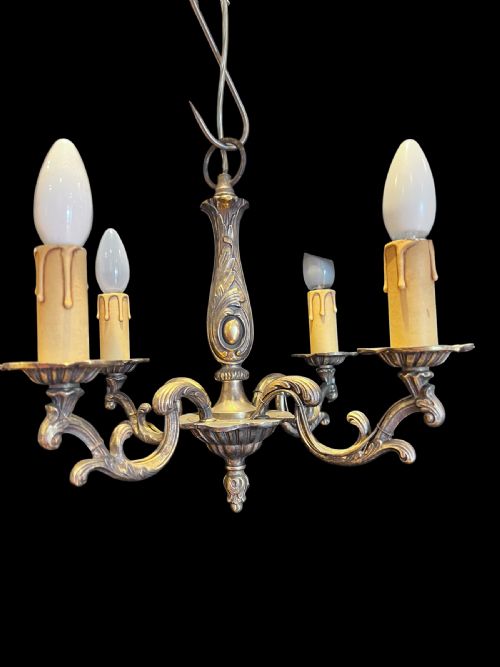
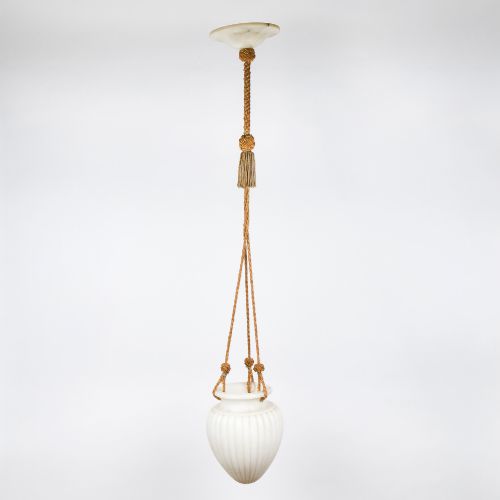
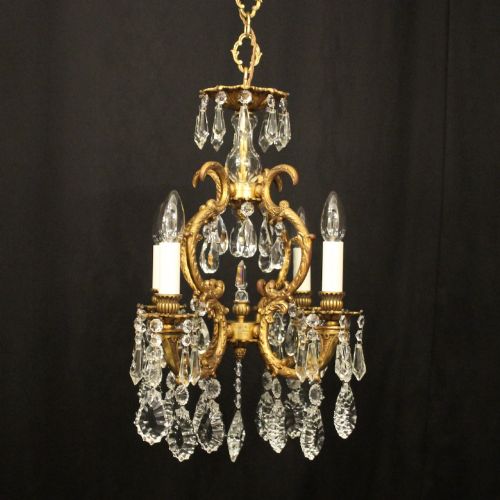
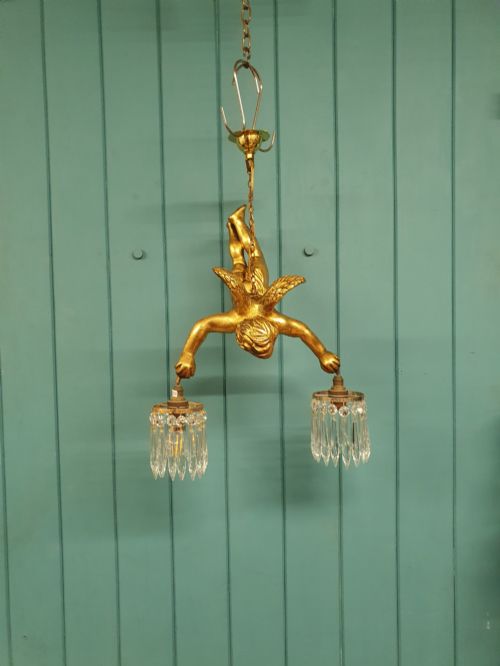
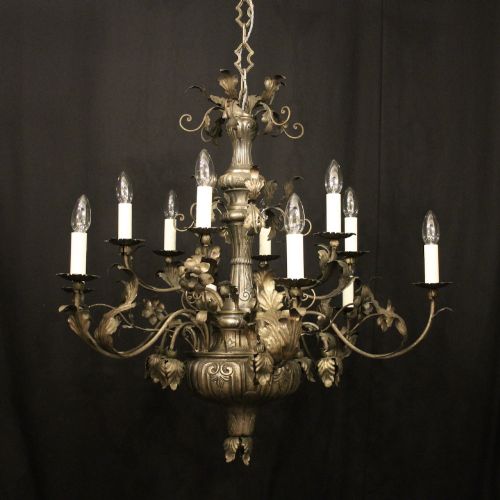
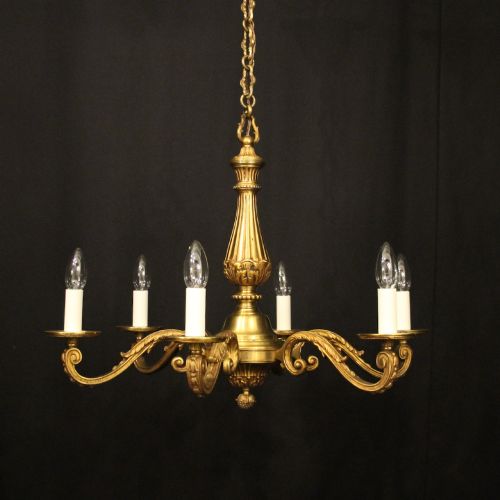
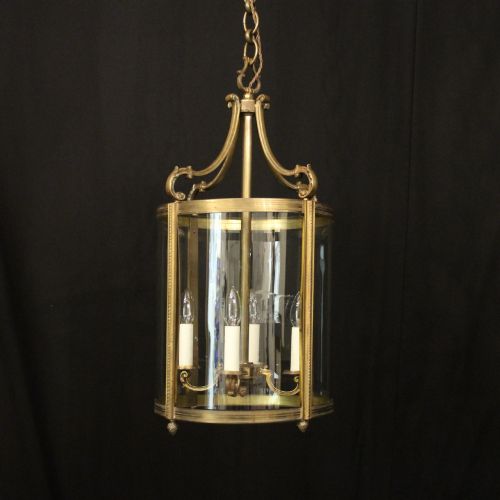
When you search for an antique lighting ceiling light, you encounter a wide selection of overhead fixtures originating from the nineteenth and early twentieth centuries. These pieces range from grand multi-light chandeliers to focused pendant lights and architectural hall lanterns.
Period contexts span the Victorian, Edwardian, and Art Deco eras, alongside nineteenth-century revivals and early twentieth-century Arts and Crafts designs. Buyers frequently select these fixtures to anchor historical interiors with authentic period metalwork and glass.
Materials and construction methods
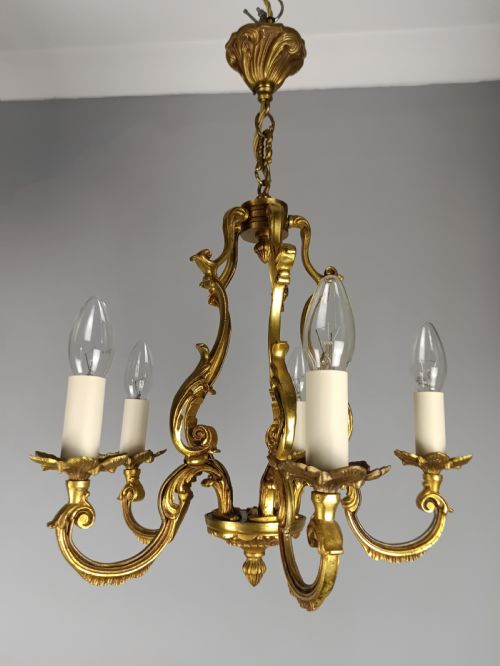
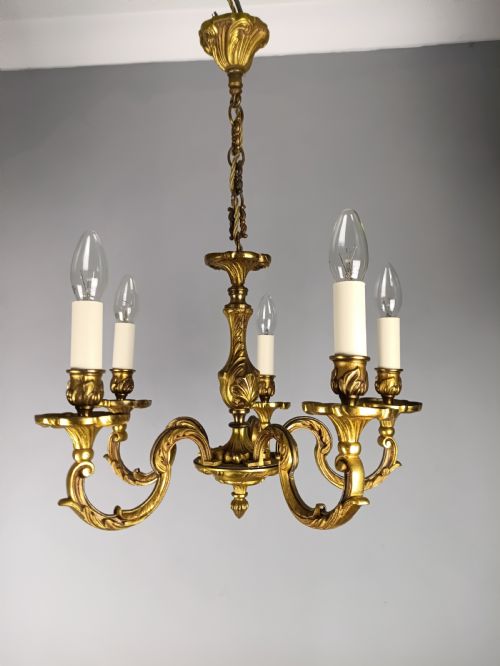
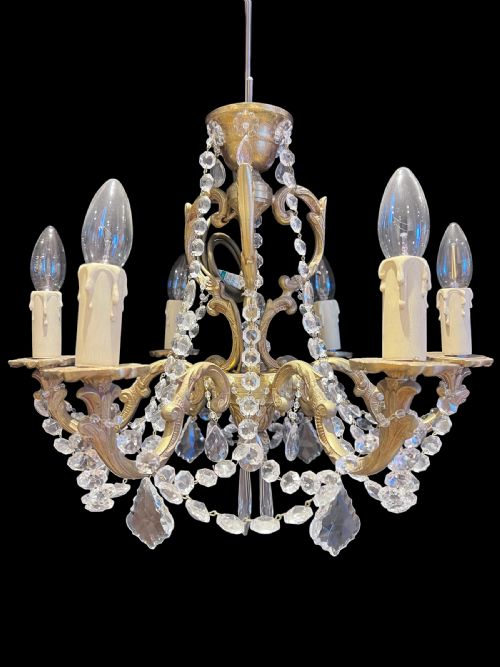
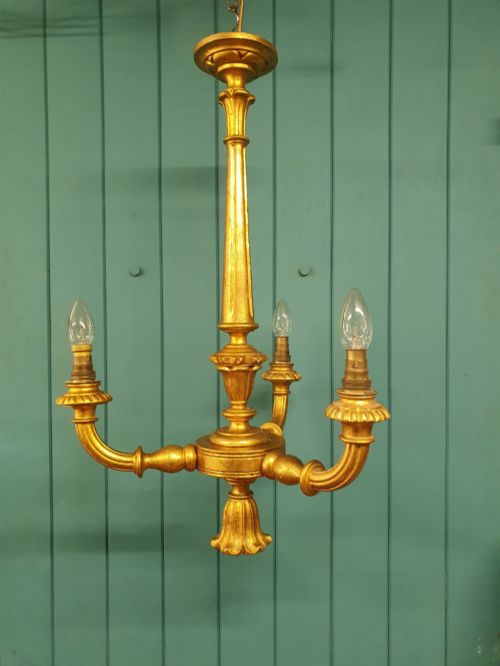
Makers constructed these fixtures primarily from cast and spun brass, gilded bronze, and giltwood, pairing structural metal frames with transparent elements. Cut glass, moulded crystal lustres, lead glass panels, and opalescent shades form the light-diffusing components across these designs.
Metals received various treatments including gilding, patination, and polishing to achieve specific aesthetic finishes. Frames incorporate mechanical joints, threaded rods, and soldered junctions to support multi-light configurations and heavy crystal drops safely.
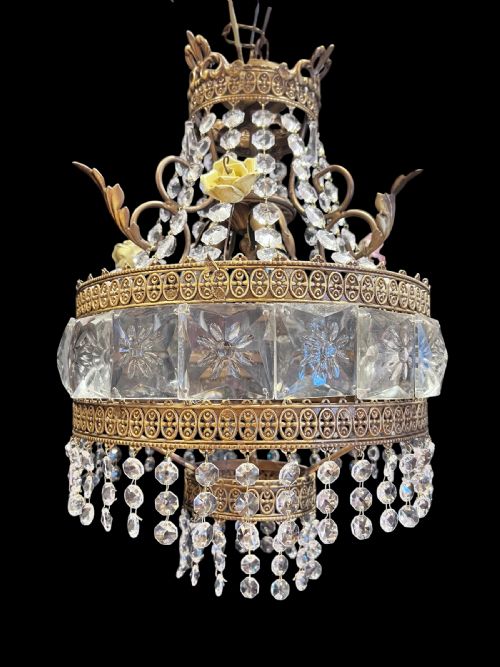
Specialised decorative details such as carved wooden elements, porcelain flowers, bevelled glass panels, and slip shades demonstrate period production techniques. Lanterns and chandeliers utilise internal wiring channels or historical gas-line routing adapted for contemporary electrical standards.
Among the brass frames and crystal drops sits a Moravian star lantern, ready to cast geometric shadows across your ceiling.
Distinctions in manufacture and execution
Quality separates fixtures by the precision of their metal casting and the clarity of their glass components. Finer pieces display sharply chased bronze ornamentation, deeply bevelled glass panels, and hand-cut crystal drops that refract light cleanly.
Construction robustness dictates the longevity and stability of larger multi-arm chandeliers and heavy lanterns. Superior examples maintain rigid structural alignment across numerous light branches and secure heavy crystal elements with proper wire bindings rather than hasty adhesives.
Design integration and provenance elevate specific pieces within the range. Works attributed to notable designers or specific civic buildings exhibit cohesive stylistic execution and superior individual detailing compared to standard commercial production.
Émile-Jacques Ruhlmann·Voysey
The Antique Lighting Ceiling Light Glossary
- Chandelier
- A branched ornamental light fixture suspended from the ceiling. These multi-light pieces distribute illumination widely across formal rooms and hallways.
- Hall Lantern
- An enclosed hanging light fixture designed specifically for entrance spaces and corridors. They typically feature glass panels held within a brass, bronze, or metal frame.
- Crystal Lustre
- A cut and polished glass pendant suspended from a chandelier or sconce. These elements catch and multiply the light emitted from the bulbs.
- Tent and Waterfall
- A chandelier configuration where strings of crystal beads form an upper triangular tent above a cascading lower shower of drops. This style achieved great popularity during the early twentieth century.
- Slip Shade
- A pressed or moulded glass shade that fits directly into a metal frame or bowl fixture. They define many Art Deco ceiling lights.
Antique Lighting Ceiling Light: Frequently Asked Questions
How do I choose the right size ceiling light?
Consider the scale of the room and the height of your ceiling before selecting a fixture. Large multi-arm chandeliers require adequate clearance and spatial volume, whereas compact lanterns suit modest hallways and lower ceilings.
Measure the floor area and ceiling height carefully to ensure proportional balance. A fixture should hang securely without dominating the circulation space beneath it.
Are these vintage lights wired for modern use?
Most period lighting fixtures arrive configured for historical electrical standards or require rewiring to meet contemporary safety codes. Professional electricians can adapt internal wiring channels safely.
Inspect the internal lampholders and wiring pathways upon acquisition. Upgrading components ensures safe operation while preserving the original exterior metalwork and glass.
How do I tell an Edwardian lantern from a Victorian one?
Victorian pieces often display heavier cast brass framing, Gothic revival influences, or traditional leaded glass construction. Edwardian examples tend to embrace lighter brass frames, geometric proportions, and early Art Nouveau styling.
Examine the construction joints and decorative motifs to determine the manufacturing era. Material weight and glass cutting styles offer further clues to the period of origin.
Can I hang a heavy bronze chandelier in a modern home?
Hanging heavy bronze or crystal fixtures requires secure anchorage directly into ceiling joists or structural nogging. Standard plasterboard ceilings cannot support the substantial weight of multi-light antique chandeliers safely.
Consult a professional installer to assess ceiling load capacity and install appropriate mounting hardware. Proper bracket support prevents structural damage and ensures stability.