
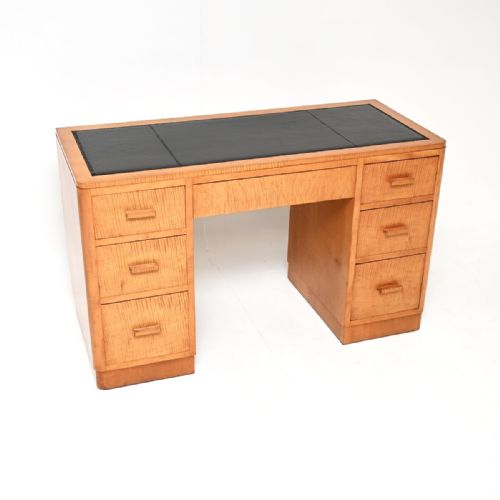
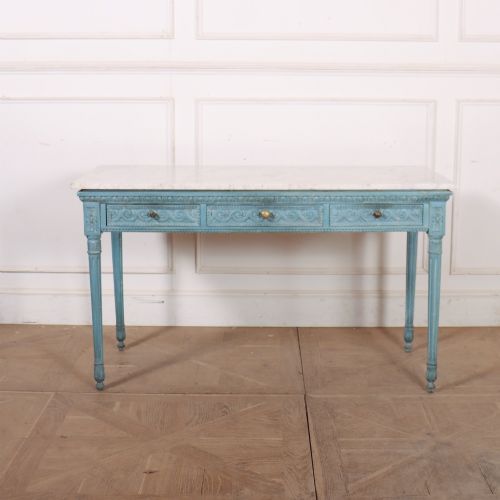
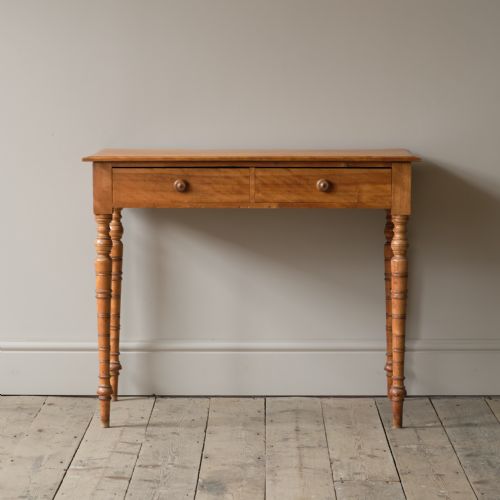
Antique Light Wood Desk
An antique light wood desk brings pale tones and practical writing surfaces into a room, spanning periods from Victorian to Art Deco.
Antique Light Wood Desk
When you search for an antique light wood desk, you find pieces constructed from timbers such as satin birch, oak, elm, ash, and light walnut. These items emerge from the nineteenth century, the Edwardian era, and the nineteen-thirties.
The selection on this page ranges from pedestal desks to writing tables and dressing tables adapted for workspace use. Makers from different regions utilised local pale woods to create functional surfaces for studies and libraries.
Victorian and Art Deco examples dominate the available forms, showing how lighter timbers gained favour in varied design movements. Each piece reflects the cabinet-making standards of its specific decade.
Assessing the Pieces
Quality rests in the selection of the timber figure, the precision of the cabinet joinery, and the retention of original hardware such as brass handles and locks. Pieces that display matching grain patterns across drawer fronts demonstrate higher skill in construction.
The integrity of the secondary woods and the cleanliness of internal drawer construction distinguish standard utility items from finer workshop output. Desks retaining their original leather tops and polished finishes hold greater coherence.
Heal and Son·Harry and Lou Epstein·James Mein of Kelso·Fortnum and Mason
The Antique Light Wood Desk Glossary
- Satin birch
- A pale, lustrous timber with a fine grain used extensively in nineteenth-century and Art Deco cabinet making. It provides a reflective surface that brightens interior spaces.
- Pedestal desk
- A freestanding writing table supported by two banks of drawers reaching down to the floor. This form offers substantial storage alongside a central kneehole.
- Dovetail joint
- An interlocking woodworking joint formed by interlocking wedge-shaped fingers. It secures drawer corners against the pull of daily use.
Antique Light Wood Desk: Frequently Asked Questions
How do I clean a light wood desk?
Dust the surface regularly with a soft, dry cloth to prevent grit accumulation on the finish. Apply a quality beeswax periodically to nourish the timber and maintain its pale tone.
Avoid placing the desk near direct heat sources or strong sunlight, which can cause the light wood to darken or dry out over time.
Are these desks suitable for daily work?
Most antique writing tables and pedestal desks provide sturdy surfaces for modern writing and laptop use. Their drawer configurations offer practical storage for stationery and documents.
Consider the kneehole height and overall dimensions to ensure the desk accommodates your seating and equipment comfortably.
How do I identify Art Deco light wood desks?
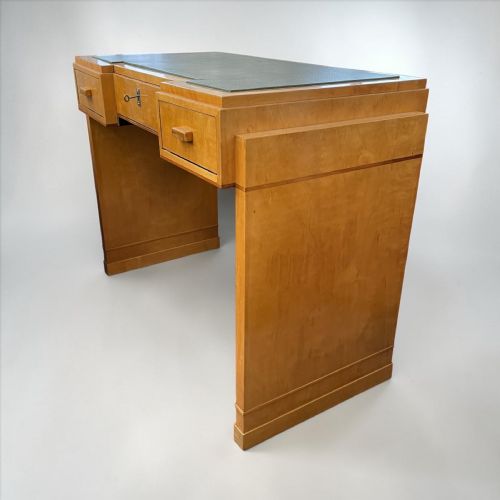
Art Deco desks from the nineteen-thirties favour geometric symmetry, clean lines, and light veneers like satin birch or elm. They often lack ornate carvings, relying instead on the natural grain pattern of the wood for visual effect.
Design hallmarks include streamlined pedestals and minimalist hardware that reflect the modern aesthetic of the interwar period.
What is the difference between oak and satin birch desks?
Oak desks display a prominent, open grain and a warm, honeyed pale tone common in nineteenth-century and earlier pieces. Satin birch offers a smoother, highly reflective surface with a golden-yellow hue frequently seen in later revival and Art Deco furniture.
Both woods provide durability, but satin birch delivers a distinctly brighter appearance within a room.