

Antique Light Pedestal
These antique light pedestal selections bring together brass floor lamps, carved wood torcheres, and columnar table fittings that illuminate a room with period character.
Antique Light Pedestal
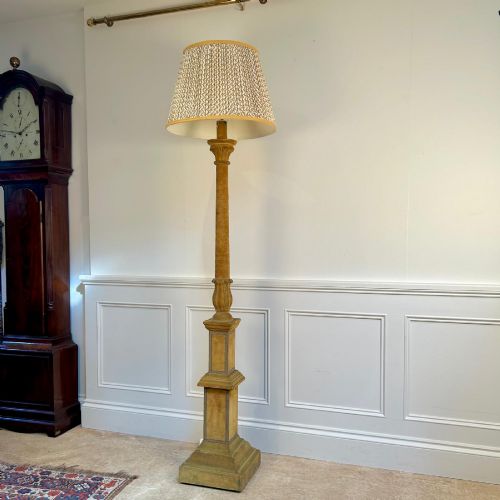
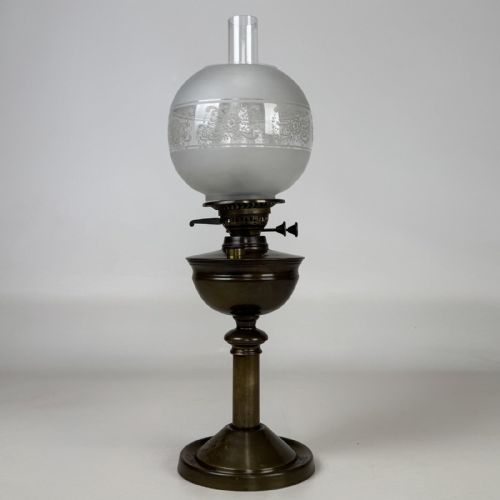
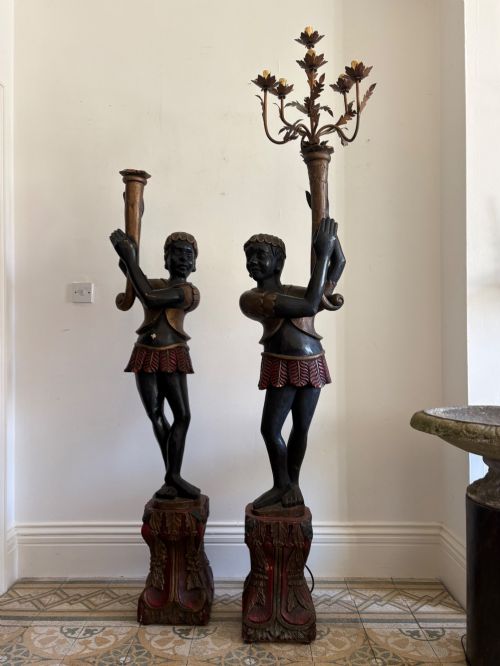
When you search for an antique light pedestal, you encounter tall floor standards, torcheres, and columnar table lamps designed to elevate a light source. The items meeting this description span the Victorian era, the Edwardian years, and the Art Deco period, often taking the form of brass columns or carved wooden figures.
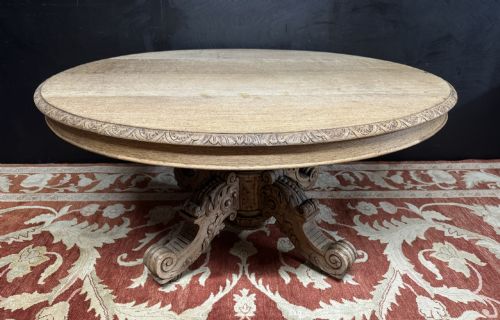
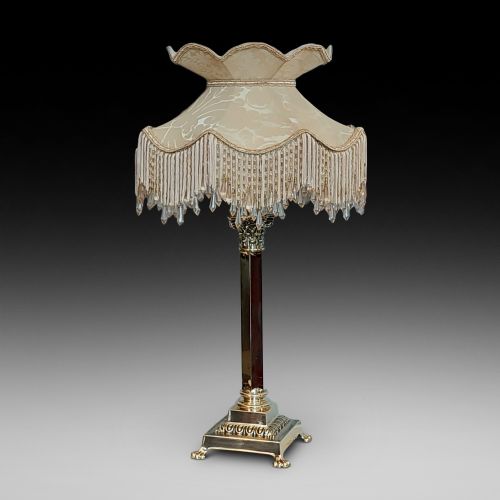
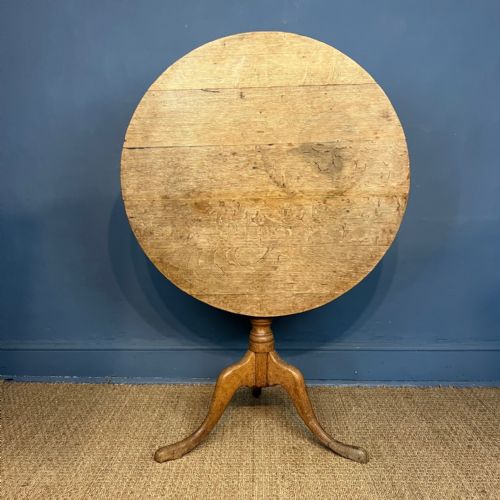
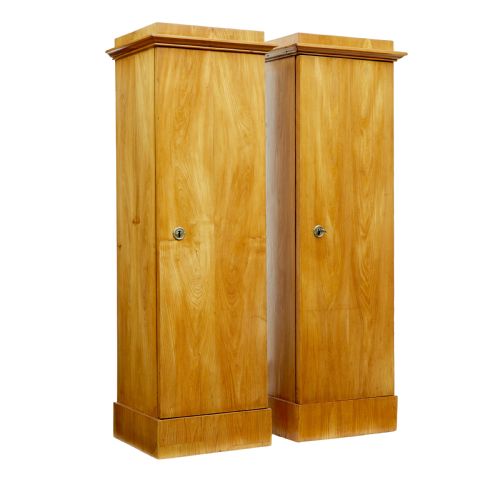
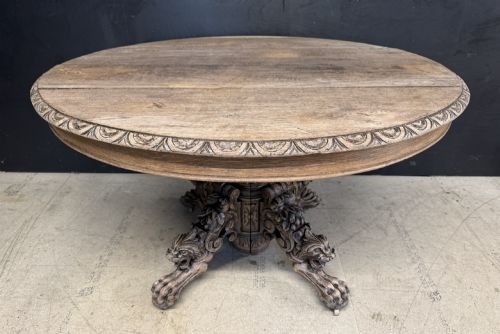
The inventory on this page leans heavily toward tall floor-standing torcheres and brass table lamps modeled on classical architectural orders. Pieces originating from Italy, France, and England appear frequently, alongside occasional oak and walnut furniture pieces associated with pedestal forms.
Materials and construction methods
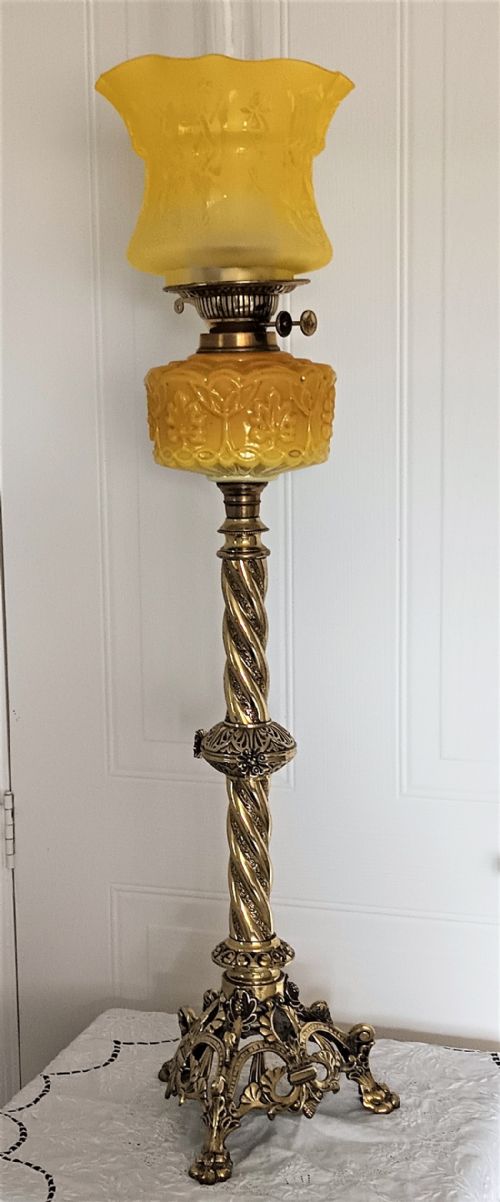
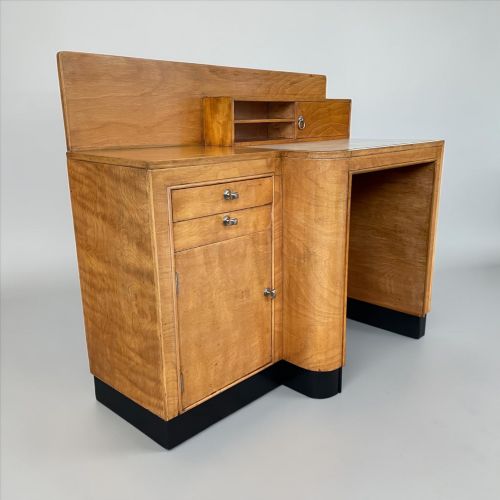
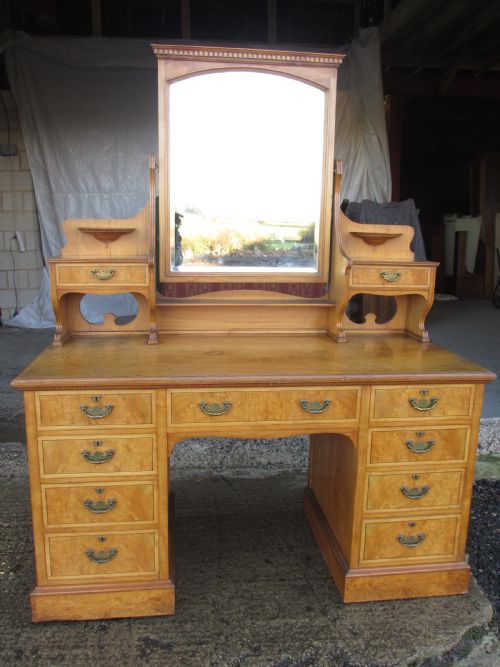
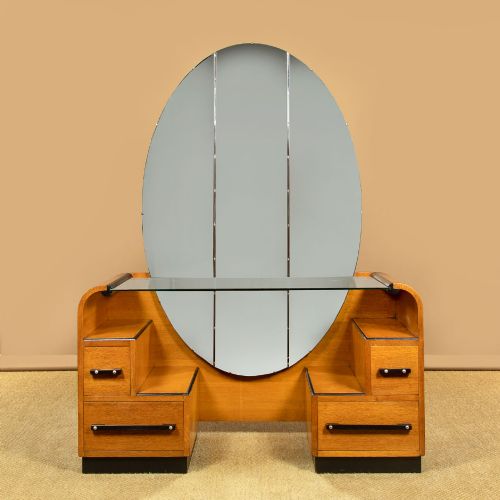
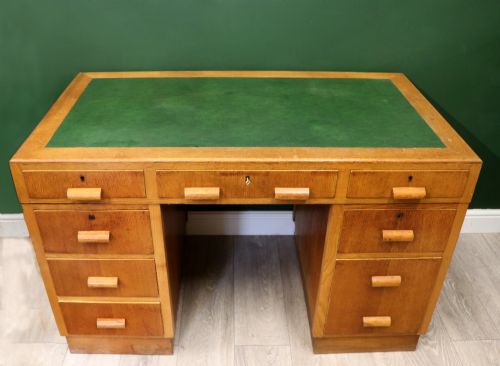
Makers utilised cast and spun brass to construct slender column lamps, frequently incorporating frosted or cranberry glass shades. Carved woods such as oak, walnut, and satin birch form the structure of the pedestals and associated desks found in this group.
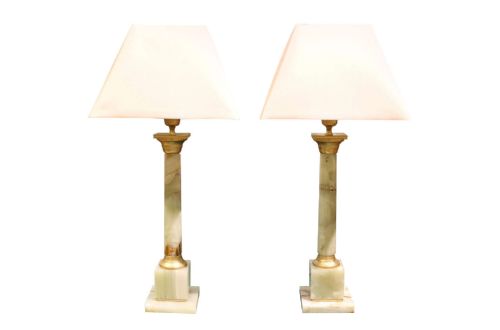
Bronze and silver plate feature prominently in figural standards, while alabaster and Italian velvet contribute to the texture of twentieth-century lighting. Joinery and casting techniques reflect the prevailing styles of the nineteenth and early twentieth centuries, from Gothic revival to Modernist lines.
Antique Light Pedestal Retail Price Guide 2026
Typical asking prices for light pedestal among the pieces listed under this phrase on Sellingantiques today, from the lower quarter to the upper quarter. They describe what is for sale here now, not the wider market.
An elephant proudly holds up a lamp base among these nineteenth-century figures.
Distinctions in quality
The standard of carving on wooden torcheres and the crispness of casting on brass Corinthian columns dictate the upper tier of the selection. Heavy gauge metalwork and undamaged glass shades distinguish superior pieces from standard domestic lighting.
The integration of original maker stamps or recognizable workshop attribution elevates a standard metal or wooden pedestal into a collector piece. Proportions and the retention of original surface finishes further divide utilitarian examples from high-style decorative works.
Shapland & Petter·Heal's·Harry and Lou Epstein·WMF·Messenger
The Antique Light Pedestal Glossary
- Torchiere
- A tall stand or floor lamp designed to direct light upwards. These pieces often feature figural or classical column supports.
- Corinthian column
- An architectural column order characterised by ornate capitals decorated with acanthus leaves. This motif appears frequently on nineteenth-century brass lamps.
- Satin birch
- A pale, lustrous hardwood utilised by cabinet makers for desks and bedroom furniture during the nineteenth and twentieth centuries. It provides a distinctive blond grain.
- Alabaster
- A fine-grained, translucent stone carved into vessels and lamp bases. It diffuses light softly when illuminated from within or above.
- Silver plate
- A thin layer of silver applied to a base metal core, common in Victorian and Edwardian manufacturing. It offers the appearance of solid silver at a lower weight.
Antique Light Pedestal: Frequently Asked Questions
What is an antique light pedestal?
An antique light pedestal refers to a tall floor lamp, torchere, or elevated table lamp designed to raise a light source above furniture level.
These pieces typically date from the Victorian, Edwardian, and Art Deco periods, utilising materials such as brass, carved wood, and bronze.
Were these lamps originally electrified?
Many nineteenth-century examples started life as oil lamps fitted with frosted, opaline, or cranberry glass shades.
They were subsequently converted to electricity during the twentieth century to suit modern domestic requirements.
Where should I place a torchere lamp?
Torchere lamps work well in corners or beside seating areas where upward illumination can bounce off the ceiling.
Their narrow footprint allows them to fit into spaces where bulky furniture cannot go.