


Antique Lidded Pot
When you search for an antique lidded pot, you meet vessels formed for containment, spanning ginger jars to vanity boxes across centuries of craftsmanship.
Antique Lidded Pot
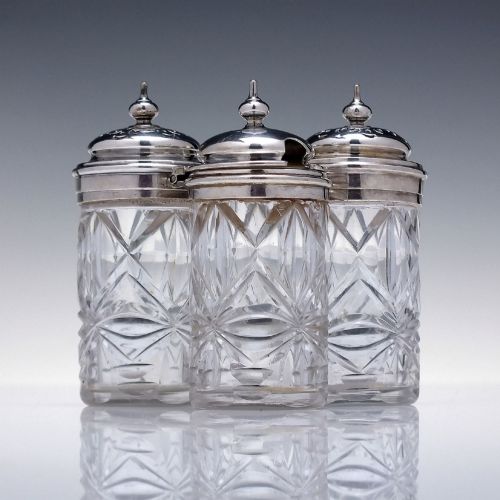
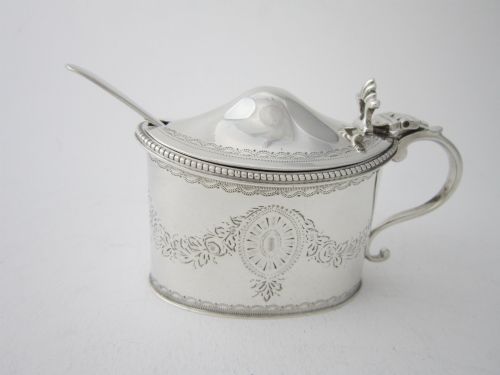
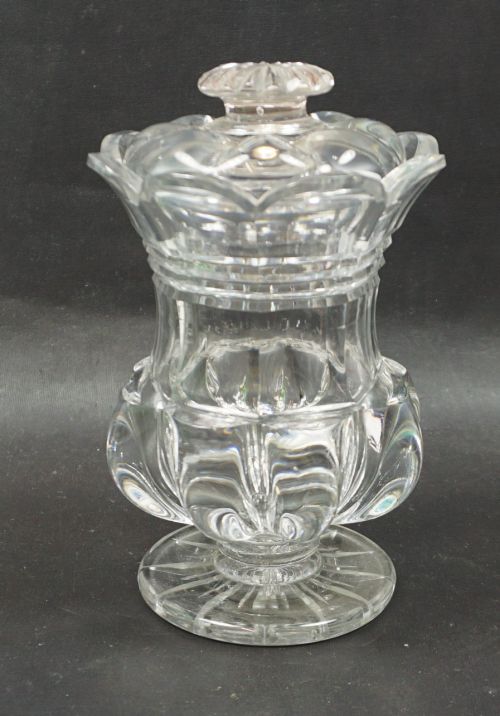
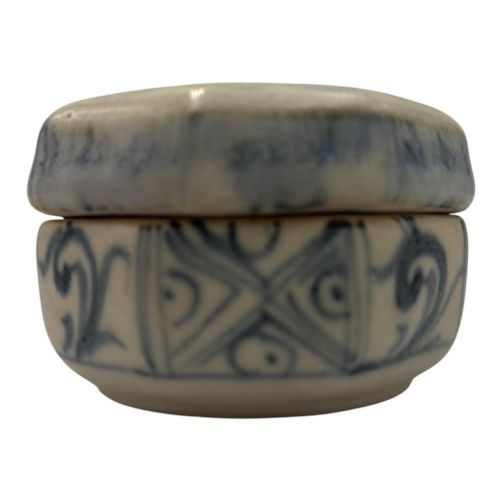
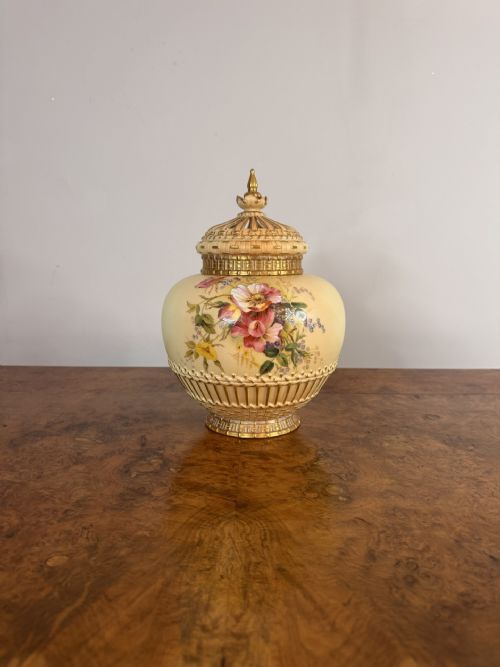
An antique lidded pot encompasses a diverse group of domestic and decorative vessels designed with matching covers, originating from various global traditions. The selection includes ceramic ginger jars, glass vanity boxes, earthenware tobacco jars, and porcelain sugar bowls. These items surface from periods spanning the seventeenth century through to the art deco era, reflecting shifts in household utility and ornament.
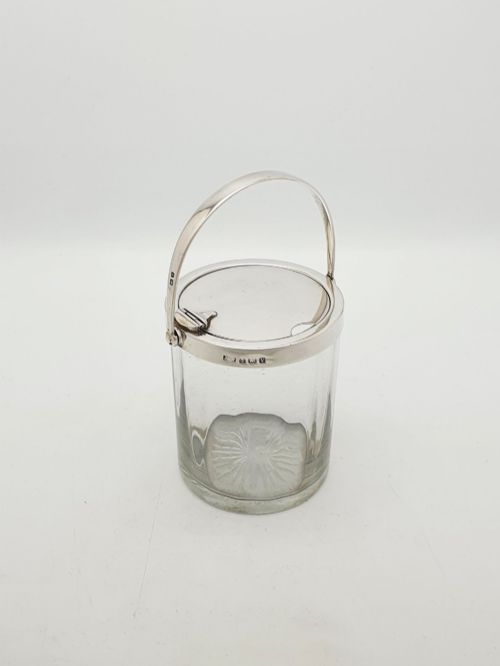
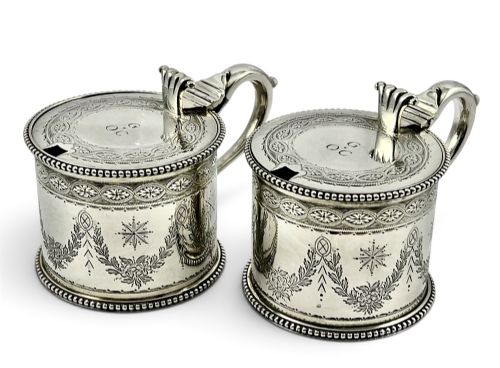
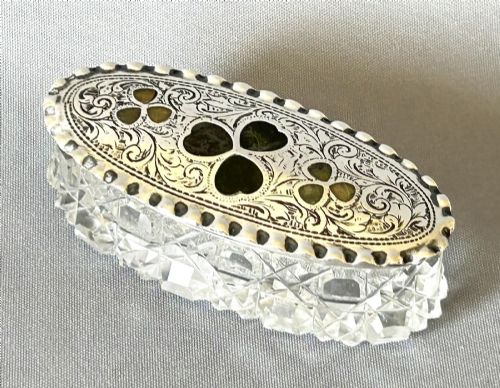
On this page, buyers most frequently encounter nineteenth-century Japanese porcelain and earthenware alongside British sterling silver mounted glass dressing table jars from the Edwardian period. Georgian and Victorian examples also appear regularly, formed in materials ranging from copper to delftware pottery. Each piece serves a specific historical function, whether holding cosmetics, leaf tobacco, or preserves.
How they were made
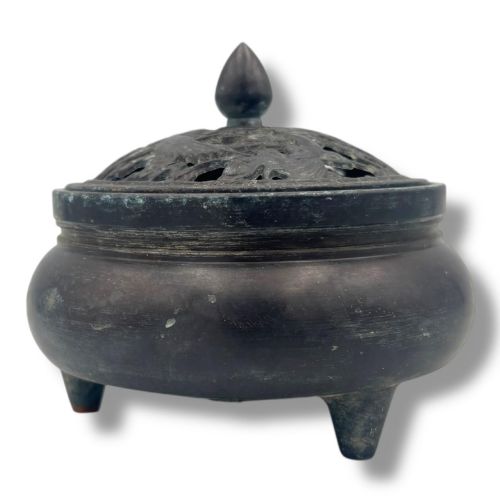
The construction of these vessels relies on traditional forming methods, combining ceramic bodies, blown glass, and beaten metals. Potters shaped earthenware, stoneware, and porcelain on wheels or in moulds before applying glazes, hand-painted pigments, or transfer printing. Metal components - such as silver collars, brass mounts, and bronze tripod bases - were cast, chased, or hammered by hand.
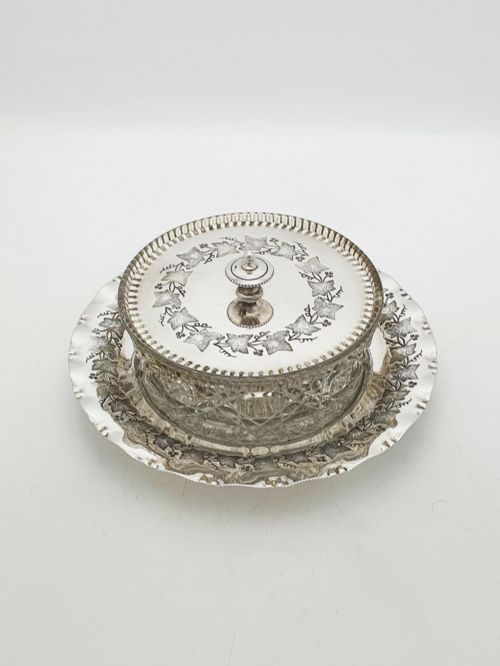
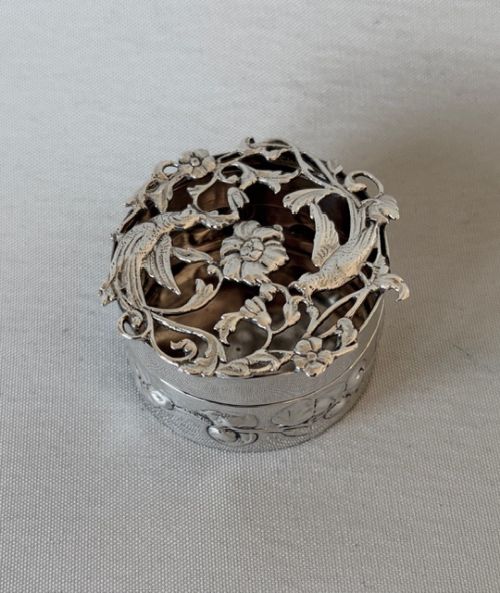
Makers integrated mixed media extensively, pairing cut glass with sterling silver lids, or mounting porcelain plaques into silver frames. Enamelwork and gold leaf frequently embellish the surfaces of Japanese cloisonné and European dressing table items. Treen examples demonstrate precision wood-turning from dense domestic timbers like walnut.
Antique Lidded Pot Retail Price Guide 2026
Typical asking prices for lidded pot among the pieces listed under this phrase on Sellingantiques today, from the lower quarter to the upper quarter. They describe what is for sale here now, not the wider market.
Regional origins represented on the page include English delftware, Japanese porcelain, French painted boxes, and Anglo-Indian silver.
What varies in quality
Quality in these vessels rests upon the precision of the execution and the fineness of the materials used. Superior examples display crisp hand-painted detail, balanced proportions, and well-fitted lids that close flush with the body. Metal mounts show clean chasing and secure hallmarks, whilst glass and porcelain exhibit clarity and deliberate weight.
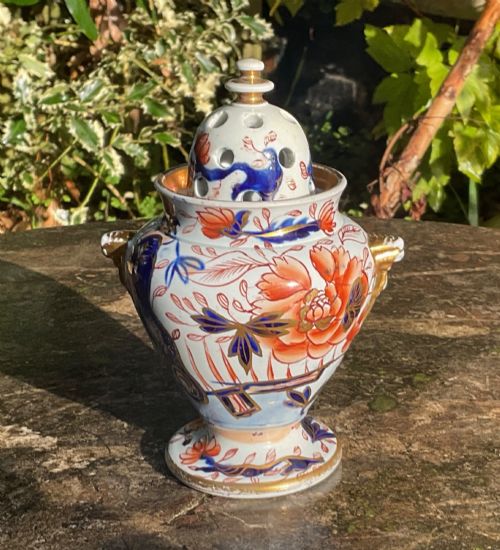
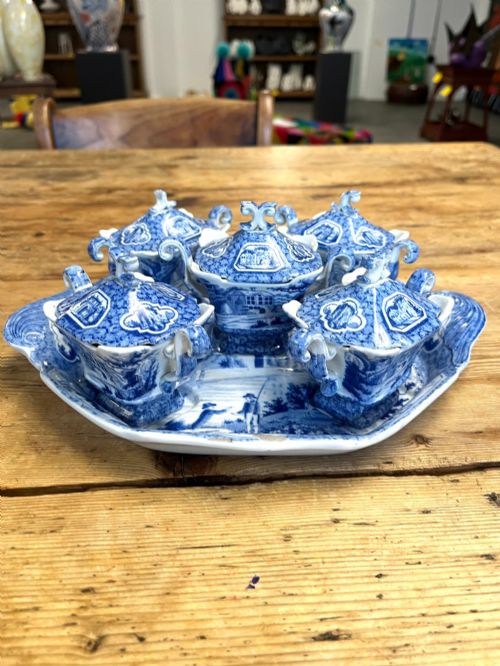
The sophistication of the design sets higher tiers apart from standard production pieces. Elaborate decorative programmes, such as complex cloisonné mosaics, intricate blue and white delft floral motifs, or detailed porcelain plaques, elevate a piece. Conversely, simpler utilitarian wares prioritise sturdy construction over fine decorative flourish.
A. J. Pepper & Co·A. Bromet & Co·Charles & George Fox·Watts & Harton·Royal Worcester
The Antique Lidded Pot Glossary
- Ginger jar
- A wide-shouldered ceramic container originally used for shipping and storing spices in China. These vessels typically feature domed lids and often display painted floral or bird motifs.
- Cloisonné
- A metalwork technique where thin wire is soldered to a base to form compartments, which are then filled with enamel paste and fired. This method produces intricate mosaic patterns across surfaces.
- Posset pot
- A historical lidded vessel used for serving posset, a hot drink made of curdled milk mixed with wine or ale. They frequently feature multiple handles and spouts for communal drinking.
- Sucrier
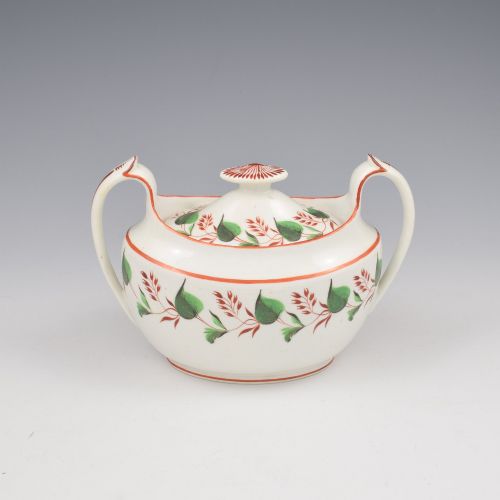
- A small lidded sugar bowl designed for tabletop use during tea service. These pieces emerge in porcelain, silver, and earthenware from the Georgian and Regency periods.
- Treen
- Small handmade wooden household objects turned on a lathe or carved by hand. Examples include tobacco jars and boxes fashioned from dense hardwoods.
Antique Lidded Pot: Frequently Asked Questions
What were lidded pots used for originally?
These vessels served various domestic and storage functions depending on their material and form. Ceramic jars held spices, tobacco, or ginger, whilst glass and silver pots contained cosmetics, trinkets, or sugar on dressing tables and sideboards.
Many examples reflect the specific dining and grooming habits of their respective periods, acting as both practical containers and decorative ornaments within the home.
How do I date an antique lidded pot?
Dating relies on examining hallmarks on silver mounts, maker marks on ceramics, and the overall stylistic characteristics of the period. Georgian, Victorian, and Edwardian pieces often carry specific stamps or registration marks that indicate the year of manufacture.
Material composition, manufacturing techniques, and decorative motifs also provide clear indicators of whether an item originates from the seventeenth century or the art deco era.
Are ceramic and glass lids interchangeable?
Lids on antique vessels are individually fitted during the manufacturing process and are rarely interchangeable, even among pieces of the same pattern. Hand-thrown ceramics and hand-blown glass contract and settle uniquely during firing and cooling.
Keeping the original lid with its matching base is essential for maintaining the historical integrity and form of the piece.
How should I clean silver mounted glass pots?
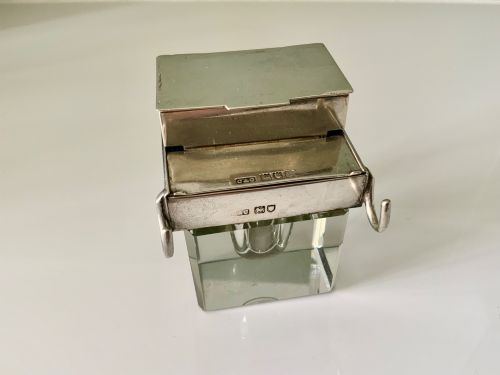
Cleaning requires separating the metal and glass components if possible, using a soft cloth and a gentle silver polish applied away from the glass. Care must be taken to prevent polish from entering hinged mechanisms or contacting painted porcelain plaques.
For glass or ceramic bodies, warm soapy water and a soft brush remove dust without harming hand-painted glazes or enamel details.