




Antique Lidded Pill Box
These antique lidded pill boxes span from Georgian enamels to Edwardian silver, offering pocket-sized compartments for valuables.
Antique Lidded Pill Box
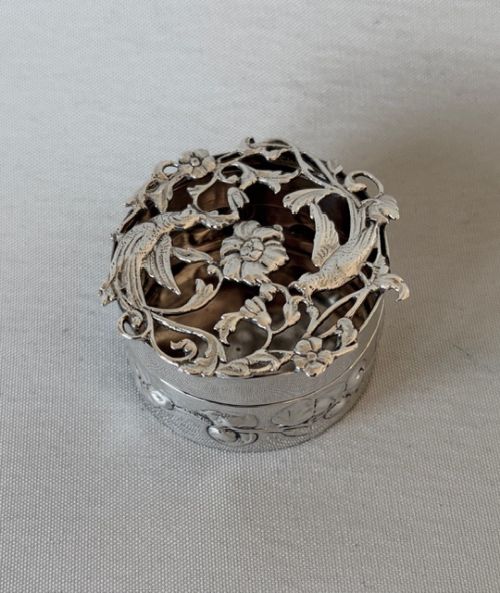
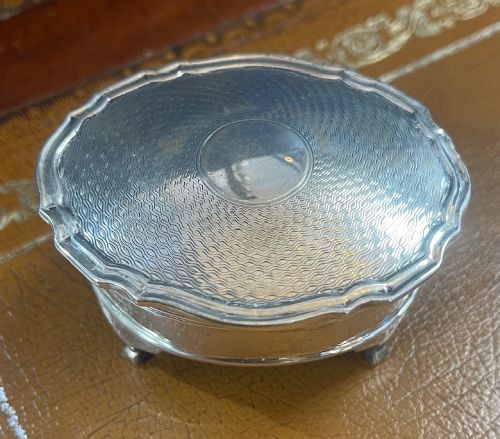
An antique lidded pill box is a small portable container designed to hold medicines, small powders, or personal items securely within a hinged or removable lid. The pieces on this page encompass various historical periods, including Georgian, Victorian, and Edwardian eras, reflecting changing social customs of personal carriage.
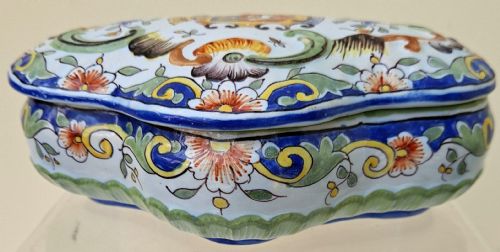
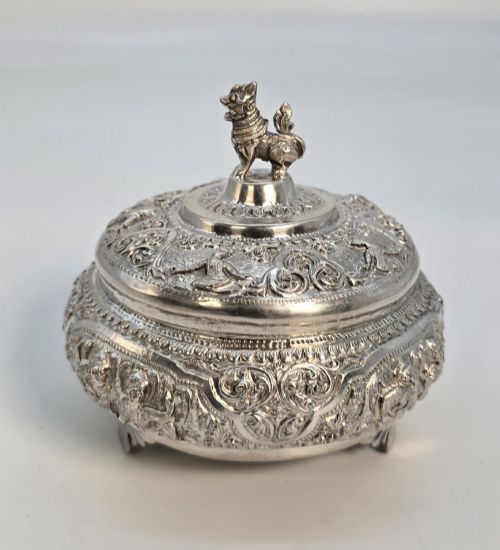
The forms extend beyond simple receptacles into related small containers such as patch boxes, snuff boxes, and small lidded jars. Origins range from English workshops to Scandinavian country pieces, French faience, and Anglo-Indian colonial metalwork.
Materials vary widely across these examples, combining metals, ceramics, and organic substances into compact vessels intended for daily use or display. Buyers encounter everything from simple wooden boxes to intricate silver-gilt and enamel pieces.
How they were made
Metals such as sterling silver, 15-carat gold, and brass form the structural body of many boxes, often shaped through casting, hammering, or pressing techniques. Silversmiths applied gilding or combined these metals with mother-of-pearl inlays to create decorative contrast.
Ceramic and glass examples utilise earthenware bodies, painted enamels, and French faience techniques to apply detailed surface decoration. Bilston enamel patch boxes demonstrate specialised firing processes onto copper or base metal substrates.
Organic materials like oak and mother-of-pearl rely on traditional woodworking and carving skills to achieve tightly fitting lids and smooth interior surfaces.
Antique Lidded Pill Box Retail Price Guide 2026
Typical asking prices for lidded pill box among the pieces listed under this phrase on Sellingantiques today, from the lower quarter to the upper quarter. They describe what is for sale here now, not the wider market.
The listings show materials ranging from sterling silver and 15-carat gold to carved oak, glass, and earthenware.
What varies in quality
The refinement of the surface decoration and the precision of the metalwork distinguish standard production from superior craftsmanship. Finely hand-painted enamels and crisp repoussé silver ornamentation indicate a higher grade of manufacture.
Structural integrity, particularly the alignment of hinges and the snugness of the lid closure, demonstrates the original maker's skill. Boxes retaining their original gilding and undamaged mother-of-pearl inlays represent the upper tier of surviving examples.
William Eaton·Edward Farrell
The Antique Lidded Pill Box Glossary
- Sterling Silver
- An alloy of silver containing 92.5 percent pure silver and 7.5 percent other metals, usually copper. This standard metal appears frequently in Georgian and Edwardian boxes.
- Bilston Enamel
- A type of opaque enamel painted on copper substrates, produced extensively in the 18th century. These decorative coatings often feature vibrant colours and pastoral scenes.
- French Faience
- Tin-glazed earthenware originating from France, known for painted decorative surfaces. Pieces of this ceramic type show colourful hand-applied glazing.
- Mother of Pearl
- The iridescent inner layer of certain mollusc shells, used historically for decorative inlays on boxes. This material provides a lustrous, shimmering surface texture.
- Snuff Box
- A small container designed specifically to hold dry powdered tobacco for inhalation. Many transitional boxes served a dual purpose for both snuff and pills.
Antique Lidded Pill Box: Frequently Asked Questions
What were antique pill boxes used for?
These small containers held medicinal pills, lozenges, or scented powders for personal use throughout the day. Wealthy individuals carried them in pockets or reticules.
Over time, their uses expanded to include holding patches for cosmetic facial blemishes or dry snuff. Their compact design kept fragile contents safe during travel.
How do I date an antique pill box?
Dating relies on stylistic clues, materials, and official hallmarks stamped onto metal components. Georgian and Victorian pieces often display distinct decorative motifs characteristic of their respective decades.
Maker marks and silver assay office stamps provide precise chronological markers for English metalwork. Examining construction methods also helps determine whether a piece originates from the 18th, 19th, or early 20th century.
Are these boxes made of solid silver?
Many examples utilise solid sterling silver or gold, while others incorporate brass, glass, ceramic, or carved oak. Material choices depended on the manufacturing traditions of the period and the intended market.
Some metal boxes feature interior gilt washes over silver bases to prevent corrosion from the contents. Examining hallmarks clarifies the exact metal composition of silver items.
How should I clean my antique box?
Gentle dusting with a soft, dry cloth is usually sufficient for maintaining fragile surfaces like enamel and mother-of-pearl. Aggressive polishing can remove delicate surface details or thin gilt layers.
Silver components may be treated cautiously with appropriate metal cleaners, keeping substances away from inlaid organic materials. Professional advice helps preserve fragile antique finishes.