

Antique Lidded Jug
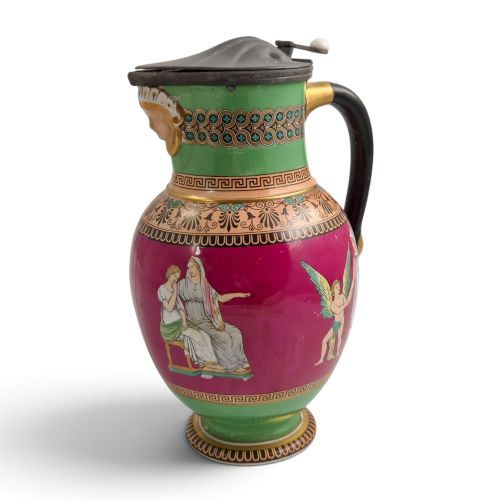
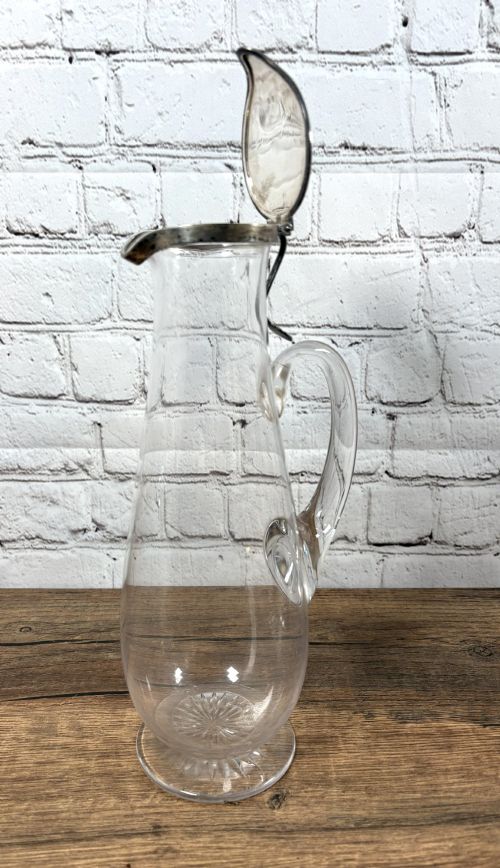
An antique lidded jug brings together metal, ceramic and glass forms with hinged covers designed to hold wine, beer, spirits or water.
Antique Lidded Jug
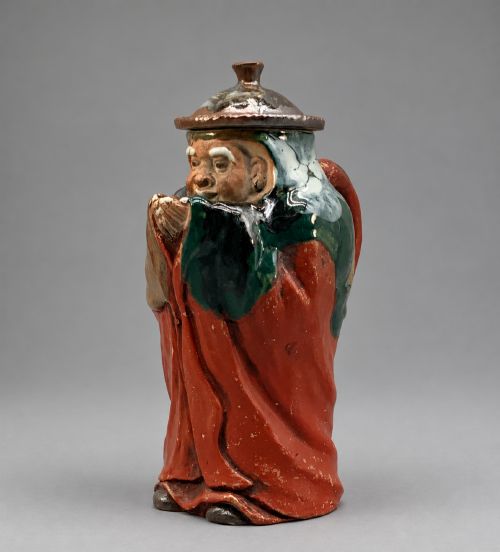
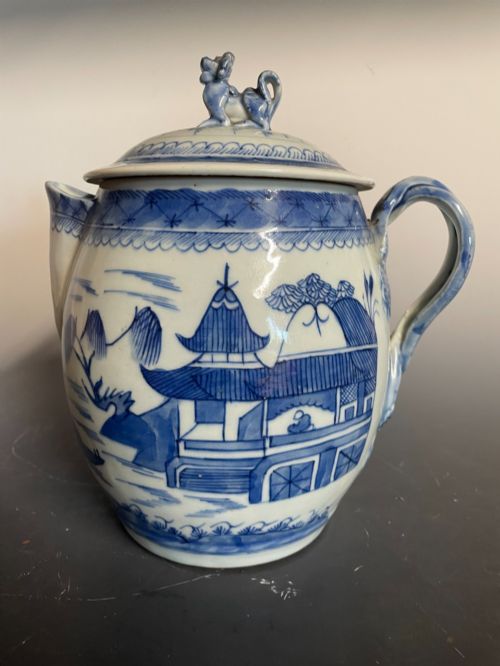
When you search for an antique lidded jug, you encounter a varied assortment of vessels ranging from utilitarian metal flagons and spirit measures to decorative ceramic ewers and glass claret jugs. The selection spans the eighteenth, nineteenth and early twentieth centuries, capturing domestic, ecclesiastical and hospitality functions across Georgian, Victorian and Edwardian periods.
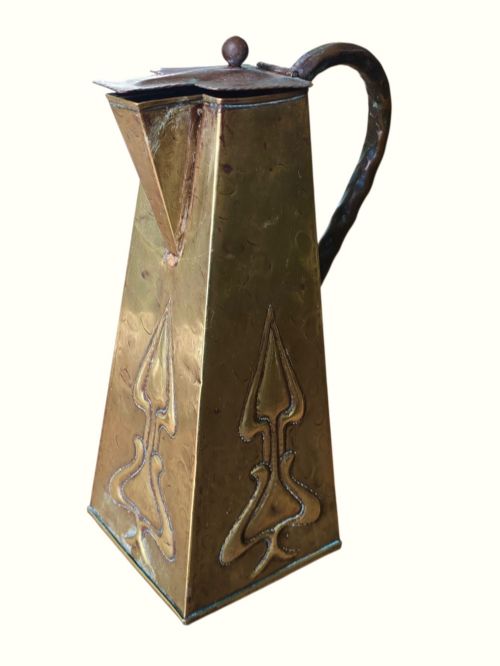
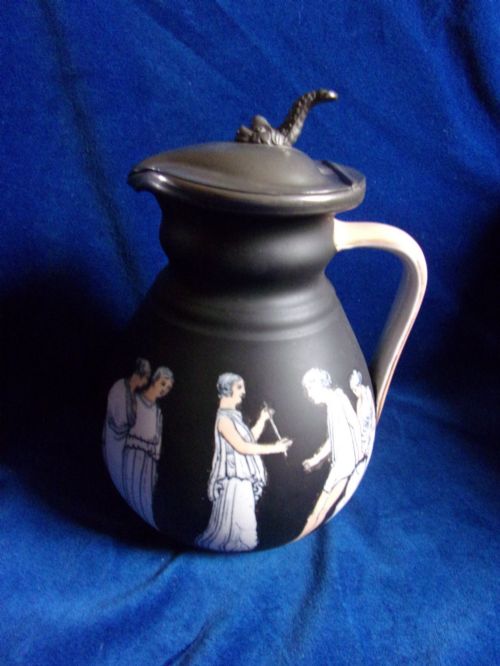
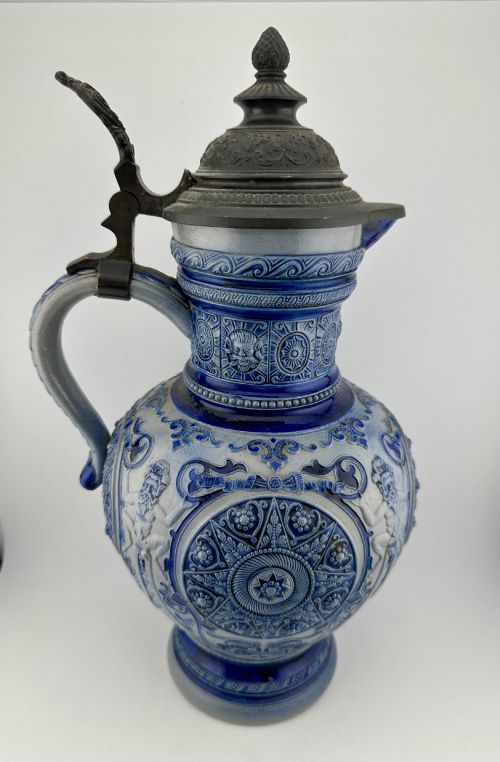
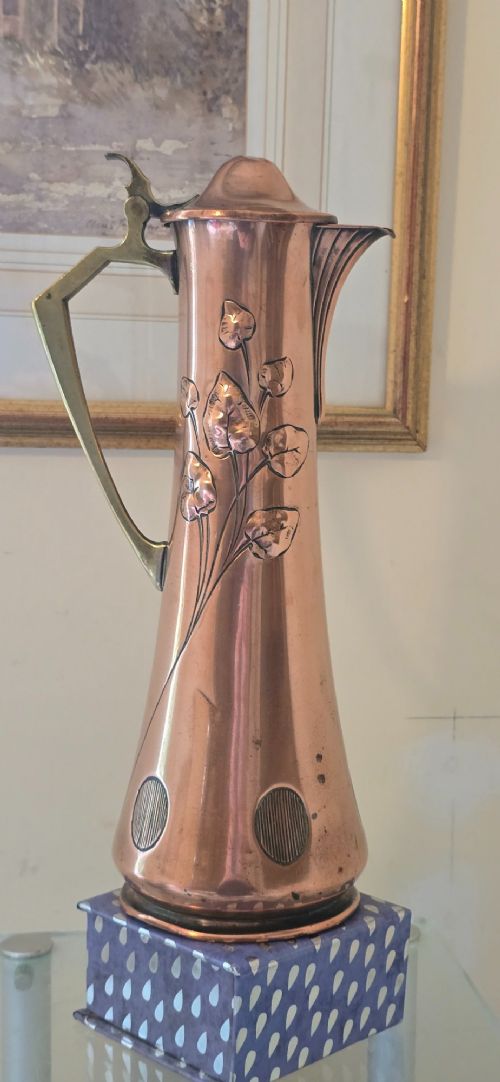
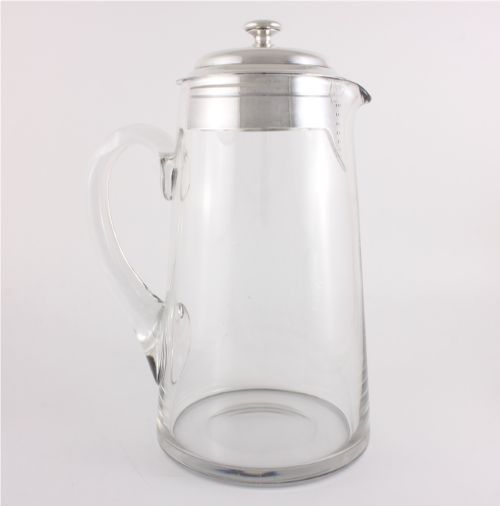
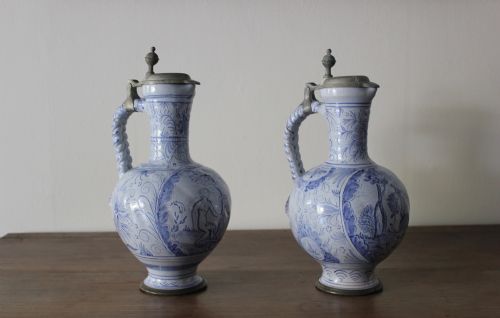
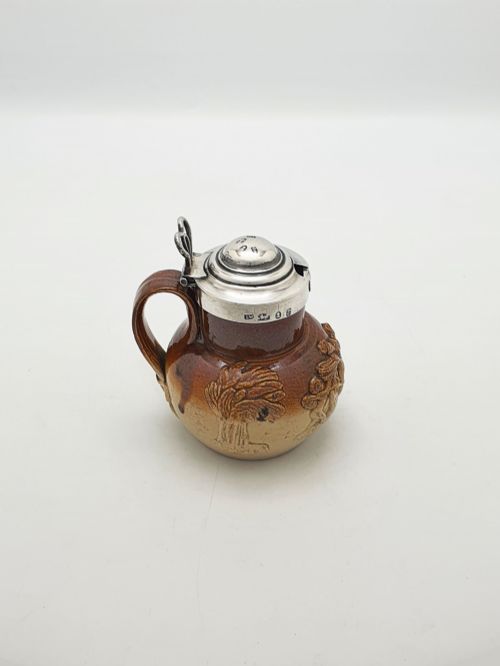
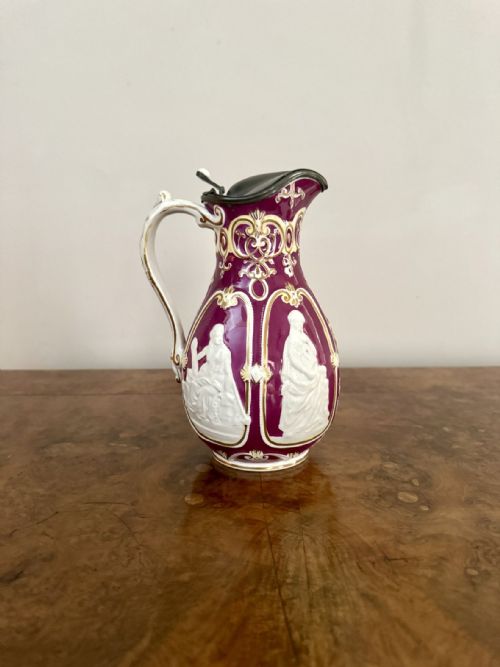
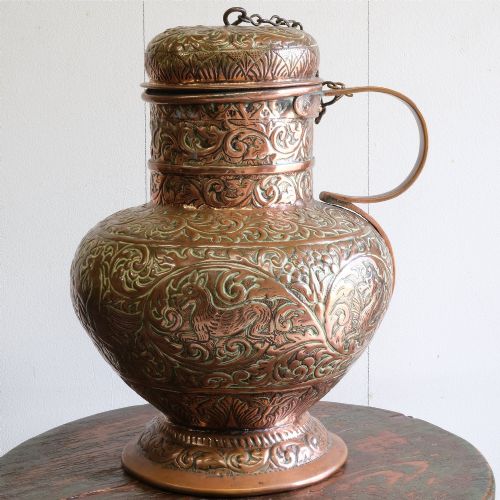
The most common examples on this page combine ceramic bodies or glass decanters with sterling silver, silver-plated, pewter or brass mounts and hinged lids. You will also find solid metal pieces such as copper ewers, pewter tappit hens and communion flagons alongside stoneware pitchers and porcelain milk jugs with matching covers.
Materials and construction methods
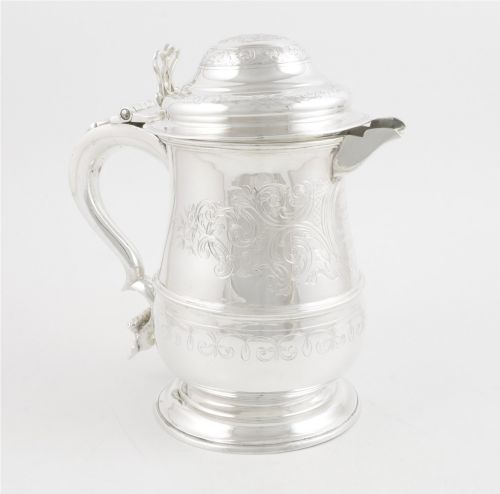
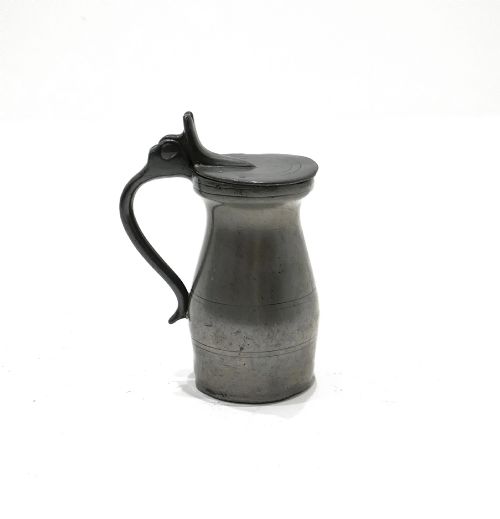
Makers utilised traditional metalworking techniques, casting pewter, copper and brass, or hammering sheets of silver and Old Sheffield plate to form the bodies and hinged lids. Pewter vessels often display touchmarks or capacity stamps, while copper and brass examples incorporate riveted handles and relief ornamentation.
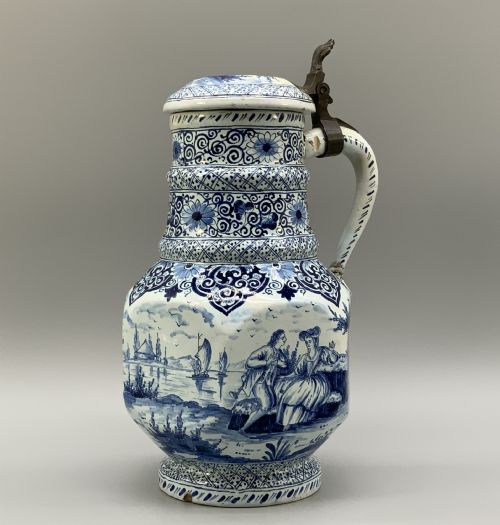
Ceramic and glass versions combine fired earthenware, stoneware, Delftware or crystal bodies with securely fitted metal collars, thumbpieces and hinged covers. Smiths and silversmiths soldered thumbpieces to lids, connecting them to collars via robust hinge pins to ensure smooth operation during pouring.
Antique Lidded Jug Retail Price Guide 2026
Typical asking prices for lidded jug among the pieces listed under this phrase on Sellingantiques today, from the lower quarter to the upper quarter. They describe what is for sale here now, not the wider market.
Scottish tappit hens earned their name from the distinctive knob on their lids, which reminded drinkers of a clucking hen.
Distinguishing the finer examples
Quality rests in the harmony of proportion between the vessel body and its metal mount, alongside the crispness of casting or hand-engraving on the lid. Superior pieces display tight hinge mechanisms that align precisely without wobble, retaining original thumbpieces and uncompromised structural integrity.
Maker marks, touchmarks and hallmarks elevate a piece, indicating documented workshops or silversmiths. The refinement of surface decoration - such as detailed floral relief work, hand-painted polychrome glazes or relief-moulded classical scenes - separates standard utility items from masterwork productions.
Joseph Sankey·John Heaney of Dublin·Robert Iles of London·Charles Meigh·Hukin & Heath·Elkington
The Antique Lidded Jug Glossary
- Flagon
- A large vessel with a handle and lid, historically used for serving wine or ale, or for holding communion wine in ecclesiastical settings.
- Whisky Noggin
- A small spirit decanter, often featuring a star-cut glass base and a sterling silver hinged lid, designed for individual serving.
- Touchmark
- An identifying stamp impressed into pewter by a maker or member of a guild to certify the quality and origin of the metal.
- Tappit Hen
- A traditional Scottish pewter measure with a characteristic lid resembling a nesting hen, used for serving ale or wine.
- Old Sheffield Plate
- A composite material made by fusing a thin sheet of silver to a thicker copper base, common on Georgian serving vessels.
- Ewer
- A large jug with a wide spout and a curved handle, often ornamental in design and paired with a matching basin.
Antique Lidded Jug: Frequently Asked Questions
How were antique lidded jugs used?
These vessels served diverse roles depending on their material and scale. Pewter and copper pieces managed daily quantities of ale, beer and water in homes or taverns, while silver-topped glass noggins portioned spirits.
Larger flagons fulfilled ecclesiastical duties for communion wine, and porcelain or stoneware jugs poured milk, tea or water at dining and tea tables.
How do I care for silver and pewter lidded jugs?
Clean metal surfaces gently with a soft cloth, avoiding harsh abrasive polishes that wear away thin silver plating or historic pewter patinas. Keep pewter dry and store pieces away from damp environments to prevent oxidation.
For ceramic and glass bodies with metal mounts, wash by hand in warm soapy water and ensure the hinge mechanism dries completely after cleaning.
How can I tell the period of a metal lidded jug?
Examine the construction of the handle, the style of the thumbpiece and any stamped maker marks or touchmarks. Early eighteenth-century pewter exhibits flat lids and specific capacity stamps, whereas nineteenth-century pieces often adopt Victorian neoclassical or revivalist decorative motifs.
Hallmarks on silver collars and mounts provide exact assay office dates and maker initials for pieces produced after the introduction of strict regulation.