

Antique Lidded Box
An antique lidded box holds small valuables, dry goods or documents securely while bringing period timber and metalwork into a room.
Antique Lidded Box
When searching for an antique lidded box, buyers encounter containers serving diverse domestic purposes, ranging from small trinket pots and pill boxes on dressing tables to tea caddies, document chests and candle boxes. The forms span centuries of utility, constructed in oak, mahogany, walnut, sterling silver, glass and ceramics.
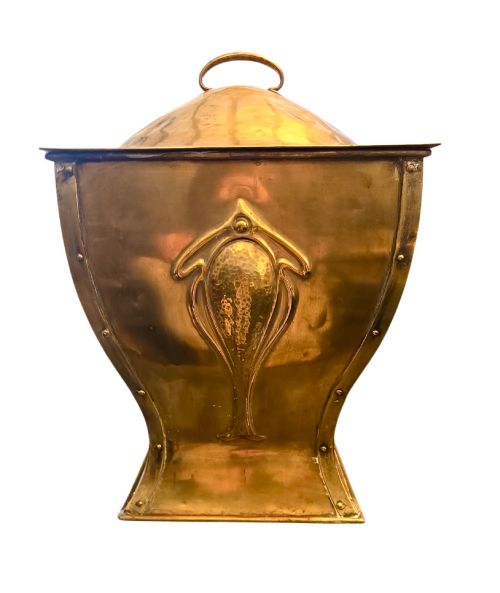
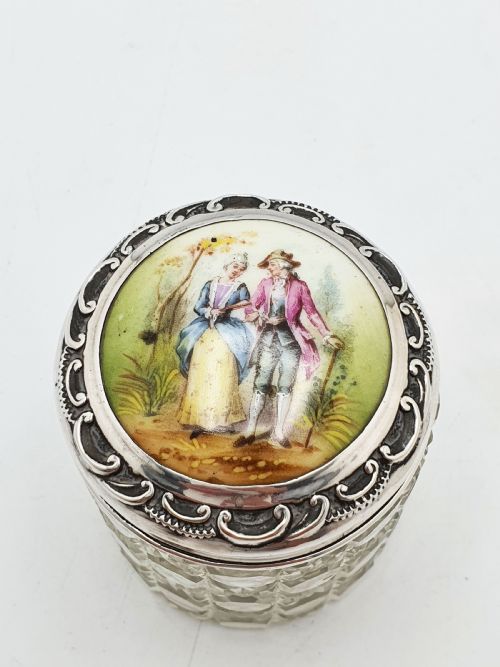
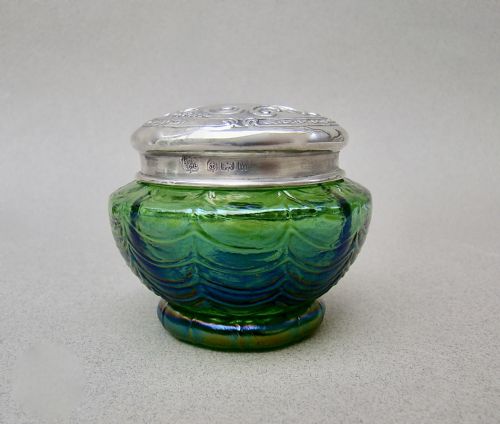
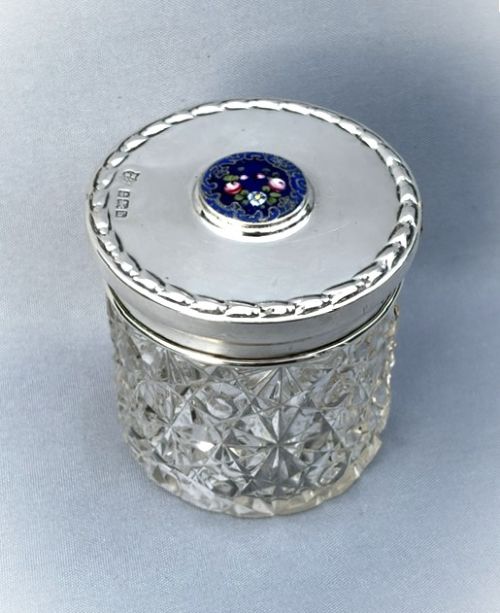
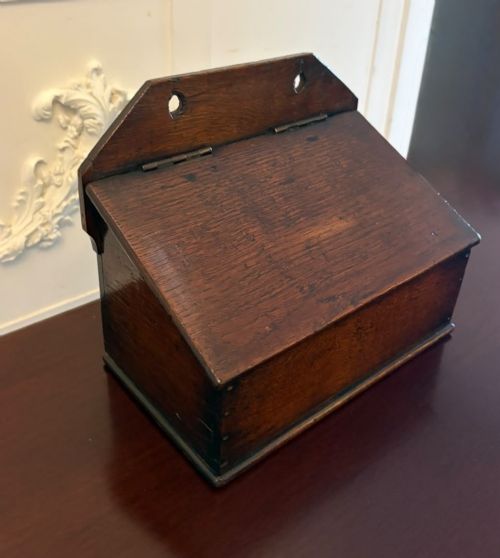
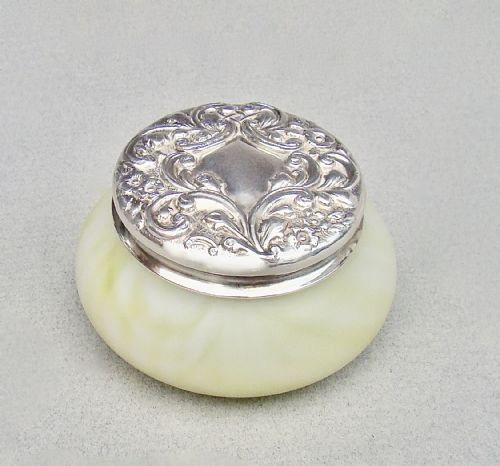
The selection on this page relies heavily on Edwardian and Victorian examples, alongside Georgian pieces and items from the early twentieth century. Common formats include cut glass vanity jars with silver mounts, inlaid burr walnut tea caddies, chip-carved foot stoves and wall-hanging oak candle receptacles.
Originating across Britain, continental Europe and further afield, these boxes reflect the material culture of their respective periods. From campaign chests with hinged lids to delicate enamel powder pots, each piece provides functional storage rooted in historical craftsmanship.
How they were made
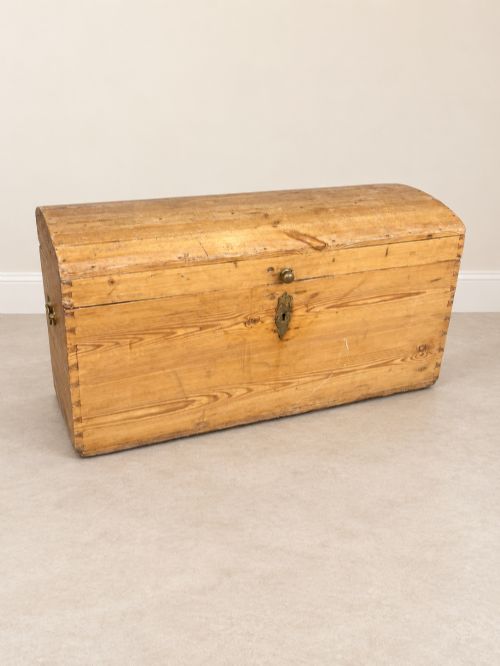
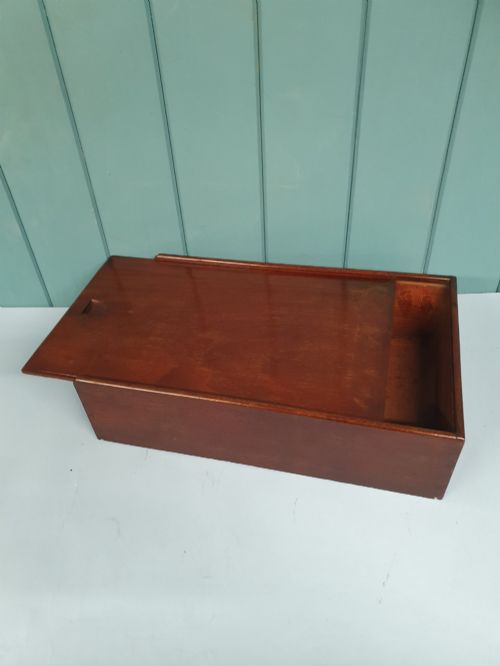
Timber boxes of the eighteenth and nineteenth centuries utilise solid oak, mahogany and burr walnut, joined with dovetails or pegged tenons designed to withstand heavy daily use. Decorative pieces incorporate brass hinges, locks, mother-of-pearl inlay and hand-carved surfaces.
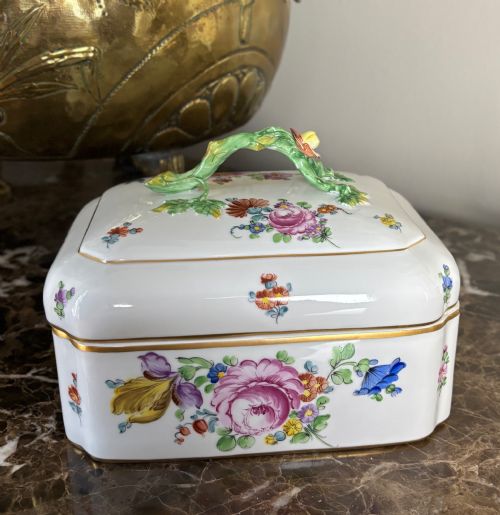
Silver and glass containers combine sterling silver mounts, tested at assay offices such as Birmingham and Chester, with cut, satin or Kralik glass bodies. Enamel plaques, hand-painted porcelain and gilt bronze introduce colour and surface ornamentation to dressing table jars and trinket boxes.
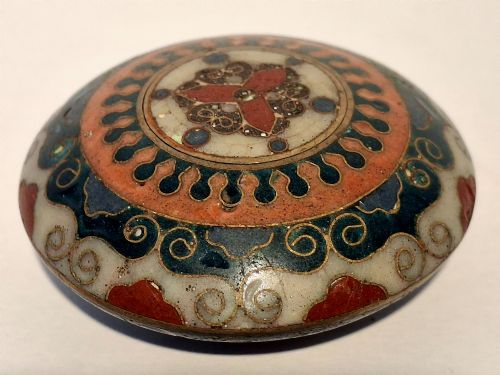
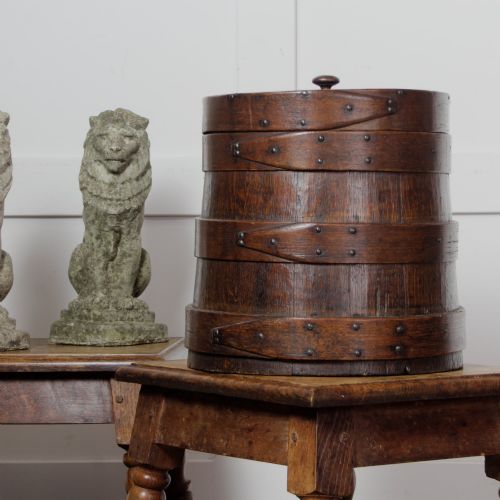
The box forms span utilitarian grain bins and bible boxes alongside delicate porcelain dressing table jars and cloisonné enamel pieces.
What varies in quality
Quality rests upon the crispness of the carving, the precision of wood joints like dovetailing, and the retention of original hardware such as locks and escutcheons. Superior examples maintain intact enamel work, undamaged glass cutting and firmly seated silver mounts without replacement components.
The depth of historical patination on timber surfaces and the clarity of hallmarks on silver components distinguish finer items from standard production pieces. Artistry in hand-painted porcelain plaques and cloisonné enamel elevates decorative boxes into works of focused craftsmanship.
A. J. Pepper & Co·A. Bromet & Co·Mappin & Webb
The Antique Lidded Box Glossary
- Tea caddy
- A box designed specifically for storing dry tea leaves, often featuring internal compartments or mixing bowls. These containers date predominantly from the Georgian and Victorian eras.
- Trinket box
- A small receptacle intended for holding jewellery or small personal accessories on a dressing table. They frequently combine silver lids with glass or porcelain bodies.
- Dovetail
- A traditional wood joint formed by interlocking wedge-shaped fingers, prized for its structural strength. It indicates quality cabinetmaking in older boxes.
- Hallmark
- An official stamp applied to precious metals indicating the purity, maker and assay office. British silver items often display these marks on the lid or rim.
- Treen
- Small handmade wooden household objects collected for their tactile material and age. Tobacco jars and miniature containers fall into this category.
- Sarcophagus
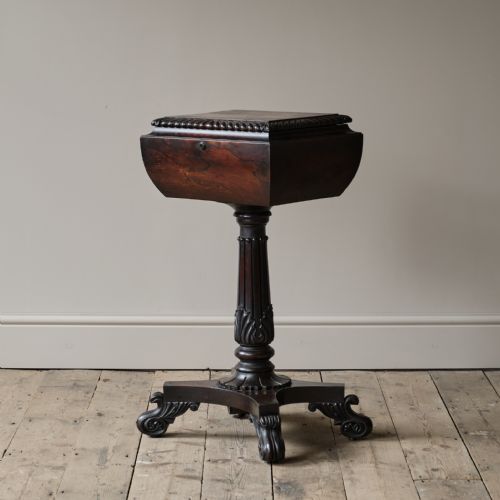
- A box shape featuring a domed or sloping lid tapering towards the base, popular for tea caddies and document boxes during the Regency and Victorian periods.
Antique Lidded Box: Frequently Asked Questions
What were antique lidded boxes used for?
These boxes served specialised domestic tasks ranging from securing tea leaves and legal documents to storing candles, tobacco and personal trinkets.
Their forms evolved directly to suit the dry storage and organisational needs of households across the Georgian, Victorian and Edwardian periods.
How do I date an antique wooden box?
Dating relies on observing construction methods, timber choices, and hardware styles such as hinges and locks. Hand-cut dovetails and native woods like oak typically point to eighteenth-century or earlier origins.
Later Victorian and Edwardian pieces often utilise factory-produced fittings and exotic veneers like burr walnut or mahogany.
Are silver lidded glass boxes fragile?
While the cut glass and silver mounts are durable under normal handling, the combination requires gentle placement to prevent chipping the glass rim or denting thin silver.
Most dressing table jars and trinket boxes survive well when kept on stable surfaces away from high-impact areas.
How do I clean silver mounts on a box?
Silver mounts require careful wiping with a specialised microfibre polishing cloth designed to remove tarnish without abrading the surrounding glass, enamel or timber.
Polish pastes should be kept away from wooden surfaces and fabric linings to avoid staining or moisture damage.