





Antique Letter Turner
An antique letter turner clears the pages of a bound volume or slices open a sealed envelope with period weight and material.
Antique Letter Turner
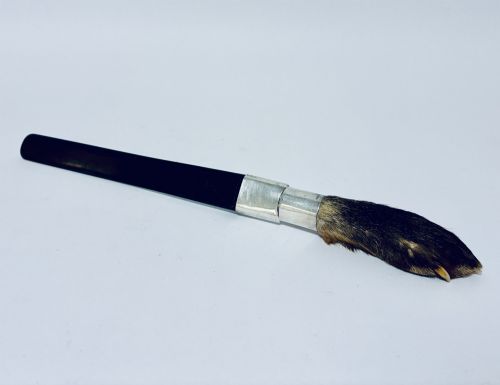
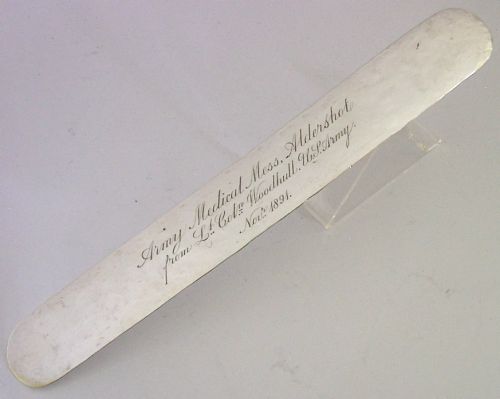
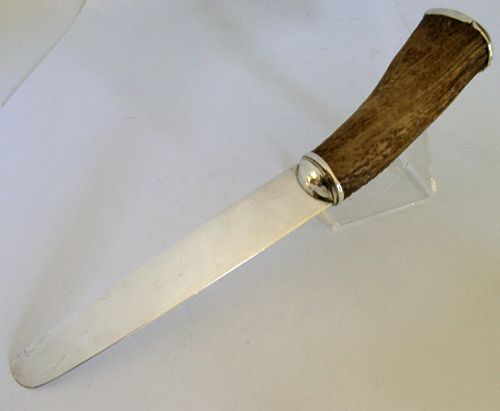
An antique letter turner combines the desk accessory, page turner and letter opener into a single functional instrument for the library or study. Buyers find these items taking forms from the Victorian, Edwardian and Art Deco periods, alongside earlier William IV examples.
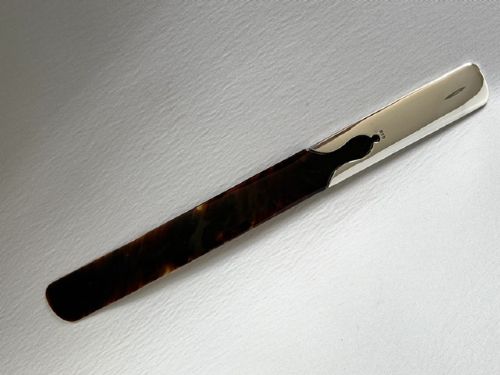
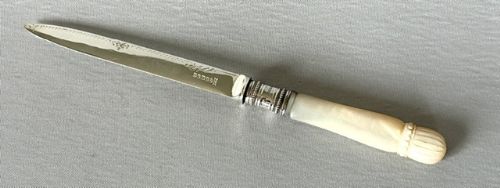
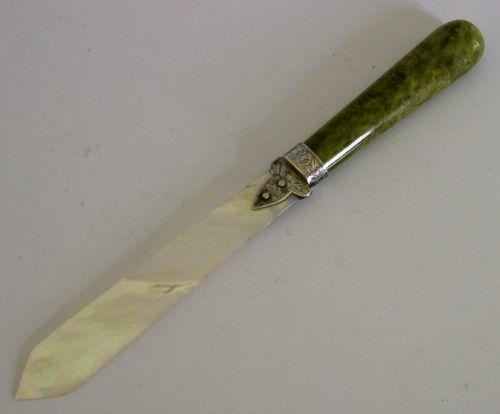
The materials range from sterling silver and tortoiseshell to mother-of-pearl, horn, bone, wood and green jade. Makers applied these substances to create long blades and handles designed for daily use among correspondence and books.
Distinctions in Quality
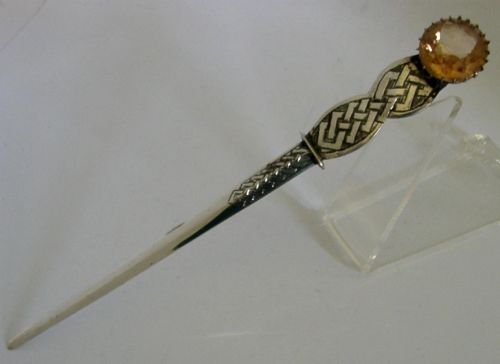
Quality rests in the selection of materials and the skill of the joinery between handle and blade. Pieces featuring precious metals combined with polished tortoiseshell, mother-of-pearl or Scottish citrine represent the upper tier of production.
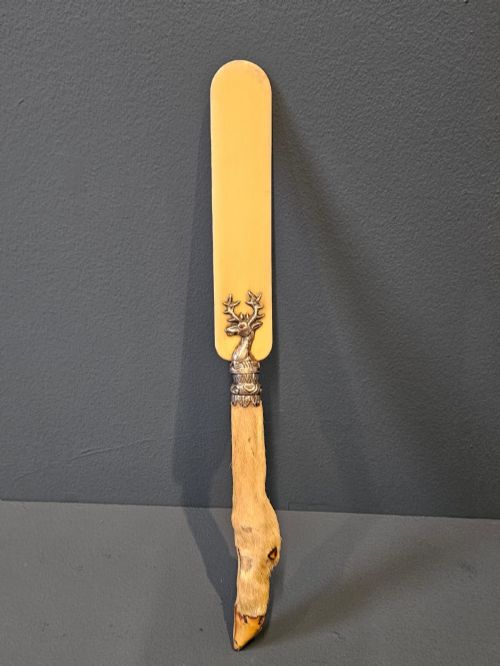
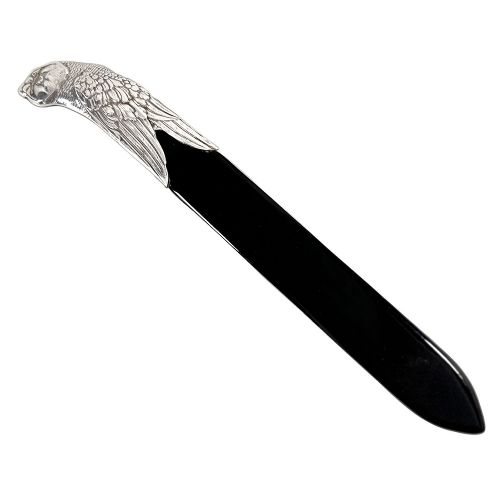
Simpler turned wood or plain bone examples show utilitarian manufacture, whereas items incorporating detailed figural handles, such as greyhounds, pheasants or owls, demonstrate higher artistic ambition from the maker.
Keep an eye out for the four-face pewter and wood page turner, bringing a watchful expression to your correspondence.
William Graeme
The Antique Letter Turner Glossary
- Page turner
- A long, flat implement designed to glide between uncut pages of a bound book without damaging the paper. They frequently double as letter openers.
- Tortoiseshell
- The mottled brown and amber shell of certain marine turtles utilised for handles and backing plates. It appears often on Victorian and Edwardian examples.
- Mother-of-pearl
- The iridescent inner layer of mollusc shells, carved into thin panels for handles and blades. It gives a pearlescent shimmer to desk wares.
- Hallmark
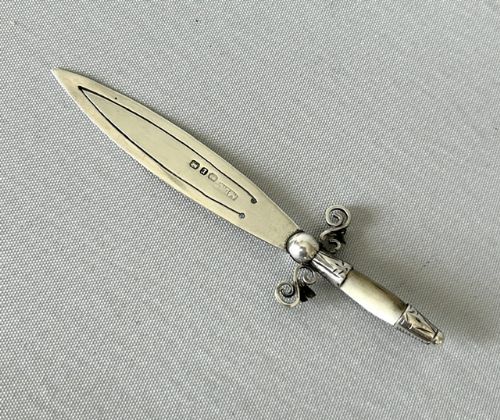
- A series of official stamps applied to silver items indicating the maker, assay office, and year of testing. These marks help date pieces accurately.
- Treen
- Small handmade wooden objects produced before the mass era. Examples include turned wooden page turners.
Antique Letter Turner: Frequently Asked Questions
What is an antique letter turner?
An antique letter turner is a desk tool designed to slice open envelopes and gently separate the uncut pages of older books. These implements date from the nineteenth and early twentieth centuries.
They combine handles made from silver, pewter, wood or tortoiseshell with blades fashioned from bone, horn, mother-of-pearl or metal. Each piece reflects the desk culture of the Victorian and Edwardian eras.
How do I date an antique letter turner?
Dating relies heavily on silver hallmarks stamped onto the metal mounts or blades, which indicate specific assay offices and years. Stylistic clues such as Arts and Crafts details or Art Deco geometry also point to specific decades.
Materials provide further evidence, as tortoiseshell and mother-of-pearl were particularly favoured during the Victorian and Edwardian periods. Regional Scottish provincial marks help identify pieces made outside major cities.
How were letter turners used?
Owners kept these implements on writing desks to open incoming correspondence delivered by post. The flat blade slid easily beneath paper seals.
They were also employed to cut the folded edges of newly purchased books and periodicals before reading. This protected the paper from tearing haphazardly.
How do I care for delicate materials?
Organic materials like tortoiseshell, horn and mother-of-pearl require dry storage away from direct sunlight and extreme heat. Excessive moisture can warp natural components and weaken adhesive bonds.
Silver mounts benefit from occasional gentle cleaning with a soft cloth to maintain their finish. Avoid harsh chemical polishes that might damage adjacent organic surfaces.