




Antique Leather Pouch
An antique leather pouch is a functional personal accessory or container, valued for its historic craftsmanship and tactile natural materials.
Antique Leather Pouch
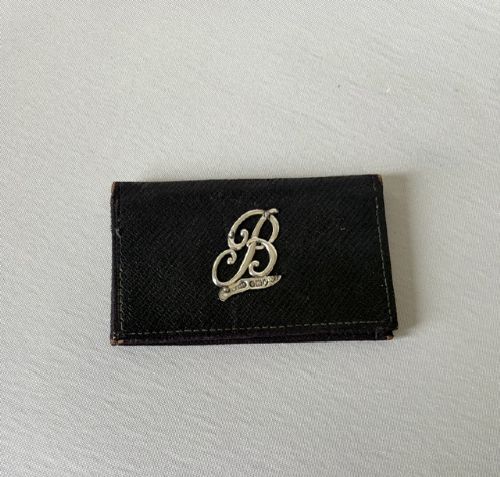
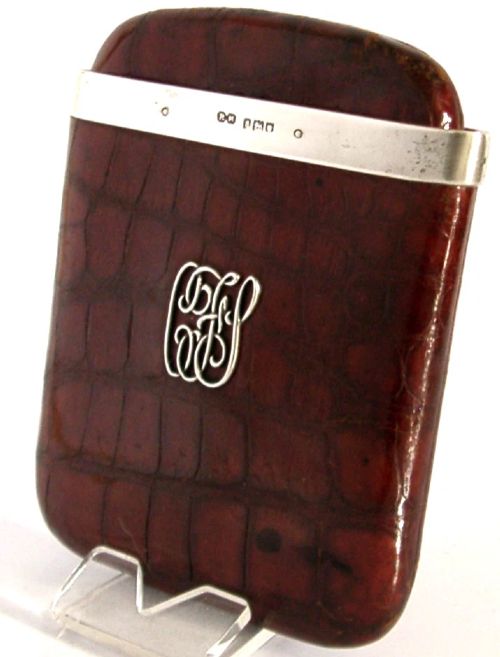
An antique leather pouch encompasses various small personal containers designed to hold tobacco, flint, or other everyday items. The selection here ranges from structured cigar cases in crocodile leather to traditional toolede leather tobacco pouches and flint and tinder holders. These items reflect personal habits and portable storage solutions from past centuries.
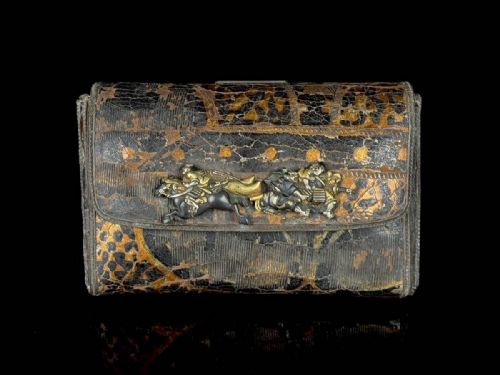
Buyers will encounter specimens spanning the Georgian, Victorian, and Edwardian periods, alongside early twentieth-century examples. Materials frequently pair leather with sterling silver mounts, brass, and copper fittings. Origins stretch from traditional English workshops to Japanese Edo period and Tibetan traditions.
Forms vary from pocket-sized cigar and cheroot cases to specialised accessories like police equipment kits and primitive flint pouches. The construction often involves detailed tooling, metal clasps, and specialised reptile skins such as python and crocodile.
How they were made
Makers utilised durable animal hides including standard leather alongside exotic crocodile and python skin. These materials provided the necessary flexibility and protection for items carried daily in pockets or travel bags.
Metal elements such as sterling silver, brass, and copper were integrated as frames, clasps, and mounts. Artisans also applied specialised techniques like tooled surface decoration and metal inlay, seen particularly in Japanese Edo period examples.
Antique Leather Pouch Retail Price Guide 2026
Typical asking prices for leather pouch among the pieces listed under this phrase on Sellingantiques today, from the lower quarter to the upper quarter. They describe what is for sale here now, not the wider market.
One fingerprint kit once belonged to the Liverpool City Police CID.
What varies in quality
The standard of an antique leather pouch depends on the integrity of the hide and the precision of the stitching or structural joints. Superior items retain supple leather without excessive cracking, alongside secure closures and well-fitted metal mounts.
Artistic execution distinguishes standard utilitarian containers from exceptional examples. Fine tooling, precious metal inlays like gold and silver, and hallmarked sterling silver mounts elevate the piece above basic utilitarian production.
The Antique Leather Pouch Glossary
- Edo Period
- A historical epoch in Japan spanning from 1603 to 1867 characterised by economic growth and distinct craft traditions. Items from this era often display refined tooling and metalwork.
- Sterling Silver
- An alloy of silver containing 92.5 percent silver by mass and 7.5 percent other metals, usually copper. This material frequently appears in mounts and clasps on better quality pouches.
- Flint and Tinder Pouch
- A small container designed to carry flint, steel, and tinder for fire-starting. These functional items reflect portable survival gear from periods before matches were common.
- Tooled Leather
- Leather that has been hand-carved, embossed, or stamped with decorative patterns while damp. This technique adds texture and visual detail to the exterior of a pouch.
Antique Leather Pouch: Frequently Asked Questions
What were antique leather pouches used for?
These pouches served practical daily purposes, holding personal items like tobacco, cigars, or fire-starting flint and tinder.
Owners carried them on their person or in travel bags as durable containers for essential small goods.
How do I care for antique leather?
Keep leather items away from direct sunlight and excessive moisture to prevent the natural material from drying out.
Handle them gently to preserve fragile stitching, historic metal mounts, and delicate surface tooling.
How can I tell the period of a pouch?
Examine the style of construction, metal hallmarks, and accompanying hardware such as silver mounts or clasps.
Design motifs often align with distinct eras like the Victorian, Edwardian, or Art Nouveau movements.
Are exotic skins common on these pieces?
Certain nineteenth-century and early twentieth-century containers utilise crocodile, alligator, or python leather for durability and distinct texture.
These exotic materials were typically paired with sterling silver frames to create luxury accessories.