


Antique Leather Pocket Case
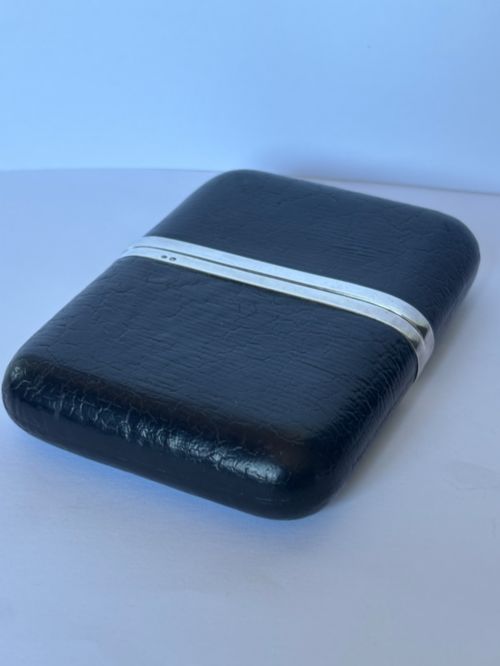
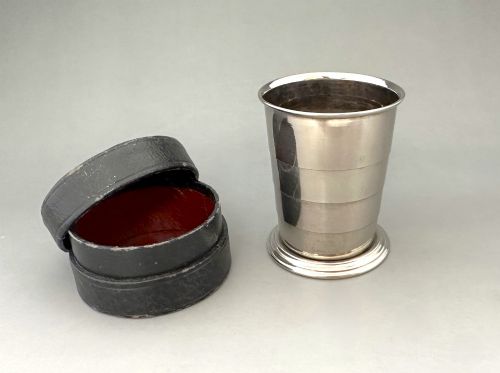
An antique leather pocket case holds precision instruments, smokes, or personal valuables, offering portable utility shaped by Victorian and Edwardian craftsmanship.
Antique Leather Pocket Case
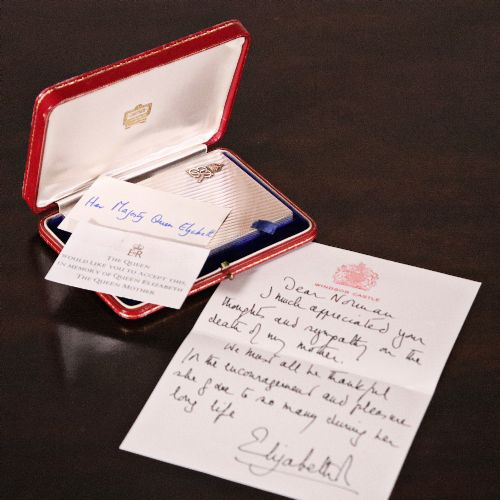
An antique leather pocket case encompasses a diverse range of portable containers, including scientific instruments, cigar holders, medical tools, and personal purses. When searching for an antique leather pocket case, buyers encounter objects spanning from the late eighteenth century through the Edwardian period and into the nineteen thirties.
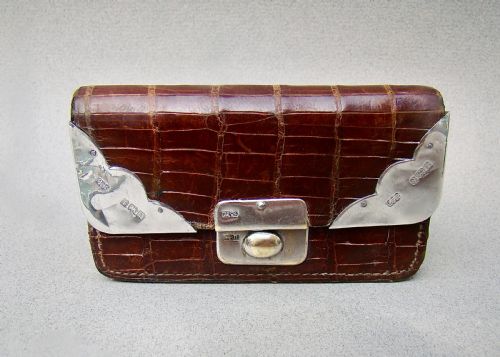
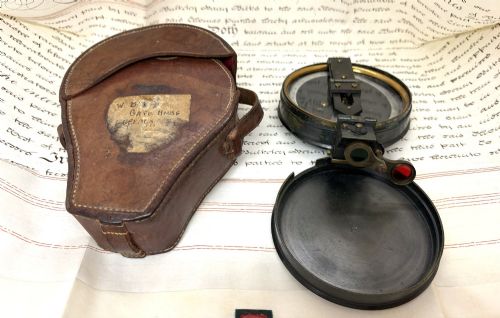
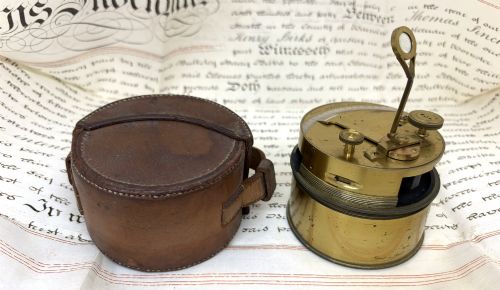
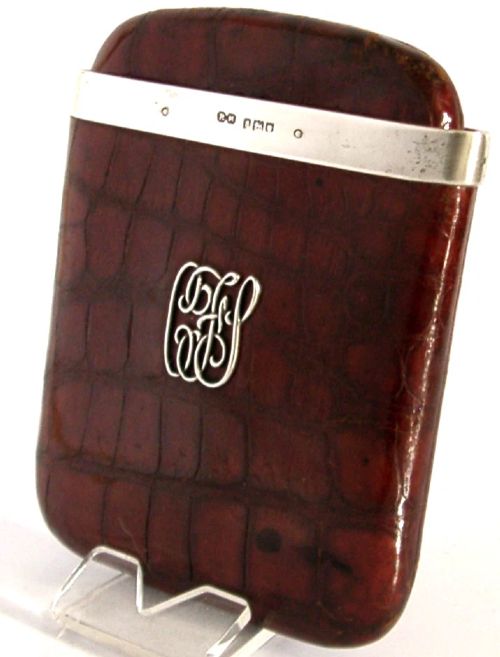
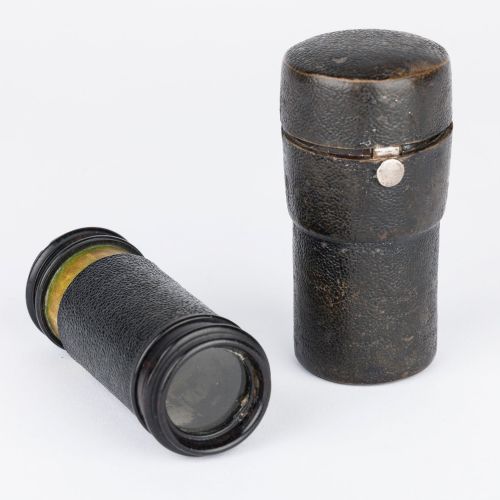
Many items in this category serve functional roles, housing barometers, compasses, telescopes, and thermometers alongside luxury accessories like silver-mounted purses, notelet cases, and cigar or cheroot holders. These pieces frequently pair fitted leather exteriors with delicate interior linings of velvet or silk.
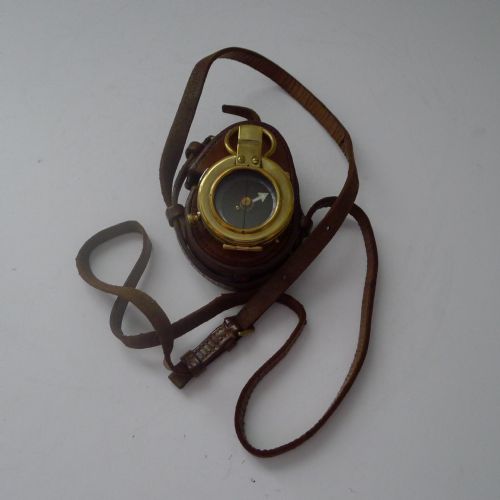
The objects appearing in these selections originate primarily from British makers and European workshops, reflecting the personal utility and travel habits of past centuries. They range from military instruments used in the First World War to elegant crocodile skin purses and travelling chess sets.
Materials and construction methods
Makers constructed these housings using sturdy hides such as standard leather and exotic crocodile skin, often tooling or embossing the exterior surfaces for decoration or structural rigidity. Interiors typically incorporate soft velvet, silk, or satin linings designed to cradle delicate glass and metal instruments securely.
Metal components play a central role, with brass, sterling silver, and silver plate forming the mounts, hinges, clasps, and inner mechanisms of compasses, barometers, and cigar cases. Glass elements appear in scientific instruments like altimeters and thermometers, while materials such as mother-of-pearl adorn smaller personal accessories.
Assessing quality and craftsmanship
The standard of a piece rests largely on the precision of its inner mechanism and the integrity of its housing. High-grade examples feature signed scientific instruments by established makers, crisp hallmarks on silver mounts, and tightly fitted hinges that close flush.
The condition of the leather and internal lining dictates much of the appeal, where careful tooling, intact stitching, and well-preserved velvet or silk indicate careful ownership. Inferior items show heavy wear to the hide, compromised glass components, or mismatched replacement parts.
Charles Penny Brown·French Ltd·P Orr Madras·Baker London·Nathaniel Mills·Alfred Apps·Newton And Co·Thomas Harris And Son·Francis West·Negretti And Zambra·J Hicks·Cartier·Ludwig Krumm
The Antique Leather Pocket Case Glossary
- Barometer
- An instrument used to measure atmospheric pressure, often housed in a compact leather pocket case for travel or surveying.
- Theodolite
- A precision optical instrument for measuring angles in horizontal and vertical planes, frequently supplied in fitted wooden or leather transport cases.
- Vinaigrette
- A small ornamental box with a perforated inner grill used for holding a sponge soaked in aromatic vinegar, often protected by a specialised leather case.
- Cheroot case
- A slim container specifically tailored to hold cheroots, commonly fashioned from leather or crocodile skin with metal mounts.
- Three draw telescope
- A portable optical glass consisting of three sliding brass tubes that collapse into a compact size for pocket carriage.
Antique Leather Pocket Case: Frequently Asked Questions
What items came in leather pocket cases?
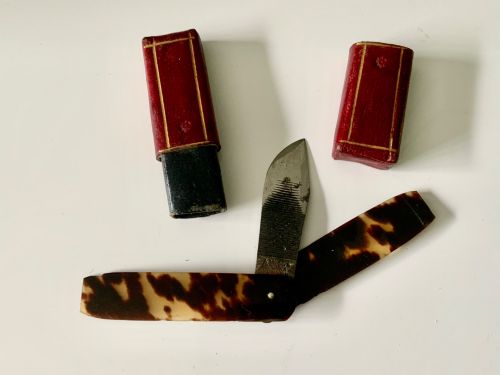
Makers housed a wide variety of personal and scientific objects in these containers, including navigational compasses, barometers, thermometers, and medical lancets.
Luxury goods also predominated, with cigar holders, notelet cases, silver purses, and miniature chess sets frequently receiving tailored leather protection.
How do I identify the period?
Dating relies heavily on style markers, metal hallmarks, and inscribed maker signatures found on the instruments or silver mounts within the case.
Victorian and Edwardian pieces often exhibit distinct decorative motifs, while stamped assay marks provide exact years for the silver and gold components.
Are the instruments still accurate?
Many barometers, compasses, and telescopes retain their mechanical function after more than a century, though scientific instruments may require professional calibration.
Buyers should view them primarily as historic artefacts of scientific and personal engineering rather than reliable modern measuring devices.
How should I care for antique leather?
Leather pocket cases require stable environmental conditions away from direct sunlight and excessive humidity to prevent the hide from drying out or cracking.
Gentle cleaning with appropriate conservation products helps preserve the tooling and suppleness of the material without damaging delicate interior linings.