

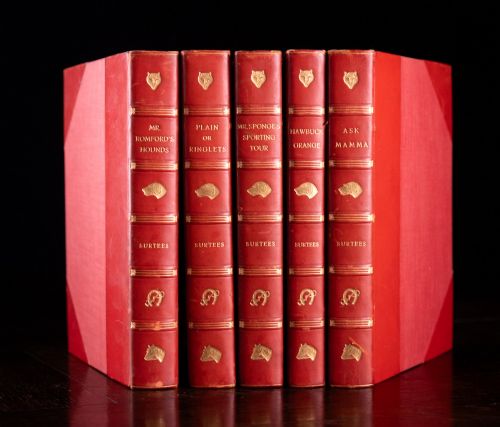
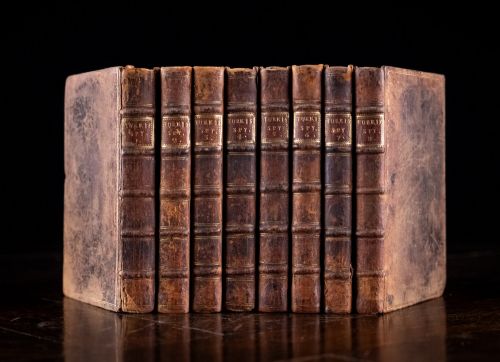
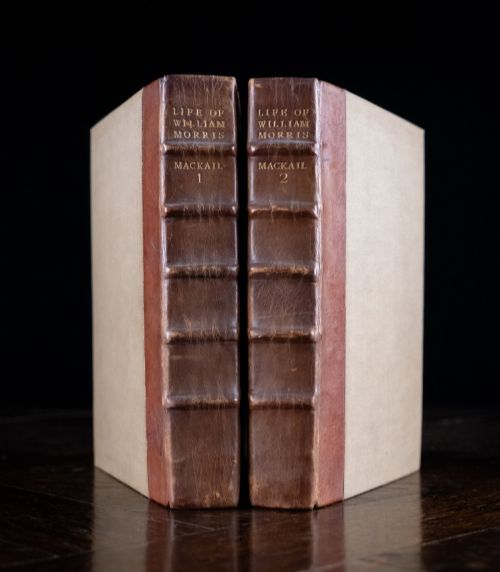
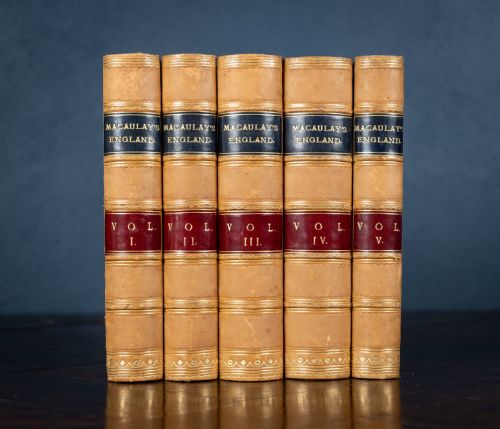
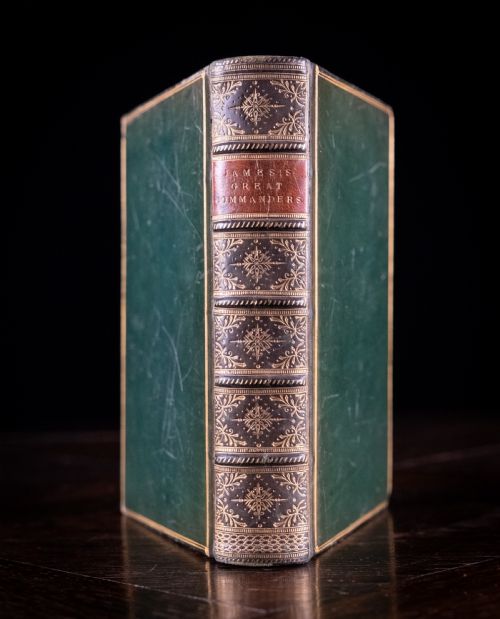


Antique Leather Book Stack
These antique leather book stack pieces bring genuine historical weight and tactile depth to a room.
Antique Leather Book Stack
An antique leather book stack brings together historical reading material and decorative containers, appearing across periods from the eighteenth century to the mid twentieth century. Buyers seeking this aesthetic will encounter multi volume sets, single leather bound volumes, and clever disguised boxes fashioned to resemble literature.
The selections recorded on this page range from nineteenth century historical works and Victorian novels to French provincial faux book caskets and Edwardian biscuit tins. These objects serve both as functional reading collections and as decorative focal points for table lamps or sideboards.
Materials and Construction
Makers utilised traditional organic materials such as calfskin, vellum, and paper, bound over wooden or card cores and accented with genuine gold leaf tooling. Brass hardware appears on functional containers and lamps, while cloth and tin substitute for leather in specific decorative adaptations.
The bindings rely on period bookbinding techniques, featuring hand stamped spine decorations and marbled endpapers. Artisans tooling leather surfaces applied heat and gold leaf to create lasting lettering and decorative borders.
Biscuits once hid inside literary disguises, proving that Edwardian snack enthusiasts appreciated a well bound front.
Assessing Quality and Execution
The depth and clarity of gold leaf tooling on the spine and boards distinguish superior examples from simpler ones. Crisp blind stamping and harmonious uniform bindings across multi volume sets indicate careful original production.
The integrity of the structural core, whether genuine paper pages or fitted wooden box interiors, determines the physical substance of the piece. High quality items maintain supple leather surfaces and intact hinges that reflect proper historical storage.
The Antique Leather Book Stack Glossary
- Vellum
- A fine parchment made from calfskin or other animal skin, providing a durable and smooth writing or binding surface. It appears frequently on historical volumes.
- Calfskin
- A soft and pliable leather prepared from the hide of a calf, widely chosen for superior nineteenth century bookbindings. It takes gold leaf tooling exceptionally well.
- Gold Leaf
- Gold beaten into an extremely thin sheet, used by binders to impress titles and decorations onto leather spines. This material catches the light and resists tarnishing.
- Faux Book
- An object constructed to look like a volume or a stack of literature, often housing a secret compartment, safe box, or biscuit tin inside. These items combine utility with clever disguise.
- Tantalus
- A decorative container fitted with a locking mechanism to secure bottles or items inside while keeping them visible. In this context, it takes the outward form of stacked literature.
Antique Leather Book Stack: Frequently Asked Questions
What periods do these pieces date from?
The pieces span multiple centuries, with items originating from the eighteenth, nineteenth, and early twentieth centuries. Specific examples include Georgian sets and later Victorian editions.
Each era brings distinct binding styles and materials, from early vellum covers to later stamped cloth and leather.
How were antique book stacks used?
Historically, these items served as libraries for reading, reference, and literary study. Multi volume sets recorded history, novels, and collected works for home study.
Some pieces were engineered specifically as decorative containers, such as caskets and biscuit tins designed to conceal objects in plain sight.
How do I style them at home?
These stacks sit well on library tables, desks, and sideboards, adding historical texture to an interior. Items adapted into lamps or boxes provide functional lighting and hidden storage.
Grouping uniform bindings together creates a cohesive visual anchor within a room without needing extensive shelving.
Are the books readable?
Many listings consist of actual historical volumes and complete multi volume sets containing their original printed pages. Titles range from historical studies to classic literature and translated works.
Other items are purely decorative or utilitarian objects, such as faux book caskets and biscuit tins that lack reading pages entirely.