


Vintage Library Display Book
These vintage library display book pieces span open shelves, glazed cabinets, and antique volumes that organise and present collections with timeless utility.
Vintage Library Display Book
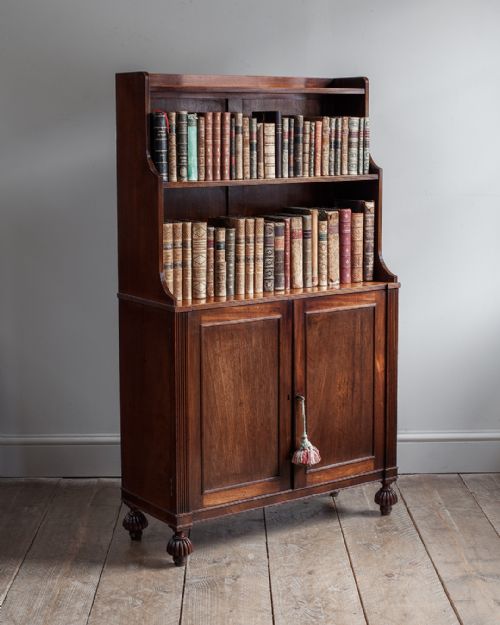
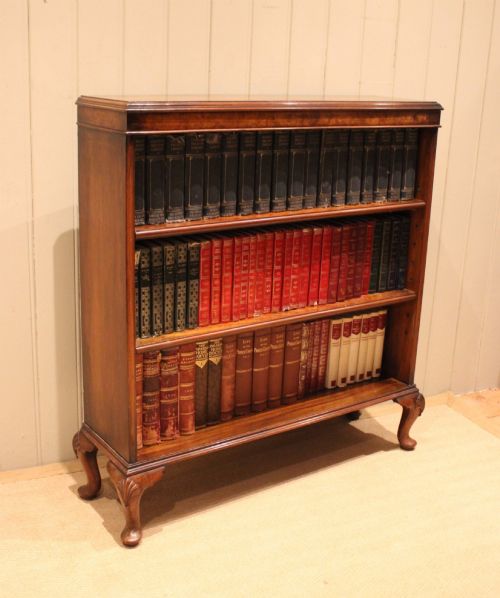
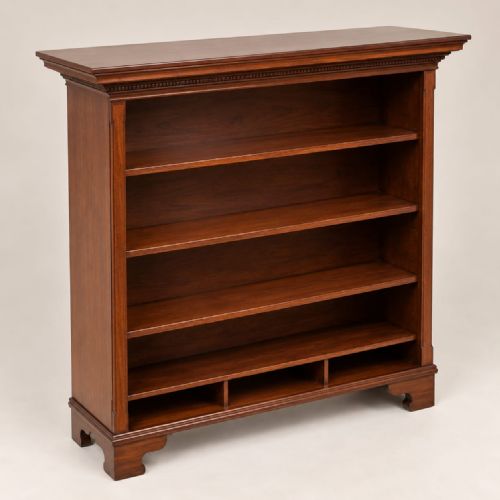
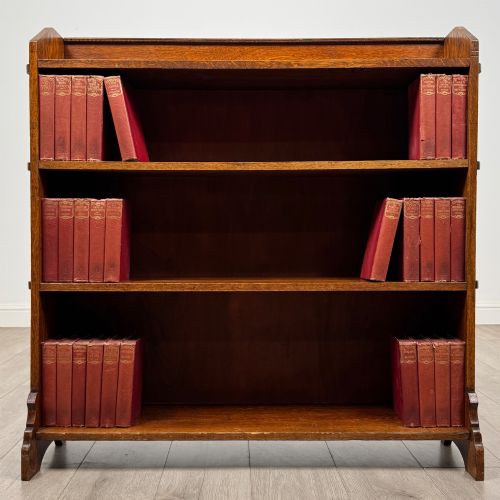
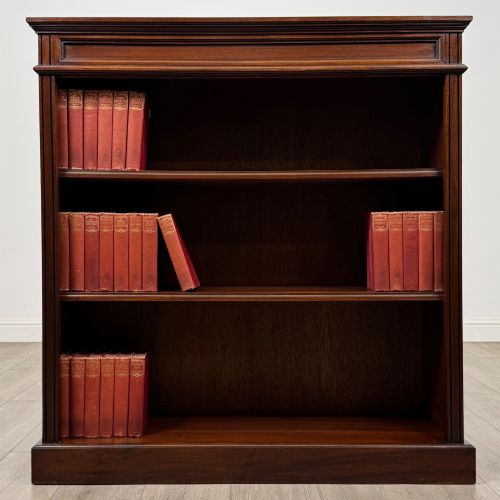
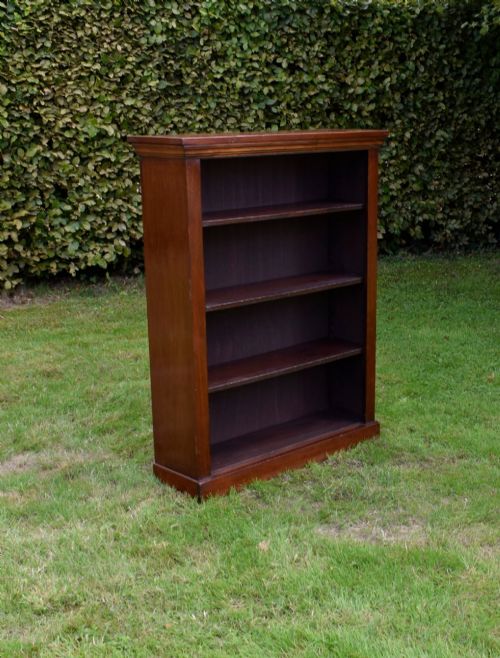
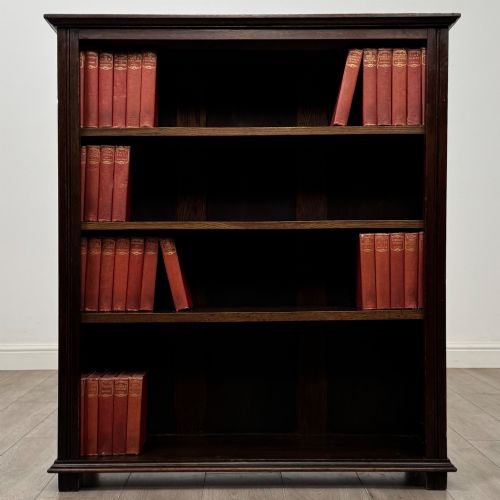
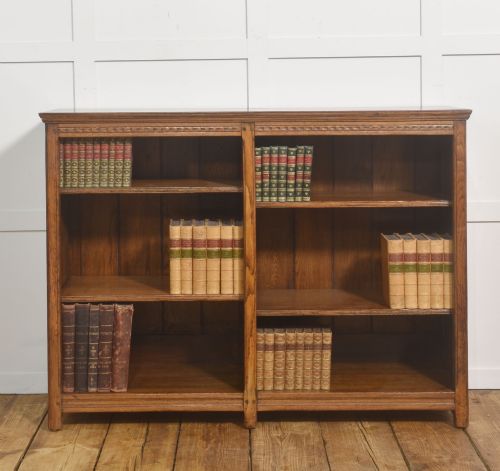
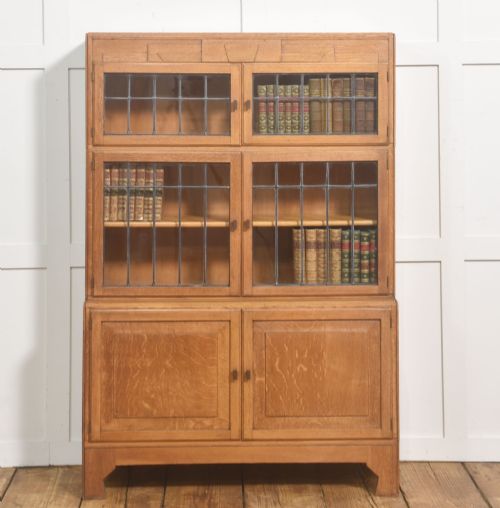
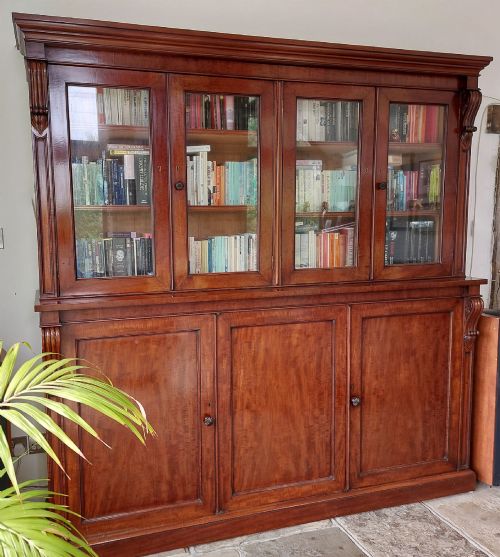
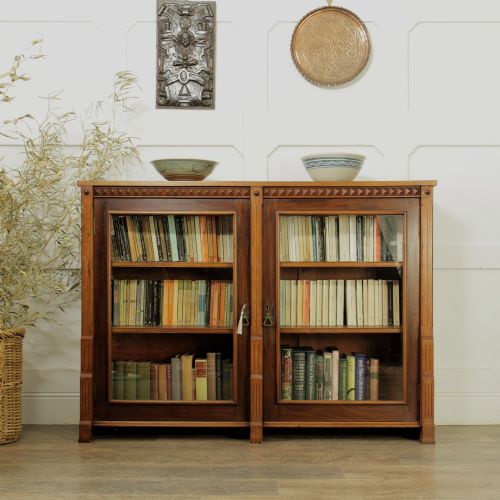
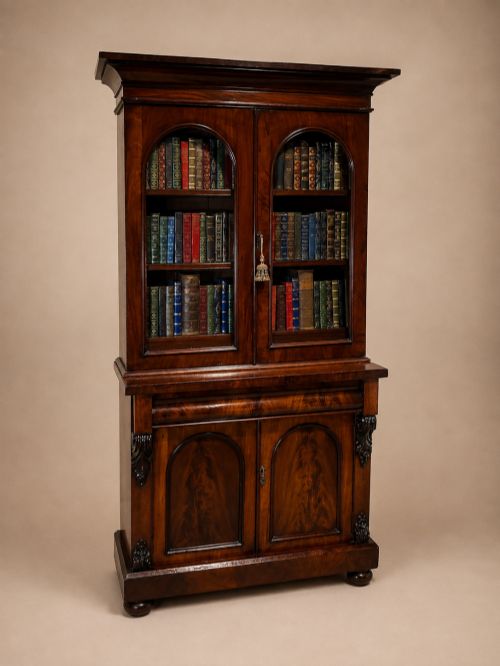
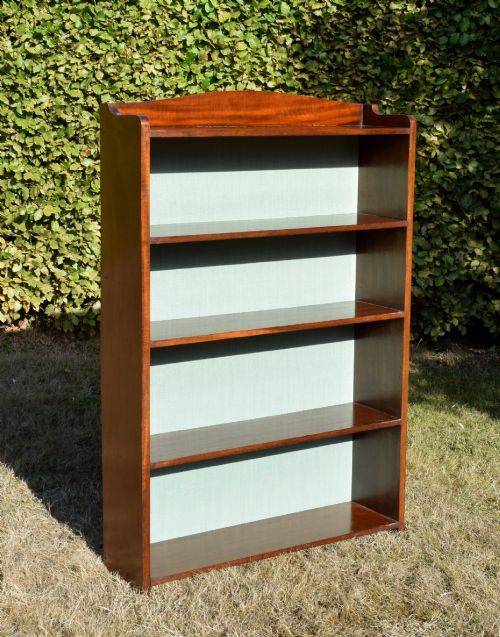
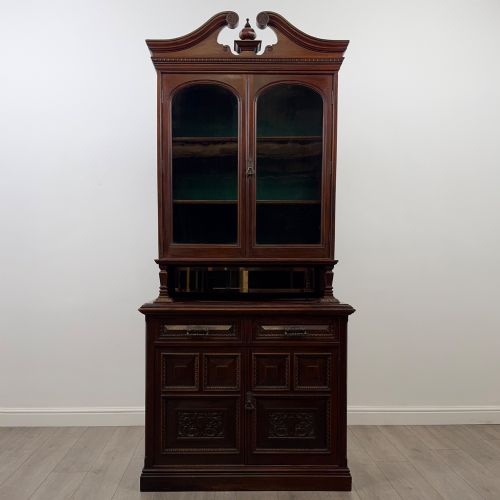
A vintage library display book search covers a broad assortment of bookcases, shelving units, and antique book sets designed for domestic studies and institutional libraries. Buyers encounter everything from compact revolving models and stepped open pine or hardwood shelves to grand triple-cabinet breakfronts.
The pieces appearing most frequently on this page combine practical book storage with display capability, often featuring adjustable shelving or glass doors. These items originate predominantly from the nineteenth and early twentieth centuries, reflecting diverse historical revivals alongside cleaner Edwardian and Art Deco lines.
Materials and construction
Cabinet makers utilised dense hardwoods such as mahogany, oak, and walnut, often selecting figured veneers for prominent surfaces. Structural elements were frequently reinforced with brass hardware, including castors on movable pieces and fitted locks on glazed doors.
Book sets and individual volumes employ traditional binding materials like leather and vellum, sometimes decorated with gold leaf lettering on the spines. Glazed sections relied on leaded or clear sheet glass set within rebated wooden frames.
Listings feature mahogany, oak, and walnut, alongside decorative accents in brass, leather, and gold leaf.
Distinctions in quality
Quality rests primarily on timber selection and the sophistication of the joinery, distinguishing standard utility furniture from pieces produced by skilled workshops. Superior examples exhibit tightly fitted dovetail joints, carefully matched wood grain across cabinet doors, and functional mechanical elements like smoothly operating revolving mechanisms or adjustable shelf racks.
The integration of decorative details such as fine line inlay, brass castors, and architectural mouldings separates standard shelving from finer library cabinetry. The condition of original glass, leather, and gold leaf finishing further influences the standing of individual pieces.
Globe Wernicke
The Vintage Library Display Book Glossary
- Waterfall bookcase
- A shelving unit featuring tiers that step back progressively from bottom to top, creating a cascading profile. These pieces are typically compact and designed for tabletop or open floor placement.
- Revolving bookcase
- A freestanding tiered stand mounted on a concealed rotating base that allows easy access to volumes from any angle. They are commonly constructed in compact proportions from inlaid mahogany or oak.
- Breakfront
- A large cabinet design where the central section projects forward from the flanking wings. This architectural arrangement adds depth and visual rhythm to substantial library bookcases.
- Vellum
- A fine parchment material prepared from calfskin, used historically for durable book bindings. It provides a smooth, creamy surface that ages with a distinctive tactile quality.
- Adjustable shelves
- Shelves that can be moved to different heights within a bookcase using vertical racks, pins, or fixed notches. This flexibility accommodates volumes of varying sizes.
Vintage Library Display Book: Frequently Asked Questions
What is a waterfall bookcase?
A waterfall bookcase is a tiered shelving unit where each successive shelf steps back from the one below it. This creates a distinct sloping silhouette suited for smaller collections.
These pieces often appeared in Edwardian and Victorian rooms where floor space was at a premium. Their open construction makes them ideal for displaying curated selections rather than storing entire archives.
Are revolving bookcases sturdy?
Revolving bookcases rely on an internal cross-base pivot mechanism that distributes weight evenly as the unit turns. Quality examples remain stable even when fully loaded with heavy volumes.
The smoothness of the rotation depends on the condition of the central bearing. Periodic gentle maintenance keeps the mechanism turning without wobbling.
How do I care for leather-bound books?
Leather-bound volumes require stable humidity levels and protection from direct sunlight to prevent the hide from drying out and cracking. Regular dusting with a soft brush keeps particulate matter from settling into the grain.
Avoid placing books in overly warm spots near radiators or fireplaces. Allowing adequate air circulation around shelving units helps preserve both the bindings and the timber.