





Antique Lattice Bowl
An antique lattice bowl brings intricate pierced design and openwork form to a table, offering a lighter touch than standard solid vessels.
Antique Lattice Bowl
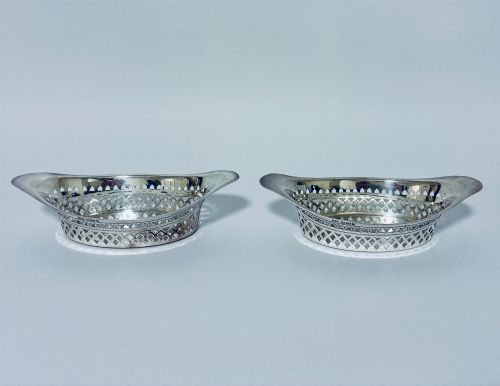
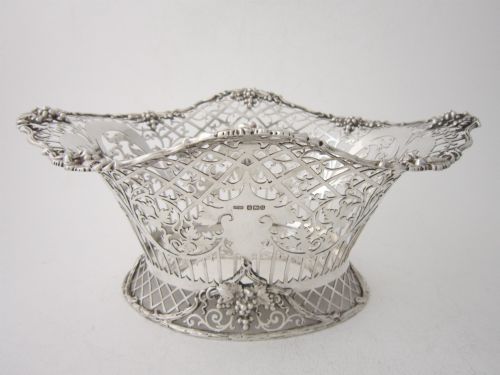
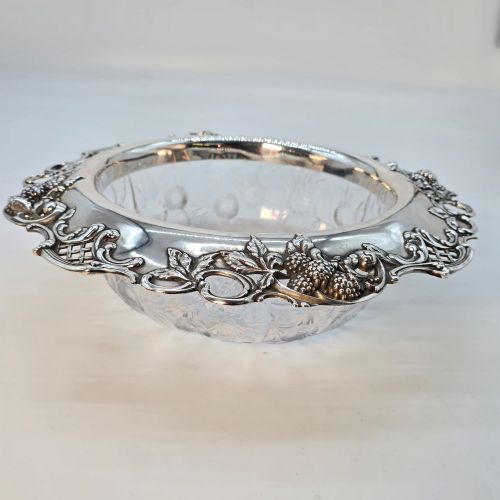
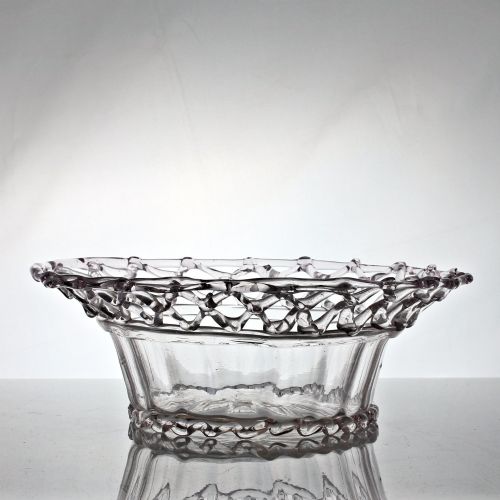
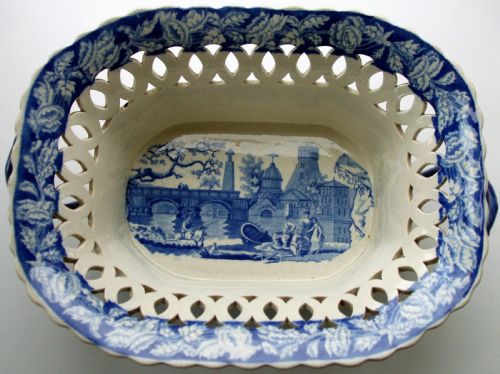
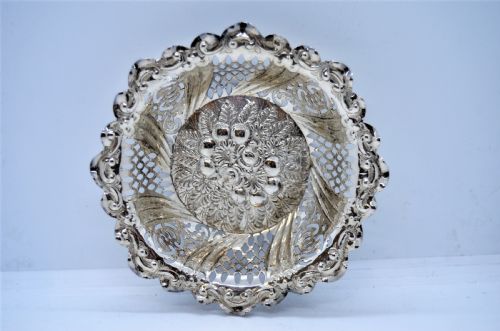
When you search for an antique lattice bowl, you encounter an array of openwork vessels designed for decorative display or serving fruit, bonbons, and chestnuts. These pieces range from small silver bonbon dishes and sweet baskets to large porcelain chestnut baskets and grand Edwardian silver centrepieces.
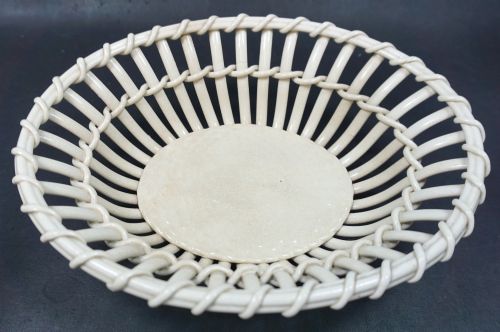
The pieces on this page span the eighteenth and nineteenth centuries into the early twentieth century, taking the form of porcelain baskets, ceramic bowls with pierced details, and solid silver pierced vessels. You are most likely to meet silver bonbon dishes from the Victorian and Edwardian eras, alongside Georgian and nineteenth-century porcelain baskets.
Makers and factories across England, Germany, and China shaped these objects during periods including the Georgian, Victorian, and Edwardian reigns. Their pierced walls and open lattices served both aesthetic refinement and practical containment for dry edibles.
How they were made
Silversmiths constructed sterling silver bowls and baskets by piercing, casting, and hand-sawing sheet metal to create intricate geometric or floral lattice patterns. Other examples combine crystal glass with silver frameworks or employ gilding and gold leaf accents.
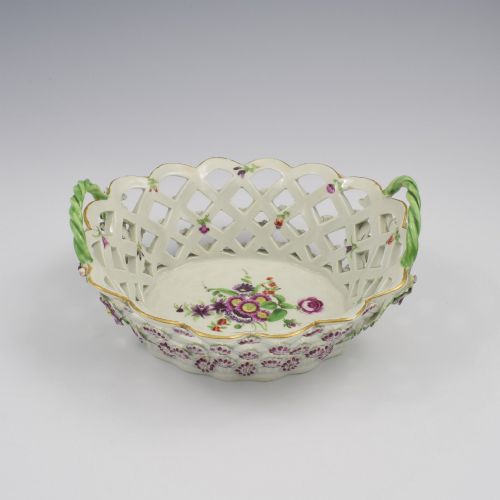
Potters and porcelain manufacturers formed ceramic, earthenware, and porcelain versions by cutting openwork lattices into the clay before firing, often finishing the surfaces with polychrome enamel, transfer printing, or pearl glaze. Factories like Worcester and Meissen utilised skilled painters to decorate the outer surfaces with floral motifs and figures surrounding the pierced walls.
Antique Lattice Bowl Retail Price Guide 2026
Typical asking prices for lattice bowl among the pieces listed under this phrase on Sellingantiques today, from the lower quarter to the upper quarter. They describe what is for sale here now, not the wider market.
Object forms range from small bonbon dishes and sweet baskets to large dining table centrepieces and chestnut baskets with matching stands.
What varies in quality
Quality rests on the crispness of the piercing and the fineness of the openwork lattice, whether executed in silver or porcelain. Sharp toolwork in metal and clean, evenly spaced cutouts in ceramic distinguish the finer examples from simpler production.
The presence of hand-painted polychrome enamel, gilt details, or sculptural elements such as putti and maiden figures elevates a piece above standard utility wares. Maker attribution, such as work by established silversmiths or porcelain factories, further defines the standing of an individual bowl or basket.
Derby Porcelain·Dr Wall Worcester·J. & R. Clews·Meissen·Tiffany & Co.·Joseph Rodgers·Plaue Schierholz·Fenton·William Comyns·Walker & Hall·William Bond
The Antique Lattice Bowl Glossary
- Lattice
- An openwork structure of crossed strips or pierced openings forming a regular pattern. This decorative open design defines the walls of the bowls and baskets.
- Chestnut basket
- A specialised lidded or open vessel used historically for serving chestnuts at the table. These often feature matching stands and intricate pierced rims.
- Bonbon dish
- A small small-scale serving dish intended for sweets and confections. They appear frequently in silver with pierced or embossed lattice borders.
- Reticulated
- Decorated with a net-like or openwork pattern resembling a network of lines. Ceramic and porcelain pieces achieve this through cutouts made prior to glazing and firing.
- Centrepiece
- A large decorative vessel placed in the middle of a dining table. These grand items often incorporate elaborate lattice work, handles, or figural supports.
Antique Lattice Bowl: Frequently Asked Questions
What were antique lattice bowls used for?
These vessels served various dining and decorative functions, primarily holding fruit, chestnuts, or sweet confections during formal meals. Their pierced walls allowed air circulation for dry goods while providing an ornate visual centrepiece.
Smaller silver versions functioned as bonbon dishes on side tables, whereas larger porcelain and ceramic baskets accompanied nineteenth-century dinner services as dedicated tableware.
How do I date an antique lattice bowl?
Dating relies on identifying hallmarked silver stamps, ceramic body types, and stylistic indicators such as Georgian transfer prints or Edwardian proportions. Silver pieces often bear assay office marks and date letters that pinpoint the exact year of manufacture.
Porcelain items require an examination of paste characteristics, glaze formulas, and factory marks. Stylistic shifts from eighteenth-century Rococo curves to Victorian and Edwardian symmetry also guide the timeline.
Are silver and porcelain lattice bowls fragile?
Solid silver pieces are durable and resistant to breakage, though their delicate pierced lattice work can bend under heavy pressure or impact. Proper handling prevents structural distortion of the thin metal strips.
Porcelain and ceramic examples require greater care due to the structural voids created by the lattice design. The thin intersecting clay walls represent vulnerable points that demand gentle cleaning and secure placement.
How should I display an antique lattice bowl?
Displaying these items involves placing them on stable flat surfaces where light can pass through the openwork lattice walls. Cabinet shelves or dining tables highlight the intricate pierced patterns effectively.
Positioning the vessels away from high-traffic edges prevents accidental knocks against fragile porcelain or delicate silver edges. Pairing a bowl with its matching stand or surrounding it with neutral space enhances its visual impact.