

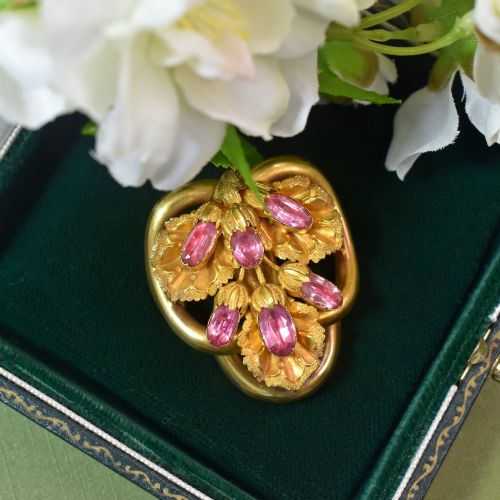


Antique Lapel Flower
These antique lapel flower pieces bring botanically inspired metalwork and gemstones to the buttonhole, offering enduring wearable charm.
Antique Lapel Flower
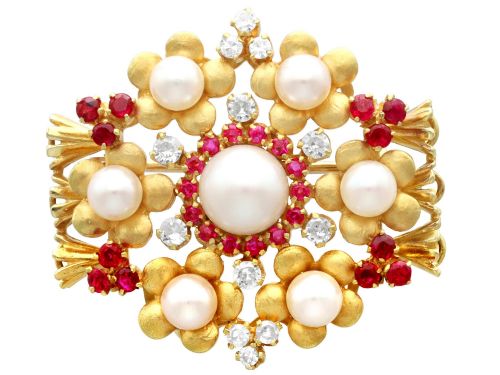
An antique lapel flower brings botanical form to traditional jewellery, taking shape as brooches, stick pins, and pins designed to ornament a coat or jacket. The examples seen here range across the 1800s, Edwardian era, 1910, 1920, and 1950, capturing centuries of floral design.
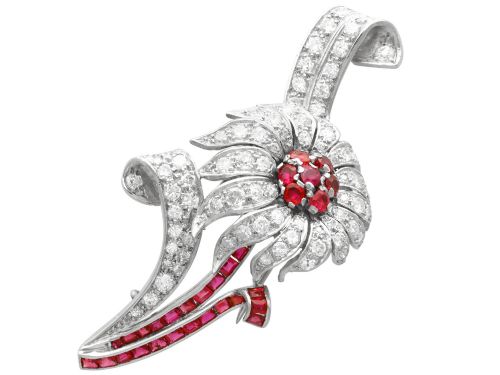
Buyers will most frequently encounter floral brooches and pins rendered in precious metals like yellow gold, platinum, and silver. These pieces utilise natural motifs from pansies to abstract swirls, reflecting the aesthetic shifts of their respective periods.
The selection encompasses diverse stylistic movements, moving from early Victorian floral expressions through Art Nouveau and Art Deco into mid-century Scandinavian modern work. Each piece serves as a wearable garden preserved in precious materials.
Materials and construction methods
Goldsmiths and jewellers shaped these floral pieces using 18ct yellow gold, 15ct gold, 14ct yellow gold, and platinum as foundational structural metals. Sterling silver and standard silver also appear frequently, particularly in contrasting gemstone settings and intricate frames.
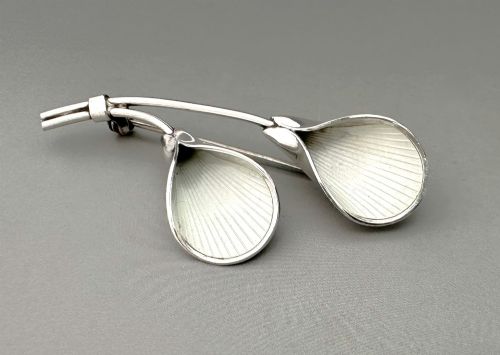
Surface decoration relies heavily on guilloche enamel and multi-coloured enamel work, which brings vibrant colour to petals and leaves. Gemstones including diamonds, rubies, pearls, moonstones, pink foil-backed topaz, and Essex crystal are meticulously set to accentuate the floral themes.
Antique Lapel Flower Retail Price Guide 2026
Typical asking prices for lapel flower among the pieces listed under this phrase on Sellingantiques today, from the lower quarter to the upper quarter. They describe what is for sale here now, not the wider market.
Listings feature periods spanning from the 1800s through Edwardian, Art Nouveau, Art Deco, and mid-century modern eras.
Distinctions in quality and execution
The sophistication of the enamel work dictates much of the distinction between pieces, where smooth, unbroken guilloche patterns demonstrate superior technical mastery. Depth of colour and the precision of shaded enamel application elevate certain floral designs above simpler iterations.
The quality of gemstone selection and setting technique further separates standard examples from exceptional ones. Matching of rubies, integration of diamonds, and secure claw or bezel settings reflect the hand of a more accomplished artisan.
The Antique Lapel Flower Glossary
- Guilloche enamel
- A decorative technique where intricate geometric patterns are engraved beneath translucent enamel coatings. This method creates a shimmering, light-reflective surface often seen on floral petals.
- Stick pin
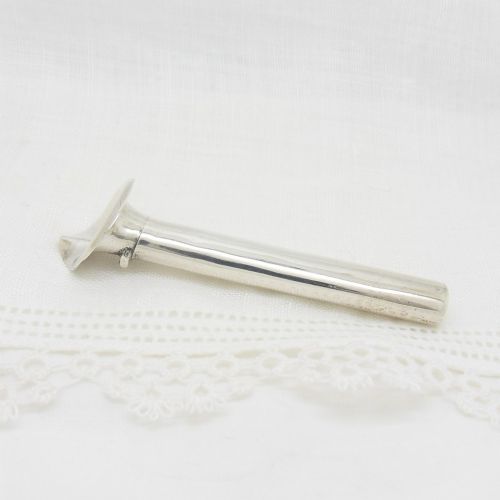
- A long pin topped with a decorative motif, originally designed to secure cravats or lapel buttonholes in place. The decorative head remains visible while the pin passes through fabric.
- Essex crystal
- A technique involving reverse-intaglio carving on crystal hemispheres, which are then painted to create a three-dimensional illusion. These miniature artworks frequently depict flora and fauna.
- Foil-backed
- A historical method of placing coloured metallic foil behind gemstones to enhance their brilliance and hue. This practice is particularly associated with nineteenth-century pieces.
- Cluster brooch
- A jewellery arrangement where multiple smaller gemstones are grouped closely around a central stone. This configuration mimics the compact form of a flower head.
Antique Lapel Flower: Frequently Asked Questions
How do I wear an antique lapel flower?
These pieces pin directly onto the lapel of a jacket, coat, or blazer, often utilising a secure brooch fastening or a long pin stem. They are traditionally positioned through a buttonhole or anchored firmly into the fabric weave.
For daily wear, ensure the weight of the piece matches the fabric of your garment. Heavier platinum and gold floral brooches require sturdier wool or tweed lapels to sit correctly without sagging.
How do I care for enamelled floral jewellery?
Enamel requires gentle handling because it is essentially glass fused to metal, making it vulnerable to sharp impacts and abrasive cleaning agents. Store pieces individually in soft pouches to prevent scratching from neighbouring items.
Clean enamelled surfaces using only a soft cloth and lukewarm water, avoiding chemical jewellery dips entirely. Pat dry thoroughly after cleaning to protect any exposed metal settings.
What periods do these floral pieces represent?
The selection spans multiple eras, including early Victorian, Edwardian, Art Nouveau, Art Deco, and mid-century modern design. Each period brings distinct characteristics, from foil-backed topaz of the 1840s to Scandinavian guilloche enamel of the 1950s.
Recognising these chronological markers helps in dating your piece and understanding the prevailing artistic influences of its creation year.