


Antique Lantern Lighting
Antique lantern lighting brings architectural illumination indoors and out, combining utilitarian metalwork with decorative glass for characterful historic spaces.
Antique Lantern Lighting
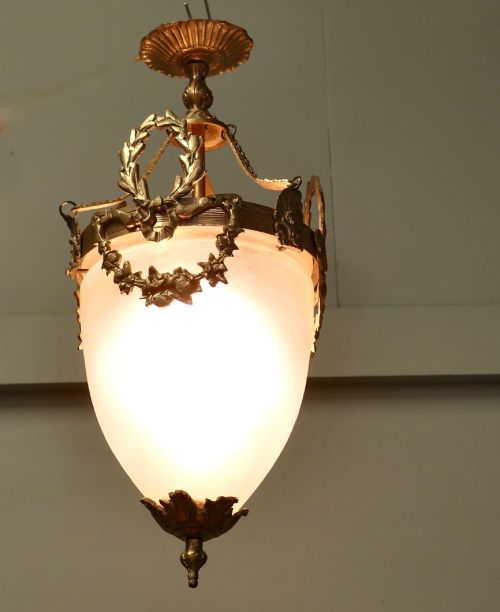
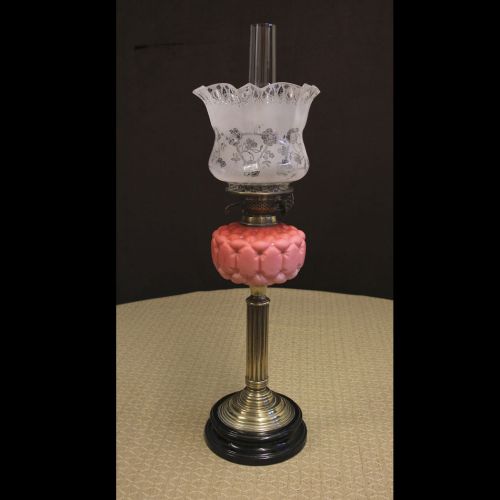
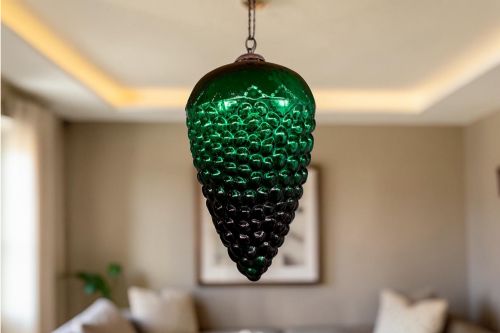
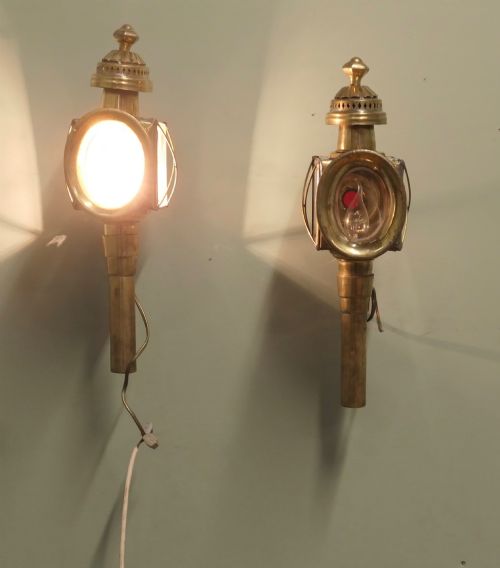
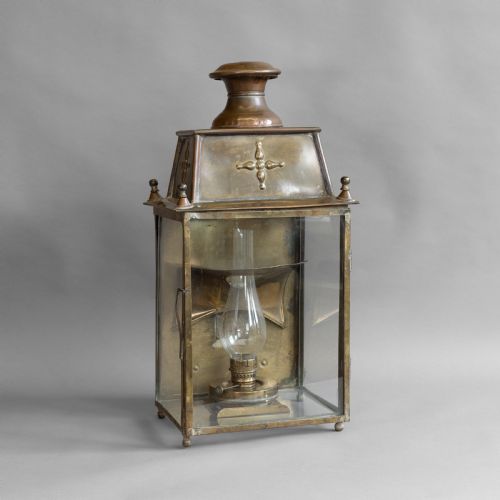
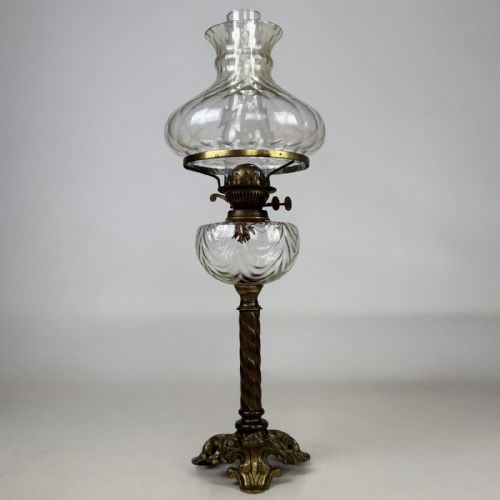
Antique lantern lighting spans domestic hall pieces, exterior street fixtures, and porch installations originating from Victorian, Edwardian, and early twentieth-century workshops. Buyers seeking antique lantern lighting most frequently encounter brass, copper, and gilt bronze hanging pendants and wall sconces designed for entranceways.
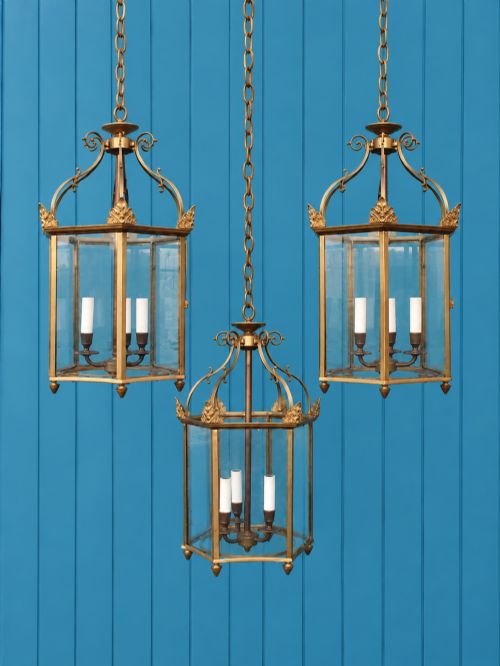
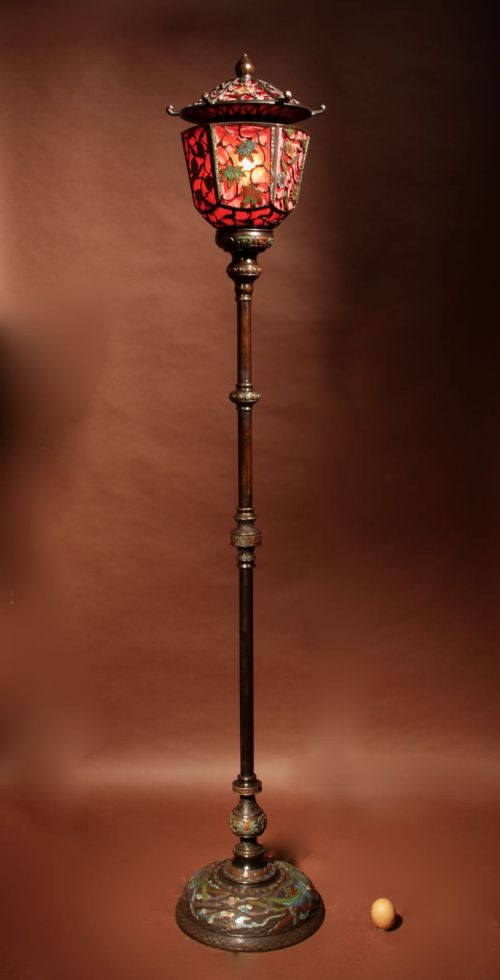
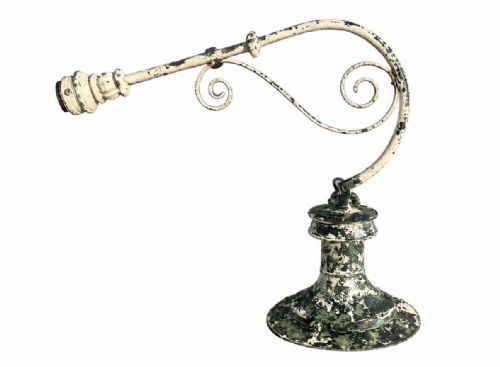
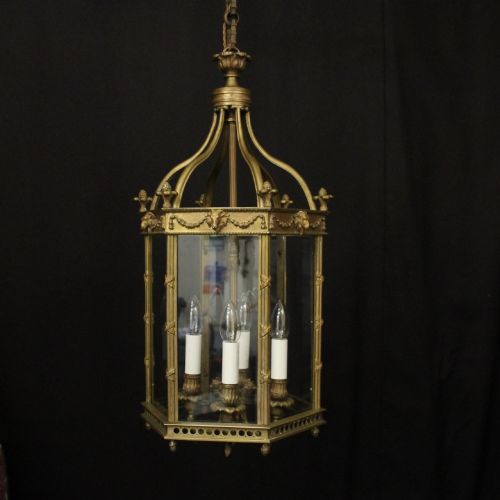
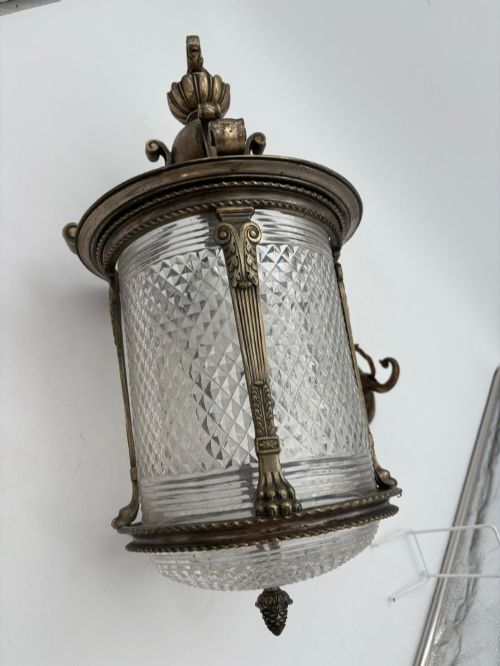
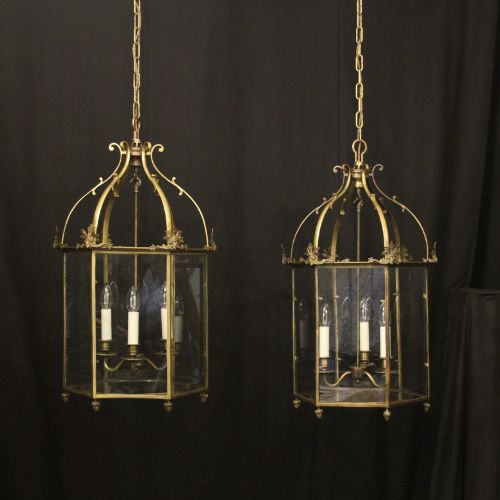
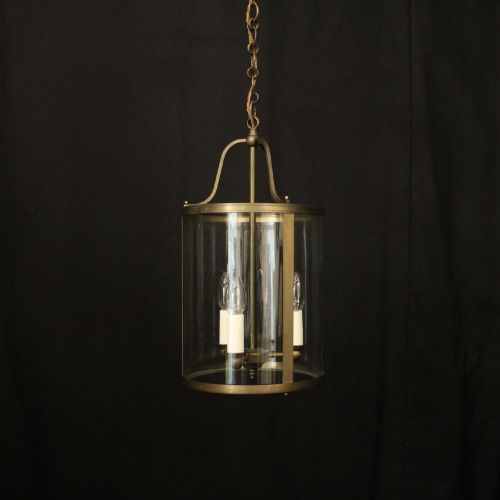
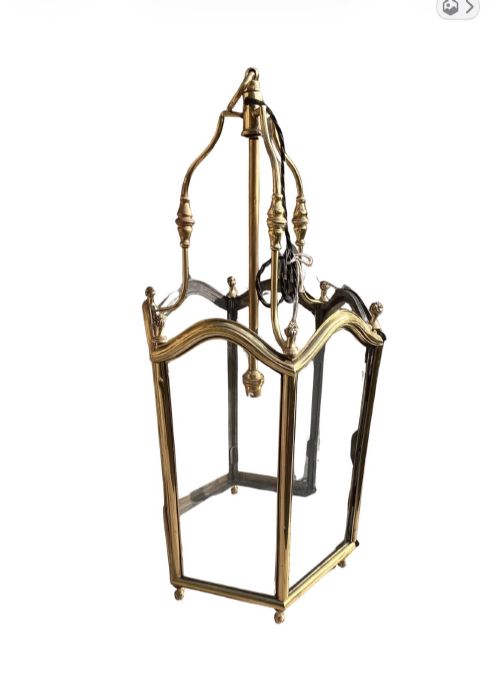
The selection ranges from French hall lanterns with convex glass panels to sturdy iron and zinc street lanterns and Arts and Crafts copper bracket lights. Examples include Moorish pierced designs, hexagonal brass configurations, and elaborate multi-light fixtures suited for high ceilings.
Materials and Construction
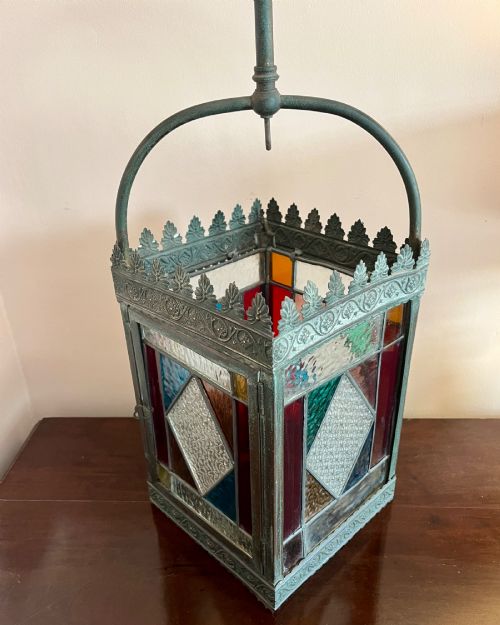
Makers utilised resilient metals including brass, copper, iron, zinc, and gilt bronze to form the structural frames that house glass panels, frosted shades, and leaded glazing. Many pieces combine soldered or riveted metalwork with specialised glass elements such as bevelled edges, etching, or convex shapes.
Surface treatments range from cold-painted bronze and parcel gilt finishes to natural patination on exterior copper and iron street lights. Interior styles often incorporate delicate cast brass ornamentation, whilst utilitarian outdoor versions rely on heavier gauge metals to withstand the elements.
Antique Lantern Lighting Retail Price Guide 2026
Typical asking prices for lantern lighting among the pieces listed under this phrase on Sellingantiques today, from the lower quarter to the upper quarter. They describe what is for sale here now, not the wider market.
Craftsmanship and Proportion
Quality rests in the precision of the metal framing, the clarity and weight of the glass panels, and the integrity of cast or applied decorative details. Superior examples exhibit hand-finished brass work, crisp piercing, or complex multi-light configurations rather than simple folded sheet metal.
Proportion and scale dictate the visual impact of each piece, with larger monumental pairs and finely chased French gilded bronze hall lanterns sitting at the apex of the range. The integration of original period glass, whether leaded, bevelled, or etched, preserves the authentic character of the fixture.
Franz Bergman
The Antique Lantern Lighting Glossary
- Convex glass
- Curved glass panes used in lantern construction to distort light gracefully and widen the illumination angle.
- Gilt bronze
- Bronze metal treated with a thin layer of gold or gold-coloured alloy to impart a rich, reflective surface finish.
- Lead glass
- Glass held together by lead cames, frequently utilised in decorative Victorian window and lantern panels.
- Tole peinte
- Painted or lacquered sheet metal, often associated with decorative French wall and ceiling fixtures.
- Moorish
- A decorative style featuring intricate geometric piercing and patterns inspired by Islamic architecture.
Antique Lantern Lighting: Frequently Asked Questions
How do I hang a heavy hall lantern?
Heavy brass and bronze lanterns require secure ceiling joist fixings and appropriate weight-rated chain or suspension rods to support the metal frame safely.
Consult a professional electrician to ensure the internal wiring and structural suspension meet modern safety standards for historic fixtures.
Can exterior lanterns be used outdoors today?
Original copper and iron street lanterns were built for external exposure, though older wiring requires updating for weatherproof exterior installation.
Check the IP rating of any added lamp holders and ensure seals are adequate to protect against moisture.
How do I clean antique glass panels?
Remove delicate glass panels carefully from the metal frame where possible to clean them with mild soapy water and a soft cloth.
Avoid harsh chemical cleaners that might damage aged patination on surrounding brass, copper, or gilt bronze surfaces.
What period do most brass hall lanterns date from?
Many surviving domestic hall lanterns date from the Victorian and Edwardian eras, extending into the nineteen-twenties and thirties.
Stylistic cues such as Arts and Crafts simplicity or French neoclassical casting help narrow down the exact decade of manufacture.