


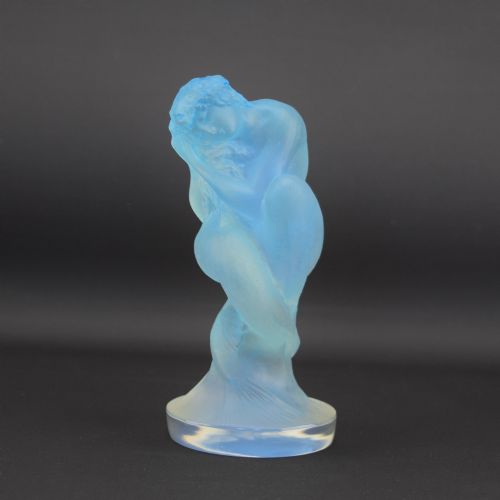


Antique Lalique Sculpture
An antique lalique sculpture brings exquisite twentieth-century glasswork into a modern interior.
Antique Lalique Sculpture
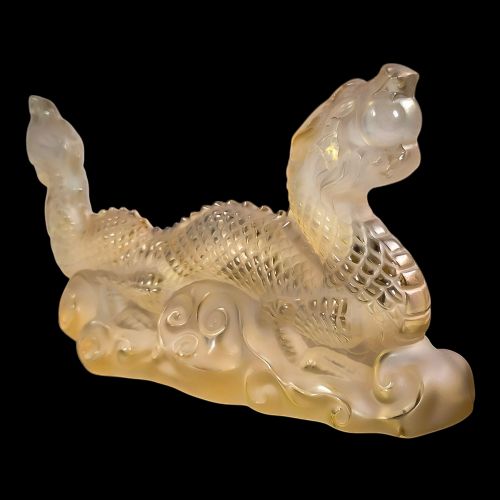
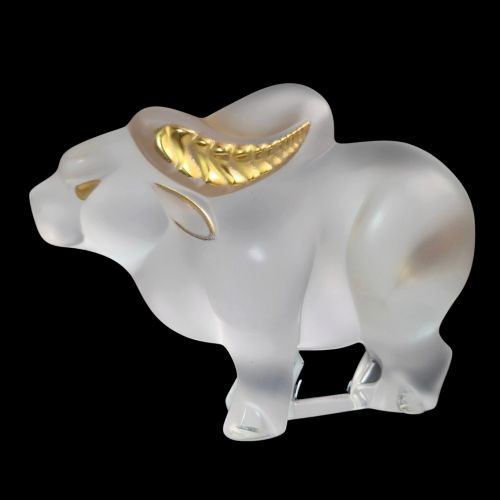
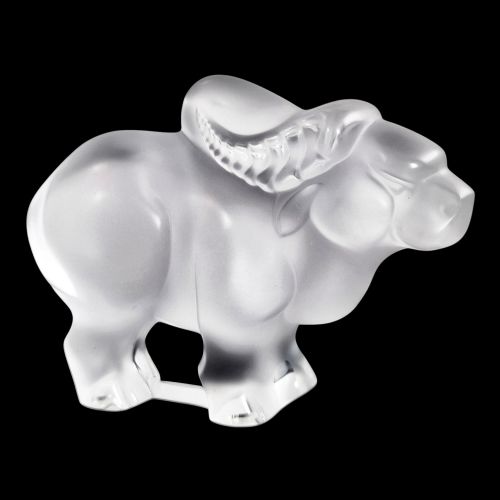
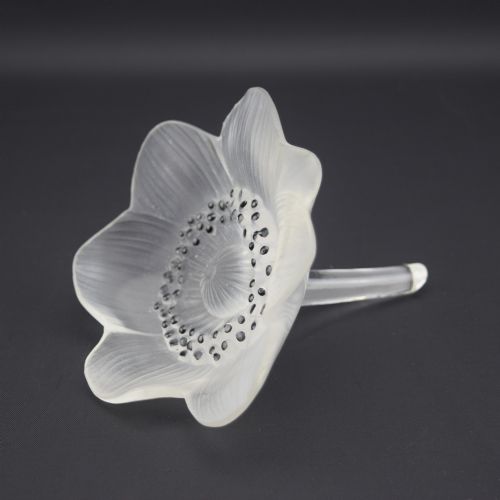
When you search for antique lalique sculpture, you encounter small decorative objects, desk seals, paperweights, and car mascots created during the early twentieth century. These pieces represent the artistic output of Rene Lalique across the periods spanning 1910, 1920, and 1930.
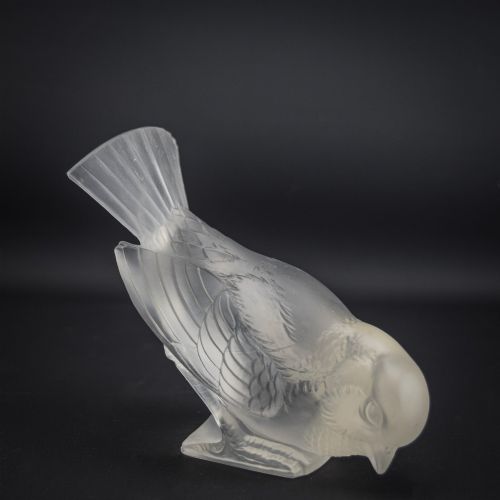
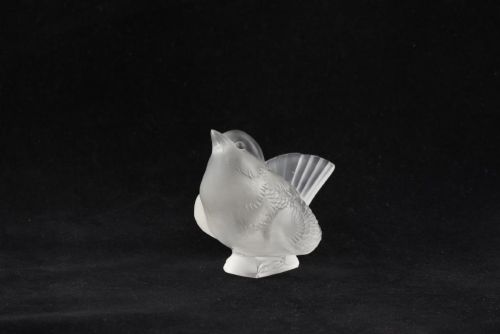
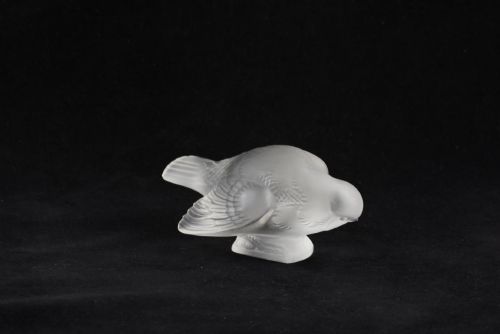
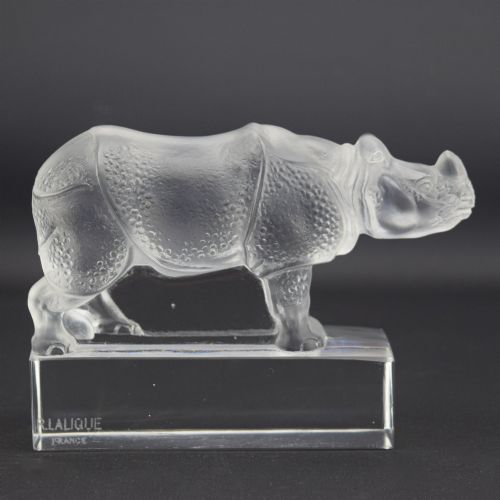
The versions most frequently met on this page include animal paperweights such as sparrows and rhinoceroses, alongside striking car mascots depicting fish, birds, and mythological figures like Sirene. Such items capture the shift from Art Nouveau aesthetics into the sharp geometry of Art Deco.
Form and function intertwine in these sculptures, which served practical purposes as desk accessories or automotive ornaments before becoming cabinet collectibles. Each example displays the distinctive sculptural vision applied to glass during the interwar decades.
How they were made
These sculptures utilise moulded, pressed, and crystal glass, shaped through complex thermal techniques to achieve crisp anatomical and decorative details. The manipulation of glass density allows for both transparent clarity and substantial weight in small objects.
Makers employed specialised treatments including frosted finishes, opalescent sheens, and blue staining to create dramatic contrasts across the surface of each piece. This interplay of light and opacity defines the visual impact characteristic of the medium.
Antique Lalique Sculpture Retail Price Guide 2026
Typical asking prices for lalique sculpture among the pieces listed under this phrase on Sellingantiques today, from the lower quarter to the upper quarter. They describe what is for sale here now, not the wider market.
Materials recorded include frosted, opalescent, moulded, and stained glass alongside crystal.
What varies in quality
The depth and distribution of opalescence or targeted staining dictate the visual success of a sculpture, altering how light moves through the material. Pieces that balance colour saturation with sculptural form occupy the highest tier of production.
Rene Lalique
The Antique Lalique Sculpture Glossary
- Car Mascot
- A decorative ornament mounted upon the radiator cap of an automobile during the early twentieth century. Rene Lalique designed several iconic glass examples depicting animals and figures.
- Opalescent Glass
- Glass that displays a milky, iridescent quality shifting between blue and amber tones according to the light. This effect enhances the contours of moulded sculptures.
- Cachet
- A small desk seal or stamp featuring an engraved base and a decorative figural handle. Examples from the 1910s often utilise glass moulded into animal forms.
- Frosted Glass
- Glass treated to achieve a textured, matte surface that diffuses light. It provides contrast against polished clear sections in sculptural designs.
- Socle
- A short pedestal or base supporting a sculpture or paperweight. Certain paperweights incorporate this architectural element into their overall design.
Antique Lalique Sculpture: Frequently Asked Questions
What is an antique lalique sculpture?
These pieces are moulded glass objects created by Rene Lalique during the early twentieth century. They encompass functional items like desk seals and car mascots alongside standalone paperweights.
Collectors prize them for their mastery of glass texture and their transition through Art Nouveau and Art Deco styles.
How were car mascots used?
Drivers mounted these glass ornaments onto the radiator caps of luxury motor cars during the 1920s and 1930s. They served as personalised statements of style on the road.
Internal illumination sometimes highlighted the opalescent or stained glass during evening journeys.
How do I date a piece?
Dating relies on stylistic markers that bridge the organic curves of Art Nouveau and the structured lines of Art Deco. Documentary evidence from the creator helps narrow down the production window.
Most surviving examples date from the decades around the interwar period.
How do I display them?
These sculptures require stable placement where natural light can pass through the clear, frosted, or opalescent surfaces. Cabinet shelving with directional lighting enhances the depth of the glass.
Handling should remain minimal to protect the delicate details of the moulding.