



Antique Lady Portrait Prints
These antique lady portrait prints capture aristocratic grace and period elegance, offering an enduring glimpse into past lives through historic engraving and printmaking techniques.
Antique Lady Portrait Prints
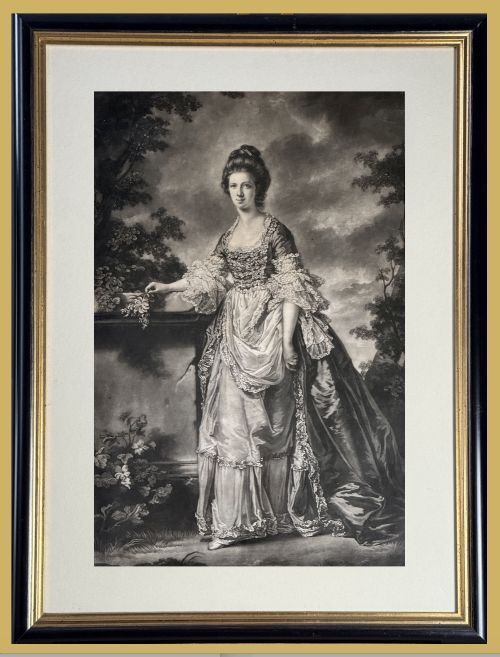
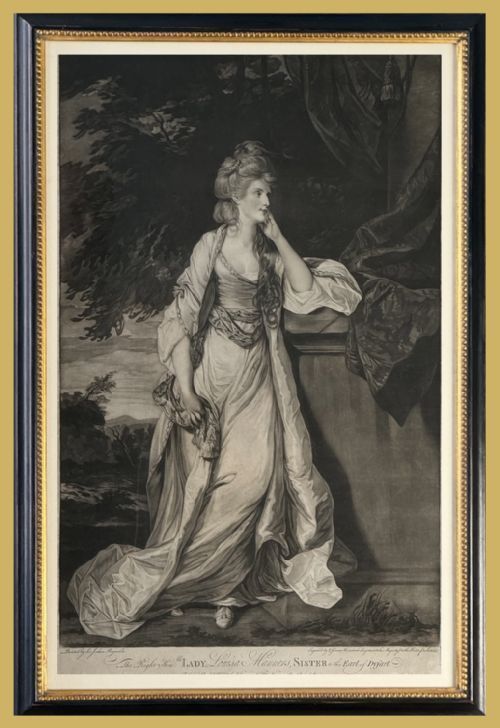
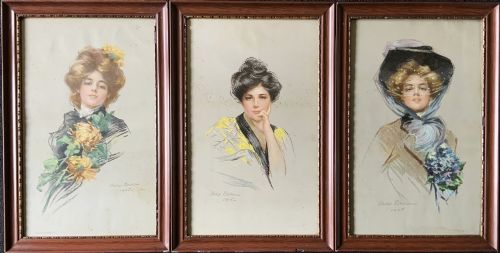
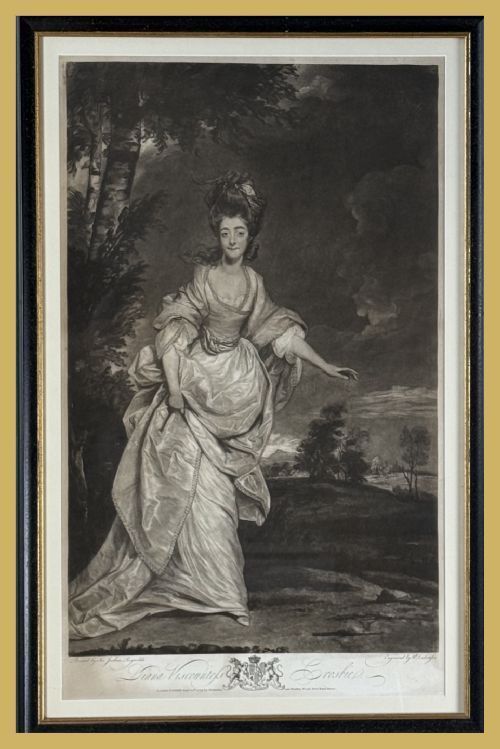
Antique lady portrait prints encompass works executed across the eighteenth and nineteenth centuries, spanning Georgian and Victorian eras. Buyers encounter various formats on this page, ranging from grand mezzotint engravings after renowned painters to delicate reverse glass prints and hand-coloured portrait miniatures.
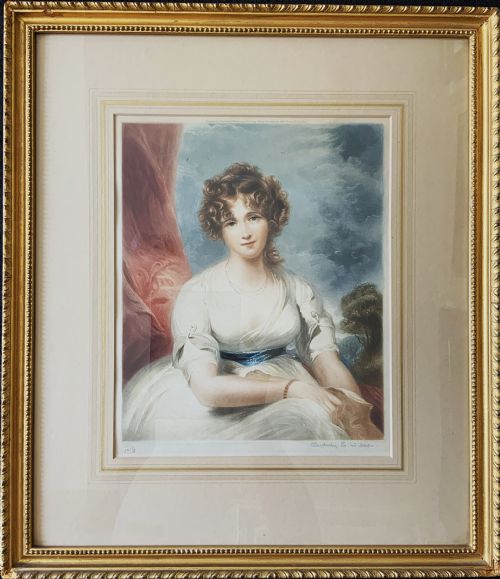
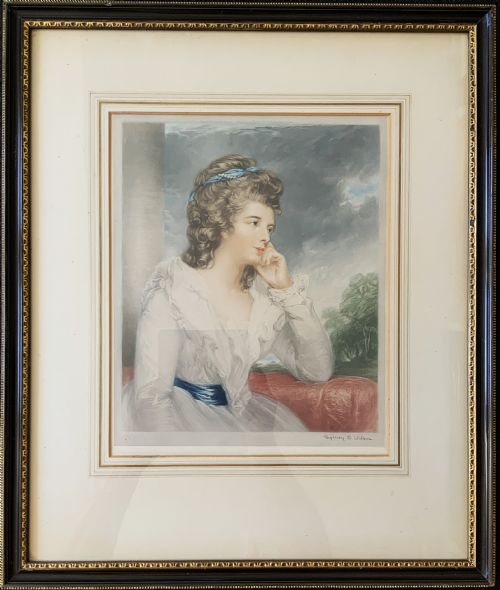
Domestic display historically favoured framed presentations, and surviving examples frequently retain their original giltwood or wood frames. Pieces range from large oval glazed wall art to intimate artist proof engravings bearing signatures from later twentieth-century editions.
How they were made
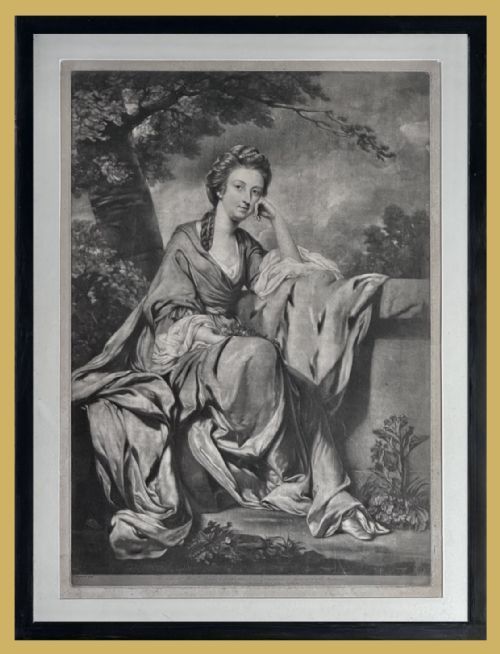
Printmakers employed copper plates to work up rich tonal mezzotints, scraping and burnishing the metal surface to create subtle gradations of light and shadow. Publishers often printed these fine engravings onto laid paper before applying ink by hand.
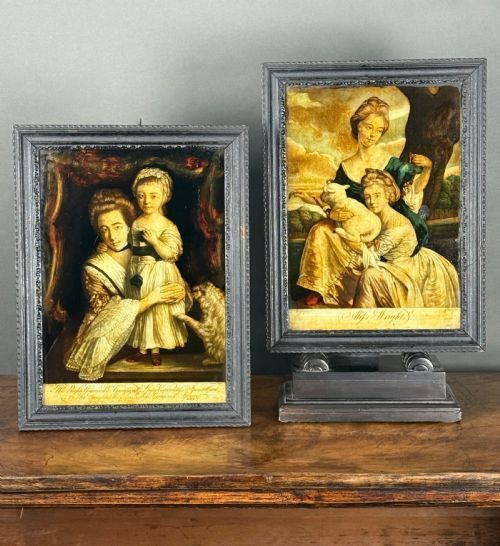
Reverse glass prints involved painting directly onto the underside of a glass sheet, building the portrait in layers from foreground details to background shadow. Artisans then sealed the reverse side to protect the delicate pigments beneath the glass.
Antique Lady Portrait Prints Retail Price Guide 2026
Typical asking prices for lady portrait prints among the pieces listed under this phrase on Sellingantiques today, from the lower quarter to the upper quarter. They describe what is for sale here now, not the wider market.
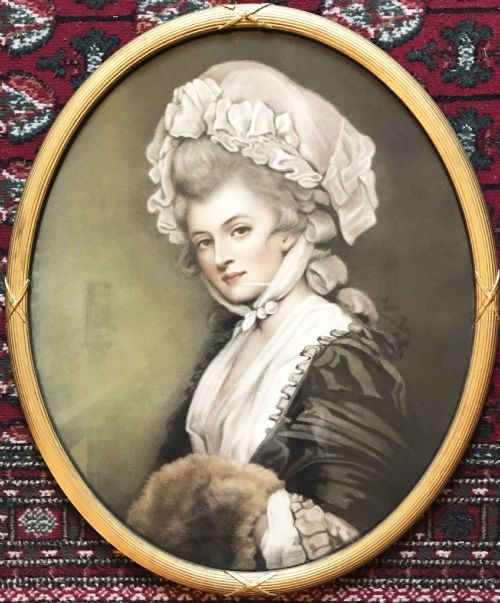
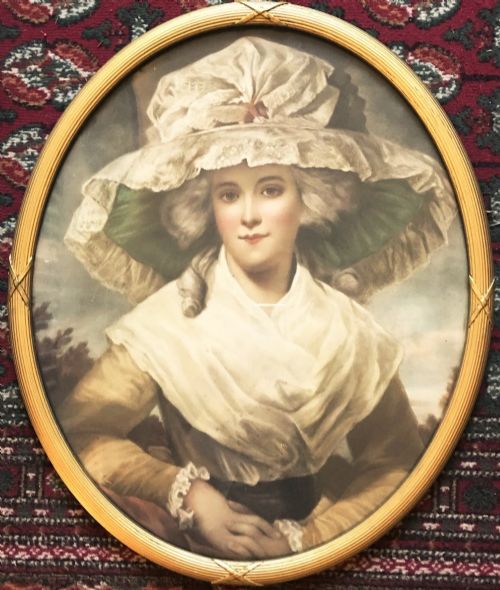
Duchess Georgiana's fashionable hats continue to outshine most of her contemporary sitters.
What varies in quality
Impression strength dictates visual clarity in mezzotint engravings, where early pulls from a fresh copper plate exhibit deep velvety blacks and crisp facial details. Worn plates yield muddy tones and softened lines that diminish the sitter's presence.
The precision of hand-colouring and reverse glass application separates ambitious studio outputs from standard commercial workshop pieces. Careful brushwork preserves the translucency of flesh tones and the intricate patterns of period textiles.
Original framing components significantly influence overall integrity, particularly when giltwood mouldings and domed glass survive intact. Period frames matched to the exact era of the print maintain historical coherence.
Edward Fisher·Valentine Green·W Dickinson·James Watson·Sydney Wilson
The Antique Lady Portrait Prints Glossary
- Mezzotint
- A printmaking process where the copper plate is roughened uniformly to produce rich dark tones, then scraped to create lighter areas. This technique allowed eighteenth-century printmakers to capture the soft textures of oil paintings.
- Reverse glass print
- An image painted or transferred directly onto the reverse side of a glass panel to be viewed from the front. Artisans worked in reverse, painting highlights first and background details last.
- Artist proof
- An early trial impression of a print pulled for the creator to inspect before the main edition runs. These impressions often command attention due to their exceptional detail and direct association with the engraver.
- Chrystoleum
- A Victorian method of applying hand-coloured prints to glass, making them transparent with adhesives before painting the reverse. The resulting translucent image created a realistic three-dimensional depth.
- Portrait miniature
- A small, highly detailed painting or print capturing a sitter's likeness, frequently housed in a protective glazed case. These intimate works were designed for personal display or pocket carriage during the Georgian and Regency periods.
Antique Lady Portrait Prints: Frequently Asked Questions
How should I clean my glass print?
Historic reverse glass prints require extreme caution because moisture can easily seep behind the glass and damage the fragile painted layers. Dust the surface gently with a dry, soft cloth and avoid any liquid cleaners entirely.
Keep these artworks away from direct sunlight and damp environments to prevent the pigments from fading or lifting off the glass panel over time.
Are these prints original to the eighteenth century?
Many mezzotints and reverse glass pieces date directly from the Georgian and Victorian periods, created as contemporary tributes or fashionable wall decorations. Surviving examples carry the paper, ink, and framing characteristics typical of their era.
Later nineteenth-century revivals and early twentieth-century artist proofs also appear alongside genuine eighteenth-century impressions, reflecting enduring tastes for classical portraiture.
What is a reverse glass print?
A reverse glass print involves applying an engraved image onto a glass sheet and painting the reverse side by hand. The viewer looks through the glass to see the finished portrait protected behind a glossy surface.
This technique produced vibrant colours and a luminous quality distinct from standard paper prints, making them popular decorative items in historic homes.
How do I hang heavy framed portraits?
Large framed artworks featuring heavy wood, giltwood, and domed glass require secure wall anchors suited to your wall type. Utilising picture rail systems or double-bracket wall hooks distributes the substantial weight evenly.
Ensure the hanging wire and structural fixings on the antique frame itself remain strong and stable before mounting the piece.