




Antique Ladies Watch
An antique ladies watch bridges the gap between precision timekeeping and delicate jewellery, offering an intricate piece of history for the wrist or pocket.
Antique Ladies Watch
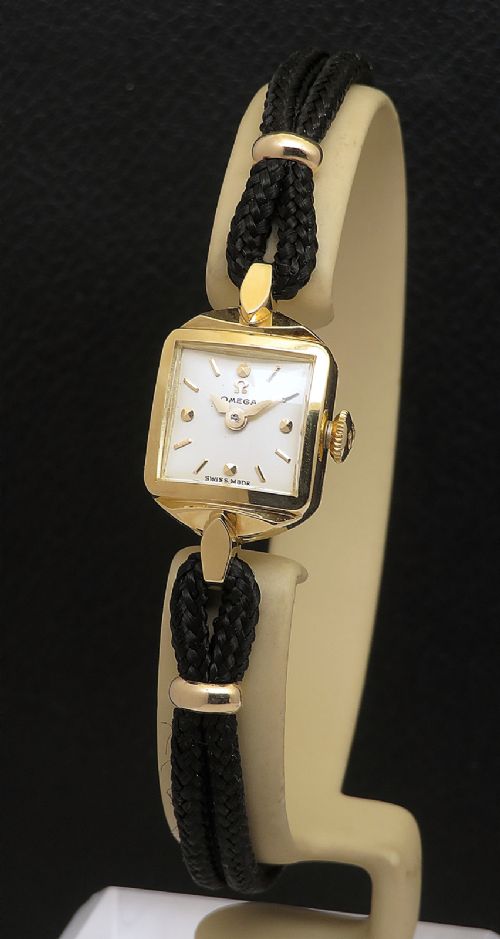
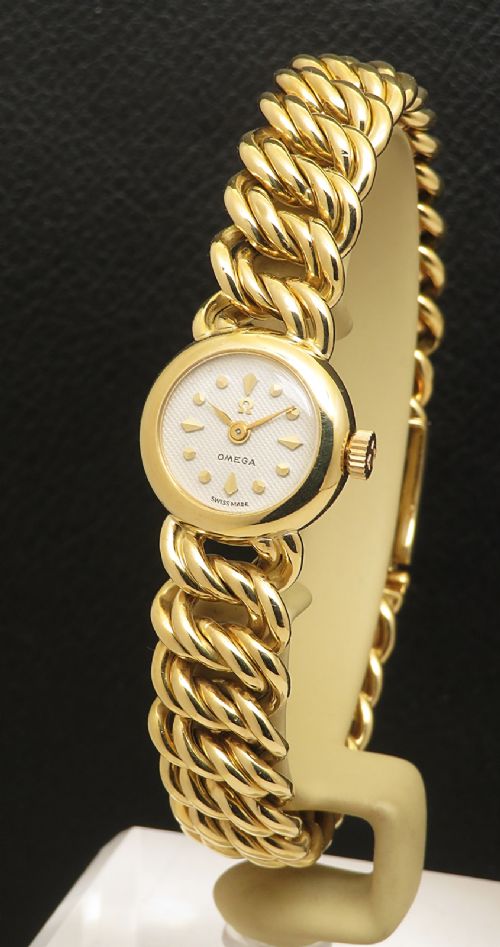
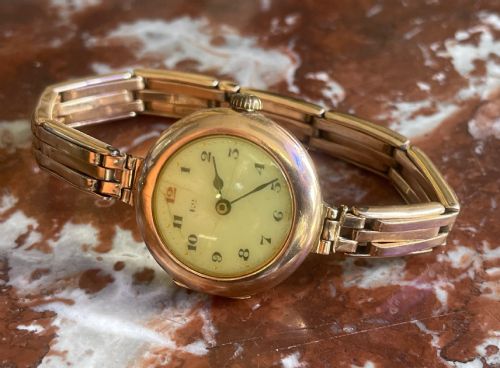
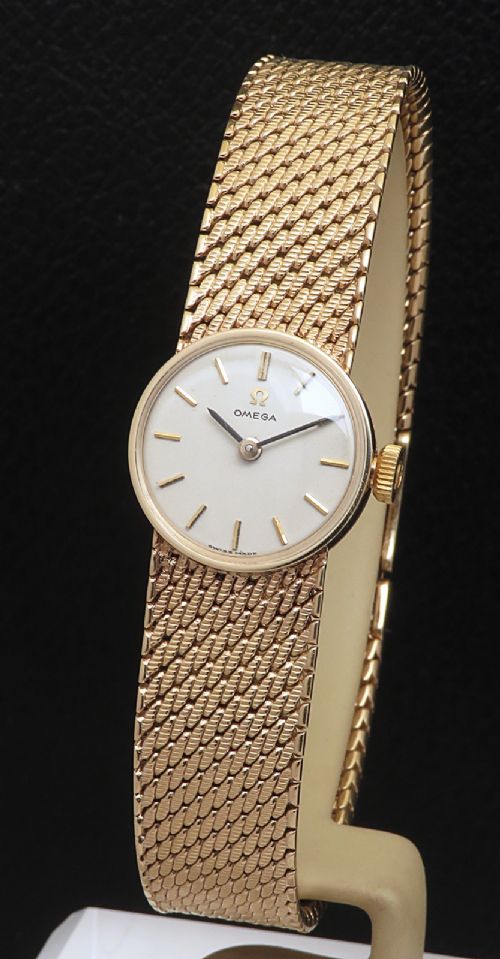
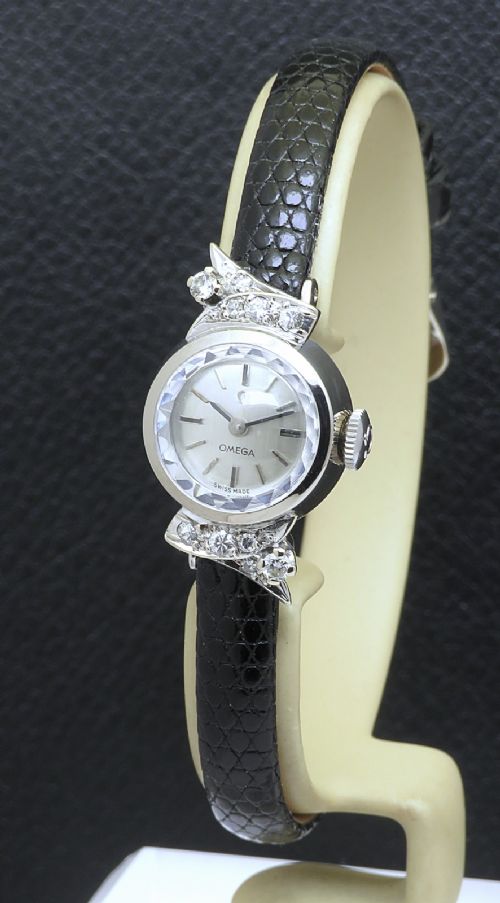
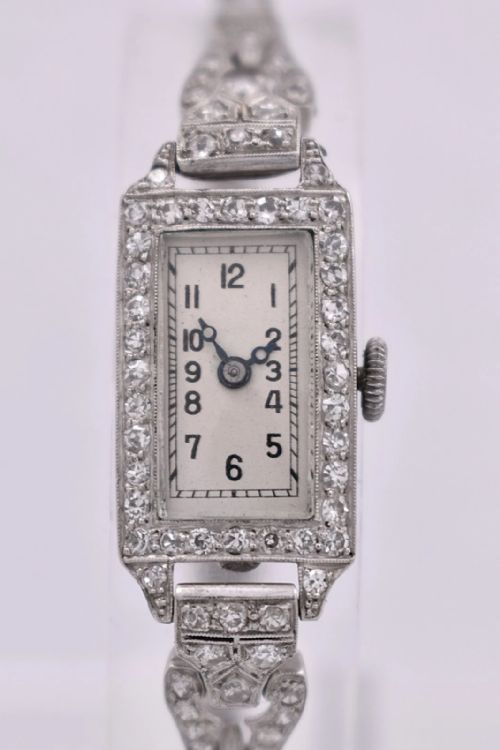
When you search for an antique ladies watch, you encounter a varied selection of timepieces spanning the Edwardian era through to the mid-twentieth century. The assortment ranges from elaborate cocktail watches set with diamonds to functional pocket watches, fob watches, and early wristwatches.
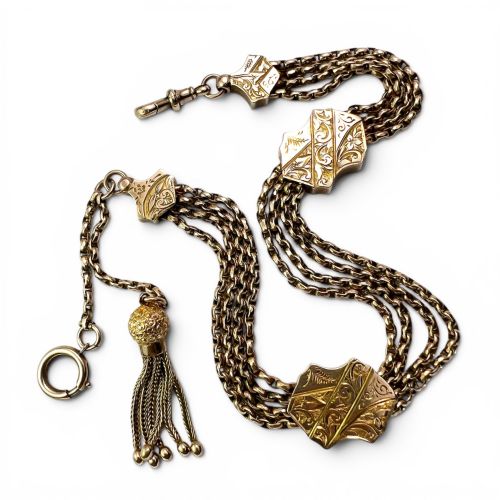
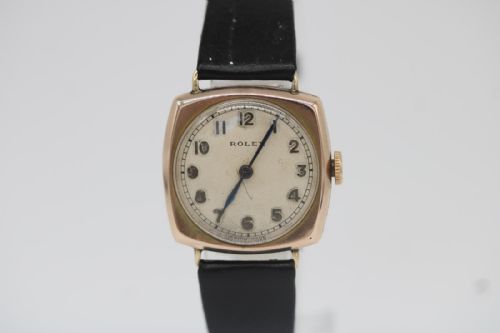
Forms include tank-style wristwatches, open face pocket watches, and delicate pendant pieces often paired with chains or watch attachments like the Albertina. Makers and houses of varying prominence, from local silversmiths to high-end luxury firms, populate the historic record of these items.
Materials and Construction Methods
The construction of these timepieces relies heavily on precious metals, predominantly 9ct gold, 18ct yellow and white gold, platinum, and occasionally silver or gold-filled brass. Metalworking techniques during the Edwardian and Art Deco periods often involved delicate wirework, millegrain edging, and intricate floral engraving upon the case faces and backs.
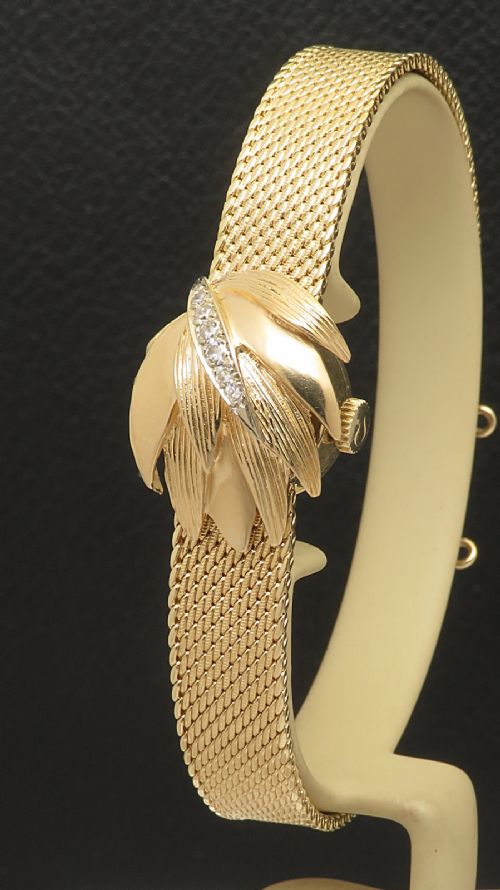
Gemstone setting defines the high-end pieces, utilising diamonds mounted in platinum or white gold mesh bracelets. Movements within these cases were predominantly mechanical, driven by manual wind mechanisms and Swiss jewelled lever escapements, sometimes accompanied by enamel dials and glass crystals.
Time can even be checked inside a Black Forest folding wooden pocket watch stand when it is not in your pocket.
Factors of Quality and Distinction
Quality in these items is governed by the intricacy of the metalwork, the weight and purity of the precious metals used, and the presence and carat weight of any diamonds or enamel work. Pieces signed by established makers or high-end jewellers generally command greater interest from collectors.
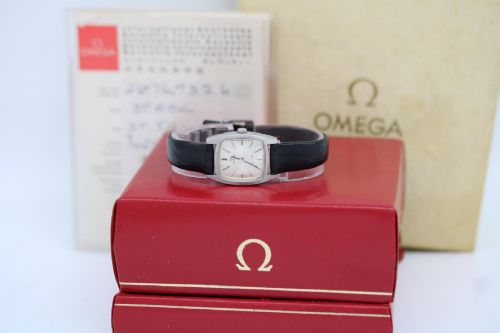
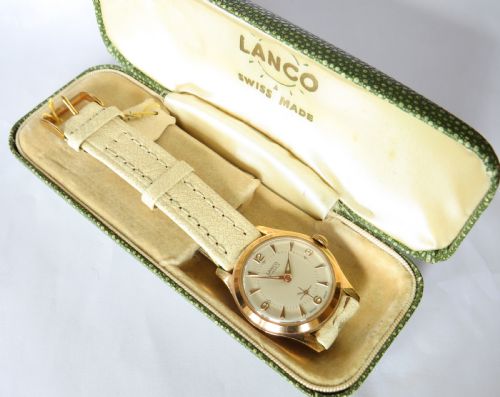
The sophistication of the internal movement also dictates distinction, with Swiss jewelled lever mechanisms representing a higher tier of watchmaking than simpler cylinder or key-wind movements. Furthermore, the preservation of original boxes, papers, and matching bracelets or chains adds considerable weight to a piece's historic integrity.
Omega·Rolex Wilsdorf & Davis·Rolex Tudor·Waltham·Asprey·Vertex·Movado·Tissot·Elgin·Bulova·Benrus·Longines·Bucherer·J W Benson·Cyma·Accurist
The Antique Ladies Watch Glossary
- Albertina
- A short, ornamental watch chain derived from the longer albert, frequently worn by women attached to a pocket or fob watch.
- Cocktail Watch
- A small, highly decorative dress watch designed primarily for evening wear, heavily adorned with diamonds and precious metals to resemble fine jewellery.
- Fob Watch
- A small pocket watch designed to be worn attached to a ribbon or short chain, popular throughout the Victorian and Edwardian periods.
- Full Hunter
- A pocket watch featuring a spring-loaded metal cover that protects the glass dial from scratches and impact.
- Manual Wind
- A mechanical watch movement that requires the wearer to manually turn the crown to tension the mainspring, preceding self-winding and quartz technologies.
Antique Ladies Watch: Frequently Asked Questions
How do I wind a manual antique ladies watch?
You gently turn the crown clockwise between your thumb and forefinger until you feel resistance. Stop immediately at that point to avoid over-tensioning the internal spring.
Most vintage mechanical watches require winding once a day to maintain accurate timekeeping throughout use.
Are these watches suitable for daily wear?
While many of these items were built for daily use, delicate cocktail watches with diamond-set platinum mesh require careful handling. They are generally better suited to occasional evening wear rather than rigorous physical activity.
Earlier fob and pocket watches were designed to be carried securely in pockets or pinned to garments rather than worn on active wrists.
What is the difference between a fob watch and a wristwatch?
A fob watch is designed to be carried in a pocket or pinned to clothing using a ribbon, brooch, or short chain like an albertina. They were the standard method of timekeeping for women before wristwatches gained widespread popularity.
Wristwatches feature lugs affixed to the case to accommodate leather straps or metal bracelets, allowing the timepiece to be worn directly on the wrist.
How can I tell an Art Deco watch from an Edwardian one?
Edwardian timepieces typically showcase softer, flowing lines, garland motifs, and delicate platinum wirework influenced by the Belle Époque aesthetic. Enamel work and floral engravings are also common hallmarks of this earlier period.
Art Deco watches favour geometric shapes, stark symmetry, stepped cases, and sharp lines, frequently utilising diamond pavé settings on white gold or platinum backgrounds.